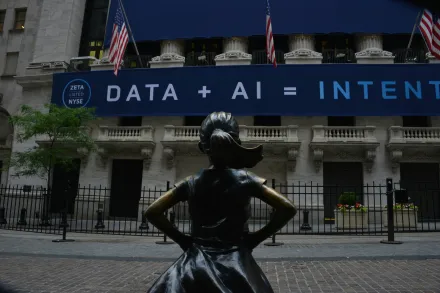
The modern financial landscape is saturated with streams of information that flow from countless points of contact, from the moment a customer touches a mobile banking app to the moment a transaction settles in a clearinghouse. Banks have embraced big data not as a fashionable buzzword but as a fundamental capability that reshapes risk assessment, customer understanding, and operational resilience. In this expansive environment, data is not merely a byproduct of activity; it is a strategic asset that, when harnessed correctly, can illuminate patterns that were previously hidden, reveal subtle shifts in consumer behavior, and accelerate decision making with a confidence that was unimaginable a decade ago. The power of big data in banking rests on the ability to collect, integrate, analyze, and act upon vast, diverse, and fast-moving information while preserving trust, privacy, and compliance across multiple jurisdictions and regulatory regimes.
At its core, big data in banking encompasses three intertwined capabilities: the capture of high-volume, high-velocity data from a wide array of sources; the application of advanced analytics that can extract meaningful signals from noisy inputs; and the integration of those insights into everyday processes so that decisions are timely, automated when appropriate, and aligned with strategic goals. This triad supports a range of outcomes, from detecting fraud in near real time to predicting credit risk with greater accuracy, from personalizing product offers to improving the efficiency of back-office operations, and from reinforcing cyber defenses to ensuring that regulatory reporting is robust and transparent. The implications extend beyond the realm of the bank’s own systems, touching customers, merchants, and counterparties in a tightly interconnected financial ecosystem that becomes more intelligent as data flows continue to expand.
To appreciate how banks leverage big data, one must acknowledge the breadth of data types that a modern financial institution manages. Structured data resides in core banking systems, payments rails, and ledger entries, but unstructured data—such as customer emails, chat transcripts, and sentiment gleaned from social channels—carries insights that structured databases alone cannot capture. Sensor data from devices, logs from security and operations, market feeds that track asset prices, and metadata about user interactions all contribute to a composite picture of risk, opportunity, and operational state. The process of turning this mosaic into value requires sophisticated data architecture, disciplined data governance, and a culture that prizes evidence-based decision making as a daily practice rather than a periodic exercise.
Data architecture in banking has evolved from monolithic repositories to layered ecosystems that include data lakes, data warehouses, and purpose-built analytics platforms. This evolution enables banks to store raw, diverse data in scalable formats while preserving the ability to run refined analyses on curated datasets. The separation of storage from processing lets data engineers and data scientists experiment with novel models without disrupting core operations. Yet the real magic happens when these architectures are connected to business processes through well-designed data products that expose clean, actionable signals to frontline teams, branch leaders, risk officers, and executive decision-makers. In a mature environment, data is a shared resource whose value grows as it is governed, standardized, and enriched with domain-specific context that makes insights compelling and easy to action.
Throughout this landscape, governance is not an afterthought but a foundational discipline. Banks must balance the speed of analytics with the imperative to protect customer privacy and maintain strict regulatory compliance. This balance shapes how data is collected, stored, processed, and accessed. It also informs how models are developed, tested, and monitored for bias and drift. Effective governance encompasses data lineage that traces each data element from source to insight, data quality controls that prevent the propagation of errors, and role-based access that limits sensitive information to authorized users. When governance is robust, analytics become trusted, enabling teams across the organization to rely on data-driven recommendations with confidence, whether they are approving a loan, orchestrating a fraud alert workflow, or designing a personalized marketing offer.
The real-time dimension of big data in banking introduces a new cadence to decision making. Streams of payments, log events, and customer interactions arrive continuously, demanding processing pipelines that can ingest, normalize, and analyze data with minimal latency. Real-time analytics power immediate responses, such as flagging suspicious activity as it happens, triggering adaptive authentication when a user exhibits unusual behavior, or adjusting credit exposure during volatile market conditions. The ability to react quickly is not only a competitive differentiator but a risk management imperative in an environment where threats evolve rapidly and customer expectations for seamless, uninterrupted service are high. Real-time systems are complemented by batch processes that run on a longer horizon, capturing trends and performing deeper analyses that inform strategic planning and product development over weeks and months.
The strategic value of big data emerges most clearly in risk management and fraud detection. Banks operate in a world where credit risk, market risk, liquidity risk, and operational risk intersect in complex ways. By bringing together transactional data, external economic indicators, behavioral signals, and network relationships between counterparties, institutions can build a more nuanced understanding of risk exposure. Advanced analytics enable early warning indicators, scenario testing, and stress testing that consider multifactor interactions rather than one-dimensional metrics. Fraud detection benefits from multi-source correlation and anomaly detection that connect disparate signals such as changes in spending patterns, device fingerprints, location incongruities, and atypical transaction sequences. The objective is to identify suspicious activity with high precision while minimizing false positives that frustrate customers and drain resources, a delicate balance that requires careful tuning and ongoing validation of models.
Credit underwriting has been transformed by big data through the deliberate inclusion of diverse inputs beyond traditional credit scores. Alternative data sources—such as rental payment history, utility payments, social and employment signals, and even app usage patterns—can illuminate a borrower’s behavior in ways that conventional models might miss. The result can be faster loan approvals for eligible applicants, better pricing that reflects true risk, and more inclusive access to credit for underserved segments. However, this expansion raises questions about fairness, bias, and regulatory acceptance. Banks address these concerns by combining robust data governance with transparent model documentation and ongoing monitoring that demonstrates how each input contributes to decisions and how disparate impact is mitigated. The objective is to harness the benefits of broad data while safeguarding customer rights and ensuring that underwriting remains explainable and compliant across jurisdictions.
Personalized customer experiences are another major arena where big data reshapes outcomes. By analyzing historical interactions, transaction histories, channel preferences, and real-time context, banks can design journeys that are more relevant, timely, and frictionless. Personalization manifests in tailored product recommendations, dynamic pricing for liquidity and fees, and proactive guidance that helps customers meet short- and long-term financial goals. Yet personalization must respect privacy boundaries and consent preferences; it relies on transparent data practices and clear communication about how insights are used. When done responsibly, personalized analytics create value for customers and banks alike by lowering the effort required to navigate financial products while increasing customer satisfaction and retention over the long term.
Open banking and third-party data sharing expand the opportunities for big data in banking, enabling access to external datasets that enrich internal analyses. Banks collaborate with fintechs, payment processors, and data aggregators to gain fresh perspectives on customers and markets, while maintaining strict controls over how data is accessed and used. This collaborative data ecosystem supports innovation in services such as personalized savings programs, credit-building tools, and cross-sell strategies that are more precise and contextually appropriate. The ecosystem also introduces new governance challenges, including supplier risk, data portability, and secure data exchange protocols that protect both consumers and institutions as data flows across boundaries become more common and more essential to competitive advantage.
As data technologies mature, banks increasingly invest in explainable AI and model governance to reconcile sophisticated analytics with the need for accountability. Complex models, such as deep learning systems that can uncover subtle patterns, must be accompanied by explanations that business leaders, auditors, and regulators can understand. Explainability becomes a practical requirement for risk governance and for meeting regulatory expectations around transparency. The governance framework extends to ongoing monitoring, where models are tested against new data, performance is tracked over time, and triggers are defined to retrain or replace components that no longer perform as intended. In this environment, big data is not merely a tool for prediction; it is a living system that evolves in tandem with the business, regulatory, and ethical landscape in which banks operate.
Data security is inseparable from the promise of big data in finance. Banks handle some of the most sensitive personal and financial information, making robust cybersecurity integral to every data initiative. The data lifecycle—collection, storage, transformation, movement, and analysis—must incorporate strong encryption, secure authentication, and vigilant monitoring for anomalies. Security teams rely on big data analytics to correlate thousands of signals from network traffic, endpoint activity, access logs, and threat intelligence feeds to uncover hidden threats before they manifest as breaches. Incident response workflows are enhanced when analysts can access unified views of data, enabling faster containment and more precise remediation. The combination of comprehensive data protection and proactive threat detection helps sustain customer trust and regulatory compliance in an environment where cyber risk is persistently present.
Regulatory compliance emerges as a central driver of how banks design and operate their big data capabilities. The multitude of standards—from anti-money laundering to consumer protection laws to financial reporting requirements—necessitates precise data lineage, auditable processes, and consistent definitions across the organization. Banks build data ecosystems with built-in controls, data dictionaries, and metadata management to ensure that regulators can reproduce findings and verify the accuracy of reported figures. The challenge is not merely to generate a correct report but to maintain a demonstrable chain of custody for data elements, showing exactly how a particular figure was derived from raw inputs, which models influenced it, and who approved the transformation. When compliance is integrated into the data fabric, reporting becomes more reliable, faster, and less burdensome for the organization as a whole.
In practice, the journey toward full-fledged big data maturity is incremental and continuous. Banks begin with a clear business objective, assemble the right data sources, and implement a pipeline that captures, cleans, and stores information with appropriate safeguards. They then embrace analytics layers that transform raw data into insights, followed by the deployment of decisioning engines that automate routine actions while preserving the ability to escalate for human review when necessary. The most successful efforts blur the line between analytics and operations, embedding data-driven decision making into everyday workflows so that front-line staff, risk managers, and executives speak a common language grounded in evidence rather than intuition alone. This integration of data science into business processes is what translates the promise of big data into tangible improvements in efficiency, quality, and resilience across the financial institution.
In addition to internal capabilities, banks must navigate customer expectations for speed and simplicity. Modern customers anticipate instant feedback, seamless authentication, and personalized interactions that feel tailored yet unobtrusive. Meeting these expectations requires a data-driven culture that values customer-centric metrics and designs experiences that respect privacy while delivering value. Banks that succeed in this space invest in user-friendly interfaces, transparent consent practices, and proactive communication about how data is used to enhance service. When customers perceive tangible benefits from data-driven initiatives, trust solidifies and the willingness to share information for improved services increases, creating a virtuous circle that reinforces the strategic utility of big data across the organization.
The future of big data in banking is shaped by ongoing advances in computational power, storage technologies, and algorithmic sophistication. Emerging capabilities such as federated learning enable models to be trained on data that remains within its original jurisdiction, reducing privacy concerns while preserving predictive performance. Edge computing brings computation closer to the source of data, lowering latency for real-time decision making in branches and remote service centers. Across all of these developments, the human element remains essential: data literacy, ethical judgment, regulatory awareness, and cross-functional collaboration determine whether technological capabilities translate into durable business value. Banks that cultivate these human competencies alongside their technical architecture are best positioned to adapt to changing conditions, capture new opportunities, and maintain the trust that customers place in them as stewards of their financial lives.
As data landscapes evolve, the role of data professionals within banks grows more strategic. Data engineers design scalable pipelines that handle growth while maintaining reliability, data scientists craft models that extract predictive signals from noisy inputs, and data stewards ensure the accuracy and lineage of data assets. The collaboration among these roles shapes a culture where data products are treated as commodities that deliver measurable outcomes. In such a culture, analytics becomes a shared capability rather than the property of a single department, and decisions across marketing, risk, operations, and executive leadership are increasingly anchored in data-backed reasoning rather than anecdote. This collaborative model accelerates innovation while preserving the safeguards that keep the institution compliant, customer-friendly, and financially sound over time.
Ultimately, big data empowers banks to move with greater agility in a dynamic market. It supports the speed of execution in product launches, the precision of risk-adjusted pricing, and the resilience required to withstand shocks. The most effective implementations align data architecture with business strategy, create a vocabulary that translates complex analyses into actionable steps, and embed governance and security into every layer of the data ecosystem. When these elements converge, data ceases to be a passive repository of information and becomes an active driver of value, enabling banks to serve their customers more effectively, manage risk more rigorously, and operate with a level of confidence that accelerates growth in a highly competitive financial world.
Thus, the narrative of big data in banking is not a single technology story but a holistic shift in how institutions think about information, process, and responsibility. It requires continuous investment, disciplined execution, and a steadfast commitment to safeguarding the trust that underpins the banking relationship. As data continues to flow and technologies evolve, banks will increasingly rely on sophisticated analytics not just to optimize current operations but to reimagine the very possibilities of financial service delivery, delivering outcomes that are smarter, faster, and more aligned with the needs and aspirations of a diverse and evolving customer base.
Understanding the scale of data and the architecture that supports it
The sheer scale of data handled by contemporary banks is a defining characteristic of modern finance. Transactions arrive at volumes that would have overwhelmed earlier systems, and the variety of data types expands daily as more channels are introduced and as devices embedded in everyday life generate streams of information. To manage this scale, banks build layered architectures that separate storage from processing while maintaining a coherent view of the data across the organization. A common pattern involves a data lake that accepts raw feeds from disparate origins, a data warehouse that stores curated, business-ready datasets, and a processing layer that runs analytics and feeds decisioning engines. This architectural separation enables teams to experiment with innovative models in a sandboxed environment while preserving the stability, compliance, and performance of core operations. The data lake often acts as a repository for historical data that can be used to study long-term trends, while the data warehouse serves as the backbone for reporting and daily analytics. When integrated effectively, these layers provide a flexible foundation that supports both rapid experimentation and reliable production analytics, ensuring that insights can reach the people who make decisions without delay.
One operational benefit of a well-designed architecture is the ability to reconstruct the data lineage from its point of origin through every transformation and aggregation to the final report. This traceability is essential for debugging discrepancies, answering audit questions, and satisfying regulatory inquiries. It also fosters a culture of accountability, because stakeholders can see how a given result was produced and who approved each stage of the data flow. Furthermore, a mature architecture includes robust metadata management, enabling users to discover relevant datasets, understand their context, and assess data quality before consumption. In practical terms, metadata acts as the map that guides analysts through a labyrinth of data sources, schema evolutions, and versioned transformations, reducing the risk of misinterpretation and enabling faster, more confident decision making across departments.
The performance considerations in big data environments are equally important. Banks require low-latency processing for certain use cases, such as fraud detection during a transaction or real-time credit line adjustments during peak hours. Achieving the necessary latency often means streaming data architectures, micro-batch processing, and in-memory computation that accelerates the path from data ingestion to insight. Simultaneously, batch processing accommodates heavier analyses that scan large historical datasets to uncover slow-moving but valuable trends. The dual emphasis on real-time and batch analytics is not a contradiction but a deliberate balance designed to optimize both immediacy and depth. The architecture must gracefully handle spikes in data volume, maintain data quality under stress, and provide predictable performance for critical workflows, all while ensuring that security and privacy controls remain consistently enforced across the entire data lifecycle.
In the governance dimension, the architecture translates into policy-driven controls that define who can access what data, under which circumstances, and for which purposes. Data access management evolves from a blunt permission model to a nuanced framework that considers user roles, data classifications, and regulatory requirements. For example, highly sensitive data may require additional validation, encryption at rest and in transit, and automated monitoring for unusual access patterns. The goal is to harmonize agility with accountability, allowing analysts and decision-makers to work with the data they need while maintaining a high degree of confidence that the organization is protecting customer privacy and complying with applicable laws. When architecture, governance, and security align, big data becomes a reliable, scalable platform for a wide array of banking operations and strategic initiatives, not just a theoretical capability that sits on the side lines awaiting a data project.
In practice, banks often adopt a data-centric operating model that embeds data literacy into the fabric of daily work. Teams are equipped with data catalogs, standardized definitions, and reproducible workflows that remove friction and reduce the time from insight to action. The cultural shift toward data-driven decision making is reinforced by leadership that communicates clear expectations about data quality, transparency, and accountability. This cultural alignment is as crucial as the technical sophistication of the tools; without it, even a powerful data platform can fail to deliver sustained value because people do not consistently trust or rely on the outputs. By cultivating both the technical and the human dimensions of big data, banks can transform raw information into strategic capabilities that help them navigate uncertainty, deliver better outcomes for customers, and operate with a level of resilience that insulates them from shocks in the market.
As with any complex system, continuous improvement is essential. Banks monitor system performance, data quality, model performance, and regulatory compliance on an ongoing basis, using dashboards and automated alerts to detect deviations and trigger remediation. This ongoing discipline supports steady progress toward higher maturity levels, where analytics are seamlessly embedded in decision workflows and where data products evolve in response to changing business needs. The result is a dynamic data ecosystem that not only answers questions that are relevant today but also adapts to questions that have not yet been imagined. In this sense, big data is less about a fixed solution and more about a living capability that grows with the institution, enabling it to respond with agility and purpose to the evolving demands of customers, markets, and regulators alike.
Finally, the human element remains at the heart of successful big data initiatives. Data scientists bring advanced modeling techniques and domain knowledge to interpret complex signals, while data engineers ensure that data pipelines are reliable, scalable, and secure. Business partners translate analytic insights into practical actions, bridging the gap between theory and execution. Compliance and risk professionals provide guardrails that protect the organization and its customers, ensuring that innovations are implemented within a responsible framework. When these communities collaborate with shared goals and language, the organization builds a sustainable advantage that extends beyond single projects to the creation of an enduring data-driven culture capable of delivering durable value in a contested financial landscape.
In sum, the architecture and governance of big data in banking are inseparable from the business outcomes they enable. A well-conceived data platform supports fast, informed decisions that improve customer experiences, enhance risk management, and drive operational efficiency while honoring the privacy and regulatory commitments that define the sector. This integrated approach transforms data from a passive resource into an active engine of value, continually producing insights that empower banks to serve their customers with greater confidence and to compete more effectively in a demanding and rapidly evolving global economy.
Real-time analytics and the shift from hindsight to foresight
One of the most dramatic shifts in banking is the move from retrospective analysis to proactive, real-time insight. Real-time analytics enable immediate responses to transactions, behavior shifts, and environmental changes, which can prevent losses, optimize customer experiences, and strengthen trust. When a payment is flagged for suspicious activity, a real-time decisioning system can prompt multi-factor authentication, additional verification steps, or alerting for manual review. In consumer services, real-time analytics can tailor messaging and offers in the moment, aligning with the customer’s current context and preferences. The speed of feedback improves engagement while reducing the friction that often accompanies financial interactions. The technical underpinnings involve streaming platforms, low-latency data paths, and in-memory processing, all orchestrated to keep latency within the thresholds required for timely action.
Beyond individual transactions, real-time analytics enhance operational resilience, such as detecting signs of system strain during peak periods or identifying early indicators of a service disruption. By correlating live system metrics with transaction data, banks can anticipate outages, reallocate resources proactively, and communicate with customers in a transparent and proactive manner. This capability is increasingly critical as digital channels become the primary mode of interaction for many clients, and as expectations for uninterrupted service rise. Real-time insights also inform liquidity management, market risk monitoring, and performance optimization across the enterprise, creating a feedback loop in which observations about the present feed into decisions that shape the near future.
In many institutions, real-time analytics is supported by event-driven architectures that coordinate data flows as events occur. These architectures rely on streaming technologies, message brokers, and scalable compute platforms that can handle bursts of activity without degradation of service. The challenge is to maintain data quality and security in a live environment, ensuring that rapid responses do not compromise regulatory requirements or customer privacy. To achieve this, banks implement rigorous testing, continuous monitoring, and fail-safe mechanisms that can revert to safe states if anomalies are detected. The resulting ecosystem offers a level of responsiveness that was unimaginable in the era of batch processing and provides a competitive edge by enabling faster, smarter, and more secure interactions with customers and markets alike.
Real-time analytics also supports more sophisticated risk management practices. By streaming market data, transaction feeds, and internal risk indicators, banks can monitor exposures as conditions evolve and enact hedging strategies or liquidity adjustments in near real time. This dynamic capability reduces the probability of sudden, adverse outcomes and strengthens the bank’s ability to weather volatility. In parallel, real-time fraud detection becomes more effective as models compare current activity against known patterns of abuse with minimal delay. The result is a more robust defense that can adapt quickly to new fraud schemes and evolving consumer behaviors, protecting both the institution and its customers from losses and reputational damage that can accompany security incidents.
As technology advances, the boundary between real-time analytics and decision automation grows thinner. Decisioning engines can translate analytic outputs into concrete actions in seconds or milliseconds, creating a streamlined path from insight to impact. For example, when a customer logs in from an unusual location, a real-time system can prompt adaptive authentication and, if the verification is successful, preserve a smooth user experience rather than forcing a disruptive interruption. In commercial banking, real-time analytics support risk-based pricing and credit line adjustments during continuous customer interactions, enabling institutions to respond to evolving credit risk profiles as activity unfolds. The practical upshot is a banking environment where information flows through a living network, guiding decisions with immediacy, precision, and accountability.
Real-time analytics also pushes organizations to consider data quality in a new light. The speed of processing increases the risk that faulty or incomplete data could propagate quickly, amplifying errors if not checked. To mitigate this, banks invest in data quality monitoring that runs in parallel with streaming workflows, with automated validation rules, anomaly detection, and self-healing pipelines that can correct or quarantine problematic data in flight. The combination of speed, accuracy, and governance creates a robust real-time analytics capability that supports a wide range of critical activities, from customer engagement to risk control, and from regulatory compliance to executive oversight. In this way, real-time analytics embodies the transition from retrospective analysis to forward-looking, action-oriented intelligence that shapes the behavior of the institution in meaningful ways.
Fraud detection and risk management powered by data and AI
Fraud detection has evolved from rule-based systems that flagged obvious anomalies to sophisticated, data-driven approaches that synthesize signals across multiple domains. Banks combine transactional data, device fingerprints, geo-location information, behavioral patterns, and historical fraud signals to identify suspicious activity with increasing precision. Machine learning models can learn long-term patterns of fraud, detect emerging techniques, and adapt to changing customer behavior, improving both the rate of true positives and the user experience by reducing unnecessary alerts. A critical aspect of this evolution is the balance between security and usability; an overly aggressive system can frustrate legitimate customers, while a lax system can miss important threats. The best approaches seek to optimize this balance through continuous evaluation, user-centric design, and human-in-the-loop decision making for high-stakes cases.
Risk management also benefits from the integration of big data across the risk taxonomy, combining credit risk, market risk, liquidity risk, and operational risk into a unified view. The ability to draw connections between seemingly disparate indicators leads to more accurate risk assessments and better-informed strategic decisions. For example, linking customer behavioral data with macroeconomic indicators and exposure metrics can reveal vulnerabilities or opportunities that would be invisible if each data domain were analyzed in isolation. In stress testing and scenario analysis, large-scale data enables banks to examine the resilience of portfolios under a range of hypothetical conditions, accounting for correlations and network effects among various risk drivers. This holistic perspective supports governance processes and capital planning, helping institutions maintain adequate buffers while pursuing growth opportunities grounded in data-backed insights.
Model risk management remains a perennial challenge in the context of big data and AI. Banks must ensure that models are robust, transparent, and aligned with regulatory expectations. This requires ongoing model validation, performance monitoring, and the establishment of clear governance around model development, deployment, and retirement. The use of explainable AI techniques helps demystify how models reach their conclusions, which in turn supports accountability and trust with regulators, auditors, and business users. When risk management processes are tightly coupled with data platforms, banks gain a powerful ability to identify, quantify, and mitigate risk in a timely and auditable manner, strengthening the institution’s overall resilience in the face of uncertainty and complexity.
Beyond the technicalities, the human dimension is essential in fraud and risk management. Analysts, investigators, and frontline staff bring domain knowledge, intuition, and ethical judgment to complement automated signals. Their expertise helps interpret model outputs, assess contextual factors, and decide when a transaction should be escalated, approved, or declined. A culture that fosters collaboration between data professionals and business users ensures that analytics remain relevant and actionable, guiding policies and procedures that continuously reduce risk while maintaining a positive customer experience. This collaborative approach turns big data into a practical asset that protects the institution, supports compliance, and sustains trust in an increasingly complex financial ecosystem.
Data-driven risk management is not only about stopping losses; it also creates opportunities for improved capital allocation and pricing. By understanding the drivers of risk at a granular level, banks can optimize credit portfolios, tailor pricing to actual risk profiles, and design products that reflect evolving market realities. The result is a more efficient allocation of capital and a more resilient business model that can adapt to changes in supply and demand, macroeconomic shocks, or shifts in customer behavior. In this sense, big data becomes a strategic instrument that aligns risk controls with the institution’s broader goals, enabling sustainable growth without compromising the core principles of safety and soundness that regulators and customers expect.
Credit underwriting in the era of alternative data
The inclusion of alternative data into underwriting processes marks a notable shift in how banks evaluate creditworthiness. Beyond traditional credit scores, banks may analyze payment histories for utilities and rent, mobile top-ups, employment stability signals, and even patterns in digital behavior that correlate with financial reliability. This expanded data view allows lenders to extend credit to individuals and small businesses that might be underserved by conventional scoring models, while maintaining careful checks to prevent bias. To ensure ethical usage, banks implement guardrails that monitor for disparate impact, monitor for sensitive attributes, and provide transparent explanations for decisions where possible. The challenge is to leverage richer data without compromising fairness and regulatory expectations, requiring a disciplined approach to model development and governance.
Algorithmic underwriting involves training predictive models on historical data that capture the relationship between input features and repayment outcomes. The models estimate the probability of default, expected loss, and other risk metrics that inform loan terms, interest rates, and credit limits. Banks continually refine these models as new data becomes available, testing for stability across demographic groups and market conditions. They also incorporate business rules and policy constraints that reflect regulatory requirements and risk appetite, ensuring that even sophisticated models operate within defined boundaries. The ultimate objective is to achieve higher approval rates for creditworthy applicants while maintaining acceptable risk levels and a transparent, auditable decisioning process that regulators can review.
One practical outcome of data-informed underwriting is more precise pricing. By aligning interest rates with actual risk intensities derived from a broad data foundation, lenders can offer competitive terms to strong borrowers and adjust terms for riskier segments in a way that preserves profitability. Dynamic pricing can be applied across products such as personal loans, small-dollar credit, and revolving lines of credit, enabling a more personalized and responsible lending approach. At the same time, robust monitoring ensures that pricing signals do not inadvertently steer customers toward inappropriate products or create conflicts of interest. The result is a more nuanced and equitable lending ecosystem that benefits customers with fair access to credit and institutions with healthier portfolios.
As underwriting practices evolve, the importance of data quality and governance becomes even more evident. The integrity of input data directly affects the credibility of model outputs and, ultimately, the outcomes for customers. Banks invest in data cleansing, feature engineering, and version control to maintain a reliable foundation for underwriting decisions. They also implement explainability measures that help staff communicate with customers about how data influences loan offers and terms, reinforcing transparency and trust. The combination of broader data sources, rigorous governance, and customer-centric communication fosters a more inclusive and responsible lending environment that leverages big data to expand opportunity while maintaining prudent risk management.
In practice, embracing alternative data for underwriting requires careful collaboration across business units, compliance, and risk teams. It also demands ongoing education for customers and internal stakeholders about the purposes of data collection and the safeguards in place to protect privacy. When executed thoughtfully, these initiatives yield benefits for both lenders and borrowers: faster decisions, more accurate risk assessment, tailored products, and improved financial inclusion. The ongoing challenge is to preserve fairness, avoid biased outcomes, and maintain a governance framework that can adapt to evolving data sources and regulatory expectations while continuing to deliver value across the banking ecosystem.
Customer experience, marketing analytics, and product development
Big data reshapes how banks understand and engage with customers, turning anonymous streams of activity into a rich tapestry of preferences, needs, and potential opportunities. By tracking interactions across channels, banks can map customer journeys, identify friction points, and design experiences that feel intuitive, proactive, and rewarding. Personalization becomes the default rather than the exception, with all interactions guided by data-informed insights that respect consent choices and privacy boundaries. The result is a more satisfying relationship that strengthens loyalty and extends the customer lifetime value while ensuring that marketing investments are targeted for maximum impact.
Marketing analytics driven by data allows banks to test hypotheses about product-market fit, pricing strategies, and channel effectiveness without relying solely on gut instinct. By measuring engagement, conversion rates, and return on investment across campaigns and segments, institutions can refine their marketing mix and optimize the allocation of budget to channels that demonstrate real measurable value. This data-driven approach reduces waste and accelerates learning, enabling a rapid cycle of experimentation and improvement that keeps banks aligned with customer expectations in a dynamic digital environment. The emphasis is on ethical data use and clear reporting that demonstrates how insight translates into better customer outcomes, not merely more aggressive sales tactics.
Product development benefits from analytics that reveal unmet needs, emerging trends, and opportunities to combine existing offerings into synergistic bundles. By synthesizing usage data, feedback, and financial outcomes, banks can identify where to invest in new features, enhancements, or service models that deliver tangible benefits for customers and a corresponding lift in engagement. The most successful products emerge from continuous dialogue between data insights and the human-centered understanding of customer life contexts. In this setting, data informs design decisions, but empathy, clarity, and ethical considerations remain essential to ensure that new features genuinely improve financial wellness and do not contribute to over-indebtedness or confusion about terms and conditions.
As banks scale these capabilities, they also consider the cross-sell and retention implications. Advanced analytics can surface when a customer is likely to benefit from a particular product, such as a savings tool, a budgeting feature, or a small-business loan. By aligning products with customers’ life moments and financial priorities, banks can deliver more meaningful value and avoid intrusive marketing that erodes trust. The challenge lies in balancing the desire to grow revenue with the obligation to protect customer autonomy and privacy. A well-governed data culture treats customer trust as the highest form of capital, recognizing that responsible data use is foundational to sustainable growth and brand strength in a crowded market.
In the background, operational analytics optimize back-office performance so that marketing and product initiatives translate into reliable delivery. Insights into process bottlenecks, resource utilization, and service levels support continuous improvement and cost containment. This holistic view—linking customer-facing insights with internal efficiency—creates a virtuous cycle where better experiences drive higher engagement, which in turn yields richer data that fuels further improvements. The outcome is a customer-centric banking experience that leverages big data not merely to push products but to support customers in achieving their financial goals with clarity, fairness, and ease.
Compliance, regulatory reporting, and data governance in practice
Compliance remains a central thread in every data-driven banking initiative. Regulations require meticulous reporting, auditable data trails, and robust control environments that demonstrate how every decision is grounded in verifiable information. Banks implement comprehensive data governance programs that include data dictionaries, lineage tracking, data quality metrics, and standardized definitions to ensure consistency across departments and geographies. This governance infrastructure supports not only external regulatory reporting but also internal governance processes that guide risk management, product development, and customer relations. The aim is to achieve a transparent, auditable data ecosystem where analyses and decisions can be traced from raw inputs to final outputs, and where any question from a regulator or an auditor can be answered with confidence and speed.
Regulatory reporting benefits from data integration and automation that reduces manual effort while increasing accuracy. Banks automate the collection and aggregation of data from disparate sources, applying standardized calculations and checks before outputs are produced for submission. This automation minimizes the risk of human error and frees up compliance professionals to focus on interpretation, risk assessment, and the strategic implications of regulatory changes. The governance framework ensures that data used in reports adheres to defined classifications, that privacy protections are enforced, and that access controls prevent inappropriate use of sensitive information. In this way, big data supports not only the timely fulfillment of regulatory obligations but also the ability to demonstrate responsible data stewardship and accountability to stakeholders ranging from supervisors to customers.
Open banking and third-party data access add further dimensions to compliance and governance. When banks share data with trusted partners, they must manage consent, ensure secure data exchanges, and monitor for misuse or unintended leakage. Data protection by design becomes a central principle, with encryption, tokenization, and minimization strategies ensuring that only the minimum necessary data is exposed and that it is used strictly for stated purposes aligned with customer consent and regulatory allowances. The governance architecture must accommodate these external flows while preserving the integrity of the bank’s own data ecosystem and maintaining a consistent standard for privacy and security across all data interactions. The result is a more resilient and trustworthy operations model that combines innovation with a rigorous commitment to protection and accountability.
Ultimately, the governance and regulatory framework for big data in banking is not a static checklist but a living discipline. It evolves with new laws, emerging threats, and shifting customer expectations. Banks that invest in this ongoing discipline create an environment where analytics can flourish in ways that respect ethical boundaries, preserve trust, and deliver measurable value. The best institutions align governance with strategy, proving that responsible data management can coexist with rapid experimentation, competitive differentiation, and sustainable growth. In doing so, they transform compliance from a potential constraint into a strategic advantage that reinforces confidence among customers, regulators, and the broader financial system.
In practice, the journey toward mature data governance is iterative and collaborative. It requires continuous dialogue among legal, compliance, risk, technology, and business units to harmonize requirements and translate them into concrete, auditable processes. It also demands investment in training and culture, so that every employee understands the role of data stewardship and the impact of their actions on regulatory outcomes and customer trust. When governance is embedded in the daily operating model, big data becomes not just a technical capability but a responsible practice that supports safe growth, transparency, and accountability across the enterprise.
Operational efficiency, cost optimization, and the economics of data
Data-driven operational excellence translates into tangible improvements in efficiency and cost control. Banks leverage analytics to optimize staffing, branch network design, and customer flow, reducing wait times and enhancing service quality. Predictive maintenance based on sensor data from ATMs, security systems, and facility infrastructure helps prevent outages and lowers repair costs, while schedule optimization minimizes overtime expenses and improves employee productivity. The economic benefits extend to procurement and vendor management as well, where data on performance, reliability, and total cost of ownership informs smarter sourcing decisions and contract tailoring that align with the organization’s strategic priorities.
Analytics also support cross-functional process improvement by identifying bottlenecks, redundancies, and non-value-added steps across the enterprise. For example, data-driven process mining can reveal how information travels through loan origination, customer onboarding, or dispute resolution. Insights into the actual workflow enable targeted redesign that reduces cycle times, accelerates approvals, and improves customer satisfaction. By quantifying the impact of process changes, banks can justify investments in automation, training, or technology upgrades with concrete return-on-investment calculations. The result is a more agile organization that can adapt to changing business conditions while maintaining high standards of quality and compliance.
Cost optimization in data-driven environments also involves smart data management strategies, such as data lifecycle policies that govern retention and disposal, data anonymization practices that enable broader analytics while preserving privacy, and compression techniques that reduce storage costs without sacrificing accessibility. Banks increasingly view data as a shared asset that must be managed with discipline, ensuring that every dataset is purposeful and well governed. This perspective helps prevent data sprawl, reduces duplication, and improves the efficiency of analytics workflows, ultimately lowering total cost of ownership for data platforms while enhancing the ability to deliver timely, valuable insights across the organization.
In addition, governance and architecture choices influence the economics of data access. Centralized data platforms with standardized interfaces lower the friction for analysts and developers to access the data they need, which speeds up delivery and reduces custom integration costs. Self-service analytics capabilities empower business users to explore datasets within governed boundaries, promoting faster experimentation and reducing the backlog of requests to IT. The economic logic here is straightforward: when data is easy to find, clean, and trustable, decision cycles shorten, operational costs decline, and the organization can scale analytics across more processes and products without a proportional rise in friction or risk. The long-term payoff is a leaner, smarter institution capable of sustaining innovation while staying financially disciplined.
Ultimately, the economics of data in banking are about translating raw information into durable value streams. When data platforms are designed with a clear business case, governed with transparency, and integrated into everyday workflows, they become engines of improvement that compound over time. The most successful banks treat data as a strategic asset whose value is realized through reliable, scalable, and secure deployments that align with the institution’s goals and customer expectations. In this light, big data is not an isolated technology project but a core capability that permeates every corner of the organization, guiding decisions, optimizing operations, and shaping the future of financial services in ways that are sustainable, responsible, and customer-centric.
Security, privacy, and ethical data use in the age of big data
Security and privacy concerns are inseparable from any discussion of big data in banking. Banks manage highly sensitive information, and breaches can have severe consequences for customers and institutions alike. To mitigate risk, organizations implement layered security architectures that protect data at rest and in transit, monitor access with rigorous authentication and authorization controls, and enforce segmentation to limit exposure. Encryption, tokenization, and fine-grained access policies help ensure that only authorized users can interact with sensitive data, and even then only to the extent necessary for their role. Security operations teams rely on data-driven insights from centralized logs and telemetry to detect anomalies, respond to incidents, and continuously harden defenses against evolving threats. This continuous vigilance is essential in an environment where attackers increasingly leverage sophisticated techniques and where regulatory expectations for security are continuously tightening.
Privacy considerations demand careful handling of data subject to protections such as consent, purpose limitation, and data minimization. Banks must design data collection and processing activities that respect customer preferences and regulatory requirements. Privacy-by-design practices are embedded into product development, data pipelines, and analytics workflows, ensuring that data handling minimizes risk while preserving the ability to generate value from insights. Anonymization and pseudonymization techniques are often employed to enable analytics on sensitive data without exposing identifiable information, and access controls are reinforced with audit trails that document who accessed what data and when. By combining strong technical safeguards with transparent practices and clear communication, banks can maintain customer trust and comply with the diverse privacy regimes that apply across regions and markets.
Ethical data use goes beyond compliance, touching the fundamental question of how data-driven insights influence financial inclusion, customer autonomy, and market fairness. Banks strive to avoid biased models and discriminatory outcomes, especially when underwriting, pricing, or targeted marketing are at stake. This requires deliberate testing for bias, diverse and representative training data, and governance processes that empower independent review. By foregrounding ethics in the design and deployment of analytics, institutions can reap the benefits of big data while upholding social responsibility and long-term legitimacy in the eyes of customers, regulators, and the public. The ethical dimension of data practice thus complements the technical and legal safeguards, ensuring that the pursuit of optimization does not come at the expense of core values or public trust.
Case studies and practical illustrations of big data in action
Across the banking industry, a variety of practical examples demonstrate how big data translates into tangible outcomes. In retail banking, a bank might combine transaction history, channel usage, and contextual signals to detect a potential lapse in customer engagement and then deliver a timely, respectful nudge that helps re-engage a customer with a savings goal or a loan product that fits their changing circumstances. In commercial banking, analytics may monitor supply chain signals, payment behavior, and macro indicators to calibrate credit lines for small and large businesses, thereby balancing risk and growth opportunities in a dynamic market. In wealth management, data-driven insights may combine market data, client goals, and behavioral signals to tailor investment recommendations or risk profiles, creating a more aligned and satisfying client experience over time. These outcomes illustrate how big data serves as both a technology platform and a business philosophy that shapes the entire customer journey and the organization’s strategic posture.
Another illustrative scenario involves operational resilience, where data streams from network sensors, application logs, and security feeds are used to anticipate potential outages or incidents and trigger preventive actions before a disruption occurs. By correlating internal telemetry with external indicators such as weather events or third-party service status, banks can coordinate responses across teams, minimize downtime, and maintain high levels of service continuity. The lessons from these scenarios are consistent: success depends on a combination of robust data infrastructure, careful governance, ethical considerations, and a culture that prioritizes reliability and customer trust as core to business value. When these elements converge, big data proves its versatility by enhancing performance across multiple domains and delivering measurable gains in safety, efficiency, and customer satisfaction.
As the data landscape continues to expand, these practical cases will evolve and multiply. Banks will increasingly deploy advanced analytics in areas such as anti-money laundering surveillance, where anomaly detection networks sift through vast transaction graphs to identify suspicious patterns; in credit risk management, where dynamic data blends with stress scenarios to shape capital usage and provisioning; and in product innovation, where data-informed experimentation accelerates the validation of new services and channels. The overarching theme remains consistent: data, when managed responsibly and applied with expertise, unlocks new capabilities that improve outcomes for customers and strengthen the resilience and competitiveness of banks in a rapidly changing financial ecosystem.
In the broader context, big data is reshaping how banks think about strategy, governance, and performance. It fosters a more anticipatory approach to risk, a more personalized and convenient customer experience, and a more efficient and transparent operating model. The future of banking will likely feature increasingly integrated data ecosystems, where collaboration with trusted partners is supported by rigorous data governance, secure data exchanges, and customer-centric privacy protections. Banks that can harmonize these elements will be well positioned to deliver value at scale while maintaining the highest standards of safety, integrity, and trust that form the cornerstone of the financial services industry.
For readers seeking a concise synthesis, the message is clear: big data is not simply about collecting more information; it is about turning data into reliable, interpretable, and actionable guidance that touches every facet of banking. It requires architecture that can handle complexity, governance capable of ensuring accountability, security that protects customers, and a culture that embraces experimentation with responsibility. When these ingredients come together, banks can transform data into a strategic driver of performance, innovation, and enduring trust in a digital-first era where the right insights at the right moment make a meaningful difference for customers and stakeholders alike.