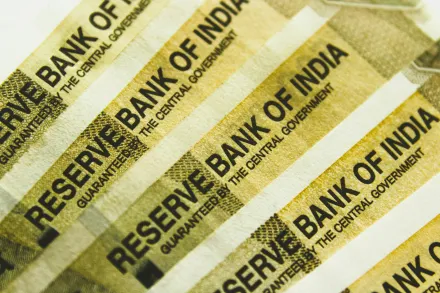
Bank reserves are a foundational concept in modern finance, representing the liquid assets that banks hold to meet day to day obligations, support payment systems, and maintain overall financial stability. These reserves can take the form of physical cash stored in a bank's vault as well as balances that banks keep on deposit at a central bank. The way reserves are managed, measured, and regulated influences how much banks can lend, how quickly money circulates through the economy, and how a country responds to changes in demand for liquidity during periods of stress. Although the phrase “reserves” might evoke a single number or a routine accounting entry, the actual concept encompasses a dynamic framework that interacts with monetary policy, risk management, customer behavior, and the evolving mechanics of payments. To understand bank reserves is to trace the chain from the very first act of saving money to the final settlement of a transaction that touches millions of pockets and businesses every business day.
What are bank reserves
At its core, a bank reserve is the portion of a deposit base that a financial institution is obligated to hold either as cash in its safe and secure vaults or as a deposit kept at the central bank. The central bank serves as the ultimate custodian of a country’s monetary base, and it sets the rules that determine how much of a bank’s deposits must be kept in reserve. In practice, reserves also act as a cushion against unexpected cash demands from customers, such as sudden withdrawals or large payments that must clear promptly. They are essential for maintaining confidence in the banking system because reserves ensure that everyday payment flows can be completed reliably, even when a bank experiences a temporary liquidity lull. While ordinary consumers rarely think about reserves, their presence underwrites the functioning of checking accounts, card payments, wire transfers, and the broader fabric of commerce. A bank that manages its reserves poorly risks liquidity problems, which can ripple outward through the financial system and impact other institutions and the real economy.
How reserve requirements work
Reserve requirements establish the minimum amount of reserves that a bank must hold relative to its deposits or other liabilities. These rules are designed to ensure that banks have enough liquid assets on hand to meet withdrawal demands and to control the money supply through predictable financing conditions. In some jurisdictions, the required reserve ratio is attached to specific categories of liabilities, while in other systems it applies broadly to demand deposits or a broader set of short term liabilities. The central bank may adjust the reserve ratio in response to macroeconomic aims, such as cooling an overheating credit market or supporting liquidity during a recession. In practice, when the reserve ratio is increased, banks must hold more liquidity, which can constrain lending ability and slow the pace of money creation; when it is decreased, banks have more room to deploy funds into loans, securities, or other productive uses. The rules come with layers of complexity, including exemptions for certain types of deposits, the treatment of foreign liabilities, and transitional arrangements as policy shifts occur. The interplay between reserve requirements and other regulatory measures, such as liquidity coverage ratios or capital adequacy standards, creates a comprehensive framework that guides how banks balance safety, profitability, and growth.
Components of reserves
Reserves comprise several distinct components that together form a bank’s liquidity backbone. The most visible element is vault cash, physical notes and coins held within the bank’s premises, ready to meet day to day cash withdrawals. The second component is deposits held at the central bank, which are often used to settle interbank payments and to satisfy regulatory requirements. A third element is the reserve balance that a bank maintains in its account with the central bank, which can earn interest in some monetary systems and can be used to meet settlement obligations during the day’s trading. Unlike ordinary deposits that generate income, reserves are held for liquidity and safety rather than for profit generation. Banks manage these components by balancing the costs of holding cash and the opportunity cost of tying up funds in reserves against the benefits of having prompt access to liquidity and the credibility that comes with a strong liquidity position. The precise mix of vault cash and central bank deposits varies by country, by regulatory regime, and by the specific liquidity profile of each institution.
Roles of central banks
The central bank stands as the supervisor and steward of the monetary system's liquidity. Its roles include providing a secure repository for banks to place their reserves, acting as the lender of last resort during periods of systemic stress, and implementing monetary policy through open market operations and other liquidity facilities. By controlling the supply of reserves and the terms on which they can be borrowed or lent, central banks influence short term interest rates and the overall cost of funds in the economy. The process typically involves short term operations that add or drain reserves from the banking system in a controlled manner, thereby guiding the policy rate toward a target path. Through these mechanisms, the central bank helps to stabilize inflation, support employment, and maintain orderly functioning of payment systems. The relationship between banks and the central bank is foundational for economic resilience because reserves provide the interface between private sector liquidity needs and public sector policy goals.
Impact on lending and money creation
The common intuition that reserves alone determine how much banks can lend is a simplification. In a fractional reserve system, banks can create money by issuing new loans and pricing deposits while maintaining required reserves. The reserve requirement sets a floor for how much liquidity must be held, but actual lending capacity depends on a range of factors, including credit demand, borrower risk, risk management standards, and the availability of wholesale funding. In normal times, banks maintain a mix of reserves, liquid assets, and longer term investments to balance safety with growth. When reserves are plentiful, banks may feel more comfortable extending credit, and when high demand for liquidity emerges, they may tighten lending or adjust interest rates. The link between reserves and money creation is mediated by the behavior of borrowers and lenders, the health of the economy, and the policy stance of the central bank, not by reserves alone. This nuanced view helps explain why simple multipliers can mislead without considering the broader financial ecosystem.
Excess reserves and liquidity
Excess reserves refer to the portion of reserves that exceeds what is strictly required by regulation. Banks may hold large buffers of excess reserves in times of uncertainty, financial stress, or when there is a concern about rapid deposit withdrawals. These additional buffers can influence the velocity of money and the credit channel because they alter incentives for lending and investment. Excess reserves also interact with the interest rate structure set by the central bank; if the central bank pays a positive return on reserves, it can encourage banks to hold more liquidity and reduce the incentive to seek alternative, riskier assets. In periods of crisis, abundant excess reserves can be a stabilizing force, providing ready funding to banks and supporting confidence in payment systems. Conversely, persistent high levels of excess reserves may reflect cautious market conditions or inefficiencies in the transmission of monetary policy to the real economy.
Measurement and reporting
Measuring reserves involves precise accounting of the assets that qualify as reserves and the liabilities against which they are held. Banks report reserve balances, vault cash, and other liquid assets to regulators and central banks on a regular schedule. The data must be reconciled with interbank settlements and payment system records to avoid gaps that could undermine liquidity management or supervisory assessments. In practice, institutions monitor the day to day fluctuations in reserve holdings caused by cash withdrawals, payment processing, and settlement cycles. This monitoring is supported by advanced information systems, risk analytics, and governance processes designed to detect emerging liquidity pressures early. Accurate measurement underpins stress testing, capital planning, and the ability of a bank to meet regulatory expectations under adverse scenarios.
Monetary policy transmission
Reserves are a critical channel through which central banks realize the aims of monetary policy. The level and cost of reserves influence short term interest rates, the pricing of interbank loans, and the willingness of banks to lend to households and businesses. When a central bank conducts open market operations, it injects or drains reserves to steer the policy rate toward its target. The corridor system, standing facilities, and liquidity injections all shape how policy action translates into actual financing conditions in the real economy. The effectiveness of transmission depends on the health of payment systems, the credit environment, and the confidence of financial institutions in the stability of the currency. In this sense, reserves provide both a mechanical and a psychological anchor for monetary policy, guiding expectations and shaping behavior across the banking sector.
Global variations in reserve regimes
Around the world, reserve regimes exhibit a spectrum from explicit reserve requirements to systems with no formal ratio at all. Some jurisdictions maintain specific reserve ratios tied to deposits, while others have eliminated reserve requirements and rely more on interest rate policy and liquidity facilities to regulate banks. In countries with robust capital markets and advanced payment infrastructures, reserve needs may be shaped more by prudential liquidity standards than by strict ratios. In emerging markets, reserve rules often reflect a balance between ensuring stability and preserving lending capacity to support growth. These variations reflect differences in monetary policy frameworks, regulatory history, and the maturity of payment architectures. Across borders, the core objective remains the same: to ensure that banks have sufficient liquidity to honor obligations and to maintain public confidence in the financial system.
Business cycles and reserve behavior
During different phases of the business cycle, banks adjust their reserve posture in response to shifts in deposit flows, loan demand, and market volatility. In expansions, deposit growth can provide ample liquidity, potentially allowing more room for lending without compromising safety. In contractions or periods of heightened uncertainty, banks often increase liquidity holdings, reduce risky exposures, and elevate reserves to guard against sudden withdrawals or disruptions in funding markets. The central bank’s stance can amplify or mitigate these dynamics through policy decisions that influence the attractiveness of holding reserves or the cost of funds. The net effect is a dynamic, context dependent relationship between macroeconomic conditions and the liquidity choices of depository institutions.
Reserves during stress and crisis
In times of financial stress, reserves play a stabilizing role as a reliable backstop that supports the functioning of the payment system and keeps credit flowing to the economy. Central banks may broaden liquidity access, offer emergency facilities, and temporarily relax certain reserve requirements to prevent a liquidity squeeze from spiraling into a broader downturn. Banks benefit from confidence that they can meet customer demands and honor settlements when markets are volatile. The experience of past crises shows that prompt action to ensure reserve adequacy can reduce contagion and shorten the duration of disruptions, underscoring the critical importance of sound liquidity management, robust risk controls, and transparent communication during periods of stress.
Technology and reserve management
The rapid evolution of financial technology has transformed how banks manage reserves. Real time information, cloud based data processing, and sophisticated risk analytics enable more precise forecasting of cash demands and more agile responses to shifting liquidity conditions. Payments modernization and faster settlement cycles create new pressures and opportunities for reserve management, requiring banks to coordinate with central banks through technical channels and access to intraday liquidity facilities. Advanced monitoring allows institutions to optimize the timing of collateral, the sequencing of funding operations, and the allocation of reserves across branches, subsidiaries, and international operations. Technology thus complements prudence, governance, and strategy in the ongoing task of maintaining an effective liquidity posture.
Case studies of reserve management in banks
In practice, banks tailor reserve strategies to their unique mix of liabilities, asset portfolios, and geographic footprint. A large commercial bank might maintain a diversified reserve plan that blends vault cash, central bank deposits, and short term instruments, calibrated to its expected payment volumes and funding needs. A regional bank serving small communities could emphasize quick access to intraday liquidity and reliable settlement services to protect customer confidence. A multinational institution faces additional complexity from cross border funding, currency conversions, and regulatory requirements across jurisdictions, requiring synchronized liquidity dashboards, global contingency funding plans, and clear governance for intraday operations. Across these examples, the discipline of reserve management rests on accurate forecasting, disciplined execution, robust controls, and continuous monitoring of risk indicators that could signal stress or misalignment with policy objectives.
Future trends and challenges
Looking ahead, the landscape of bank reserves is likely to evolve in response to shifts in payments technology, regulatory expectations, and the macroeconomic environment. The adoption of instant payments and real time settlement may increase the necessity for intraday liquidity facilities and more responsive reserve management. Climate risk, cyber threats, and liquidity risk in a more interconnected global system present new dimensions of vulnerability that banks must address through enhanced stress testing and resilient governance. Balancing the desire to support lending with the imperative to preserve stability will require ongoing collaboration between banks, central banks, and oversight bodies, along with continuous improvements in data quality, transparency, and risk communication.
Understanding bank reserves is not merely an academic exercise for financial professionals; it is a practical lens through which customers, businesses, and policymakers can appreciate how money moves, how risk is managed, and how the stability of everyday commerce is maintained. When reserves are well managed, payment systems operate smoothly, panic is avoided, and the credit channel can function more predictably. When reserve levels become misaligned with the realities of deposit inflows, loan demand, or macro shocks, the consequences can ripple through households, firms, and the broader economy. The resilience of a financial system rests in large part on the steady discipline of reserve management, the clarity of policy signals from central banks, and the vigilance of regulators who oversee liquidity and risk.