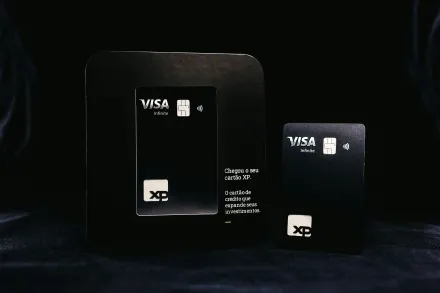
Introduction to virtual debit cards and the evolving landscape of digital money
The concept of a virtual debit card emerges from a broader shift in how people think about money, security, and convenience in a world where most daily transactions happen online or through mobile devices. A virtual debit card is not a physical object you can hold; rather, it is a digital representation of a card number, expiration date, and security code that exists within your digital wallet, payment app, or banking interface. It serves the same fundamental purpose as a traditional debit card: it draws funds directly from your bank account or a linked wallet to pay for goods and services, whether online or in person, depending on the capabilities of the card and the merchant’s acceptance. The appeal of virtual debit cards lies in their ability to create a fresh, easily replaceable payment instrument for each transaction or set of transactions, thereby reducing the exposure of your real account details and providing additional layers of control. In today’s interconnected economy, where e commerce platforms, app-based subscriptions, and contactless payments have become ubiquitous, virtual debit cards offer a practical balance between accessibility and protection. By decoupling the actual account number from the places you shop, these digital cards help merchants process payments without requiring you to share sensitive data repeatedly, which in turn minimizes the risk of card skimming, data breaches, and unauthorized use of your primary card. The emergence of virtual debit cards aligns with broader trends in fintech that emphasize user autonomy, modular financial tools, and on demand security features that adapt to the specifics of each purchase or service arrangement. As people increasingly manage money through smartphones and connected devices, the virtual variant of the traditional card becomes a natural extension of how we organize our financial lives, offering an option that is flexible, trackable, and responsive to shifting spending habits. In practice, a virtual debit card can be activated or generated within minutes, and it can be linked to a bank account much like a physical card, while at the same time enabling more granular controls such as spending limits, merchant restrictions, or one time use for particular transactions. This combination of immediacy, adaptability, and protective design is what differentiates virtual debit cards from their physical counterparts and from other digital payment methods, creating a niche that resonates with online shoppers, frequent travelers, and anyone who values both ease of use and enhanced privacy.
How virtual debit cards work and what makes them technically distinct
At a practical level a virtual debit card resembles a standard payment card in the essential fields that merchants rely on: a card number, an expiration date, a card verification value, and a name associated with the card, all presented within a digital environment. When you request a virtual card through a bank, fintech app, or payment service, the issuer generates a unique card number that is separate from your main account number. This number is used exclusively for the specific purpose or merchant category you designate, and it is typically linked to your underlying bank account or debit balance. The card number may be a one time use code or a short lived token that becomes invalid after a single transaction or after a defined window of time, depending on the policy of the issuer and the nature of the transaction. In some systems the virtual card number can be configured to work only with certain merchants, regions, or payment networks, further reducing exposure to data theft or fraud. The technical foundation of virtual debit cards often rests on secure tokenization and dynamic data exchange. Tokenization means that the actual bank account details are replaced by a surrogate value or token during the payment process, so the merchant never sees your real account number. Dynamic data, such as a rotating CVV or an expiration date that changes with each generation, adds another layer of protection that complicates attempts to reuse stolen card data. Behind the scenes, the settlement flow follows the same channels as regular debit card transactions. The virtual card is authorized in real time, the funds are verified against the linked account, and the merchant receives a confirmation or a denial depending on the available balance and issuer checks. The result is a seamless user experience that mirrors a physical card in function while delivering distinct security and control benefits. Some virtual cards can be used within a digital wallet or a payment platform that supports contactless payments, which means you can present the virtual card in a way that resembles tapping a physical card, but with the added advantage that you do not need to carry a physical piece of plastic at all. The overarching architecture prioritizes compatibility with existing payment networks while enabling programmable features that address modern spending patterns, such as recurring payments, one off enrollments for trial periods, and temporary limits during travel or shopping for specific vendors. This combination of technical design and customer facing features makes virtual debit cards a practical instrument for ordinary purchases as well as for more specialized use cases where control and privacy are valued highly.
Comparing virtual debit cards with physical cards and other digital payment options
When evaluating virtual debit cards alongside traditional physical debit cards, several contrasts emerge that highlight the strengths and limitations of each approach. A physical card offers tangible convenience for in person purchases, a broad acceptance footprint, and a long established infrastructure that merchants support widely. It remains a dependable choice for retail locations that still favor the physical presentation of payment credentials, especially in regions with slower digital adoption or where card readers have limited software integration. Virtual debit cards, by contrast, excel in the realm of online shopping and subscription management. They let you minimize risk by insulating your main card data, enabling per merchant or per transaction control, and sometimes enabling one time use for highly sensitive purchases. This makes them particularly attractive to people who frequently shop across new brands, engage in trial periods, or manage multiple online services that require recurring billing. Another key distinction is the speed and flexibility of creation. Virtual cards can often be generated in moments from a mobile app, with the ability to specify spending limits, expiration dates, and vendor restrictions that suit the user’s current needs. This instantaneous availability is valuable for urgent purchases or for creating a separate card for specific events or travel arrangements. In the landscape of digital wallets and online payments, there are also services that offer virtual representations of existing physical cards. These can tie into the same digital rails as physical cards, but their virtual nature emphasizes privacy, dynamic card numbers, and merchant control without altering the underlying bank relationship. It is also common for virtual cards to be integrated with business expense management tools. Companies may issue virtual cards for employees to handle travel expenses or project based spending, with controls that enforce budgets and prevent provisioning of funds beyond authorized levels. Compared to other digital payment options like bank transfers, card based digital wallets, or wallet to wallet payments, virtual debit cards occupy a middle ground: they are card based, they still settle through card networks, but they offer enhanced customization and risk mitigation features that are not always present in alternative digital payment methods. Users who value the security benefits and the convenience of online management may favor virtual cards for many everyday tasks, while those who prefer the simplicity of a single card for all transactions might still rely primarily on a physical card or a standard digital wallet integration. The choice between these options often depends on the user’s risk tolerance, the types of merchants they frequent, the level of control they desire over spending, and the specific protections offered by their financial institution or payment provider. In a broader sense the ecosystem is not about replacing physical cards but about expanding the set of tools available to handle different spending scenarios more efficiently and securely.
Security, privacy, and control features that virtual debit cards bring to everyday use
The security profile of virtual debit cards centers on reducing exposure to sensitive data and enabling targeted control. A frequently cited advantage is the ability to generate a card number that works only for a single merchant or a single transaction, turning every online purchase into a potentially disposable event. If the merchant’s systems are compromised or a data breach occurs, the stolen virtual card number may be useless for future use because it was tied to a temporary or restricted function. Dynamic CVVs and rotating expiration dates further complicate the job of criminals who rely on static card data for fraud. Beyond this, many issuers allow users to set per transaction spending limits, restrict the card to online or in store use, or deactivate the card at any moment from within the app. This level of granular control makes it easier to keep track of what is authorized and to respond quickly if a card is lost or if an unfamiliar merchant appears on a statement. Privacy benefits arise from the fact that merchants do not receive your real account details, and in many cases they do not even know you are using a virtual card unless the platform reveals that information. In practice this means you can shop with less exposure, and if you manage multiple virtual cards for different purposes, you can reduce the likelihood of broad data collection tied to a single source. It is important to note that while virtual cards can improve privacy and security, they are not a universal shield. Some merchants require a physical card for in store transactions, or they may not support certain card networks where the virtual number is not recognized by their point of sale. In such cases you may need to use the original debit card or another accepted payment method. Nevertheless the protective features of virtual cards are widely appreciated by users who want more control over who has access to their primary account and how that access is used. In addition to these security and privacy characteristics, virtual debit cards frequently integrate with fraud monitoring systems and alert mechanisms. Real time notifications about every charge, the ability to pause or cancel cards instantly, and the option to review historic activity are all part of the suite that comes with many virtual card offerings. This combination of preventive controls and timely visibility empowers users to understand their spending patterns, detect anomalies early, and respond before any damage escalates. For people who manage finances for families or small teams, the ability to set individual cards for each member or project, each with its own limits and expiry, becomes a practical governance tool as well as a security feature. The result is a product that blends technical safeguards with user friendly controls, a pairing that aligns with contemporary expectations for privacy conscious and security minded consumer experiences. It is this cohesive approach that makes virtual debit cards a compelling option as digital identity and payment ecosystems continue to evolve, particularly in an environment where online fraud attempts are persistent and where customer trust is paramount for long term success.
Practical use cases: when a virtual debit card shines
Several everyday scenarios illustrate why someone might choose a virtual debit card rather than a traditional plastic card. Online shopping is perhaps the most straightforward use case. When you are purchasing from unfamiliar retailers or entering new cards for subscription services, a virtual card can be generated specifically for that merchant or service and then discarded after use or limited to a fixed monthly budget. This approach minimizes risk and reduces the chance that a compromised merchant will have access to your main financial instrument. Travel and lodging present another compelling context. Travelers can rely on virtual cards to handle deposits and recurring charges without exposing their main debit details to countless hotels, rental car agencies, or activity providers. Some travelers prefer to generate separate cards for different legs of a trip, thereby isolating potential issues to a single segment while maintaining full access to essential funds for the rest of the journey. Freelancers and remote workers also benefit from the ability to create dedicated virtual cards for client projects. By issuing a different card for each client or campaign, they can track expenses with precision, set spending limits aligned to project budgets, and simplify reimbursement workflows. For households and families the use of virtual cards can streamline allowances and chore based spending. Parents may allocate a per child virtual card with a fixed limit, offering a contained environment for allowances, app purchases, or school related expenses while preserving the integrity of the family budget. Small businesses utilize virtual cards to enforce internal controls and to streamline procurement. Multiple departments or teams can have their own virtual cards, enabling managers to approve or veto purchases in real time, and to generate clear expense reports. In e commerce and software as a service ecosystems, the ability to set up one time or short term virtual cards helps address scenarios where merchants require fresh credentials for a trial or for a limited time deal, reducing the risk of long lasting exposure once the promotion ends. The breadth of these scenarios demonstrates that virtual debit cards are not tied to a single niche; rather they offer a flexible framework that complements a wide range of spending behaviors, from routine online purchases to complex organizational expenses. The real value often lies in the balance between convenience and control: the convenience of rapid card generation, the control of defined limits and merchant restrictions, and the privacy benefit of not repeatedly sharing your primary card data with every vendor you encounter. As users become more adept at deploying these digital instruments, they tend to develop a nuanced approach to which payments are best suited for virtual cards and which still benefit from the mature reliability of traditional payment methods.
Fees, availability, and the geographic reach of virtual debit cards
Fee structures for virtual debit cards vary across providers and can influence the decision to adopt them as a regular payment instrument. Some issuers offer virtual cards at no additional cost beyond the standard banking relationship, whereas others may levy modest fees for premium features such as enhanced spending controls, higher per transaction limits, or the ability to generate multiple cards for a given period. It is not uncommon to encounter tiered offerings where basic virtual cards are included with standard accounts, while advanced features may be bundled with business plans or premium subscriptions. Availability and geographic reach are equally important considerations. In many regions with well established digital banking ecosystems, virtual cards are widely accessible through mainstream banks and popular fintech platforms. In other markets the maturity of digital payments may lag, or regulatory frameworks may impose constraints on how virtual numbers can be issued or utilized. Prospective users should verify compatibility with their local payment networks, the ability to link virtual cards to their existing bank accounts, and the extent to which merchants in their usual shopping domains accept virtual numbers. Beyond general availability there is also the question of ecosystem integration. Some virtual cards work seamlessly with popular digital wallets, while others require direct usage through a bank’s own app or a standalone fintech interface. The presence of robust customer support, documented security practices, and transparent privacy policies is often as important as the transactional terms themselves because these factors determine how smoothly a user can adapt to a new payment tool and what recourse is available if something goes wrong. For individuals who travel across borders, it is helpful to confirm international acceptance and any currency conversion considerations that might apply when spending in a foreign country. Certain virtual card providers may offer multi currency support or favorable exchange rates for card based payments, which can be a practical benefit for travelers or expatriates. In the end the financial cost and geographic footprint of virtual debit cards should be weighed against the value they provide in risk reduction, spending discipline, and adaptability. When combined with thoughtful usage patterns, virtual cards can be a cost effective and strategically sound component of a modern payment toolkit rather than a mere novelty. The decision to use virtual cards therefore rests on a balance of features, fees, acceptance networks, and personal or organizational risk management goals that collectively shape a user’s overall experience and outcomes.
Choosing a provider and getting started with your first virtual debit card
The landscape of virtual card providers is diverse, ranging from traditional banks that extend digital services to fintech startups that specialize in card management and payment orchestration. When selecting a provider, it is wise to consider several dimensions: the level of integration with your existing bank account or debit line, the ease of generating and managing virtual cards, the granularity of controls offered (such as per merchant restrictions and per card spending limits), and the security features that are part of the package, including real time alerts and fraud detection signals. A user should also examine whether the provider supports linking to digital wallets, whether there are options to export transaction history for accounting purposes, and what customer support channels are available for assistance. It is helpful to read independent reviews focusing on user experience, reliability, and how the provider handles data privacy and protection. Getting started typically involves creating an account on the chosen platform, securely authenticating the user, and then navigating to the feature that allows the creation of a virtual card. The process may ask for a designation of spending limits, expiration dates, and merchant eligibility rules. The user then receives a card number that can be used immediately for purchases that match the configured terms. Some platforms also offer an option to generate a card for recurring payments with a fixed schedule, which can simplify subscription management and provide a predictable payment flow. After generation it is prudent to record the card’s details only in the secure environment provided by the platform, and to rely on the platform’s notifications and controls to monitor every use. As with any financial tool there are best practices that help maximize value while reducing risk. These include keeping track of the number of virtual cards in use, retiring cards after a set period or after their intended purpose is completed, and enabling security settings that require a second factor or biometric authentication before a new card can be used. A practical approach to onboarding includes testing a small low value purchase to verify that the card works as expected, and confirming that refunds are routed correctly if the purchase is canceled or reversed. Businesses may adopt a more formal rollout, with policy documents that define who can issue virtual cards, which departments or teams are eligible, and what limits apply to different use cases. In all cases the goal is to integrate virtual cards into daily financial routines in a way that preserves convenience while preserving a strong defense against misuse or data exposure. With careful selection, disciplined usage, and ongoing assessment of the provider’s security posture and feature updates, a virtual debit card can become a reliable pillar of modern digital finance rather than a transient gadget.
Privacy considerations and how to protect yourself when using virtual cards
Privacy in the context of virtual debit cards involves understanding who has access to your data, what data is shared with merchants, and how the card numbers themselves are generated and managed. Reputable issuers typically minimize the exposure of your primary bank details and give you control over what is revealed to merchants. It is common for a virtual card to be accepted by most merchants that support standard card networks, which means you can often enjoy the same purchasing options with enhanced privacy. However privacy does not appear in a vacuum; it must be balanced against convenience, acceptance, and the security features that you choose to activate. One practical approach is to use virtual cards for online transactions with unfamiliar or infrequent vendors and reserve your main debit card for trusted, well established merchants or for in person shopping where you prefer the physical card. Another privacy consideration centers on how much information you share within the digital ecosystem itself. For example some payment apps allow you to attach additional personal profiles or to reveal information such as your location or contact details to merchants. Understanding provider policies about data sharing and opting out of non essential data collection can improve privacy outcomes. Keeping software and applications up to date is another important hygiene practice because updates frequently include improved security measures designed to thwart emerging threats. It is also wise to review transaction histories regularly and to enable alerts for unusual activity, so you are notified immediately if a card is used by a merchant you do not recognize. When traveling, you may choose to temporarily suspend or deactivate cards to prevent misuse if your device is lost or stolen. The combination of proactive settings, careful device hygiene, and mindful merchant interactions helps ensure that the privacy advantages of virtual cards translate into real world protection. The overarching message is that virtual debit cards empower individuals to tailor their spending and data exposure to their personal comfort level while continuing to participate in the digital economy with confidence and ease.
Common questions and considerations about acceptance, refunds, and merchant compatibility
One practical concern people often have is acceptance. While many large merchants and online marketplaces readily accept virtual card numbers, some smaller retailers or point-of sale systems in certain regions may have limitations that render the virtual card ineligible for a transaction. This can occur because a merchant’s payment terminal needs specific card data fields in a particular format or because a merchant’s system has built in restrictions that assume traditional card handling. In many cases, merchants that work well with virtual cards will explicitly advertise support for virtualized cards or for digital wallet entries that route payments via standardized networks. If a card is not accepted at a given merchant, the user can typically switch to another payment method or attempt to generate a new virtual card that conforms to the merchant’s acceptance capabilities. Refunds present another area where virtual cards operate similarly to physical cards. If a purchase is refunded, the credit is usually posted back to the virtual card or to the original linked account depending on the issuer policy and the payment network rules. The speed of refunds can vary based on the merchant, the payment processor, and the issuer’s processing times. It is prudent to retain records of the purchase and the virtual card used until the refund has been confirmed on the statement. In cases where a dispute arises and the merchant disputes the legality of the charge, the process typically follows the same guidelines as traditional card disputes, though the details and timeframes may differ according to the card network and the issuer’s policies. Finally it is important to consider the lifecycle of a virtual card. Some users maintain a small set of permanent virtual cards for regular purchases with trusted vendors, while others prefer to generate new cards for almost every transaction as a habit to maximize privacy and minimize risk. Each approach has tradeoffs in terms of convenience, record keeping, and the cognitive load of tracking multiple card numbers. The important takeaway is that while there are practical considerations around acceptance and refunds, the core functionality and benefits of virtual debit cards remain robust and widely accessible for a broad audience seeking safer, more controllable digital payments. Users who approach these tools with curiosity and a methodical plan are often rewarded with smoother purchases, clearer financial oversight, and fewer surprises in their monthly statements.
Future directions: how virtual debit cards are likely to evolve in the coming years
Looking ahead the trajectory of virtual debit cards is shaped by ongoing innovations in authentication, data security, and policy frameworks designed to safeguard consumers. One likely development is deeper integration with biometric verification and adaptive risk assessment. As mobile devices increasingly rely on strong biometrics or passkeys, the authorization of virtual card transactions may become more seamless while maintaining a high level of security. This could translate into faster checkouts, with confidence that each payment is backed by robust identity verification. Another potential trend is more granular merchant control, enabling users to tailor which vendors can bill them for recurring charges and to adjust these permissions on the fly. This dynamic approach aligns with broader shifts toward programmable money where the user can define behavioral rules for each card or wallet. In parallel the ecosystem may see enhancements in cross border spending and currency handling, allowing virtual cards to function more smoothly for international travelers and for businesses with global supplier networks. Some providers may introduce enhanced analytics features that help users understand spending patterns at a fine grain level, supporting better budgeting and expense management. The regulatory landscape could also influence the evolution of virtual cards. Clearer privacy standards and consumer protection rules may shape how data is stored, shared, and used by card issuers and payment networks, potentially increasing trust and adoption. Developers of fintech platforms could explore deeper interoperability between virtual cards and other financial services, such as loan products, savings under management accounts, or investment platforms, enabling a more integrated financial experience. As merchants continue to adopt new payment technologies and as user expectations grow for speed and security, virtual debit cards have the potential to become a standard feature in many digital wallets, embedded as a default option for certain categories of purchases or travel arrangements. The future of virtual debit cards will likely reflect a blend of usability improvements, stronger protective measures, and an expanding ecosystem that makes digital payment more accessible, more private, and more controllable while preserving the reliability that users rely on in everyday financial life.
Best practices for optimizing your experience with virtual debit cards
To maximize the benefits of virtual debit cards it is useful to adopt a disciplined approach to usage that matches your personal or organizational risk profile. Begin by identifying use cases where virtual cards deliver the most value, such as online shopping with unfamiliar vendors, subscriptions with uncertain terms, or business expenses that require tight control. Establish a routine for creating new cards for high risk transactions while keeping a few stable virtual cards for trusted services, if you choose to maintain them in your workflow. Always configure appropriate limits and expiration settings that align with the purpose of each card, and remember to deactivate or retire a card when its job is done. The importance of monitoring cannot be overstated; enabling instant transaction alerts helps you detect anomalies immediately and respond before issues escalate. Keep your device secure with current software updates and trusted authentication methods, and maintain a robust recovery plan in case you lose access to your device or need to replace your banking credentials. For households and teams consider implementing a governance protocol that defines who can issue virtual cards, how approvals work, and how spending is documented. Proper documentation can ease audits and simplify expense tracking. Finally, stay informed about changes to terms of service, privacy policies, and security recommendations from your issuer because the nature of digital card offerings can evolve with new features, improved fraud protection technologies, and changing market dynamics. By embracing these best practices you position yourself to enjoy the flexibility of virtual debit cards while maintaining a strong defensive posture against risk and misuse, turning a modern payment tool into a steady and trustworthy element of your financial routine.
In summary: what a virtual debit card is and why it matters
A virtual debit card is a digital instrument that mirrors the function of a traditional debit card while offering enhanced flexibility, tighter control, and improved privacy in many contexts. It can be generated quickly, linked to a bank account or digital wallet, and customized with limits, merchant scopes, and expiration dates. The evolution of virtual cards reflects broader ambitions in fintech to decouple payment credentials from the physical form factor and to empower users with more granular control over their financial interactions. For everyday consumers, the practical benefits include safer online shopping, reduced exposure to sensitive data, easier management of subscriptions and one off payments, and the ability to test new merchants with minimal risk. For businesses and professionals, virtual cards support better expense governance, clearer budgeting, and streamlined procurement processes, while still leveraging the familiar card based payment networks. The journey from curiosity to routine use often involves trial and error, learning about provider policies, and discovering the set of tools that best fits one’s lifestyle and risk tolerance. The enduring takeaway is that a virtual debit card is not a replacement for all payments but a complementary instrument that adds a layer of protection, flexibility, and precision to the way we spend in a digital world. As technology evolves and merchants continue to adapt, virtual cards are likely to become even more capable, widely accepted, and tightly integrated into the everyday financial toolkit of individuals and organizations alike.