In today’s households, energy costs can be a persistent line item in the monthly budget. The path to reducing those costs does not rely on a single dramatic change, but rather on a series of well chosen, practical decisions that accumulate over time. By focusing on energy efficiency, homeowners and renters alike can lower bills, reduce environmental impact, and enjoy improved comfort. This article explores a wide range of strategies that start with understanding where energy is used, move through affordable upgrades, and extend into longer term investments that pay for themselves through years of savings. The emphasis is on actionable guidance that can be adopted in stages, leaving room for personal circumstances and local climate conditions to shape the exact steps taken.
Understanding energy use begins with awareness of where heat, cooling, hot water, lighting, and electronics draw power in daily life. Energy is consumed not only by large appliances but also by the way a space is sealed, insulated, and illuminated. A thoughtful approach considers the building envelope, the efficiency of mechanical systems, and the habits of the people living inside. By assessing these components together, a person can identify the most impactful changes rather than chasing transient, low return improvements in isolation. The goal is to build a plan that prioritizes value, reliability, and comfort while staying aligned with budget constraints and climate realities.
One of the most reliable paths to savings involves sealing air leaks and enhancing insulation. The envelope of a home acts as a barrier that keeps heated or cooled air where it should be. When gaps around doors and windows, or insufficient insulation in attics and walls allow air to escape, the heating and cooling systems must work harder to maintain the desired temperatures. This leads to higher energy consumption, uneven indoor temperatures, and drafts that undermine comfort. Addressing these foundational issues often yields immediate benefits in the form of steadier temperatures, reduced drafts, and a more consistent indoor environment, which in turn translates into smaller monthly energy bills and a quieter home atmosphere.
Beyond the envelope, the efficiency of heating, cooling, and water heating systems has a dramatic effect on energy costs. Modern equipment performs the same tasks using less energy, while also offering advanced controls that can optimize operation. Choosing equipment with high efficiency ratings, proper sizing, and compatible ductwork is essential. A system that is too large or poorly matched to the space tends to cycle on and off mid temperature, wasting energy and causing wear. Conversely, a well designed, efficient system, when coupled with good filtration and maintenance, can deliver comfortable temperatures with a noticeably lower energy footprint. The long term benefit comes not just from reduced energy use, but from lower maintenance demands and longer equipment life when proper care is taken.
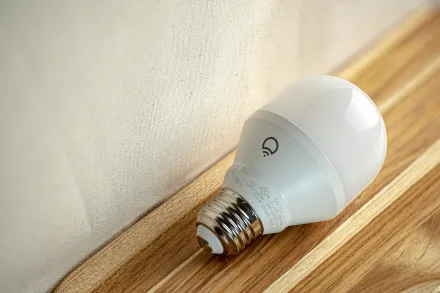
Lighting holds significant, often underappreciated, potential for savings. Lighting accounts for a portion of energy use in many homes, especially when traditional bulbs remain in frequently used fixtures. Modern lighting solutions emphasize energy efficiency without sacrificing brightness or color quality. Light emitting diode bulbs, sometimes accompanied by smart lighting controls, can dramatically lower consumption while maintaining comfortable viewing conditions. Even in rooms that are rarely used, choosing efficient fixtures and avoiding excessive lighting levels can accumulate meaningful savings over the course of a year. The experience of lighting is also linked to mood and productivity, so improvements in efficiency often coincide with enhancements in daily living that extend beyond the electricity bill alone.
Another critical area is the management of hot water, which often accounts for a substantial share of household energy use. Strategies here include reducing standby losses, selecting a water heater with appropriate capacity, and considering systems that heat water more efficiently or on demand when possible. By lowering the temperature slightly, using insulation on the tank and pipes, and scheduling hot water use in a way that minimizes waste, households can realize steady reductions that compound over time. In many homes, these changes are modest in cost but carry meaningful long term benefits in both energy usage and comfort during showers and domestic tasks that require hot water.
Behavioral choices, though seemingly small, interact with the physical efficiency of a building to determine actual energy costs. Simple habits such as turning off lights when leaving a room, using natural daylight when feasible, and setting thermostat schedules that reflect occupancy can deliver energy savings without major investments. When these behaviors are combined with physical upgrades, the result is a more responsive home that wastes less energy and maintains comfort more consistently. The aim is to cultivate routines that align with the home’s design, so energy use reflects actual need rather than habit or forgetfulness. In the process, residents often discover that comfort improvements can accompany cheaper operating costs, making the changes feel like a natural upgrade rather than a burden.
Cost considerations guide every improvement, and the journey toward energy efficiency often involves balancing upfront expenses with longer term savings. A practical approach is to evaluate upgrades through the lens of return on investment, considering both fixed cost and expected energy savings over time. Some enhancements deliver rapid payback, while others contribute to steady savings that accumulate gradually. Evaluating each potential improvement against local energy prices, climate, and existing equipment helps ensure that resources are directed toward changes with the greatest overall impact. In many cases, a staged plan that tackles the most critical inefficiencies first yields the best experience, allowing for funding to be allocated over time without sacrificing comfort or reliability in the short term.
Understanding the Value of Energy Efficiency
The concept of energy efficiency rests on the idea that the cost of energy services can be reduced by using less energy while achieving the same level of comfort and performance. This perspective encourages people to look beyond immediate purchases and to consider the lifecycle impact of each choice. When framed this way, efficiency becomes not only a way to cut bills but also a pathway to increased resilience during extreme weather events or rising utility rates. The value proposition expands to include environmental benefits and the potential for improved indoor air quality, quieter operation, and longer-lasting equipment, all of which contribute to a healthier and more comfortable home. In practice, recognizing the value of energy efficiency means weighing how a proposed upgrade affects energy use, upfront cost, lifecycle maintenance, and the reliability of the system under varying weather conditions. It invites a holistic assessment that keeps the focus on durable, practical improvements rather than quick, isolated fixes.
In climate zones with hot summers and cold winters, envelope improvements and efficient cooling systems often yield the most noticeable savings. In milder climates, the question frequently shifts toward modest insulation upgrades and efficient heating that reduces reliance on mechanical systems while preserving indoor comfort. Regardless of location, an efficient home tends to require less energy to reach and maintain a comfortable environment, which translates into lower bills and less wear on expensive equipment. The ongoing challenge is to find the balance between initial investment and the durability of the outcome, ensuring that each dollar spent contributes meaningfully to long term savings while maintaining or improving living standards. With careful planning, efficiency upgrades become a predictable part of home maintenance rather than a sporadic project undertaken only after a problem arises.
From a financial planning viewpoint, clear documentation of costs and savings strengthens the case for efficiency projects. Recording quotes, warranties, seasonal energy consumption data, and the performance of installed systems creates a trackable record that can justify future upgrades or refinements. By establishing a baseline for energy use and then monitoring the changes after improvements, homeowners can quantify the actual impact rather than relying on general statements about energy savings. This practice also helps in communicating value to other household members, making it easier to align goals and maintain momentum as projects progress. A well documented, methodical approach to efficiency fosters confidence and consistency, which are essential when navigating the often complex landscape of energy incentives, rebates, and contractor recommendations.
Choosing products with strong efficiency ratings often correlates with better performance, lower operating costs, and more lasting satisfaction. The market now offers a broad array of high efficiency options across appliances, heating and cooling equipment, lighting, and building components. While the upfront cost of high efficiency equipment can be higher, the life cycle savings frequently outweigh the initial expense, particularly when combined with warranties and reliable service. Consumers who take the time to compare energy labels, read independent reviews, and verify compatibility with existing systems tend to make choices that yield consistent, measurable benefits. The cumulative effect of such mindful selection is a home that uses energy more thoughtfully, with less waste and greater predictability in monthly bills.
Another important dimension is the resilience gained from efficient choices. A home that uses energy more wisely can perform better during peak demand periods or grid voltage fluctuations. For instance, efficient equipment often maintains temperature and hot water availability with a steadier input, reducing the likelihood of outages or costly emergency fixes during extreme weather. While resilience involves several factors beyond energy use, efficiency plays a central role by decreasing the energy load the home must meet, thereby reducing stress on the utility system and improving the overall reliability of household functions. This resilience translates into peace of mind, particularly for households that rely on electric systems for health or comfort needs.
Smart Budgeting for Efficient Upgrades
An effective budgeting approach for energy efficiency begins with a clear assessment of current conditions, followed by a prioritized list of improvements. A methodical inspection can reveal the most pressing leaks, drafts, or inefficiencies that contribute to high energy bills. By framing upgrades as an integrated plan rather than a series of one off purchases, households can optimize financing, synchronization with seasonal utility pricing, and coordination with contractors. The budget should account not only for the upfront costs but also for maintenance, potential energy rebates, and the schedule for replacements as equipment ages. This comprehensive view ensures that money is spent where it brings the most consistent value over time, rather than being dispersed across marginal gains.
Prioritization often starts with envelope and air sealing projects, which typically offer strong, immediate returns. Fixing the obvious leaks around doors, windows, and penetrations is a practical first step that reduces thermal exchange and stabilizes indoor temperatures. Following sealing, insulation improvements in attics and walls become the next logical target, especially when the climate demands significant heating or cooling. These investments create a solid foundation that makes other upgrades more effective and less costly to operate. In addition, the budgeting framework benefits from an honest appraisal of the home’s occupancy patterns, since spaces that are rarely used may not warrant the same level of expense as frequently used living areas. A well designed plan aligns energy goals with daily life, making changes that fit real habits and needs rather than abstract theories about efficiency.
Cost estimation is a central element of this process. Contractors can provide detailed quotes that itemize materials, labor, and any necessary adjustments to existing systems. A prudent approach is to compare multiple quotes, check references, and verify that proposed work is compatible with local climate conditions and building codes. When possible, selecting products with long warranties can reduce future expenses and provide additional confidence in the decision. Financing options, including low interest loans or utility incentive programs, can further improve the affordability of larger upgrades. In some regions, rebates and tax credits exist for energy efficient installations, which can meaningfully shorten the payback period and increase the overall value of the investment. The goal is to create a financing plan that minimizes disruption and accelerates the return on investment while preserving the household’s comfort and reliability during the improvement process.
Every upgrade should be assessed for its operational impact and usability. A system that delivers savings but complicates daily routines may not sustain long term adoption. For example, a high efficiency thermostat or a smart control system should simplify management of energy use rather than introduce complexity that leads to defaulting to old habits. In practice, the best choices integrate with existing routines and provide intuitive control, enabling household members to participate in energy savings without perceiving a loss of convenience. Achieving this balance requires attention to user experience, documentation, and the ease with which occupants can adjust settings if their schedules change. A thoughtful implementation that respects daily life tends to preserve savings over time, producing a more durable and satisfactory outcome than a more aggressive but disruptive approach.
As the planning progresses, it is helpful to set concrete, measurable targets that inform progress and celebrate milestones. Targets might include lowering average monthly electrical use by a certain percentage, reducing heating degrees in a given season, or achieving a specific annual water heating energy reduction. When progress is tracked, it is easier to identify which strategies are delivering results and which may require refinement. A transparent process also makes it easier to involve other household members, converting energy saving into a shared goal rather than a solitary project. Over time, the discipline of monitoring and adjusting the plan reinforces prudent spending and fosters a culture of efficiency that extends beyond the walls of the home.
In addition to upfront investments, ongoing cost control can be achieved through careful management of maintenance and replacements. Regular servicing of heating and cooling equipment ensures that systems operate at peak efficiency, while routine cleaning and filter changes prevent unnecessary strain. Small, consistent maintenance habits protect a larger capital investment by preserving performance and extending service life. Even seemingly minor tasks, when performed with a regular cadence, contribute to lower energy use and a more reliable home environment. Integrating maintenance into a yearly routine that aligns with seasonal changes helps ensure that savings persist over the long term and that equipment operates within its designed efficiency envelope. This proactive approach reduces emergency repair costs and keeps energy bills predictable and manageable.
Finally, the budgeting strategy should remain adaptable to evolving circumstances. Utility rate structures can change, new efficiency technologies may become available, and the cost of materials can shift with market conditions. A flexible plan that revisits goals, reassesses savings, and updates financing options keeps energy efficiency on a steady trajectory. By maintaining an open, informed perspective and staying connected with reliable information sources, households can continue to extract greater value from their investments over time, even as conditions shift. The outcome is a sustainable approach to housing that respects both financial realities and the desire for a comfortable, well functioning living space.
Insulation and Air Sealing as Foundational Upgrades
Insulation and air sealing are foundational upgrades that set the stage for meaningful energy savings. The goal is to reduce the rate at which heat escapes in winter and enters in summer, thereby diminishing the workload of heating and cooling systems. In many homes, the greatest opportunities lie in the attic, where heat tends to escape most readily through poorly insulated cavities. Upgrading attic insulation to the recommended level for the local climate can dramatically reduce heat flux, preserving indoor temperatures with far less energy input. However, insulation is not a one size fits all solution; the type, depth, and installation quality matter just as much as the amount of material used. A properly installed layer of insulation works in harmony with air sealing to create a more uniform thermal barrier that keeps conditioned air inside and exterior air outside.
Air sealing complements insulation by plugging the routes through which air leaks travel. Common leakage points include gaps around doors, windows, electrical outlets, attic penetrations, and the joints between building components. Addressing these gaps may require weatherstripping, caulking, spray foams, or mechanical sealing approaches in more complex areas. The payoff is substantial: fewer drafts, more stable temperatures, and less demand on heating and cooling equipment. Sealing also reduces moisture infiltration in some cases, which can improve indoor air quality and help preserve the integrity of insulation materials. The process of sealing is often cost effective and can be performed by capable DIY homeowners or skilled contractors, depending on the complexity of the spaces involved. The key is to approach sealing as a system rather than as isolated fixes, ensuring that all major pathways are addressed and that improvements are verified with practical tests such as blower door assessments when appropriate.
When planning insulation upgrades, climate and building type guide the selection. In colder regions, thicker insulation in the attic and walls can yield large savings, while in warmer regions, reflective barriers and ceiling insulation that minimizes radiant heat gain can be particularly effective. Exterior insulation and improvements to the building envelope, such as updating rim joists and sealing around penetrations for plumbing and electrical systems, add further layers of protection against energy loss. The quality of installation is crucial; even the best materials lose value if gaps are left unaddressed or if moisture becomes trapped. A well executed insulation and sealing project creates a robust thermal boundary that holds comfort and reduces energy usage across seasons, making subsequent upgrades more efficient and straightforward to implement.
Beyond the technical aspects, insulation and air sealing contribute to a quieter living environment. By reducing the intrusion of outdoor sounds through the building envelope, these upgrades can enhance perceived comfort as well as energy performance. This additional benefit often improves overall satisfaction with the home, encouraging continued maintenance and prudent energy choices. When combined with prudent thermostat management and efficient equipment, the result is a home that remains comfortable with less energy input, allowing households to enjoy steady temperatures without the discomfort and cost fluctuations associated with less well sealed spaces. In the end, insulation and air sealing form the foundation that supports all other efficiency improvements, ensuring that every future upgrade yields its maximum potential and that energy savings are not undermined by avoidable losses.
Implementation considerations for insulation projects include choosing appropriate materials, ensuring proper ventilation balance, and respecting local building codes. A well designed plan begins with a diagnostic assessment, which may include thermal imaging to identify hidden hotspots and moisture concerns. Material choices vary by climate, budget, and whether the space is new construction or a retrofit. The best outcomes occur when professionals assess the existing wall assemblies, roof structure, and floor systems to determine the most cost effective and durable approach. In many cases, combining insulation upgrades with air sealing provides the fastest and most reliable path to energy savings, especially when the home has visible drafts or persistent cold spots. While the upfront costs are not negligible, the long term reductions in energy expenses can be substantial and steady, providing ongoing financial relief and improved living conditions year after year.
In addition to the physical benefits, proper insulation and sealing contribute to healthier indoor environments. By controlling drafts and reducing moisture movement, these measures can mitigate conditions that foster mold growth or indoor air quality problems. A dry, stable environment also supports better sleep, concentration, and overall wellbeing. The sense of comfort that comes from a well sealed and insulated home is often described as a quiet warmth that makes the space feel more inviting, even when outdoor temperatures are far from ideal. This intangible but real improvement reinforces the value of investing in envelope integrity as a sustainable, long term strategy for reducing energy costs while enhancing everyday life.
For those who plan to undertake sealing and insulation projects, a staged approach can help manage costs and pace the work. Beginning with high impact areas such as the attic, rim joists, and major leaks around doors and windows offers quick wins. Subsequent steps may focus on walls, crawlspaces, and reduce thermal bridging in key structural elements. Throughout the process, it is important to verify performance improvements through simple home testing, such as checking for drafts in suspected areas, monitoring indoor temperatures, and, when possible, consulting with professionals who can perform more formal assessments. This methodical progression ensures that each step builds upon the last, with energy savings compounding over time and the home becoming more resilient against weather extremes. When combined with efficient lighting, heating, and cooling systems, the envelope upgrades contribute to a comprehensive energy strategy that delivers enduring financial and comfort benefits.
Windows, Doors, and Solar-Resistant Design
Windows and doors are critical interfaces between the indoors and outdoors. Even when well insulated otherwise, poorly performing windows can be responsible for substantial heat gain or loss during seasonal transitions. Modern high performance glazing, proper frame materials, and well fitted seals can greatly reduce unwanted energy exchange while preserving natural light and views. In many homes, upgrading windows to double or triple glazing, installing low emissivity coatings, and ensuring airtight installation can yield notable energy savings that improve comfort without sacrificing aesthetics. The choice of window type should consider climate, orientation, shading, and building design, as the goal is to balance passive solar benefits with thermal control throughout the year.
Door performance matters at the same level, especially in areas with frequent temperature fluctuations or strong winds. Solid core doors with weatherstripping, appropriate threshold seals, and careful alignment can prevent air leakage that undermines the efficiency of entire living spaces. In some cases, modest door improvements may provide larger returns than a more expensive window upgrade, particularly if the door is a primary source of drafts. It is also important to consider the placement and operation of doors in relation to exterior shading and sun exposure, as this can influence indoor temperatures and the demand on cooling systems. A careful evaluation of door and window performance helps identify where investments will have the greatest impact on comfort and energy cost reductions.
Solar design and shading strategies extend energy efficiency beyond itons of insulation and glazing. Thoughtful placement of vegetation, exterior shade structures, and architectural elements can reduce heat gain during peak sun hours while allowing beneficial daylight to illuminate interiors. By aligning landscaping with solar patterns, homeowners can take advantage of natural cooling effects and passive heating when appropriate, lowering reliance on mechanical systems. The integration of shading with window performance creates a holistic approach that emphasizes both energy savings and livability. When implemented well, these strategies contribute to a more comfortable, visually appealing home that consumes less energy and remains resilient through seasonal transitions.
Another aspect of window and door efficiency is the consideration of frames and glass treatments designed to minimize thermal bridging and reduce conduction. The frame materials, the spacer systems between panes, and the installation method all influence the overall U-factor and solar heat gain coefficient. While premium materials may carry higher upfront costs, the reduced energy use over time can justify the investment, especially in climate zones with extreme temperatures. It is important to approach replacements with a long term perspective, recognizing that the window or door is a part of the building envelope that will impact energy performance for decades. A well chosen set of windows and doors should deliver a comfortable interior environment, a reduction in energy bills, and a visual harmony with the architectural style of the home, creating a lasting return on the initial expenditure.
For those who prefer preserving older structures or avoiding major renovations, there are still meaningful energy savings to be had with treatment of existing windows. Weatherization strategies such as adding storm windows, door sweeps, and properly applied sealants can improve performance without a full replacement. Coordinating these approaches with smart thermostats and efficient heating systems can yield a combined effect that approaches the savings of upgrades, particularly in retrofits where budget constraints limit the scope of work. The key is to pursue upgrades that maximize comfort and energy efficiency while maintaining the character and function of the home. Even incremental changes, when implemented consistently, contribute to a more efficient living environment and a stable financial outlook over time.
In all cases, the best outcomes arise from an integrated view of energy efficiency. Windows and doors should not be considered in isolation, but as components of a larger strategy that includes envelope integrity, insulation, shading, and mechanical systems. When these pieces work together, homes achieve calmer temperatures, quieter operation, and lower energy costs across the seasons. The result is a home that is more comfortable to live in, with measurable savings that improve year after year.
Efficient Heating and Cooling Systems
Heating and cooling systems represent a major portion of residential energy consumption. The efficiency of these systems depends on equipment design, proper sizing, refrigerant management, and compatibility with ductwork or distribution networks. A modern, efficient system can deliver the same level of comfort with markedly lower energy use, improving both monthly expenses and long term reliability. The first step in improving HVAC efficiency is to evaluate the current equipment and determine whether it is appropriately sized for the space. An oversized system wastes energy through short cycling and poor humidity control, while an undersized system struggles to achieve comfortable temperatures, leading to extended run times and higher energy consumption. A professional assessment can identify whether a replacement, repair, or adjustment will provide the best return on investment.
Heat pumps, including air source and ground source variants, offer a compelling path to energy savings for many homes. They transfer heat rather than generate it, providing efficient heating in winter and cooling in summer. In moderate to cold climates, heat pumps with supplemental heating may provide excellent comfort and efficiency while enabling significant reductions in electricity use compared with traditional furnaces. In hot climates, heat pumps can deliver high efficiency cooling with comparable or better performance than conventional air conditioning units, especially when paired with properly insulated spaces and well managed distribution systems. The key is to consider the climate, electricity rates, and the total cost of ownership when evaluating heat pump options. Additionally, ensuring that the heat pump is properly sized, installed, and maintained is essential to achieving the promised energy savings.
Another essential element of efficient heating and cooling is the distribution system. Ductwork that leaks or has poorly designed airflow reduces system efficiency by forcing the equipment to work harder. Duct sealing and, when necessary, duct redesign help ensure that conditioned air reaches living spaces with minimal loss. In homes without ducted systems, radiant heating or cooling solutions and well insulated thermal envelopes can deliver comfort with low energy use. The goal is a balanced system where heat or cool air is delivered efficiently and evenly, with controls that reflect occupancy and usage patterns. Smart thermostats play a crucial role here by enabling precise temperature management and enabling adjustments that align with daily routines, reducing energy waste without sacrificing comfort. Regular maintenance, including filter changes and refrigerant checks, ensures that systems continue to operate at peak efficiency over time.
Energy efficiency also involves selecting system features that maximize performance without unnecessary complexity. Zoning, programmable thermostats, and properly calibrated sensors allow households to tailor energy use to actual needs, avoiding energy spent on cooling or heating unoccupied spaces. When these features are integrated with high efficiency equipment and a well sealed envelope, the combined effect can be substantial. The best outcomes come from a thoughtful design that respects both comfort and energy costs, ensuring that the system performs reliably across seasons while delivering consistent savings. As with any major investment, a careful cost-benefit analysis helps determine the most sensible choice for a given home and local climate, balancing upfront cost, expected savings, and the value of improved indoor conditions.
Maintenance remains a critical factor in sustaining efficiency gains. Regular service ensures that components operate within design parameters, refrigerant levels remain correct, and electrical connections stay secure. A well maintained system is not only more energy efficient but also more dependable, reducing the likelihood of disruptive breakdowns. Seasonal maintenance routines, including pre heating or cooling checks, align with the natural cycle of energy demand and help homeowners stay ahead of performance issues. In many cases, a simple maintenance schedule yields significant savings by preventing gradual efficiency declines that would otherwise erode the benefits of a well chosen system. The combination of correct sizing, high efficiency, smart controls, and consistent care creates an HVAC system that serves a home reliably while minimizing energy costs over its lifespan.
Finally, the decision to upgrade or replace a heating and cooling system should consider the broader energy landscape. Electric rates, climate trends, and the availability of incentives can shift the relative value of different technologies. A well informed plan accounts for these external factors, leveraging rebates and incentives when available to accelerate the return on investment. It also encourages ongoing education, as new products and standards continue to emerge. By staying informed and making deliberate, measured choices, households can build a resilient, energy efficient climate control system that delivers comfort, reliability, and meaningful financial savings across many years.
Appliances and Electronics That Save Energy
Appliances and electronics are everyday tools that blend convenience with energy use. The efficiency of these devices varies widely, making it worthwhile to compare models and choose options that minimize energy consumption while delivering the required performance. Energy star rated products provide a reliable starting point, signaling that the device has met established efficiency standards. When possible, selecting appliances that align with actual usage patterns helps ensure that the savings are realized in daily life rather than as theoretical estimates. Advanced models may include features that automate power management, optimize cycles, and minimize idle consumption, all of which contribute to lower energy use without sacrificing functionality.
Standby power, sometimes called vampire power, is an often overlooked source of energy waste. Electronics that draw power even when not actively in use can accumulate a surprising amount of energy use over the course of a year. Using power strips, smart outlets, or timely unplugging of devices can dramatically reduce this draw. The savings from reducing standby energy can be surprisingly meaningful when multiplied across many devices in a household. It is not uncommon for standby power to account for a few hundred kilowatt hours annually in larger homes, translating into measurable cost reductions and a smaller environmental footprint. By being mindful of which devices are left in standby mode and by using automated control options, households can curb unnecessary consumption with minimal effort.
Another practical approach is to prioritize high impact appliances and ensure they are appropriately sized for the household’s needs. For example, choosing a refrigerator with smaller footprint but adequate capacity for the household reduces energy use while maintaining daily function. Clothes washers and dishwashers that offer efficient cycles can deliver substantial savings, particularly in households that run these appliances frequently. When selecting these products, it is helpful to review energy consumption data for typical loads, understand the cycle times, and consider whether speed or energy efficiency is more valuable given household schedules. In many cases, a modest up front premium for a more efficient model yields a favorable payback through reduced operating costs over several years.
Maintenance and care for appliances play a significant role in sustaining efficiency. Cleaning coils on a refrigerator, descaling a dishwasher, and routinely cleaning lint filters in dryers can preserve performance and prevent unnecessary energy use. Replacing worn gaskets and ensuring seals remain tight on refrigerators and freezers helps minimize energy loss by reducing the amount of warm air entering the cold compartments. Regular maintenance is not merely about extending the life of devices; it is about ensuring they continue to operate at the energy efficiency levels that justified their purchase. A disciplined approach to appliance upkeep contributes to consistent savings and a reliable, comfortable home environment.
In addition to replacements and maintenance, timing the use of certain appliances can yield savings. Running washers, dryers, and dishwashers during off-peak hours in regions with time of use pricing can reduce energy costs by aligning usage with lower electricity rates. This practice does not necessarily require sophisticated scheduling; simply batching loads to run during available off-peak windows can provide noticeable savings. For homes embedded in smart energy ecosystems, automatic scheduling and load shifting features can take the guesswork out of optimizing energy use, further enhancing savings without compromising convenience. The combination of choosing efficient models, performing regular maintenance, and smartly scheduling usage forms a practical framework for controlling energy costs associated with household appliances and electronics.
Screen devices, computers, and home entertainment systems contribute to energy use in ways that may not be immediately obvious. Modern electronics often offer power saving modes, automatic brightness controls, and adaptive performance features that adjust energy use in response to activity levels. Usage patterns can be optimized by enabling these modes and by turning off devices when they are not actively in use. In families with heavy multimedia consumption, selecting efficient displays with low standby losses, enabling energy saving settings, and employing smart power management can yield meaningful savings over the life of the devices. This approach supports both the environmental objectives of energy efficiency and the everyday desire for high quality entertainment experiences, demonstrating that savings and enjoyment can coexist when equipment is chosen and managed thoughtfully.
The overarching message for appliances and electronics is to combine prudent purchasing with mindful usage. By prioritizing efficiency in the most frequently used devices, and by adopting habits that minimize idle energy draw, households can realize ongoing savings that accumulate across the year. The result is a home that is comfortable, capable, and economically prudent, supporting a more sustainable lifestyle without sacrificing convenience or performance. This balanced approach to appliances and electronics reflects a broader, enduring commitment to energy efficiency as a practical habit rather than a one time project.
Lighting and Daylighting Strategies
Lighting represents a straightforward route to energy savings with a clear payoff. Traditional incandescent bulbs give way to modern, efficient lighting technologies that deliver the same or better brightness at a fraction of energy cost. Light emitting diodes offer long lifespans and lower heat output, reducing both electricity usage and internal temperatures that the cooling system must counteract. When selecting lighting, a combination of task lighting and ambient lighting can enhance both energy efficiency and the quality of the living space. Thoughtful placement of light sources and the use of dimmers or layered lighting enable precise control that prevents over lighting a room, which is a common source of unnecessary energy expenditure in many homes.
Daylighting is a powerful, low energy strategy that leverages natural light to illuminate interiors during daytime hours. Architectural design decisions such as window placement, skylights, and open layouts allow daylight to reach deeper into living spaces, reducing the need for artificial lighting. Effective daylighting considers not only the presence of light but its distribution and quality, ensuring that spaces remain comfortable and functional while still benefiting from natural illumination. The integration of daylighting with window efficiency and shading strategies can maximize comfort by balancing glare, heat gain, and light levels throughout the day and across seasons. By embracing daylighting, households can enjoy a more pleasant living environment and lower energy bills during daytime use.
Energy efficient lighting also supports healthier, more comfortable environments. The quality of light affects mood, productivity, and general well being. Modern lighting products offer a spectrum of color temperatures and rendering capabilities that can be matched to different tasks and room functions. The ability to adjust lighting according to time of day, activity, and natural light conditions helps minimize energy use while preserving or enhancing the visual experience. A well designed lighting plan integrates with other efficiency measures, creating a cohesive system that reduces waste, improves comfort, and supports sustainable living. By combining efficient fixtures with daylighting and smart controls, homes achieve a level of performance that harmonizes energy savings with quality of life.
Lighting upgrades are often one of the most cost effective improvements. The simplicity of replacing bulbs and installing efficient fixtures translates into rapid payback in many cases, especially when coupled with timely maintenance and occupant engagement. The potential for savings increases when occupants are encouraged to adopt scheduling, dimming, and occupancy sensing where appropriate. As with other energy efficiency strategies, the best results come from an integrated approach that blends technology, design, and behavior. Through careful planning and execution, lighting improvements can deliver reliable energy savings while enhancing the aesthetics, ambiance, and functionality of living spaces.
Beyond the energy considerations, lighting choices influence the perceived size and mood of a room. Warm or cool light can change how we experience spaces, affecting comfort and satisfaction. When energy efficiency is aligned with a thoughtful design approach, rooms can become more inviting and functional while consuming less power. The combined effect is a more economical and pleasant environment that supports everyday life, work, and social activities. The overarching takeaway is clear: good lighting is not merely about brightness, but about optimizing energy use in a way that enhances quality of life as much as it reduces cost.
In practice, an effective lighting strategy includes a mix of bright, efficient fixtures for main tasks and softer, energy efficient accents for ambiance. It also considers the natural rhythm of daylight and the opportunities to adjust lighting with sensors or timers. When used in concert with window design, shading, and temperature control, efficient lighting reinforces a broader energy strategy that sustains savings during both peak and off-peak periods. The result is a home that feels bright and welcoming, with energy use that aligns with real needs rather than habit or outdated standards. The cumulative savings from modern lighting practices are tangible and enduring, contributing meaningfully to a household’s overall energy performance and financial health.
Daylighting and efficient lighting are complemented by ongoing maintenance and upgrades. Replacing aging fixtures, repairing or replacing damaged reflectors, and ensuring natural light is not obstructed by overgrown vegetation all contribute to maintaining the benefits of daylighting. As with other energy saving measures, ongoing attention to lighting supports long term efficiency by preserving the quality and effectiveness of the installed systems. A thoughtful approach to lighting recognizes that energy efficiency is a living practice, one that evolves with improvements in technology and shifts in personal preferences, while continuing to deliver practical savings and improved everyday comfort.
Water Heating Efficiency
Water heating is a significant energy user in many homes, and improving its efficiency can yield substantial savings with relatively modest investments. A fundamental step is to evaluate the water heater’s size and condition, ensuring it matches the household’s needs. Oversized water heaters consume more energy and generate unnecessary standby losses, while undersized units may struggle to meet demand, leading to inefficient operation and frequent cycling. An appropriately sized system balances capacity with daily usage, producing consistent hot water while minimizing energy waste. In some cases, replacing an aging unit with a more efficient model can deliver immediate savings and improved reliability, especially when paired with proper insulation and efficient controls.
Insulating hot water pipes is a simple, low-cost measure that reduces heat loss as water travels from the heater to taps and appliances. Pipe insulation helps prevent the energy that warms water in the tank from dissipating before it reaches its destination, which translates into lower energy use and faster hot water delivery. For households with longer pipe runs, the savings can be meaningful, particularly in colder climates where heat loss is more pronounced. Insulation is a small change that yields a tangible return, reinforcing the value of addressing even seemingly minor components within the water heating system.
When selecting a water heating solution, options include traditional tank systems, high efficiency tankless units, and heat pump water heaters. Tankless models heat water on demand, which can reduce standby losses and improve overall efficiency, but they may have higher upfront costs and require careful installation to deliver consistent flow. Heat pump water heaters extract heat from the surrounding air to heat water and can deliver dramatic energy savings in many homes, especially where electricity is the primary energy source. Each option has tradeoffs related to installation cost, space requirements, and climate compatibility. A methodical comparison of energy use, hot water needs, and available incentives helps identify the best fit for a given household and climate condition.
In addition to choosing a more efficient water heating technology, homeowners can adopt habits that reduce hot water consumption. Simple actions such as shortening showers, washing clothes in colder cycles, and using full loads for dishwashers and laundry can reduce demand without compromising everyday comfort. Pairing these behavioral changes with improved insulation, efficient equipment, and smart controls creates a comprehensive strategy that sustains savings over time. The combined effect of equipment upgrades and mindful usage is a resilient, energy efficient water heating system that supports both financial goals and daily life demands.
In some markets, incentives and rebates are available for upgrading to more efficient water heating solutions, which can shorten the payback period and boost overall value. It is wise to explore available programs and consult with professionals who can help navigate eligibility requirements and application processes. When combined with proper maintenance and a well chosen system, these opportunities enhance the economic attractiveness of water heating improvements, making it more accessible and beneficial to households pursuing long term energy savings without sacrificing comfort or convenience.
Ultimately, water heating efficiency forms an essential part of a broader energy strategy. By selecting efficient equipment, improving insulation, adopting sensible usage habits, and leveraging incentives, households can realize meaningful energy reductions that translate into lower bills and more sustainable living. The process emphasizes practical, repeatable actions that can be tailored to a family’s needs and the home’s configuration, creating a durable framework for ongoing savings and improved comfort across the year.
Smart Technology and Behavior Change
Smart technology offers tools that empower households to use energy more intelligently. Programmable and learning thermostats, occupancy sensors, and connected devices enable precise control over heating, cooling, lighting, and appliance use. The core idea is to align energy consumption with actual need, rather than relying on static schedules or manual adjustments. When these technologies are implemented thoughtfully, they reduce waste by responding to changes in occupancy, weather, and individual preferences while maintaining a comfortable environment. The result is a more responsive home that saves energy without requiring constant input from occupants.
Behavioral changes remain integral even in the presence of smart devices. Technology can guide and automate energy savings, but human choices determine long term outcomes. Simple adjustments, such as warming or cooling spaces only when they are in use, reducing the use of high energy appliances during peak hours, and setting reasonable temperature ranges, can yield significant reductions in energy spend. A culture of awareness about energy use helps household members understand the impact of their actions and motivates ongoing participation in efficiency efforts. In this way, technology and behavior reinforce each other, creating a self reinforcing loop that fosters sustained energy savings without sacrificing daily comfort or convenience.
Smart meters and utility dashboards provide real time feedback that helps households understand how energy flows through the home. Visual cues, trend charts, and consumption breakdowns enable informed decision making about when and where to adjust settings or schedule usage. Access to this information supports accountability, as families can observe how changes in routines translate into financial rewards. The sense of control that comes from understanding energy patterns often encourages continued participation in efficiency practices, since the benefits are visible and tangible. When combined with well designed controls and reliable equipment, smart technology becomes a powerful multiplier for energy savings, turning deliberate choices into measurable outcomes.
Beyond thermostats and dashboards, smart devices can coordinate with each other to optimize energy performance. For instance, smart plugs can limit the load of energy hungry devices during peak demand times, while intelligent cooling systems coordinate with weather data to minimize unnecessary cooling. This level of coordination reduces overall energy usage while maintaining the level of comfort that households expect. Implementing such a system requires careful setup, attention to compatibility, and sometimes professional assistance to ensure that devices operate reliably and securely. With proper configuration, a smart energy ecosystem offers ongoing opportunities for savings that adapt to the changing needs of a household and the evolving energy landscape.
Education is a lasting element of behavior change. Even as devices automate routine decisions, households benefit from understanding the basic principles of energy use. When residents know how their choices affect bills, they are more likely to make decisions that align with long term goals. This knowledge also supports better maintenance practices, since a homeowner who understands energy use is more likely to notice anomalies, call for service when appropriate, and adopt proactive strategies that maintain efficiency gains. In this way, smart technology and informed behavior form a synergy that sustains energy savings and enhances overall home performance over time.
Finally, consideration of privacy and security is important as households adopt more connected devices. A thoughtful approach weighs the benefits of convenience against potential risks, ensuring that devices are secured with updates and strong credentials. Responsible use of smart technology involves selecting reputable brands, applying best practices for device management, and staying informed about privacy protections. When these concerns are addressed, households can embrace the advantages of smart energy management with confidence, achieving ongoing savings without compromising security or peace of mind. In the end, smart technology and responsible behavior create a robust framework for energy efficiency that supports both financial goals and everyday living.
Renewable Energy Options and Net Savings
Renewable energy options extend the potential for savings beyond efficiency alone, offering a way to reduce or offset energy costs through local generation. Solar photovoltaic systems are the most common choice for households seeking to produce electricity on site, and they have matured into reliable, widely accessible technology. A well designed solar installation can produce a meaningful portion of a home’s annual electricity needs, lowering net energy consumption from the grid and reducing electricity bills. The specific amount of savings depends on factors such as system size, orientation, shading, and local solar incentives. By evaluating these elements, homeowners can estimate the payback period and potential return on investment for a solar project in their region.
In addition to generation, solar water heating and small scale wind or microhydro options may also contribute to energy cost reductions in appropriate settings. Solar water heating can provide hot water with minimal electrical input, particularly in sunny climates, complementing traditional water heaters and further lowering energy use. Each renewable option carries its own set of considerations, from upfront costs to maintenance needs and space requirements. A careful assessment of local climate, incentives, permit requirements, and available service networks helps determine which combination of technologies aligns with the household’s goals and budget. In many cases, a hybrid approach that pairs efficiency improvements with one or more renewable energy solutions yields the strongest overall savings and resilience.
Financing renewable energy projects often involves leveraging incentives, rebates, tax credits, and favorable loan terms. Government programs, utility company offerings, and local incentives can dramatically reduce the upfront expenditure and shorten the payback period. It is important to navigate these opportunities with accurate information and professional advice to maximize value. A well planned project also accounts for ongoing maintenance costs, system monitoring, and potential changes in energy prices over time. By weighing a range of scenarios and performing careful financial analysis, households can estimate lifetime savings and determine whether the investment aligns with their long term financial and environmental objectives.
Net metering arrangements, where available, allow households to earn credits for surplus electricity fed back into the grid. This can enhance the economics of a solar installation by translating excess production into tangible savings during times when energy use is highest. The specifics of net metering policies vary by region, so understanding the local framework is crucial. Even in areas without net metering, solar generation can still offer meaningful benefits through reduced energy purchases from the grid and greater energy independence. Evaluating all these factors helps households determine the most appropriate renewable energy strategy, one that complements efficiency measures and strengthens overall energy resilience while delivering steady, predictable savings over time.
It is important to balance the enthusiasm for renewable energy with practical considerations such as space, structural integrity, and local climate. A professional assessment helps determine whether a particular system is well suited to the home and whether grid interconnection is feasible and beneficial. When done thoughtfully, renewable energy projects can provide long term benefits that extend beyond energy savings to include energy security, increased property value, and a sense of contribution toward a cleaner energy future. The strategic combination of energy efficiency and renewable generation creates a powerful framework for reducing operating costs while supporting environmental stewardship in a tangible, measurable way.
In the broader context, energy efficiency and renewables form a complementary partnership. Efficiency reduces the amount of energy required, while renewable generation reduces the portion drawn from the grid. Together, they create a resilient, cost effective energy solution that adapts to changing conditions and energy prices. People who adopt this integrated approach often experience greater stability in their monthly costs and more predictable energy bills, which can be especially valuable in regions with volatile retail rates or growing demand. With careful planning, informed decisions, and prudent investment, households can enjoy lasting savings, increased comfort, and a sense of empowerment in managing their energy future.
As part of planning for renewables, attention to local regulations, permitting, and installation standards ensures that projects proceed smoothly and comply with safety requirements. Selecting experienced professionals for the design and installation helps guarantee that the system is safe, efficient, and reliable. A well executed project aligns with local codes, utility policies, and financing options, making it easier to access incentives and maximize benefits. The net result is a durable energy solution that reduces operating costs, supports environmental goals, and contributes to a more sustainable, self sufficient home environment that can adapt to future energy market dynamics with greater resilience.
Ultimately, renewable energy options can be an important component of a comprehensive energy strategy. When combined with envelope improvements, efficient equipment, smart controls, and mindful usage, renewables help households achieve substantial and sustained energy savings. The most successful plans treat energy as a integrated resource, one that can be managed through a combination of technology, behavior, and financial considerations. By embracing this holistic approach, homeowners can realize tangible financial benefits while contributing to a broader effort to reduce greenhouse gas emissions and enhance the resilience of their homes in a changing energy landscape.
Maintenance and Longevity for Long-Term Savings
Maintenance is the quiet engine behind lasting energy savings. Regular upkeep ensures that equipment operates at its designed efficiency, prevents unexpected failures, and extends the lifespan of major systems. A maintenance schedule that aligns with seasonal demands helps ensure that heating and cooling systems, water heaters, and appliances perform reliably when they are needed most. Routine tasks such as changing filters, inspecting seals and ductwork, and cleaning components can yield meaningful energy savings by maintaining proper airflow, heat transfer, and electrical efficiency. The cumulative effect of consistent maintenance is a home that remains comfortable, safe, and financially prudent over many years.
Preventive maintenance also reduces the risk of expensive, energy draining malfunctions. For example, a neglected furnace may gradually lose efficiency or suffer from performance degradation that causes higher fuel use or electricity consumption. A well maintained system is less likely to waste energy or require excessive operational cycles. Regularly inspecting insulation, air sealing, and window performance helps maintain the intended energy performance of the home and avoids backsliding into older, less efficient conditions. In many cases, small investments in maintenance yield outsized returns by preserving the efficiency gains achieved through other upgrades and ensuring continued comfort.
Another important aspect is the lifecycle planning for major components. Equipment such as HVAC systems, water heaters, and high efficiency appliances has a finite lifespan, and replacements will eventually be necessary. Planning ahead for these replacements allows households to time upgrades to maximize savings and minimize disruption. Anticipating when a component is nearing the end of its life enables proactive budgeting and reduces the likelihood of energy inefficiency at the moment of failure. A thoughtful lifecycle plan helps maintain a steady trajectory of savings and keeps a home performing optimally across seasons and years.
Maintenance culture extends beyond mechanical systems to include the building envelope, lighting, and electrical infrastructure. Regularly inspecting seals around windows and doors, replacing weatherstripping as it wears, and ensuring adequate attic ventilation contribute to the long read stability of energy performance. Lighting and control systems also benefit from periodic evaluation to confirm they remain aligned with current usage and occupancy patterns. This ongoing stewardship reinforces the energy savings achieved through earlier upgrades and ensures that the home continues to operate within its efficient design envelope. The result is a durable, comfortable home that sustains savings, reduces maintenance surprises, and remains resilient as energy needs evolve over time.
Finally, education and awareness play a vital role in sustaining energy efficiency. Understanding why certain upgrades were chosen, how to operate controls effectively, and how to recognize signs of inefficiency empowers households to protect their investment. Sharing this knowledge within the home helps ensure that everyone participates in the energy saving effort, turning equipment and design features into practical habits. When residents understand the rationale behind efficiency measures, they are more likely to maintain and cherish the improvements, helping to preserve energy savings for the long term and reinforcing a shared commitment to responsible energy use that benefits both the family and the broader community.