Overview: The intersection of art and blockchain
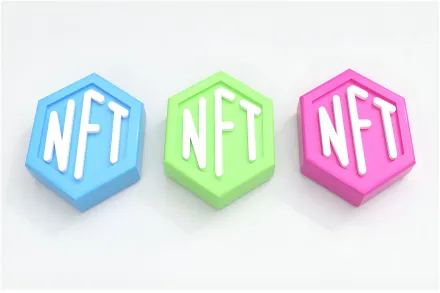
In the last decade digital art has shifted from a purely visual pursuit into a dynamic interface of technology, finance, and storytelling, and non-fungible tokens have become a central instrument in that shift. An NFT, in plain terms, is a unique digital certificate that lives on a blockchain and confirms ownership or provenance of a specific asset. For artists, this paradigm offers a way to register scarcity, track history, and attach programmable terms to a work that can travel across networks and communities with minimal frictions that used to make such portability difficult.
What makes this development so striking is not merely the existence of a notarized digital file but the promise of a persistent, auditable relationship among creator, token, and audience. The token acts as a beacon that leads curious collectors to a story, a lineage, and a set of rights that are defined in code as well as in contract language. As artists experiment with these tools, they discover that the NFT space rewards clarity, consistency, and a willingness to engage audiences who want to participate in a living artistic project rather than own a static image locked behind a paywall.
Artists are often drawn to NFTs because they unlock a multi-dimensional conversation around authorship, ownership, and economic possibility. The digital canvas expands beyond pixels and frames into a field where scarcity can exist without a physical limit, where a work can convene communities, and where a creator can curate experiences rather than merely display an object. This shift invites a recalibration of practice, where making art is paired with designing an encounter, a set of permissions, and a trackable history that can endure beyond the lifespan of any single gallery or marketplace.
The Creation Process: From concept to minted token
The journey from concept to minted token begins with intent and a choice of representation. A visual artist may produce a high resolution image, an animated sequence, or a generative design encoded to produce variations. The next step involves packaging the project with metadata that travels with the token: title, description, creator information, edition size, and any unlockable content promised to holders. The metadata is stored in a way that can be retrieved by wallets and marketplaces to display a coherent record of the work across different platforms.
Minting is the act of placing the work onto the blockchain as a new token. This requires an account on a wallet and a decision about which network to use, because different blockchains have different economies and environmental profiles. Artists often consider gas costs, which are fees paid to transaction validators, and may time drops to periods of lower demand. A few artists also explore layer two solutions or alternative chains that offer cheaper minting while maintaining the security and immutability that buyers expect from a certified token.
Alongside the technical steps, practical choices shape the final token. The file format selected for the artwork, whether it is a static image, a looping video, a high fidelity audio piece, or a generative seed that produces a family of outcomes, determines how a collector experiences the work in different contexts. The storage decision matters as well; some creators embed data directly in the token, while others rely on decentralized storage or a pointer to an external host. Each route has implications for permanence, accessibility, and the breadth of platforms that can render the piece effectively.
Royalties, provenance, and ongoing relationships
One of the most celebrated features of NFT smart contracts is the possibility of royalties that persist across resales. An artist can set a percentage so that every future sale automatically pays them a share. This creates a continuous economic link between creator and market that does not depend on a secondary market with complicated licensing agreements. The practical effect is a long tail revenue stream that aligns incentives and reinforces a creator's ongoing relationship with their audience while also enabling collectors to support the artist over time.
Beyond money, NFTs encode a narrative of provenance that can be as important as the artwork itself. The blockchain provides an auditable history: who minted the token, who has owned it, and when transfers occurred. For collectors, this transparency reduces risks associated with counterfeit or misrepresented works and can increase confidence in buying and holding. For artists, it creates a public ledger that complements the studio diary, allowing someone to trace the evolution of a project from initial sketch to final token in a structured and verifiable way.
Many artists experiment with editions that multiply the number of tokens for a single concept, or with one of one items that retain a rare aura. Editions can be dynamic, with different colorways or frames chosen by the owner, and they can be coupled with unlockable content that only becomes accessible when the buyer holds the token. Unlockables might include high resolution files, private tutorials, or access to collaborative events. The result is a layered experience where the artwork is not merely a static image but a vessel for ongoing interaction and value creation.
Marketplace ecology: platforms, discoverability, and the social layer
Marketplaces act as bridges that connect artists, collectors, curators, and institutions. They provide interfaces to mint, list, and sell tokens, as well as tools to display artwork and communicate terms. Each platform has its own culture, fee structure, and supported networks, which affects how a project performs in terms of discoverability and sale velocity. Artists often test multiple venues, collaborating with curators and communities to reach audiences that align with the themes of their work while maintaining autonomy over licensing and display rights.
Beyond the storefront, the social dynamics around drops and communities matter just as much as the art itself. Where a traditional gallery once curated a fixed display, NFT projects often unfold as living platforms where feedback, collaboration, and iteration can influence future outputs. A successful drop might hinge on transparent timelines, clear terms, and a respectful dialogue with participants who contribute ideas, code, or performance to the evolving project. In that sense, the marketplace becomes a stage for ongoing artistic development rather than a single transactional moment.
Community building is not a side channel; it is a core aspect of many NFT practices. Artists cultivate spaces where collectors can engage with work in progress, suggest variants, or vote on future directions. The dynamic is not simply financial; it is relational. When a project nurtures trust and shared authorship, it often finds a durable audience that supports experimentation, mentors newcomers, and sustains the work through fluctuations in the market.
Collaboration, cross-media, and the expanding creative toolkit
Collaborations in the NFT space often cross disciplines, blending visual art with music, coding, and performance. A musician can accompany a visual piece with a soundtrack that changes with the token’s state, or a coder can contribute generative rules that alter the artwork when ownership transfers. These collaborations tend to rely on modular contracts and shared metadata so that each participant retains credit and a portion of royalties. In some cases, artists invite fans to participate in the creation of variants, turning the audience into co creators in ways that were not possible in traditional galleries.
The toolkit for NFT art is expanding as new technologies emerge. Tools for generative art, programmable visuals, and on-chain data that informs aesthetic decisions allow artists to craft experiences that adapt to time, audience choice, or external events. This adaptability invites a broader conversation about authorship and collaboration, where the line between creator and curator becomes increasingly porous and the token serves as a living manifest of collective imagination.
Incorporating motion, sound, and interactive elements requires careful planning around accessibility and accessibility. Artists think about how a piece reads on different devices, how metadata scales as viewers remix or reuse the content, and how to ensure the token remains legible across wallets and interfaces as technologies evolve. The result is a durable practice that treats the NFT as a framework for ongoing experimentation rather than a one-off artifact perched on a shelf of digital curiosities.
Technical considerations: governance, standards, and scalability
Technical literacy becomes part of an artist's practice when working with NFTs. Understanding token standards, such as how metadata is embedded and how royalties are encoded into contracts, helps ensure that the work behaves predictably across platforms. Different networks offer different trade-offs between speed, cost, and decentralization, and artists who choose a chain must consider how those decisions affect long term accessibility and compatibility with future upgrades. The ecosystem rewards creators who document decisions and maintain clarity about where the token genuinely resides.
Gas fees and network congestion influence not only the price of minting but the fairness of access for fans who want to participate in a drop. This has led some artists to experiment with alternative chains that offer lower costs or to coordinate timed releases with community calendars to minimize friction. The technical choices, when openly discussed with the audience, become part of the project’s ethos, reinforcing a sense of transparency that mirrors the authenticity valued in the art itself.
Storage strategies also shape resilience. A token might carry data on chain or point to decentralized storage that preserves the work independently of a single website or server. Each approach has implications for longevity, resilience to link rot, and the user experience when displaying the work years later. Artists carefully balance immediacy, performance, and durability, crafting a technical plan that serves the narrative of the artwork without sacrificing artistic intent or user accessibility.
Ethics, environment, and responsible practice
Environmental concerns have been a persistent thread in discussions about NFT art. Critics highlight energy usage and the carbon footprints of some networks, while proponents emphasize progress toward more sustainable models and layer two scaling solutions. Independent artists often weigh trade offs between accessibility, cost, and ecological responsibility, choosing networks that align with their values or offsetting impacts through charitable contributions or community initiatives. The ethical dimension becomes an integral part of a project’s story and its reception within a diverse audience.
Beyond energy considerations, ethical questions arise around ownership, representation, and consent. When a work references communities or uses data sourced from collaborators, artists must navigate consent, credit, and fair compensation. Clear licensing terms, transparent credit lines, and explicit rights for reuse in appropriate contexts help avoid misunderstandings and build trust with participants who contribute to the art’s creation or dissemination. The space thrives when creators treat collaborators as coauthors and observers as participants rather than mere consumers.
The conversation around ethics also touches on accessibility. Projects that invite broad participation and provide inclusive pricing or scholarship drops can widen the circle of engagement. By deliberately asking who can participate and how, artists foster a more dynamic ecosystem in which the work is judged by its quality and its openness as much as by its market performance. In this way, NFT practice becomes a laboratory for responsible experimentation within a rapidly evolving digital culture.
Case studies and the arc of notable projects
Successful projects often blend poetic intent with technical rigor, creating experiences that endure as the ecosystem matures. A number of landmark drops demonstrated how a single token could trigger a system of related works, additional rewards, or participation in a larger universe. The narratives around such projects emphasize community guidelines, transparent timelines, and fair access. Artists who have proved durable often cultivate a distinct voice that transcends a single medium, ensuring their NFT practice can travel with them into new collaborations and evolving platforms rather than being confined to a single moment in a volatile market.
Across the space, certain figures have helped crystallize what it means for an NFT artwork to function as more than a collectible. Their work often weaves together image, sound, and interactivity, showcasing how tokenized pieces can become gateways to immersive experiences, participatory events, and ongoing dialog with audiences. These case studies illustrate a broader pattern: when an artist pairs urgency of concept with reliability in delivery, the resulting project earns trust and circulates within a community that values experimentation and integrity over hype alone.
Another recurring theme is the way collaborations expand the scope of a single token. When a visual artist partners with a musician or a coder, the token embodies multiple languages and disciplines. The contract then ensures that each party receives appropriate recognition and compensation, while fans enjoy a multisensory encounter. This cross pollination yields a richer, more resilient practice, where the NFT acts as a node in a network of creative relationships rather than a standalone artifact in a catalog.
Future-facing ideas: interactivity, rights, and long-term stewardship
Generative art, adaptive metadata, and programmable ownership point toward an exciting frontier where the token acts like a seed that grows with time. Some artists create pieces that evolve through our interactions, others craft tokens that unlock new layers or performances as viewers engage. This creates a living archive where an artwork becomes more than the moment of sale and becomes a collaborative process between creator, token, and community. The potential crosses disciplines, inviting technologists, musicians, designers, and writers to contribute within a shared framework that respects consent, credit, and sustainable creation.
Rights management remains a central question as the space scales. Clarity about what the buyer can do with the token’s content, whether reproduction rights are granted, and how derivative works are treated helps set expectations and stabilizes the ecosystem. Smart contracts can encode nuanced permissions, giving creators a way to protect core aspects of their practice while inviting responsible reuse that respects the integrity of the original work. This balance between openness and protection is a defining challenge for artists who want to reach broad audiences without surrendering control over their craft.
Looking ahead, communities increasingly explore interactivity that extends beyond display. Projects may offer fan-driven curation, collaborative generation of new artworks, or live performances anchored by tokens. Such possibilities redefine what it means to own art in a digital era, turning ownership into participation and turning participation into a form of authorship that remains legible across platforms and through time. The art landscape that emerges from these experiments is less about monopoly and more about shared imagination that can endure amid rapid technological change.
Getting started: education, onboarding, and practical steps
For newcomers, the learning curve can be steep, but it also offers a doorway to understanding how digital provenance works. Getting started involves choosing a wallet, securing private keys, and understanding the basics of gas fees and token standards. It also requires a mindset that values patience, careful research, and a willingness to engage with communities with a critical eye. Artists who guide newcomers through transparent drop processes and clear licensing terms set a standard that helps demystify the space and invites broader participation without sacrificing artistic integrity.
Practical onboarding often begins with small, well documented drops that explain the token’s terms, the rights conveyed, and the steps collectors should take to protect their assets. Educational resources, community mentorship, and open dialogue around technical choices contribute to a healthier ecosystem where artists can experiment with less fear of miscommunication or mispricing. When artists model clear expectations, they invite curious beginners to approach NFT practice with the same seriousness and care that characterize long-standing artistic disciplines.
Security matters as much as creativity because a token is only as reliable as the supporting infrastructure. Artists teach collectors to recognize legitimate launches, verify token data, and avoid sharing sensitive information. Best practices include using reputable marketplaces, keeping wallets offline when not in use, and understanding how to revoke permissions granted to third party apps. By prioritizing security and honest communication, creators can reduce risk and focus on producing work that resonates across communities that value trust and long term stewardship of digital art.
Closing perspectives: a landscape in motion
As institutions and individuals continue to explore native NFT programs, the lines between traditional practice and blockchain enabled art blur in productive ways. Galleries may host digital shows with tokenized editions, libraries could tokenize research outputs, and universities might commission works that unfold in real time as communities participate. The breakthrough is not simply a new sales channel but a rethinking of what an artwork can be when its value is extended through ownership, permission, and ongoing dialogue. In this evolving field, the strongest projects are those that maintain a clear artistic vision while embracing the collaborative potential of networks that connect creators and audiences around the globe.