How to Recover a Lost Wallet (and When It’s Impossible)


Understanding the scope of the problem and the different kinds of wallets
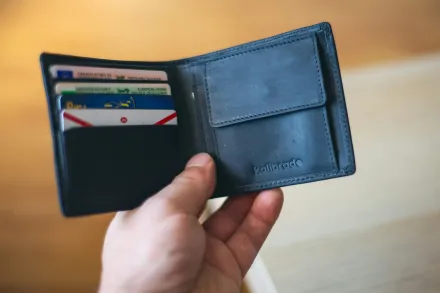
When people say they have lost a wallet, the emotional reaction often includes frustration, panic, and a sharp awareness of how many everyday systems rely on a small physical object that holds critical items. The word wallet can refer to several distinct realities. It can describe a physical container that carries currency, identification documents, credit or debit cards, and sometimes keys or a note with important contacts. It can also denote a digital wallet, which is a software or hardware storehouse for payment credentials, digital keys, and access tokens that enable purchasing, authentication, and access to private online services. In addition to these two broad categories, there are subcategories such as a hybrid wallet that mixes physical and digital elements, or specialized wallets used for loyalty programs and memberships. The experience of loss is not uniform, because the consequences depend on what exactly was inside, how the items are protected, and what backups exist for the critical credentials. In practice, a lost physical wallet might prompt immediate practical steps to reclaim cards and IDs, while a lost digital wallet often requires technical awareness about private keys, seed phrases, and device security. The core challenge in all cases is preserving safety and minimizing risk, while maximizing the chance of recovering or replacing essential items without exposing sensitive information in the process. You may need to act quickly yet carefully, because time can be a factor not only in finding the wallet but also in preventing misuse of the items once they are out of your possession. The journey from a lost wallet to restoration or replacement involves a sequence of stages that blend practical logistics, personal identity protection, and a careful assessment of what can be recovered and what cannot be recovered. A clear understanding of the differences between physical and digital wallets, and between immediate recovery actions and longer term safeguards, lays an important foundation for making informed decisions as you navigate the complexities of loss and recovery, or the grim reality that some items cannot be recovered even with the best efforts and the best luck. In this expansive landscape, the goal of this guide is to illuminate practical steps, explain common pitfalls, and outline a framework for evaluating options in a way that preserves security, reduces risk, and helps you regain control as swiftly and safely as possible, whether you are dealing with a pocket full of cards, a newly misplaced device, or a missing private key that guards your digital assets. The broader purpose is not merely to describe a sequence of actions but to foster a mindset of proactive protection, responsible reporting, and deliberate decision making even in stressful moments, so that you emerge with a clearer path forward and fewer lingering uncertainties after the initial shock wears off. The topic encompasses cautionary tales and best practices, and it invites you to think about both what you have until now considered indispensable and what you would be willing to replace or reconfigure to ensure resilience in the future. In the end, you want a comprehensive preparedness approach that helps you respond effectively the moment you realize a wallet is missing, while also setting up safeguards that reduce the chance of repeated losses and the potential damage if another loss occurs later on.
First principles: assess the situation and separate realities from myths
The most productive starting point is to separate the situation into discrete realities rather than allowing fear to fuse together every possible risk into one overwhelming scenario. Start by determining whether you have actually misplaced the physical wallet, whether it was stolen, or whether you suspect digital credentials were compromised due to a device loss or data breach. With a physical wallet, the first priority is to prevent fraud by acting on cards and personal data, but with a digital wallet, the priority shifts toward securing access, safeguarding private keys, and ensuring that uncompromised backups exist or can be created quickly. If you cannot locate the wallet within a short window, you need to consider the potential exposure to loss of value and the possibility that someone else might gain access to your accounts or use your identity. It is essential to acknowledge that not all items can be recovered, and not every situation will end with a triumphant restoration. Some losses are permanent, especially in the digital realm where private keys, seed phrases, or recovery phrases may have been physically destroyed, lost, or stolen and are not recoverable without the original backups. Yet many losses can be mitigated with a disciplined approach that emphasizes rapid reporting, comprehensive credential revocation, and careful reconstruction of your financial and digital presence. When you begin the assessment, you should also consider what backstops you have in place, such as backup copies of essential documents, secure password management, and the ability to communicate effectively with institutions and authorities. A careful appraisal helps you decide on a sequence of actions that protects your accounts, protects your identity, and preserves your financial security while you set about recovering or replacing the missing items. It also helps you gauge the probability of success in various recovery routes, which is crucial in a situation where emotions can otherwise drive you toward impulsive, high-risk decisions that might cause further harm. In this light, the process becomes not merely a list of steps but a disciplined approach to risk management in the face of uncertainty.
Immediate steps you should take the moment you realize a wallet is missing
The immediate response to a missing wallet demands both speed and prudence. For a physical wallet, you should first identify what items are irreplaceable in the near term and which items can be canceled or protected. The quickest action is to contact your bank or credit card issuers to report the loss and to request card freezes or replacements. This prevents new charges from being approved while you continue to search for the wallet, and it reduces the window during which a thief could attempt fraudulent transactions. If you carry multiple cards, you might opt to block all cards through a single contact line or to request temporary holds on accounts until you verify which cards remain in service. In parallel, it is wise to contact the issuer of any drivers’ licenses or government IDs to understand the process for temporary replacements or to discuss whether a duplicate can be issued promptly. You may also consider notifying local law enforcement about the loss if you suspect theft, especially if sensitive documents or items were inside. A police report can be essential for insurance claims, identity protection, and restoration of critical documents later on. For items with physical security features, such as a driver’s license, a passport, or a social security card, you should understand the rules for replacement, the fees involved, and the time it will take to obtain new credentials. If you have any loyalty cards or memberships saved in your wallet, you should consider which of these can be recalled or replaced and whether their loss could expose you to misuse if someone else uses them. For a digital wallet, the immediate actions include securing the device, blocking or revoking access tokens, and ensuring that cloud-synchronized credentials are reset or signaled to require reauthorization. If the digital wallet is linked to a hardware device or a smartphone, you must assess whether you can sign out remotely, wipe the device if necessary, or disconnect the device from your accounts to prevent unauthorized transactions. In all cases, making a rapid inventory of what was in the wallet will be invaluable for the steps that come next. In addition, it is prudent to notify any institutions that rely on biometric data or other secure credentials that a risk of exposure is present, so they can monitor for unusual activity and take proactive steps to detect fraud. Such proactive communication reduces the likelihood that a malicious actor will succeed by exploiting the period between loss and replacement. Finally, you should begin thinking about backups and replacements, not only as a response to this incident but as a proactive framework that will reduce the impact of future losses. This may include securing backup copies of key documents, using a password manager for digital credentials so that you do not have to rely on memory or on an insecure pattern of note-taking, and ensuring that you have a trusted means of contacting your financial institutions and authorities in times of need.
Physical wallet recovery: where to start and how to maximize your chances
Recovering a physical wallet often hinges on a combination of persistence, methodical search, and contacting the appropriate institutions and establishments. A practical starting point is to retrace your steps from the current location back through places you have recently visited. This can include stores, offices, restaurants, and transit hubs, where someone might have turned in a lost item or where your wallet might have been left behind. If you are in a large city, you can call or visit the customer service desks or lost-and-found departments at locations you recall visiting, and you may find that the wallet was turned in and logged with a time-stamped description. It is important to provide a concise but precise description of the wallet’s appearance and contents so staff can identify it quickly. In parallel, you should monitor nearby public spaces such as transit stations and public gathering points where the wallet might have been dropped, but you must not disclose highly sensitive information to strangers or unverified sources. If the wallet is not recovered within a short time, you should broaden the search to include all drawing areas of your city and consider notifying local community centers or police precincts that you may be missing an item. An essential step is to call your bank and report the loss of cards contained in the wallet; you can ask for rapid replacement or freezing of those cards to prevent unauthorized use. It is also wise to check with your employer if work-related IDs or access badges were inside the wallet and to request temporary access measures or reissuing credentials if needed. For the physical identity documents, you must be mindful of identity theft risks and the steps necessary to replace such documents. The process for replacing a driver’s license, passport, or social security card differs by jurisdiction, but a typical path involves contacting the relevant government agency to initiate a replacement request, providing proof of identity, and sometimes presenting the police report if theft is suspected. As you move through the process, you should maintain a detailed record of all actions taken, including dates, names of persons spoken with, reference numbers, and any confirmation numbers received. This record will be valuable when you navigate disputes, replacements, or insurance claims later on. In parallel, you might want to consider setting up credit monitoring or a temporary freeze on credit reports to reduce the risk of identity theft stemming from the loss of personal information that may have been included in the wallet. The combination of a careful search, timely communication with financial institutions, and a well-documented trail of events often yields the best chance of recovering a physical wallet or, at the very least, quickly replacing essential items and reducing risk going forward.
Digital wallet recovery: keys, seeds, and the line between possibility and impossibility
The landscape of digital wallets introduces a fundamentally different set of challenges and opportunities. A digital wallet may contain private keys, seed phrases, recovery phrases, or cryptographic credentials that provide access to accounts and holdings. The moment you realize a device or wallet has gone missing, you should take steps to secure every connected service. If you still have access to the recovery phrase or seed phrase, your best option is to restore your wallet on a trusted device in a secure environment, then migrate assets to new addresses or new seed phrases that are generated on an uncompromised system. If you do not have access to a recovery phrase or seed phrase because you were careless with backups, the situation is far more precarious. In most cases, if you lose the original seed phrase and there are no reliable backups, recovery of the wallet's control becomes extremely difficult, if not impossible. In such a scenario, you should immediately contact any exchanges or platforms where you hold funds to understand their policy for movement of assets and to set up the necessary security measures to prevent unauthorized withdrawals. If you still own the device that housed the wallet but it is lost, you should determine whether you can wipe the device remotely, revoke access tokens, and enforce strong authentication across all linked services. If you recover the device or replace it, you should not reuse the same seed phrase, private key, or recovery data; you should instead create a new secure wallet and securely transfer assets to new addresses. In the world of hardware wallets, the presence of a physical device often offers a path to recovery that software wallets do not, but even hardware wallets rely on backup seeds and secure storage of recovery phrases. If a recovery phrase is compromised or lost, the risk of theft remains high, and the only viable remedy is a new wallet with a new seed phrase combined with moving all funds to the new protected environment. It is critical to recognize that the anatomy of a digital wallet emphasizes the line between recoverable access and irreversible loss. The best practice is to maintain multiple layers of backup, perhaps in different physical locations, while ensuring that the backups are protected with strong encryption and never stored in easily accessible places. You should also consider enabling additional security features such as passphrases, two factor authentication on exchanges, and hardware-backed storage wherever possible. The potential for recovery hinges on the presence of a backup strategy and the ability to reconstruct the private keys or seed phrases that control the assets. Without a reliable backup, a digital wallet may be irrecoverable, and the losses could be permanent. Nonetheless, even in the bleakest scenarios, there can be a path to partial recovery through cooperation with platforms, careful forensics of access logs, and the possibility that a third party had indexing information about your wallet and is willing to assist in the recovery process. The bottom line is that digital wallet losses can be mitigated to the extent that backups exist and are protected, while the absence of backup data often pushes recovery into a realm where only future prevention remains, and where you must accept that certain digital assets may become inaccessible.
How to report, coordinate, and document for recovery and protection
Effective reporting and documentation create an indispensable bridge between the moment of loss and the long arc of recovery. For a physical wallet, reporting the loss to the right institutions should be your next practical move, including banks, credit unions, card issuers, and government agencies that issue identity documents. A clear, concise, and thorough report helps to expedite replacements and reduces the risk that fraudulent activity will go unnoticed. For a digital wallet, reporting to the platforms that oversee your accounts is crucial, especially if there is a risk of unauthorized access or attempts to drain funds. You should provide them with the details you have, including dates and times when the loss was noticed, devices that were used to access the accounts, and any alerts you observed. It is important to document every contact you have, including who you spoke with, the outcomes of those conversations, and any reference numbers or case IDs. This record will be invaluable if there are later disputes, insurance claims, or follow-up actions. Documenting does not end with reporting; you should also create a manifest of the items that were in the wallet, such as account numbers, card numbers, and any critical personal identifiers, while avoiding the exposure of sensitive data in unsecured channels. Instead, use a secure method to log the information, and share it with trusted professionals through encrypted channels if necessary. In addition, you should consider speaking to a financial advisor or a consumer protection expert who can guide you through the nuances of identity theft protections, credit monitoring, and the replacement processes for the various items involved. This approach helps you concentrate your efforts where they are most needed and ensures your actions are aligned with the rules and policies of the institutions involved. By combining timely reporting with careful documentation and professional guidance, you create an environment in which recovery efforts can proceed with clarity and accountability, even in the face of complexity and stress. The pursuit of recovery becomes a collaborative process that leverages the strengths of your support network and the formal channels designed to assist in these situations.
Communicating with institutions and authorities when a wallet is missing
Clear communication with institutions and authorities is a cornerstone of effective recovery. Banks and card issuers have established processes for lost or stolen cards, but the speed and success of those processes depend on how well you convey essential information. When you contact them, describe your situation succinctly, provide any required account identifiers without exposing sensitive data in insecure environments, and follow their instructions for temporary holds, card replacements, or security freezes. Police and law enforcement can play a crucial role when theft is suspected or when a wallet contains items with significant personal value or risk of identity theft. If you have filed a police report, make sure you obtain the report number and keep a copy for your records, because it can support insurance claims and the restoration of some documents. When you reach out to government agencies responsible for identity documents, such as the department that issues driver’s licenses or passports, you should understand the replacement timelines, the costs, and the documentation required to obtain new credentials. Government processes often differ between jurisdictions, and you might have to present a combination of identity verification, proof of residence, and a report of loss. Digital platforms will have their own procedures for freezing accounts, revoking access tokens, and initiating new account protections. Following these procedures precisely reduces the likelihood of delays and increases the chances that your accounts remain secure. Throughout this process, maintain a calm and persistent approach. You should keep track of every step, confirm receipt of requests, and be ready to follow up if you do not receive timely responses. This approach reduces the friction that can accompany bureaucratic processes and helps you maintain momentum toward secure restoration and replacement. The practical effect is that you turn a potentially chaotic situation into a structured operation that relies on the predictable routines of professionals who handle these issues every day. The outcome you seek is not merely the restoration of items but the reestablishment of a secure and trusted financial and digital environment that you can rely on moving forward.
Protecting yourself from fraud while you search and replace
Fraud prevention is not a one time task but a continuous discipline that accompanies the entire life cycle of loss and recovery. While you search for the wallet, you should assume that sensitive information could be exposed and act accordingly. Freeze or alert your credit files to prevent new accounts from being opened in your name without your knowledge. It can be wise to place fraud alerts with major credit reporting agencies so that any new credit checks require additional verification. Monitor your bank, credit card, and investment accounts for unfamiliar transactions and report them promptly. If you lose a digital wallet, be vigilant for phishing attempts that try to exploit your fear and confusion by impersonating your financial institutions or asking you to reveal your recovery phrases. Do not click links or provide sensitive data in response to unsolicited messages. If you recover the wallet or gain back access to your accounts, you should immediately revoke any compromised credentials, update passwords, and enable stronger authentication methods for all critical services. Consider adopting a layer of security that includes two factor authentication, hardware security keys for sensitive accounts, and device-level protections such as biometric locks, screen lock timeouts, and automatic data encryption. In addition, you should review your insurance coverage if loss and theft are insurable events and determine whether you can claim reimbursements for replacements or fraud losses. Practicing proactive fraud protection reduces the damage from a loss and accelerates your overall recovery by limiting the number of new problems that can arise after the incident. It also shifts the emphasis from reactive damage control to a proactive posture that minimizes risk and fosters confidence as you rebuild your financial and digital life.
Preventive measures to reduce future losses and strengthen resilience
Prevention is, in many ways, the most effective form of recovery. If your goal is to minimize the impact of any future losses, you should invest in a multi layer of protections that cover both physical and digital realms. On the physical side, consider distributing essential backups to trusted locations so that a single loss does not erase all access to key documents and cards. Store copies of important items in secure, separate places and ensure that these backups are protected against unauthorized access through encryption or other protections. For digital resilience, a robust password strategy is indispensable. Use a password manager to store strong, unique passwords for every service, and avoid reusing passwords across sites. Maintain regular backups of critical digital wallets and private keys in secure offline environments, such as hardware wallets with protected seed phrases stored in separate physical locations. It is also wise to enable monitoring services that alert you to unusual access patterns or unauthorized login attempts and to set up automatic alerts for any large or unusual transactions. Another preventive measure is to minimize what you carry every day. Only carry what you need, and avoid bulky wallets that make you an easy target for theft. If you do carry sensitive documents, consider concealing them in an inside pocket or a compartment that is not easily accessible to others. You should also develop a rapid response plan that covers both physical loss and digital compromise. This plan might include a checklist of actions to take, the contact information for the institutions you must reach, and the steps you will take to secure devices and accounts. Practicing this plan periodically with a trusted partner or family member helps reduce hesitation when the moment of loss arrives and makes the set of actions feel familiar rather than chaotic. Finally, cultivate a culture of keeping your identity and possessions secure by integrating security habits into daily routines. The cumulative effect of these practices is a significantly reduced probability of enduring long lasting harm from a single loss, and a greatly improved ability to navigate through the recovery process if a loss does occur.
When recovery is truly impossible: recognizing the limits and choosing your path forward
Despite the best efforts, certain losses are effectively irreversible, especially in the digital realm where private keys and seed phrases are the keys to access and control. If you lose a recovery phrase and have no backup, and if no other recovery mechanism exists, the control of the assets may be permanently lost. In such cases, what remains is to minimize further harm by ensuring that any connected services are secured and that you do not attempt to guess or reconstruct passwords in unsafe environments. The impossibility of recovery does not imply a dead end; it signals a transition to a new equilibrium in which you rebuild with new credentials, replace lost items, and put in place stronger safeguards to prevent a similar failure in the future. In a physical sense, if a wallet containing highly personal items is lost and cannot be recovered, you still have options for replacing those items, such as obtaining new authorities, new cards, and new documentation, but the emotional and practical energy required to reconstitute identity can be substantial. The key is to accept the reality with a clear plan for next steps, including a refreshed personal inventory of what matters most, and to channel your efforts toward building a more secure environment that guards against recurrence. Even in cases of irreversible loss, you can craft a resilient path forward by focusing on replacement, prevention, and the learning that comes from crisis. You may discover new strategies that reduce risk in everyday life, such as adopting digital security tools, adjusting financial habits, and cultivating a mindset that values prompt reporting and verification. In this sense, loss becomes a learning opportunity that strengthens your ability to manage risk and to protect what matters most in a more informed way. The ultimate objective is to reduce anxiety and restore agency, even when the original items cannot be recovered.
Rebuilding and moving forward: the practical steps after recovery or replacement
Whether you have recovered a wallet, recovered access to digital assets, or completed replacements for essential documents, the journey continues with rebuilding the structure of your daily life and the safeguards that will prevent a similar incident from derailing you again. Begin by cataloging the replacements you have secured and setting up a new routine for monitoring the security of your accounts. Update contact information where necessary so that institutions can reach you quickly if suspicious activity arises. Replace any lost or compromised items with new versions that incorporate stronger security features and more robust verification processes. In addition, you should consider reconstructing your personal file system to ensure that critical IDs and backups are organized in a way that makes retrieval straightforward in the future, should you experience similar stress again. It is also a good moment to reach out to trusted friends or family for support, as navigating loss and replacement can be emotionally taxing and having a reliable support network can make a meaningful difference. The experience may also inspire you to educate others about the importance of proactive security, share best practices, and contribute to a community of people who are prepared to respond effectively to loss. The long term aim is to transform a potentially destabilizing event into a catalyst for strengthened security habits, improved risk awareness, and a more deliberate approach to managing both physical possessions and digital identities. This transformation makes it more likely that you will recover from future losses with greater ease and confidence, and that you will be less vulnerable to repeated threats as you move forward into a more secure and prepared life.