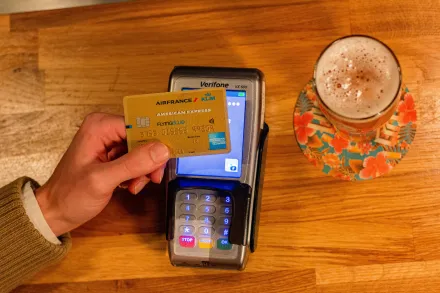
In today’s fast moving economy the way people carry and use money has become an ongoing experiment in convenience, speed, and security. Digital wallets and traditional payment cards stand as two pillars of modern commerce, each with strengths that fit different contexts, risk profiles, and consumer habits. To understand how they compare we must look beyond the surface features of contactless taps and magnetic stripes and dive into the underlying technologies, governance structures, and user experiences that shape everyday spending. Digital wallets represent a software layer that can hold multiple payment methods, loyalty programs, and even secure credentials in a single interface, while traditional payment cards remain enduring instruments issued by banks that rely on established networks to route funds, authenticate holders, and settle transactions. The conversation between these two options is not about a winner and a loser but about a spectrum of capabilities that merchants, consumers, and regulators navigate as technology evolves, preferences shift, and new payment scenarios emerge.
Historical context and the evolution of payments
To appreciate the present dynamic it helps to recall how payments have evolved over decades. Physical cash offered anonymity and immediacy but carried the risk of loss; paper checks provided a traceable mechanism that required clearing time; card systems introduced speed, convenience, and the ability to transact in a broader set of environments. The mid twentieth century saw the rise of payment cards with magnetic stripes, which were later supplemented by embedded chips to reduce fraud and enable offline verification through cryptographic keys. The turn of the century brought near field communication and contactless technologies, enabling quick taps at point of sale and eroding the friction that used to accompany card-present transactions. In parallel, the internet created a demand for online payments and later for wallet-based experiences that could unify payment credentials with identity, loyalty, and offers. The arc of this history is still being written as new forms of digital money and interoperable ecosystems push traditional boundaries of how, where, and when money changes hands.
How digital wallets operate within modern ecosystems
At a high level a digital wallet is a software container that securely stores payment credentials and other data, then presents a user interface that simplifies selection, authorization, and reconciliation. Behind the scenes tokenization replaces sensitive card numbers with surrogate values that can be transmitted safely over networks, reducing the exposure of real account details. Some wallets rely on secure elements embedded in devices or on trusted execution environments within the operating system, while others use cloud-based token vaults synchronized across devices. The authentication experience can blend something you know (a password), something you have (the device), and something you are (biometrics such as fingerprint or facial recognition). When a user initiates a payment, the wallet may prompt for biometric approval or a quick preserve approve step, transmit a cryptographic token to the merchant or to the payment network, and receive a confirmation that the transaction has been authorized and settled. In addition to making purchases easier at checkout, digital wallets frequently serve as a centralized portal for loyalty cards, transit passes, tickets, and even keyless access in physical spaces, creating a single digital identity that spans multiple services. For merchants the wallet model can reduce the complexity of integrations and enable dynamic verification flows that adapt to risk signals and regulatory requirements while offering features like one-click checkout and risk-based authentication that improve conversion rates without compromising security. The flexibility inherent in digital wallets thus emerges from their modular structure, which can support a spectrum of payment instruments ranging from bank-issued cards to alternative funding sources, all while maintaining a consistent user experience across channels and geographies.
Security architecture and risk management in digital wallets
Security in digital wallets is anchored in layered defenses that blend device integrity, cryptographic protections, and trusted channels for credential exchange. Tokenization minimizes exposure by ensuring merchants never receive the real card number; even if a token is intercepted, it is useless outside of the token vault or cannot be used for another merchant. Biometric requirements and device-level security controls reduce the likelihood of unauthorized access, while remote disablement and the ability to revoke tokens offer resilience in cases of device loss or theft. The risk management framework often includes dynamic risk assessments during checkout, leveraging data such as transaction amount, location, and device fingerprint to decide whether an additional step, like a one-time password or biometric re-authentication, is warranted. On the other side of the coin traditional cards rely on chip technology and network-based fraud protections, with merchants required to adhere to standards such as PCI DSS that specify how card data must be stored, processed, and transmitted. The evolution of these protections continues as payment networks introduce stronger cryptographic methods and merchants adopt more robust telemetry and anomaly detection capabilities. When properly implemented, digital wallets can materially reduce card-not-present fraud by ensuring credentials are never exposed to merchants or exposed only in a tokenized form, while maintaining a seamless user experience that encourages regular use and loyalty engagement.
Privacy considerations and data governance
Privacy is a central axis along which digital wallets and traditional payment methods diverge and converge. Wallets have the potential to consolidate multiple data streams—transaction histories, device identifiers, location signals, and other metadata—into a cohesive profile that can be used for personalization, fraud detection, and business intelligence. Consumers often encounter meaningful choices about what data to share and with whom, including opt-in settings for marketing communications and third-party sharing. Conversely, traditional payment cards expose transaction data to merchants and payment networks, with the issuer retaining records for reconciliation and dispute resolution. In practice, both systems are shaped by regulatory requirements that govern data handling, consent, and accountability. Regulations that promote data minimization and user rights, such as general data protection standards and open banking frameworks, influence how wallets access bank APIs or how merchants access tokenized credentials. The net effect is a shifting balance between convenience and control: digital wallets can unlock personalized services and faster checkout, but they can also create new vectors for data collection that require transparent governance and robust user controls. Consumers benefit from clear explanations about what data is used, how it is stored, and what choices exist to limit data sharing without sacrificing essential functionality.
Usability, onboarding, and everyday experience
The practical appeal of digital wallets often rests on the onboarding journey and the speed with which someone can complete a purchase. When a wallet is well designed, adding a payment method can be almost instantaneous, with automatic linking to supported cards or bank accounts and a straightforward path to enable contactless payments at physical points of sale. The everyday experience is further enriched by features such as automatic loyalty card application, receipt storage, and the ability to switch funding sources on the fly. However the onboarding process can also introduce friction if a user must install a new app, complete a lengthy identity check, or accept multiple permissions that feel unnecessary for a simple payment. Consumers who prioritize speed in transit, coffee shops, or quick-service environments tend to favor wallets that minimize taps and prompts, while more cautious users may prefer wallets that emphasize transparency around data sharing and robust security prompts. Established cards still deliver familiarity in environments where loyalty programs are tightly integrated with a single issuer or where offline transactions require established credentials, but digital wallets are increasingly the default for users who value a cohesive ecosystem and cross-channel convenience.
Merchant acceptance, integration, and operational impact
From the merchant perspective the key questions involve how rapidly a payment method can be adopted, how reliably it performs at the point of sale, and how it affects reconciliation and loyalty programs. Card schemes have decades of experience with global acceptance, backed by widespread hardware support, standardized terminals, and proven settlement pipelines. Digital wallets require support from payment networks, tokenization services, and compatible point-of-sale infrastructure, which can entail initial investment in hardware, software updates, and staff training. Nevertheless wallets often offer streamlined integration paths via standardized APIs, simplified SKU management, and the potential to consolidate multiple payment methods into a single checkout flow. The incremental cost of accepting a wallet can be offset by reductions in cash handling, improved conversion rates, and enhanced data for marketing and inventory management. In addition, wallets can enable new forms of non-face-to-face commerce, such as in-app purchases and online checkouts, with consistent verification flows that reduce fraud risk while preserving a smooth customer journey. The adoption landscape varies by region, with some markets rapidly embracing wallet-centric ecosystems and others relying more heavily on established card-present channels until merchant infrastructure matures.
Costs, economics, and value propositions
Economic considerations for wallets and cards span pricing models, interchange fees, and the distribution of revenue among stakeholders. Traditional cards involve merchant fees that include interchange and scheme processing costs, with issuers earning revenue through interest, fees, and reward programs. Digital wallets may introduce new fee structures for merchants, such as payment processing charges or wallet-specific fees, but they can also deliver cost savings through higher approval rates, lower cash handling costs, and faster settlement. The value proposition for consumers goes beyond transaction speed to include security assurances, easier card management, and access to a richer set of services within a single interface. For merchants the tradeoffs revolve around the complexity of integrating additional wallet layers versus the potential improvements in conversion, fraud reduction, and customer loyalty. Interoperability plays a critical role here: the more wallets and payment methods a merchant can support with minimal friction, the higher the likelihood of satisfying diverse customer preferences and driving transactions across channels. Strategic decisions therefore hinge on total cost of ownership, expected uplift in sales, risk tolerance, and the ability to scale to new markets as digital wallets expand their reach.
Regulatory environments and compliance considerations
Regulatory frameworks shape both how wallets are designed and how cards are processed in the market. In many regions payment services are governed by a mix of consumer protection, data privacy, and financial crime prevention rules, with open banking and strong customer authentication requirements becoming increasingly common. Open banking introduces APIs that allow third-party providers to initiate payments or access account information with explicit user consent, which can expand wallet capabilities but also adds layers of compliance. In the card space, PCI DSS remains a foundational standard for protecting card data across merchants and service providers, while issuers and networks implement risk-based authentication and antifraud tooling aligned with regulatory expectations. Consumers benefit from stronger protections and clearer rights to data access, correction, and deletion, while merchants must navigate a shifting landscape of certifications, audit requirements, and regional variations. The interplay of regulation, technology, and consumer expectations continues to drive innovation while ensuring accountability across the payment ecosystem.
Global adoption patterns and regional differences
Adoption patterns for digital wallets reflect a mix of cultural norms, infrastructure maturity, and the strength of local ecosystems. In some markets these wallets have achieved pervasive use through partnerships with large retailers, telecoms, and banks, creating a flywheel effect as spending becomes faster and more seamless. In other regions card networks and bank-issued credentials retain dominant positions due to legacy infrastructure, regulatory alignment, or consumer trust in established brands. The mix of wallets available to a consumer in a particular locale often includes a few dominant players with strong marketing and broad merchant support, alongside regional or bank-led options that emphasize security and offline usability. Global platforms like Apple Pay, Google Pay, and PayPal have catalyzed cross-border usage by providing consistent experiences across countries, yet fragmentation still exists because not all wallets are accepted everywhere and certain merchants rely on local payment rails. The result is a landscape where every market exhibits unique blends of wallets, cards, and alternative payment methods that collectively reflect local preferences, supplier ecosystems, and regulatory baselines.
Use-case specific performance and scenario analysis
Different payment scenarios stress different aspects of digital wallets and traditional cards. In quick-service restaurants and convenience stores the speed and frictionless behavior of wallet-based payments can be a meaningful differentiator, enabling a few seconds shaved off every transaction and freeing staff to handle the next customer. Online shopping benefits from tokenization and frictionless checkout experiences that reduce abandoned carts and protect consumer data, while travel and transit ecosystems gain from integrated wallet passes and contactless capabilities that simplify access control and fare payment. Cross-border purchases test currency conversion, network routing, and regulatory compliance, where wallets offering multi-currency support and streamlined settlement can reduce complexity for travelers and merchants alike. For merchants with offline support requirements, the ability to operate without a constant internet connection and to process transactions with fallback methods is still valuable, though modern wallets often provide resilient offline modes and secure fallback options. Across these contexts the common thread is that both wallets and cards aim to minimize friction for legitimate buyers while preserving protective controls against fraud, misUse, and data leakage. The optimal balance often shifts with user demographics, the type of purchase, and the merchant’s risk appetite.
Security challenges, incident response, and resilience
Even with robust protections digital wallets face real-world risks that require proactive governance. Device loss or theft, malware on a host device, or sophisticate phishing attempts are all threats that can undermine wallet security if not mitigated by layered controls. Strong authentication rituals, the ability to remotely wipe data, and rapid token revocation are essential components of a resilient system. For traditional cards, fraud patterns continue to evolve with online shopping growth, requiring ongoing monitoring, device binding checks, and secure payment flows. Both modalities demand incident response playbooks, clear customer support channels, and transparent disclosures in the event of a breach. As technology advances, wallets increasingly rely on hardware-backed security elements and platform-level protections that further narrow the attack surface, while card networks adapt by introducing stronger cryptographic standards and more dynamic risk assessment during every transaction. The overarching lesson is that security is not a one-off feature but a continuously evolving practice that must adapt to changing attack techniques, consumer expectations, and regulatory obligations.
Accessibility, inclusivity, and digital literacy implications
Access to digital wallets depends on device ownership, network connectivity, and digital literacy, raising important questions about inclusivity. For some users smartphones and stable data connections are ubiquitous, enabling rapid adoption and convenient access to financial services. For others, devices may be scarce, maintenance expensive, or digital experiences overwhelming, creating a barrier to entry that can perpetuate financial exclusion. Card-based methods often remain important for these populations because they do not rely on advanced hardware. Designers of wallet ecosystems must therefore consider accessibility features, simplified onboarding, multilingual interfaces, and offline support to ensure that digital payments do not become an unintended obstacle. The most successful payment environments tend to blend multiple pathways, allowing users to choose the approach that aligns with their capabilities and preferences while maintaining equal standards for security and privacy. In practice this means supporting low-bandwidth modes, intuitive interfaces, and clear guidance about how to manage credentials, all of which contribute to a more inclusive financial landscape.
Technological convergence and the road ahead
The trajectory of digital wallets and traditional cards points toward greater convergence and interoperability. As banks, fintechs, and merchants collaborate on standardized protocols and open APIs, wallets will increasingly be able to initiate payments, verify identities, and deliver real-time settlement across borders with the same assurance that card networks have historically offered. Innovations such as token lifecycle management, cross-wallet exchange of tokens, and more granular risk scoring promise to unlock new capabilities while preserving or even enhancing consumer protection. At the same time the traditional card infrastructure continues to evolve, embracing faster payments rails, stronger tokenization, and deeper integration with digital channels. The result is a payment ecosystem in which wallets and cards complement each other rather than compete in a zero-sum contest, enabling a future where paying for goods and services is simpler, more secure, and more personalized for a diverse set of users and use cases.
Practical guidance for consumers choosing between wallets and cards
For individual consumers the best approach is to understand how you typically shop, travel, and pay for services, then align your wallet and card usage accordingly. If your priority is speed at checkout and seamless cross-channel experiences, digital wallets can offer a compelling proposition, particularly when they are well integrated with loyalty programs and your preferred merchants. If you value universal offline usability, offline verification, or a strong sense of brand trust with your issuer, traditional payment cards remain highly reliable. It is also prudent to maintain a blend of options to hedge against regional limitations, device issues, or merchant-specific acceptance gaps. Regardless of the path chosen, adopting good security practices—such as enabling biometric unlocks, using strong device passcodes, keeping applications updated, and remaining vigilant for phishing attempts—will help protect you across both wallets and cards. Consumers should also review privacy settings to control data sharing and consider opting into or out of marketing uses of transaction information in ways that balance convenience with personal privacy.
Case studies and practical examples from the field
In a regional market with strong card-present culture a major retailer invested in upgrading its point-of-sale infrastructure to support both contactless cards and digital wallets, including QR code based checkouts for scenarios where NFC was impractical. The result was a measurable uplift in basket size, improved checkout times, and a reduction in cash handling costs. In another country with a high penetration of mobile devices a fintech launched a wallet that integrated transit passes and loyalty programs, enabling users to manage multi-modal journeys in a single tap, which boosted daily active users and reduced friction for urban commuters. A multinational electronics retailer demonstrated the benefit of offering a hybrid model: customers could pay with familiar cards at the register while also using a wallet for richer loyalty experiences online and in app purchases. These real-world examples illustrate how practical implementations of wallets and cards, when aligned with customer needs and merchant capabilities, can deliver tangible improvements in efficiency, satisfaction, and revenue. They also highlight the importance of interoperability, clear communication about data usage, and ongoing collaboration among banks, networks, merchants, and technology providers to keep the ecosystem resilient in a rapidly changing landscape.
Digital wallet technologies are redefining the ways consumers interact with money, while traditional payment cards continue to provide a reliable backbone for secure, widely accepted payments. The most effective approach for individuals and businesses alike is to recognize the complementary nature of these options and design experiences that leverage the strengths of each. A wallet can offer speed, convenience, and a unified interface across channels, but it benefits from the stability, broad acceptance, and regulatory clarity of traditional cards. Conversely, cards gain new life when integrated with modern security features, digital identity layers, and analytics that improve risk management without sacrificing user convenience. As ecosystems mature, the line between wallet and card will blur further, yielding hybrid experiences that enable smarter payments, better data governance, and more personalized financial services for a wider range of users. In this evolving environment the key is to stay focused on user value, maintain robust security and privacy protections, and foster collaboration across stakeholders so that digital wallets and traditional payment cards can collectively advance the goals of convenience, trust, and financial inclusion for all participants in the payment economy.