Commercial auto insurance is a specialized form of coverage designed to protect businesses that operate vehicles as part of their day to day operations. It goes beyond the protections offered by personal auto policies, recognizing that the risks faced by a business vary from those encountered by an individual driving a personal car. The heart of commercial auto insurance lies in providing financial protection when company owned or operated vehicles are involved in accidents, when cargo or equipment is damaged, or when third parties suffer injury or property damage as a result of a business vehicle's actions. For managers, fleet owners, and independent contractors alike, understanding the nuances of this insurance is essential for managing risk, safeguarding assets, and maintaining steady operations even in the face of unexpected events. The landscape of commercial auto insurance is shaped by the type of vehicles in use, how they are used, who drives them, and the nature of goods or passengers they transport, making the policy terms more nuanced than a typical personal policy. In practice, a well crafted policy aligns coverage with the realistic exposure a business faces, enabling quicker response after a loss and reducing the potential for gaps that could otherwise leave the company financially vulnerable.
What commercial auto insurance covers
At its core, commercial auto insurance provides protection against liability, physical damage, and ancillary risks that arise from the use of vehicles for business purposes. Liability coverage protects a business when it is legally responsible for injuries to people or damage to property caused by a vehicle under its control. This protection is often the most essential component because it helps cover medical bills, legal costs, and settlements or judgments that could threaten a company’s finances. Physical damage coverage, which can include collision and comprehensive protections, helps repair or replace company owned vehicles after a collision or due to other perils such as theft, vandalism, or weather events. Depending on the terms, physical damage may also apply to trailers, if attached to a vehicle, or to leased vehicles where the lender requires comprehensive protection. In many policies, additional coverages are bundled to address specific business realities, such as cargo protection for goods in transit, which reimburses losses stemming from damage or theft of merchandise, and non owned or hired auto coverage, which extends to vehicles used by employees when the business does not own those vehicles outright. These elements create a framework of protection that mirrors the operational footprint of the company, from a single delivery van to a large fleet serving multiple customers across regions. A thoughtful policy also considers medical payments or personal injury protection, which can help cover medical costs for drivers and occupants regardless of fault, and uninsured or underinsured motorist protection, which bridges gaps when another driver lacks sufficient coverage.
Liability coverage and why it matters
Liability coverage sits at the core of any commercial auto policy because accidents happen and claims can be costly. When a company vehicle causes harm to a third party, liability coverage helps pay for the injured party’s medical expenses, property repair, and any settlements or court judgments up to the policy limits. For businesses, this translates into a crucial risk management tool that preserves cash flow and protects the balance sheet from devastating hit after a serious incident. The scope of liability can extend to instances where an employee is driving on a business errand, even if the driver uses a personal vehicle for a business purpose; depending on how the fleet is structured and the coverage chosen, the policy can respond to these scenarios as well. Because the cost of liability claims can be unpredictable and potentially large, insurers often recommend or require higher limits for commercial operations compared with personal policies. In addition to monetary protection, liability coverage also underpins the ability to maintain operations after an incident by reducing the likelihood that a single accident derails the entire business.
Physical damage: collision and comprehensive
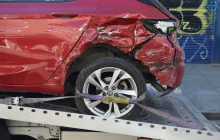
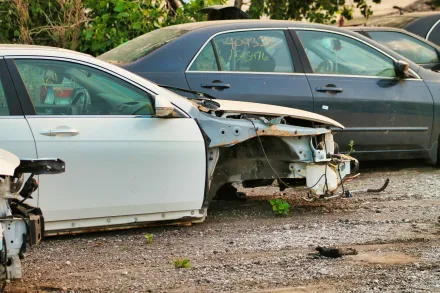
Physical damage coverage is the portion of a policy that pays to repair or replace company owned vehicles following a covered loss. Collision coverage addresses damage from contact with another vehicle or object, such as a pole or barrier, while comprehensive coverage covers non collision events like theft, fire, vandalism, natural disasters, and falling objects. The decision to carry collision and/or comprehensive depends on the value of the fleet, the risk profile of the routes, and the company’s tolerance for out of pocket costs after a loss. For fleets with higher mileage or older vehicles, the economics of physical damage can be nuanced; some operators opt for higher deductibles to lower premium costs, while others pursue lower deductibles to ensure rapid recovery in the event of a loss. It is also common for leases and loans to require specific levels of physical damage coverage, making it essential to align policy terms with financing agreements. In addition, many commercial policies extend coverage to trailers and sometimes to non owned equipment that is attached or used closely with the vehicle, ensuring a broad shield against the cost of repairs or replacement after incidents.
Hired and non owned auto coverage
Hired and non owned auto coverage addresses risks tied to vehicles not owned by the company but used for business purposes. When employees or independent contractors lease a vehicle, rent a van for a temporary project, or operate a borrowed car for business tasks, gaps can appear in liability protection if those vehicles are not included in the standard policy. Hired auto coverage responds to liability arising from vehicles the business rents or leases, while non owned auto coverage extends to liabilities associated with personal vehicles used on behalf of the business, such as a sales rep driving a personal vehicle to visit customers. This coverage is often critical for companies with a flexible workforce or intermittent vehicle usage and helps fill the exposure created by mixed responsibility for accidents. It is important to note that hired and non owned auto coverage typically does not provide physical damage protection for the non owned or hired vehicles; rather, it addresses liability exposure. Because the lines between personal and business use can blur, businesses frequently consult with risk managers or insurers to determine how best to structure this coverage to ensure seamless protection.
Cargo and freight coverage
For companies that transport goods, cargo coverage provides a safety net for losses that occur to the merchandise in transit. The policy offers protection against a variety of perils that can impact cargo while it is being moved, stored during transit, or temporarily loaded onto a vehicle. The type of cargo and the routes traveled influence the extent of coverage, including exclusions for certain high risk commodities or specific stages in the shipping process. Fleets that regularly haul valuable goods or operate over long distances may seek higher cargo limits and more robust terms because the financial exposure associated with damaged or lost cargo can be substantial. In practice, cargo coverage complements liability and physical damage protections by addressing the value of goods themselves, ensuring that both the vehicle and its essential cargo are safeguarded against a range of mishaps. Cargo policies also often consider issues such as breakage, contamination, or loss due to theft, and they may include endorsements for specialized cargo handling, temperature control, or security measures to align with the needs of the business.
Endorsements and additional coverages
Commercial auto policies can be extended or refined through endorsements that tailor coverage to a company’s unique risk profile. Endorsements can add protections such as higher liability limits, protection for regulatory fines in limited circumstances, or coverage for high value or specialty vehicles. They can also close gaps by adding coverage for medical payments beyond a standard limit, including coverage for tow and roadside assistance in contexts where a fleet operates in remote areas, or providing coverage for after market equipment installed on vehicles, such as custom racks or lifts. For fleets that use on call drivers with varying shift patterns, endorsements may help manage the complexity of different drivers and driving records without undermining overall protection. The key is to work with an experienced broker or insurer to identify which endorsements align with the company’s operations, geography, and risk appetite. When properly chosen, endorsements transform a generic policy into a precisely calibrated risk management tool that supports business continuity and growth.
Who needs commercial auto insurance
Businesses of all sizes that rely on vehicles to perform everyday functions should consider commercial auto insurance. A single delivery route with a small fleet or a single contractor performing work that involves driving can be exposed to significant financial risk if an accident occurs, making comprehensive coverage essential. Even companies that rely primarily on third party logistics providers may benefit from maintaining certain levels of coverage to protect against damages caused by vehicles that operate under the company’s supervision or control, or by employees and contractors while performing business tasks. In sectors where speed, efficiency, and reliability are critical, such as transportation, construction, and service industries, a robust commercial auto program helps preserve operational consistency by ensuring that losses do not derail customer commitments, disrupt supply chains, or threaten ongoing relationships with clients. The decision to obtain coverage is often driven by legal requirements, client expectations, financing considerations, and the company’s own risk tolerance, as well as the number of vehicles, the types of cargo, and the typical environments in which the business operates.
Factors that affect premiums
Premiums for commercial auto insurance are influenced by a variety of interrelated factors. The size of the fleet and the overall exposure, measured by miles driven and routes served, play a central role because higher exposure increases the likelihood of claims. The types of vehicles in use affect risk; trucks with heavier loads, specialized equipment, or multiple drivers on a route can introduce greater liability and physical damage exposure compared with passenger cars. The driving history of employees and the presence of a fleet safety program can significantly shape pricing; companies that demonstrate strong safety practices, regular training, and proactive maintenance reimbursement can achieve more favorable terms. The geographic area where vehicles operate matters as well because different regions carry distinct claim frequencies, costs, and legal environments. Financing arrangements, such as whether the vehicles are leased or owned, can influence coverage requirements and deductibles, and the presence of cargo movement, whether the goods transported are perishable, hazardous, or high value, adds another layer of complexity that can alter the premium. Finally, the policy structure, including the limits chosen for liability, the extent of physical damage coverage, and the use of endorsements, will directly impact the rate. Understanding these variables helps businesses balance protection with cost, creating a program that aligns with strategic goals and risk tolerance.
How to evaluate and compare quotes
Evaluating quotes requires more than selecting the lowest price. The right approach weighs policy limits, exclusions, endorsements, deductibles, and the insurer’s reputation for claims handling and financial strength. A thorough comparison starts with ensuring that the same baseline coverage is being offered in each quote, so that responses are truly apples to apples. It includes verifying the scope of liability limits for both bodily injury and property damage, confirming whether physical damage is included and what deductibles apply, and checking whether coverage for cargo, hired and non owned autos, and un insured or underinsured motorist protection is included or available as an add on. Another important aspect is to review the insurer’s process for handling claims, including the support provided to fleet operators during a loss, the speed at which claims are adjudicated, and the availability of roadside assistance or alternate transportation options. The credibility of the insurer and the strength of its underwriting practices can affect not only the premium but the experience of a claim years later, so these elements deserve careful consideration. A comparative analysis that includes scenarios such as a collision on a highway, a cargo loss in transit, or an expensive repair to a leased vehicle helps reveal how different quotes respond to real world events, which in turn informs a decision that balances risk management with financial viability.
Risk management and fleet safety best practices
Effective risk management goes beyond the policy itself and involves operational choices that reduce the likelihood and severity of losses. A fleet safety program that includes driver training, routine vehicle maintenance, inspection protocols, and clear policies on acceptable uses of vehicles can materially improve risk profiles. Regular maintenance reduces mechanical failures that might lead to accidents while training programs promote safer driving behaviors and hazard awareness on roadways with varying traffic patterns. Incorporating telematics and fleet management tools can provide real time data on driving speed, braking patterns, and idle time, enabling proactive coaching and evidence based decision making that not only improves safety but can also influence insurance costs over time. Companies may also establish procedures for incident reporting, immediate notification of authorities in the event of major accidents, and a standardized process for handling claims that minimizes downtime and supports rapid recovery for the business. By integrating risk management with insurance strategy, a business creates a virtuous cycle in which better safety leads to lower premiums and more predictable costs, which in turn fosters investment in further safety improvements.
Claims handling and recovery after a loss
When a loss occurs, a well organized claims process can materially shorten downtime, restore operations, and preserve customer relationships. A typical sequence involves reporting the incident promptly, providing complete details and supporting documents, and coordinating with the insurer for a quick assessment of liability and damage. Efficient communication, timely provision of requested records, and a clear understanding of what the policy covers help avoid disputes about coverage or the amount payable. In the best cases, the insurer mobilizes a claims professional who can guide the business through the process, arrange for vehicle repair or replacement, and ensure that cargo losses, if applicable, are addressed swiftly. A robust claims experience also offers an opportunity to improve risk controls. After a loss, reviewing the incident to identify underlying causes and implementing corrective steps can reduce the likelihood of a repeat event, and this practice can have a favorable impact on future pricing as insurers recognize proactive risk management. In every case, having a documented incident protocol that employees understand is a cornerstone of resilience for any business that relies on transportation.
Regulatory considerations and compliance
Commercial auto insurance exists within a landscape of state and federal laws designed to regulate vehicle operation, insurance requirements, and safe driving standards. Different jurisdictions impose distinct minimum liability limits and filing requirements, and some lines of coverage may be regulated differently depending on the type of vehicle or the cargo carried. For businesses operating across state lines or engaging drivers from diverse backgrounds, compliance becomes more complex, requiring attention to licensing, carrier compliance, hours of service rules for drivers, and the proper documentation for insurance as part of contractual obligations with clients. A compliance minded approach to insurance involves ongoing review of regulatory changes, alignment of coverage with legal requirements, and consultation with insurance professionals to ensure that the policy remains in good standing and responsive to new rules or market developments. In addition, for firms that transport goods across international borders, cross border insurance considerations may arise, necessitating specialized endorsements or policies designed to address the unique exposures associated with international operations.
The role of technology in commercial auto insurance
Technology is reshaping how insurance is underwritten, priced, and managed for commercial fleets. From telematics data that tracks driving behavior to maintenance monitoring tools that predict component failures, digital solutions provide a clearer picture of risk and enable more precise premium setting. For fleets, this means premiums can reflect actual driving patterns and vehicle conditions rather than relying solely on generic assumptions. Insurers also use data analytics to identify high risk routes, peak driving times, and weather patterns that correlate with claim frequency, which informs both policy design and safety initiatives. For business owners, technology offers opportunities to consolidate risk management activities, simplify reporting after incidents, and gain access to real time updates about policy status, claim progress, and coverage limits. The ongoing integration of data and insurance processes promises to deliver more personalized protection with improved affordability and reliability, aligning the needs of a modern fleet with the economics of risk transfer.
Common myths about commercial auto insurance
Many business owners hold misconceptions about the scope and cost of commercial auto insurance. Some assume that personal auto policies automatically extend to business use, which can leave gaps if a vehicle is used for commercial purposes, while others believe that higher premiums always imply better protection. In reality, coverage needs to be aligned with the specific exposures a company faces, and the most effective protection often results from a tailored mix of liability, physical damage, cargo, and non owned vehicle endorsements that addresses the realities of the business. Another frequent assumption is that a larger fleet automatically demands disproportionately higher premiums, whereas in practice, a well managed fleet with robust safety programs and disciplined maintenance can negotiate competitive terms. Debunking these myths requires careful assessment of actual operations, data driven risk estimates, and an open dialogue with a knowledgeable broker or insurer who can translate risk into practical protections.
Building a durable commercial auto program
Creating a durable and adaptable commercial auto program starts with a clear understanding of the company’s operations, vehicle mix, and risk appetite. The process typically involves mapping out vehicle types, usage patterns, and routes, followed by selecting a baseline of liability and physical damage protections that reflect credible exposure. From there, a risk management plan that includes driver training, maintenance schedules, and incident reporting workflows strengthens the portfolio and supports favorable terms over time. Periodic reviews of the coverage, limits, and endorsements ensure that the policy remains aligned with evolving business needs, such as expanding a fleet, adding new service lines, or entering different markets. A durable program also requires careful documentation of any claims history, safety improvements, and policy changes, enabling the business to demonstrate its risk maturity to underwriters and clients alike. In many cases, this ongoing diligence creates a virtuous loop where better risk oversight leads to more predictable costs and improved service delivery, strengthening the company’s competitive position in a dynamic market.
Understanding the policy language and exclusions
Policy language can be dense, and exclusions are a common source of confusion. It is essential to read the definitions carefully and to understand what is included and what is not. Typical exclusions might relate to intentional acts, vehicles used in certain hazardous operations, or specific cargo that falls outside standard coverage. Some endorsements mitigate these gaps by broadening coverage to include excluded scenarios, while others might require separate policies. A careful review with a qualified insurance professional can illuminate the meaning of terms such as limits, deductibles, and the monetary caps applicable to various coverages. In practice, small differences in wording can have large financial consequences, so investing time in clarifying policy provisions before an incident occurs is a prudent step for any business owner who relies on company vehicles as part of daily operations.
Fleet management and policy integration
For organizations with multiple vehicles, integrating insurance with fleet management practices yields tangible benefits. A unified approach allows better visibility into risk across the entire fleet, aligns maintenance, driver training, and incident reporting with insurance needs, and supports more consistent service to customers. A centralized system can help ensure that every vehicle and driver is properly documented for coverage, that changes in vehicle assignments or driver rosters are reflected in the policy promptly, and that renewal cycles incorporate updated risk assessments. This level of integration also facilitates more accurate pricing, since the insurer can evaluate the total exposure of the fleet rather than isolated components of the operation. The outcome is a more resilient business with predictable costs and the ability to respond rapidly to changes in demand, routes, or regulatory requirements.
Global perspective: what to consider for multi region operations
Businesses operating across multiple regions or countries face a more complex insurance landscape. Local requirements, available coverages, and market practices can differ substantially, requiring a coordinated strategy that harmonizes policy terms while respecting regional regulations. Companies with cross border operations should work with brokers who understand both the legal context and the practical realities of international transport. This often involves arranging permits, certificates of insurance that meet client or regulatory standards, and ensuring that the chosen insurers have the capacity to support the fleet wherever it operates. An emphasis on clear communication, consistent documentation, and proactive risk management helps maintain uniform protection across regions and avoids gaps that could undermine coverage in critical moments.
Measuring success in commercial auto risk management
Success is measured not only by the price of a premium but by the quality of protection and the business outcomes that protection enables. A well designed program reduces the frequency and severity of losses, enables faster recovery after incidents, and supports smoother relationships with clients who depend on reliable transportation. Key indicators include a stable total cost of risk, a track record of on time claim settlements, high levels of driver safety, and demonstrable maintenance discipline across the fleet. When a company can point to measurable improvements in these areas, it strengthens its position in negotiations with insurers and can achieve more favorable terms over time. In this way, insurance becomes an integrated component of a broader risk management framework rather than a standalone cost center.
Final reflections onCommercial Auto Insurance Explained
Commercial auto insurance is not a one size fits all product but a carefully assembled shield that reflects a business’s unique footprint and ambitions. It requires intentional planning, ongoing management, and collaboration with experienced professionals who can translate operational realities into robust protections. As fleets grow, technologies evolve, and regulatory landscapes shift, the ability to adapt coverage while maintaining affordability becomes a strategic capability that supports continuity, customer satisfaction, and long term profitability. By embracing a comprehensive approach that includes liability protection, physical damage coverage, cargo or hired and non owned auto endorsements, and a proactive risk management culture, a business can navigate the uncertainties of road travel with greater confidence and a clearer path to sustainable success.