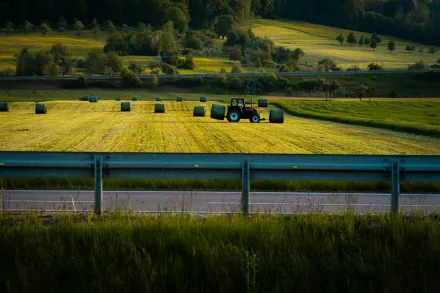
Farmland has long stood as a quiet pillar of tangible value in diversified investment portfolios. It combines the physical reality of land with long term cash flows from leases, potential appreciation in land value, and the possibility of revenue diversification through multiple crops, yields, and agricultural cycles. The appeal is not merely the hope of a rising price tag attached to a plot of arable ground, but a blend of steady income from rent, potential upside from improved soil health and productivity, and the ability to participate in a sector that historically demonstrates resilience during inflationary periods. For many investors, farmland offers a countercyclical flavor to traditional equities, a counterweight to fixed income, and a way to gain exposure to macro themes such as rising protein demand, regional dietary shifts, and regional water resource management. The decision to invest in farmland should be framed within a clear risk tolerance, a defined investment horizon, and an understanding of how land economics interact with climate, technology, and policy. Investors should consider not only the price of the land itself but also the underlying rights, constraints, and opportunities that come with ownership, including water rights, soil fertility, access to markets, and the ability to manage or delegate operational execution effectively.
Overview of farmland investing and its core appeal
At its core, farmland investing is about securing a real asset that can generate predictable income streams through leasing arrangements and, over time, may provide appreciation driven by factors such as soil improvement, irrigation upgrades, and infrastructure development. Unlike purely financial assets, farmland carries an element of stewardship, requiring attention to agronomic practices, tenant relationships, and environmental stewardship. The sustained value proposition rests on a combination of rent that aligns with agricultural productivity, potential capital gains from land improvements, and diversification benefits that reduce volatility in a broader portfolio. For new entrants, the landscape appears approachable through various channels, from direct ownership of a single parcel to participation in professionally managed funds that aggregate assets across multiple regions. The realities, however, are more nuanced than first impressions. Farmland markets are local in character, shaped by climate, soil types, water availability, and local regulations. The capital intensity can be substantial, and the track record of operators or sponsors plays a decisive role in achieving the desired risk-adjusted return. Prospective investors should orient their thinking toward how farmland can fit into a broader strategy, balancing liquidity, control, and time horizons while recognizing that some components of farmland investing are more hands-on than others. Governance structures, fee regimes, and reporting transparency vary widely across direct ownership, funds, and real estate investment trusts, so due diligence must probe these dimensions with care.
Types of farmland investments and how they differ
Investors have several pathways to gain exposure to farmland, each with its own set of tradeoffs between liquidity, control, and complexity. Direct ownership provides the strongest sense of ownership and control over the farming operation, yet it also demands significant capital, expertise, and ongoing management attention. Ownership could be pursued solo or with partners through joint ventures or tenancy in common arrangements, with a leaseback or operating agreement defining responsibilities for maintenance, inputs, harvest, and tenant selection. Indirect routes include farmland funds and private equity vehicles that pool capital from multiple investors to acquire and operate a portfolio of farms, offering diversification across regions, crops, and tenancy structures while typically requiring less day-to-day involvement. Publicly traded alternatives such as farmland REITs and publicly listed infrastructure funds provide liquidity and easier access, though they may come with higher liquidity premia, governance differences, and sensitivity to general market sentiment. Crowd-investing platforms and syndication structures sometimes enable smaller investors to participate alongside seasoned operators, blending community involvement with professional asset management. Each route carries implications for tax treatment, regulatory oversight, and reporting requirements, as well as differences in risk, return profiles, and time horizons. The central decision for an investor is aligning the chosen pathway with personal objectives: whether the priority is steady cash flow, risk diversification, hands-on control, or broad access to a diversified land base with professional management.
Geography, climate, and market dynamics that shape farmland value
Location matters profoundly in farmland investing because soil types, climate, water resources, access to markets, and regulatory environments profoundly influence yield, variability, and cost structures. Regions with reliable rainfall or robust irrigation infrastructure tend to exhibit lower yield volatility and more predictable rents, while areas facing water scarcity can see significant premium implications, especially when water rights or seniority confer advantages that are not easily transferable. Soil health, nutrient cycles, and topography determine the productivity of crops and the efficiency of inputs such as fertilizer and irrigation. Proximity to processing facilities, storage, transportation networks, and export channels affects logistics costs, post-harvest losses, and the ability to capture higher-value crops. Macro factors such as commodity price cycles, geopolitical developments, and trade policies can alter profitability across crops and geographies. Investors who diversify across a number of regions may reduce idiosyncratic risk associated with weather events, pest pressures, or crop-specific cycles. In practice, the geography of investable farmland requires careful mapping of risk-adjusted expectations, including the likelihood of water policy changes, zoning constraints, and environmental regulations that could influence both yields and operating costs. The result is a nuanced calculus where spatial diversification sits alongside crop diversification as a core risk management approach.
Key factors to evaluate before committing capital
Before committing capital to farmland, a disciplined investor conducts a thorough assessment of multiple interlocking factors. First, soil type and fertility—including historical fertility data, drainage, and potential for erosion—help project long‑term productivity and input requirements. Second, water access and rights, including whether water is surface or groundwater, senior rights, and the legal framework governing water allocation, determine reliability and potential political or environmental constraints. Third, climate and rainfall patterns, seasonality, and the risk of drought or flood influence expected cash flows and crop choices. Fourth, tenancy and lease structures matter because the arrangement between landowner and tenant defines responsibilities for inputs, maintenance, harvest, and capital expenditure. Fifth, the track record and integrity of the operator or sponsor, their asset management practices, and their alignment with investor interests shape governance and reporting quality. Sixth, environmental considerations, including soil health programs, nutrient management plans, and compliance with pesticide and fertilizer regulations, bear on long-term productivity and reputational risk. Seventh, regulatory and tax structures, such as ownership vehicles, depreciation opportunities, and transfer rules, affect after-tax returns and liquidity considerations. Finally, liquidity considerations, including the potential for exit, the ability to transfer ownership, and the transparency of financial reporting, determine how the investment fits within the investor’s overall liquidity profile and time horizon. Each of these factors interplays with market conditions, requiring a holistic assessment that weighs upside potential against the price of capital, complexity, and operational demands.
Due diligence for direct ownership and operating agreements
Direct ownership of farmland is as much about the land as it is about the surrounding ecosystem of management, contracts, and risk controls. A comprehensive due diligence process begins with a precise title and lien search to confirm clear ownership, identify encumbrances, and verify the absence of undisclosed easements that could impair development or leasing. Water rights need particular scrutiny, including documentation of rights, historical usage, and potential conflicts with neighbors or municipal plans. Environmental liabilities require attention to soil contamination, pesticide exposure history, and compliance with environmental regulations that can affect future use or remediation costs. An agronomic assessment of the land’s productivity, including soil tests, organic matter content, pH balance, drainage, and historical yield data, informs projections of future cash flows. A review of past lease agreements helps evaluate tenant reliability, rent escalators, and the schedule for renewal or renegotiation. Operating agreements should define who controls capital improvements, who bears maintenance costs, and how decision rights are allocated for major changes in crop plans or irrigation infrastructure. It is essential to examine baseline financial statements, rent receipts, production records, input costs, and any subsidies or crop insurance arrangements that contribute to cash flows. Finally, a comprehensive plan for risk management—covering weather, pests, disease, market fluctuations, and regulatory shifts—should be in place, with clearly defined contingency measures and exit provisions if performance diverges from expectations.
Farmland funds, REITs, and other pooled investment vehicles
Investment in farmland through funds or REITs offers distinct advantages, including diversification across regions and crops, professional asset management, and reduced operational burden for individual investors. Farmland funds typically pool capital to acquire a diversified mix of farms, often spanning different soil types, climates, and crop profiles, which helps dampen idiosyncratic risk. These structures commonly provide periodic distributions, a governance framework, and regular reporting that aligns with the expectations of institutional and accredited investors. Conversely, farmland REITs are publicly traded securities that expose investors to the farmland sector with the added option of market liquidity. REITs can provide exposure to the income-generating potential of rents and land appreciation while offering the ability to rebalance holdings more readily in response to market conditions. Private platforms and syndications may deliver access to individual parcels or focused regional strategies, sometimes with more favorable fee structures or tailored investment theses but less transparency or liquidity than top-tier funds or REITs. Across all pooled structures, fee regimes, transparency of reporting, and alignment with investor interests require careful evaluation. It is critical to analyze the sponsor’s track record, the geographic and crop diversification strategy, the leverage policy, and the governance framework that governs distributions, valuation, and liquidity events. In all cases, understanding how taxes flow through the vehicle, how capital gains are treated, and how depreciation schedules are realized becomes an essential component of the after-tax return profile.
Financing farmland investments: equity, debt, and leverage considerations
Financing farmland involves a careful balance between equity commitments, debt capacity, and the anticipated cash flow from operations. Traditional direct ownership often requires substantial upfront equity and may involve mortgage-like financing with a loan-to-value ratio that reflects both land value and anticipated rent streams. The interest rate environment, loan terms, and covenants influence the overall cost of capital and the resilience of cash flows under stress scenarios such as drought or falling commodity prices. When using leverage, sponsors must scrutinize debt service coverage ratios, reserve accounts, and the potential for interest rate volatility to affect profitability. For investors, understanding the interplay between mortgage financing costs and rent escalators is critical to projecting net returns. In pooled structures like funds or REITs, leverage policies are often established to optimize risk-adjusted returns while preserving liquidity and solvency in adverse conditions. A thoughtful approach to financing also requires a clear plan for capital expenditures, such as irrigation improvements or soil enhancement projects, and how those investments influence long-run value, yield potential, and resilience to climate-related disruptions. The strategic choice between using debt to amplify potential gains or preserving dry powder to weather downturns depends on the investor’s risk tolerance, time horizon, and the sponsor’s capability to deliver stable operations across cycles.
Tax considerations and legal structures for farmland investing
Tax treatment plays a meaningful role in the economics of farmland, with different ownership vehicles offering varied opportunities for depreciation, cost segregation, and favorable long-term capital gains treatment. Direct ownership may enable a basis in the land that can be depreciated for certain components, while ongoing rent income is generally taxed as ordinary income or capital gains depending on the structure of the lease and disposition of the asset. Legal structures such as limited liability companies (LLCs), limited partnerships (LPs), or tenancy in common arrangements can help manage liability, facilitate transfer of interests, and provide estate planning advantages. Some investors explore trusts or family offices to streamline ownership and succession planning, especially when intergenerational involvement is part of the strategy. In many jurisdictions, specific programs reward soil conservation, water efficiency, or sustainable farming practices through tax credits or subsidies, which can affect after-tax outcomes and cash flow. Cross-border investments require careful consideration of tax treaties, withholding taxes, and regulatory compliance to preserve the intended tax efficiency. A robust legal framework for governance, dispute resolution, and exit strategies should complement tax planning to ensure that the investment remains coherent with long-term goals and fiduciary duties to investors.
Management, governance, and operator selection
When farmland is managed by a third party or a professional sponsor, governance structures and reporting become the primary interfaces between investors and the operating reality on the ground. Clear operating agreements delineate who holds decision rights for agronomic choices, capital improvements, and lease renewals. Regular reporting should cover production history, input costs, harvest yields, and deviations from planned budgets, along with transparent disclosures about environmental metrics and regulatory compliance. The choice of operator is critical: a capable manager aligns agronomic expertise with financial discipline, maintains strong relationships with tenants, and prioritizes soil health and long-term productivity as a core value proposition. Good operator selection involves scrutinizing the track record, the depth of their agronomic network, continuity plans for key personnel, and their approach to risk management in weather-affected years. A sound governance framework also contemplates the rights and remedies available to investors in case of underperformance or misalignment, as well as the process for adjustments to strategy, capital allocation, or asset disposition. Although operators carry professional responsibility for daily management, investors should retain oversight through regular audits, independent valuations, and adherence to a clearly articulated investment mandate that reflects the risk tolerance of the pool and the expectations of the investor base.
Risk management, diversification, and resilience
Risk management in farmland investing encompasses agronomic risk, credit risk from tenants, liquidity risk, and policy or regulatory risk that can influence water rights, subsidies, and environmental compliance. A core principle is diversification across regions, soil types, and crop profiles to reduce exposure to a single drought year, pest outbreak, or price shock linked to a particular commodity. Insurance products such as multi-peril crop insurance and revenue insurance can cushion revenue variability, while hedging strategies may help stabilize cash flows in some portfolios. Operational resilience is enhanced by sound maintenance of infrastructure, prudent input management, and long-term soil health programs that improve productivity without eroding soil in the process. Investors should assess the sponsor’s approach to risk budgeting, scenario planning, and reserve funding to cover unexpected maintenance or environmental remediation costs. A transparent approach to risk disclosures, along with independent third-party certification of sustainability or soil health benchmarks, can also contribute to investor confidence and long-term value creation. The overarching objective is to build an investment framework that remains robust across climate variability and market cycles, enabling steady income while preserving the optionality for future upside through agronomic improvement and strategic repositioning of assets.
Environmental, social, and governance considerations in farmland
Environmental stewardship and governance considerations have moved from the periphery to the center of farmland investment theses. Soil health, water stewardship, nutrient management, and responsible pesticide use directly affect yields, costs, and reputational risk. Investors increasingly seek sponsors with clear environmental, social, and governance metrics, including soil organic matter improvements, water use efficiency, biodiversity preservation, and transparent reporting of environmental incidents. Social considerations cover tenant welfare, fair lease practices, and community impact, while governance emphasizes alignment of incentives, independence of oversight, and robust internal controls. The integration of sustainability into decision making can create value through improved productivity, lower volatility in yields, and access to capital that prioritizes responsible investment practices. Of course, environmental considerations can entail higher upfront costs, longer payback periods for infrastructure projects, and evolving regulatory expectations, so they must be weighed within a comprehensive financial model. Investors who position farmland as a platform for sustainable agriculture often benefit from enhanced resilience in the face of climate risk and a favorable reception from lenders and insurers that value responsible land stewardship.
Technology, data, and the future of farmland operations
The integration of technology into farmland operations is accelerating the rate at which land can be managed efficiently, reliably, and with greater precision. Precision agriculture tools—such as soil sensors, satellite imagery, and variable rate technology—enable farmers to tailor inputs to real-time needs, reducing waste and environmental impact while improving yields. Data analytics platforms synthesize weather forecasts, soil data, crop health indicators, and equipment performance into actionable insights that guide irrigation scheduling, fertilization, and planting decisions. Drones and automated machinery contribute to labor efficiency and risk mitigation, particularly in large-scale operations. The adoption of digital twins for farm planning allows sponsors and tenants to simulate different agronomic scenarios, estimate cash flows under varying weather patterns, and optimize capital expenditures. As climate change continues to alter growing conditions, the ability to monitor, measure, and respond quickly becomes a competitive differentiator. Investors should evaluate sponsors’ technology roadmaps, data governance practices, and the degree to which technology adoption translates into tangible improvements in productivity and risk reduction. The interplay between agronomy and data science holds the potential to unlock higher reliability in cash flows, more precise yield projections, and smarter allocation of capital across crop cycles.
Practical steps to begin investing in farmland
For someone entering farmland investing, the practical path starts with a clear set of objectives, a personal risk tolerance profile, and a time horizon that fits the illiquid nature of land. It is prudent to begin with a learning phase that includes understanding local market dynamics, land valuation methodologies, and the mix of investment vehicles available. Prospective investors can explore opportunities through reputable sponsors, study their due diligence materials, and evaluate governance structures, fee arrangements, and reporting standards. Beginning with liquid vehicles such as a farmland REIT or a diversified fund can provide exposure while testing comfort with sponsorship quality and performance history. For those seeking more control and potential upside, participating in a syndicate or pursuing direct ownership alongside experienced operators may be appropriate, provided there is a rigorous evaluation of title, water rights, leases, and agronomic plans. A disciplined approach also includes constructing a personal capital plan that defines minimum investment sizes, expected cash flows, exit strategies, and tax implications. It is essential to assemble a professional advisory team that may include a real estate attorney, a tax advisor, an agronomist or soil scientist, and a financial planner who understands estate and succession considerations. The journey often starts with small, well-structured commitments that scale up as comfort and knowledge increase, ensuring that the investor remains aligned with the realities of farming operations and the long cycles inherent in agricultural land.
Common mistakes and pitfalls to avoid in farmland investing
Even seasoned investors can encounter missteps when entering farmland, particularly if the emphasis is placed on land price appreciation without adequately accounting for income volatility, maintenance costs, and regulatory shifts. A frequent error is overpaying for land without a clear plan for sustainable cash flows, which can compress returns and extend the time required to reach break-even. Underestimating operating expenses, property taxes, irrigation maintenance, or input costs can erode margins and amplify risk during adverse weather years. Ignoring water rights or assuming perpetual scarcity advantages without due diligence can lead to disputes or transfer limitations that undermine long-term value. Another pitfall is underappreciating the importance of a capable operator who can realize tenant retention, timely maintenance, and agronomic improvements, as the performance of a property often hinges on management quality. Failures in governance, such as opaque reporting, misaligned incentives, or lack of independent valuation, can erode investor trust and complicate exits. Finally, neglecting diversification across geographies, crops, and investment vehicles can expose a portfolio to idiosyncratic shocks that a broader, balanced approach would mitigate. A robust due diligence process, a clear governance framework, and a measured approach to capital allocation can help safeguard against these missteps and support more reliable outcomes across agricultural cycles.
As with any investment, ongoing monitoring and a willingness to adapt are essential. Investors should maintain open lines of communication with sponsors, request regular independent valuations, and stay informed about agricultural policy changes, water rights reforms, and evolving sustainability standards. A thoughtful and disciplined approach—anchored in a thorough understanding of agronomy, land economics, and investor governance—offers a pathway to meaningful participation in a sector that blends tangible asset ownership with the dynamics of farming, markets, and climate. By combining prudent risk management with patient capital and professional oversight, farmland can serve as a compelling complement to traditional equities and fixed income, providing both income potential and exposure to a sector that nourishes communities and supports producers across generations.
Starting with a clear framework, prioritizing due diligence, and choosing the right investment vehicle are the foundational steps for successful farmland investing. The landscape rewards long-term thinking and structural integrity, as well as the humility to recognize that land is as much about stewardship and relationships as it is about price and yield. Investors who engage thoughtfully with sponsors, build a diversified exposure across regions and crops, and maintain a disciplined approach to risk will be better positioned to navigate the inevitable fluctuations that accompany agricultural markets. In the end, farmland investment is a journey that blends tangible asset ownership with operational nuance, requiring curiosity, patience, and a commitment to ongoing learning as markets, technologies, and climates evolve.