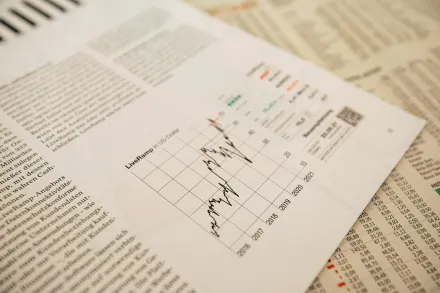
Understanding the Landscape of Macroeconomic Indicators
Macro economic data serve as the compass for investors navigating the broad terrain of markets and industries. They reveal the tempo of economic activity, the price environment, the strength of labor and consumer demand, and the overall health of financial systems. For a careful analyst, these data points are not isolated numbers but signals embedded in a larger story about how an economy operates, where it is headed, and how policy choices might shift the balance between growth and risk. The enduring truth is that no single statistic determines outcomes; instead, a tapestry of indicators, when interpreted together, helps build a coherent view of where markets may gravitate over different time horizons.
In practice, macro data arrive on a calendar and follow a rhythm that market participants come to anticipate with a certain familiarity. Some releases carry reputations for surprise and volatility, while others are trusted to confirm the prevailing trend. The cadence matters because traders, portfolio managers, and analysts must decide how a new piece of information will alter expected returns, inflation paths, or policy trajectories. A well-timed report can extend a trend or reverse a crowd’s assumptions, creating opportunities and hazards that require disciplined risk management. Understanding this cadence begins with the broad categories of indicators and how they interact with the policy environment.
The categories of macro indicators typically fall into leading, coincident, and lagging groups. Leading indicators often include measures of new orders, consumer expectations, and financial conditions that tend to move before the broader economy turns. Coincident indicators, such as real-time activity measures, employment data, and retail sales, reflect what is happening in the present moment. Lagging indicators, like unemployment duration or corporate profits after a cycle, appear after shifts in economic activity have already occurred. Investors who grasp these classifications can align their models and portfolios with the likely timing of economic changes, while avoiding the trap of mistaking a temporary blip for a structural shift.
Another essential aspect is data revision. Many macro series are released first as provisional estimates and later revised as more information becomes available. The initial number can dominate headlines, but the revised figures sometimes tell a different story. This dynamic complicates forecasting and testing of strategies, because it requires an adjustment for the probability that early signals will be altered. In practical terms, traders must incorporate the likelihood of revisions into risk controls and scenario analysis, ensuring that positions are not overly dependent on early impressions that may be revised away in subsequent releases.
As data accumulate, analysts weave together domestic signals with global developments. Macroeconomic data rarely travel in isolation; foreign demand, commodity markets, exchange rates, and cross-border capital flows interact with domestic statistics to shape investment outcomes. A robust approach recognizes that macroeconomics is a global system with feedback loops, where a change in one country’s inflation or growth outlook can reverberate through currencies, yields, and equity markets across regions. This interconnected view helps investors avoid narrow interpretations and fosters more resilient investment theses grounded in a broader context.
The Role of Economic Growth and GDP in Investment Decisions
Gross Domestic Product, measured as the total value of goods and services produced within an economy, is a central reference point for many investment decisions. Growth rates illuminate how quickly an economy is expanding, which sectors are benefiting, and whether corporate earnings trends are likely to accelerate or decelerate. Investors watch real GDP to gauge the underlying momentum that can support higher corporate profits and, potentially, higher equity valuations. Real growth tends to be associated with stronger consumer demand, more capital investment, and improved business sentiment, all of which can influence the performance of cyclical stocks and economically sensitive assets.
The relationship between growth and asset prices can be nuanced. In environments of moderate expansion with stable inflation, equities may be supported by improving earnings, but multiple compression can occur if growth comes with higher interest rates or tighter financial conditions. Conversely, a surprising deceleration in growth can trigger a repricing of risk assets as investors reassess growth durability and the probability of policy accommodation. The quality and composition of growth matter as well; an economy driven by productive investment and productivity gains can sustain gains in equities and risk assets even when nominal headline numbers look restrained. This distinction matters for portfolio construction and sector allocation, especially when evaluating where to lean in the cycle and how to balance cyclical versus defensive exposures.
Within the GDP framework, components such as consumption, investment, government spending, and net exports provide granular clues about where momentum is strongest. Strong consumer spending often accompanies a broad-based expansion, but pockets of weakness in housing or durable goods can signal the beginnings of a softening phase. Investment activity, including business capital expenditure and inventory dynamics, can reveal the confidence of firms about future demand and margins. Trade data, while not a direct input into GDP in every country, still color the interpretation by indicating whether external demand is an accelerant or a drag. Investors who parse these components carefully can align their positions with the sectors most likely to benefit from the prevailing growth pattern.
In practice, growth narratives intersect with corporate, macro, and policy considerations. A central bank facingama environment of rising growth and stable inflation may adjust policy gradually, while a policy stance aimed at preventing overheating could involve earlier tightening. Investors monitor the interplay between GDP data and policy signals to calibrate expectations for rate paths and fiscal policy support. This dynamic is especially important in economies at different stages of the cycle, where the same GDP print may carry different implications depending on the accompanying inflation readings, labor market strength, and external conditions. A holistic approach to GDP emphasizes the synergy between macro momentum and policy responsiveness as a driver of asset performance over time.
Beyond headline growth, the structure of the economy—such as the share of activity in services, manufacturing, or high-tech sectors—illuminates the resilience of demand and the potential for productivity gains. Growth trajectories are rarely uniform across regions or income groups, and investors pay attention to distributional effects that can influence consumption patterns and investment incentives. As a practical matter, GDP analysis informs scenario planning and helps set baseline expectations for earnings growth, valuation multiples, and the likely direction of the yield curve. The broader insight is that growth data, interpreted with attention to timing, quality, and policy context, can provide a foundation for strategic decisions rather than a single forecast to act upon in isolation.
Inflation, Interest Rates, and Bond Markets
Inflation remains one of the most consequential macro forces for investors because it directly shapes the real return on investments and the path of interest rates. Inflation data, often published through consumer price indices, producer prices, and measures of core inflation that exclude volatile food and energy, help market participants gauge whether price pressures are broad-based and persistent or transitory. The interpretation of inflation signals must consider the policy objective of central banks, which is typically to anchor inflation around a symmetric target while supporting sustainable growth. When inflation accelerates beyond target, markets tend to anticipate policy tightening, which can lift real yields and depress the prices of long-duration assets like government and corporate bonds. Conversely, cooler inflation can fuel expectations of easier policy, supporting lower yields and higher bond prices.
The bond market environment is shaped by the expectations built from inflation data and the anticipated reaction of central banks. The yield curve, which plots yields across maturities, often reflects the balance between growth expectations and inflation risk. An upward-sloping curve can signal healthy growth with inflation risks, while a flattening or inverted curve may foreshadow slower growth or policy accommodation. Break-even inflation rates, derived from nominal and inflation-protected securities, provide a market-based gauge of where inflation might settle over a specific horizon. Investors use these signals to calibrate duration, hedging strategies, and asset allocation, aiming to align exposure with the expected regime of inflation and interest rates.
Monetary policy communications—minutes, speeches, and forward guidance—translate inflation data into policy expectations. Traders watch for hints about the pace of rate increases, the likelihood of pauses, and the central bank’s concern about emerging risks such as wage growth or supply constraints. When inflation surprises on the upside, markets may price in a tighter monetary stance, pushing yields higher and compressing equity multiples across sensitive sectors. In contrast, tame inflation can allow for gradual rate normalization and more favorable conditions for risk assets. The delicate task for investors is to translate a complex array of inflation signals into a coherent view of the likely trajectory of policy and the implications for credit, duration, and equity risk premia.
Within the bond universe, inflation expectations also affect the pricing of inflation-linked securities and the valuation of credit assets. Real yields, which remove the impact of expected inflation, provide a clearer view of the underlying appetite for risk-free return. If real yields rise alongside nominal yields, the confidence signal may be more about growing risk-free rates than about deteriorating economic prospects. If nominal yields rise while real yields stay stable, the shift might reflect rising inflation expectations rather than stronger growth. Investors monitor these nuances to decide how to position duration, flatten or steepen the yield curve, and implement hedging strategies to protect portfolios from unexpected shifts in inflation and policy stance.
Labor Markets and Consumer Sentiment as Predictors
Labor market data, including unemployment rates, payroll employment, and wage growth, lie at the heart of the domestic economic heartbeat. A robust labor market supports consumer spending, which in turn sustains corporate earnings and, by extension, equity markets. However, the interpretation is not always straightforward. A tight labor market with rising wages can contribute to inflationary pressures, which might prompt tighter monetary policy and higher borrowing costs. Investors weigh the strength of job gains against the trajectory of prices to assess whether wage growth is likely to be sustained and whether it will translate into durable demand or simply reflect temporary bottlenecks. The timing and breadth of labor market improvements matter as much as the level of unemployment itself.
Consumer sentiment and confidence surveys complement hard labor data by capturing households’ expectations for earnings, inflation, and future economic conditions. Positive sentiment can foreshadow higher consumption in the months ahead, while deteriorating confidence may signal a potential slowdown that has not yet fully manifested in hard data. The interplay between sentiment and actual spending is nuanced; confidence can be a leading indicator, but it may overreact to headlines or revisions. Investors integrate sentiment signals with labor market data to form a more complete picture of household resilience and the probability of sustained demand growth across consumer categories.
Wage dynamics, unemployment durability, and the participation rate offer deeper insights into the health and distributional aspects of the labor market. A rising participation rate can alleviate some concerns about labor tightness, while rising unemployment duration may indicate scarring effects or structural challenges. In sectors where productivity gains accompany wage increases, investors may view margins as under pressure, prompting a tilt toward companies with pricing power or those that can offset higher labor costs with efficiency gains. The combined read on labor markets and consumer mood helps craft a nuanced outlook for discretionary spending, services, and industries linked to consumer confidence and income growth.
Beyond domestic signals, global labor trends and migration patterns influence the health of multinational firms and commodity demand. Investors monitor cross-border labor data and the dispersion of wage growth across regions to anticipate shifts in competitiveness and inflation pressures. The integrated view emphasizes that data on employment and sentiment are not isolated descriptive tools but essential components of forecasts that link microeconomic behavior to macroeconomic outcomes and financial market responses.
Global Connectivity: Exchange Rates and Trade Data
Trade data and exchange rates are the lifeblood of global linkages that can amplify or dampen domestic developments. Export performance, import volumes, and the balance of trade help investors assess external demand for an economy’s output and the potential for currency movements that influence inflation and competitiveness. When a country runs a significant trade surplus, its currency may appreciate, affecting exporters and shifting equity valuations in traded sectors. Conversely, a widening deficit can weigh on currency values and alter the relative attractiveness of domestic assets for foreign investors. The interplay between trade and currency markets therefore becomes a central thread in global macro narratives.
Exchange rates themselves act as information channels. They reflect interest rate differentials, growth expectations, and risk sentiment across regions. In times of heightened uncertainty, capital tends to seek safe-haven currencies, driving fluctuations that reverberate through commodity prices and the earnings of multinational corporations. Currency movements also influence the pricing of imports and exports, which can feed back into inflation dynamics. Investors who monitor FX developments alongside trade data can better anticipate the second-order effects on corporate margins, cost structures, and competitive positioning in international markets.
Commodities add further color to the global picture. Prices for energy, metals, and agricultural goods respond to shifts in macro forces such as policy changes, supply constraints, and demand cycles in large economies. Higher commodity prices can boost inflation expectations and influence producer costs, while lower prices may ease inflation pressures and support consumer purchasing power. Currency movements and commodity cycles often interact in complex ways, creating a web of signals that investors decode to forecast sectoral performance, regional earnings trends, and the attractiveness of different asset classes, from equities to currencies and commodity-linked instruments.
Global data streams also include external accounts, capital flows, and monetary conditions in major economies. The way a country manages its foreign liabilities and its access to international financing can shape market expectations for risk premia and asset valuations. For investors, the global dimension means that a domestic macro story cannot be fully understood without considering the international context, including economic cycles in trading partners, global investment sentiment, and policy responses to cross-border pressures. The result is a more holistic framework for assessing risk and opportunity across regions and sectors.
Policy Signals: Central Banks and Fiscal Stance
Policy signals are among the most influential drivers of market behavior. Central banks convey their outlook on inflation, growth, and financial stability through statements, minutes, and policy actions. Investors parse these signals to form expectations about the future path of interest rates, liquidity conditions, and the likely emphasis on macro balance or stimulus. A cautious tone from a central bank can anchor risk assets in the sense that it reduces uncertainty, whereas a hawkish shift can trigger repricing as rate differentials widen and short-run financing costs rise. The immediacy of policy communication means that markets often react to the nuance of language and the trajectory suggested by policy guidance rather than to the numerical data alone.
Fiscal policy also plays a pivotal role, especially in economies where government spending, tax policy, and debt dynamics significantly influence demand and investment incentives. Expansionary fiscal stances can amplify growth and support employment during weak cycles, while consolidation efforts may restrain growth and complicate the outlook for corporate earnings. Investors weigh the mix of monetary and fiscal impulses to assess the sustainability of growth, the likely durability of inflation trends, and the resilience of various asset classes to policy shifts. The interaction between policy, growth, and inflation becomes a central test for valuations and risk premia in equities, credit, and rate markets alike.
In practice, policy signals are not merely about the current stance but about the credibility and commitment of policymakers. Markets pay particular attention to how policymakers respond to emerging risks, such as sharp inflation surprises, financial instability, or external shocks. The credibility of forward guidance, including the anticipated reaction function of authorities, helps determine the probability of policy surprises and the persistence of policy effects on financial conditions. Investors incorporate this qualitative dimension into stress tests, scenario analyses, and risk budgeting to ensure their portfolios are resilient to both expected and unforeseen policy developments.
Portfolio construction often hinges on the expected response of interest rates and the term structure to policy changes. Rates, currency trajectories, and risk appetite interact with corporate earnings and balance sheet strength to shape asset allocation. A well-calibrated approach considers the likelihood of policy normalization in a rising rate environment as well as the potential for policy to remain accommodative when inflation pressures prove temporary or when growth slows. The nuance of policy signals—timing, magnitude, and coherence across institutions—thus becomes a critical component of investment theses and tactical positioning across fixed income, currencies, and equity markets.
Data Quality, Revisions, and Surprise Metrics
Data quality matters as much as the content itself because errors or revisions can alter the risk-reward calculus for portfolios. Macroeconomic releases frequently undergo revisions as more comprehensive data become available. A provisional figure that appears decisive may be refined in later updates, changing the interpretation and the subsequent market response. Traders incorporate the probability of revisions into their models by weighting initial data less heavily when the revision risk is high or by constructing hedged positions that can adjust to revised outcomes without forcing abrupt repositioning. The uncertainty surrounding revisions is thus a central feature of macro-driven strategies, not a nuisance to be ignored.
Surprise metrics attempt to quantify how much a release deviates from consensus expectations. These measures help investors gauge the potential market impact of each data point, but they should be used with caution. The same surprise magnitude can have different implications depending on the underlying trend, the current policy stance, and the broader macro environment. A positive surprise in inflation might trigger a hawkish repricing if it confirms overheating, whereas a similar surprise in a stable growth phase could be absorbed with modest market moves if the policy remains consistent with the outlook. The art lies in interpreting surprises within the evolving regime rather than treating each print as an isolated event.
Data availability also shapes behavior. Some markets have high-frequency indicators or real-time estimates that smooth the noise around official releases, while others depend on traditional survey-based statistics with longer lags. Investors adapt their models to the data texture, differentiating between high-frequency signals that capture risk-on or risk-off shifts and slower-moving data that inform longer-term trends. The best practitioners build adaptive frameworks that can adjust to evolving data ecosystems, including revisions, new data series, and the introduction of novel metrics that capture structural changes in the economy and in financial markets.
Quality considerations extend to cross-country comparisons, where different statistical methods, sampling frameworks, and seasonal adjustments can complicate interpretation. Analysts must be mindful of methodological differences when drawing parallels across nations and when monetizing relative value opportunities. Cross-checking with alternative data sources, such as business surveys, payroll estimates, or satellite imagery, can provide additional confidence or reveal divergences that warrant further investigation. The emphasis remains on constructing a robust narrative that remains valid under plausible data revisions and in the presence of measurement error and noise inherent in large-scale statistical programs.
Practical Frameworks: From Data Release to Trading Plan
A practical framework for translating macro data into investment actions begins with a clear view of the regime, recognizing whether the economy is in expansion, cooling, or stabilization with policy support. This context helps analysts assess the likely trajectory of growth, inflation, and financial conditions over the near term. The next step involves setting a baseline forecast that reflects current information while acknowledging uncertainties and potential surprises. The baseline serves as a reference point for evaluating whether a data release represents a meaningful deviation that could justify a tactical adjustment in risk positions or a longer-term shift in strategy.
When a data release comes due, traders gauge the degree of surprise relative to expectations and the probable policy response. If the result is a significant deviation in inflation and the central bank is on a known path toward tightening, the market may reprice rate expectations and risk premia across fixed income and equities. If inflation remains within target and growth holds steadily, the reaction may be more muted, with emphasis on sector-specific adjustments and portfolio tilts rather than broad repositioning. The key is to translate the probability distribution of outcomes into a disciplined plan that manages risk while preserving the flexibility to adapt as the data narrative evolves.
Risk management is the backbone of any macro strategy. Position size, stop-loss levels, hedging across asset classes, and liquidity considerations must reflect the likely distribution of outcomes around the baseline forecast. Scenario analysis helps to ensure that portfolios can withstand both favorable and adverse data surprises, including the possibility of regime changes that alter the expected path of inflation and policy. A robust framework also incorporates posture across time horizons, allowing for tactical trades anchored in near-term data while preserving the strategic exposure needed to participate in longer-term macro cycles.
Integration with microeconomic signals and company-specific research further strengthens decision making. While macro data illuminate broad forces, corporate earnings, margins, and competitive dynamics determine the actual realized returns for equity investors. Bonds, currencies, and commodities respond to macro shifts, but their impact is mediated by the quality of earnings, balance sheets, and competitive position of individual issuers. A balanced approach blends macro discipline with a grounded assessment of idiosyncratic risk, aiming to diversify risk while preserving the capacity to capture the upside from enduring macro trends.
Finally, execution and ongoing monitoring are essential. Data releases create windows of opportunity, but the market can also move quickly in unpredictable ways. Timely execution, careful tracking of developments, and a framework for post-event review help ensure that the benefits of macro insights are realized while the costs of misinterpretation are contained. A successful program treats macro data as a living signal, continually validated by experience, refined by evidence, and integrated with a disciplined process that respects risk, reward, and the ever-changing landscape of global finance.
Case Studies: How Data Shaped Past Investment Moves
Historical episodes illustrate how macro data can steer investment outcomes. In some instances, a stronger-than-expected inflation print accelerated expectations for policy tightening, prompting a repricing of both fixed income and equity sectors sensitive to interest rates. In other cases, a softer inflation trajectory allowed markets to anticipate more accommodative policy, supporting longer duration assets and growth-oriented equities. These episodes underscore the importance of interpreting data within a broader regime and the necessity of distinguishing stimulus-driven responses from genuine shifts in economic fundamentals.
Another illustrative scenario centers on employment data and wage growth. When payrolls expand with moderating wage pressure, the prospect of steady growth without accelerating inflation can encourage investors to extend duration, seek cyclicals with improving earnings visibility, and increase exposure to sectors aligned with consumer resilience. Conversely, persistent wage acceleration with limited productivity gains can compel a reassessment of profit margins and risk premia, leading to a preference for firms with pricing power or for hedging strategies that protect against inflation surprises. These patterns show how labor dynamics intersect with inflation and policy expectations to shape portfolio behavior.
Case analyses also reveal the sensitivity of global markets to exchange rate movements and trade data. A deterioration in a major trading partner’s growth or a rising trade deficit can weigh on domestic assets through weaker export demand and higher import costs. Currency shifts can magnify or dampen these effects, influencing both corporate earnings and relative valuation. Investors who paid attention to the cross-border flow of goods and financial capital and who anticipated the implications for inflation and monetary policy often positioned themselves to participate in the ensuing market moves or to cushion against adverse outcomes with diversified hedges.
In some episodes, the orchestration of macro data with policy signals has produced especially pronounced market dynamics. When central banks respond to inflation pressures with a credible tightening path, yields may rise in anticipation of higher policy rates, while equity markets may adjust sector weightings toward more resilient profitability in a higher-rate environment. The reverse can occur when policy remains accommodative in the face of moderate inflation and steady growth. The lesson from such cases is not simply to react to data but to anticipate how policy architecture will translate data into constraints or opportunities across markets, always considering the interplay among inflation, growth, and financial conditions.
Technology and Data Visualization in Macroeconomic Analysis
Technological tools enable investors to process vast streams of macro data with speed and rigor. Advanced analytics platforms offer real-time dashboards that blend official releases, forecast revisions, and market-implied expectations into an integrated view. Interactive charts, heat maps, and scenario simulators help analysts explore how different data outcomes might influence asset prices and risk metrics. The use of technology accelerates the learning process, allowing teams to test hypotheses quickly, compare models, and adjust portfolios in response to unfolding macro developments.
Data visualization helps translate complex macro narratives into actionable insights for decision makers. Clear visualizations can reveal trends in inflation trajectories, growth momentum, or policy shifts that might be obscured in a dense textual report. Visual tools support communication within teams and with stakeholders by presenting probabilistic scenarios, risk exposures, and potential outcomes in an accessible format. The goal is not merely to display numbers but to convey the underlying mechanics of macro relationships, enabling more precise assessments of when and how to adjust positions.
Machine learning and alternative data are increasingly integrated into macro frameworks. Models may incorporate high-frequency indicators, sentiment proxies, or satellite data to augment traditional datasets, offering early signals that precede official statistics. While such approaches can enhance foresight, they also require careful validation to avoid overfitting and to maintain transparency about assumptions. The best practice is to combine traditional macro expertise with modern data science in a disciplined way, ensuring that the insights remain interpretable and robust under different market regimes.
Technology also supports risk management through stress testing and scenario analysis that reflect a wide range of macro outcomes. By simulating how portfolios perform under shifts in growth, inflation, and policy paths, investors can identify vulnerabilities and calibrate hedges accordingly. The integration of technology into macro analysis thus strengthens both forecast accuracy and resilience, enabling more informed decision making in the face of uncertainty and complexity inherent in global markets.
Ethics, Risk Management, and Narrative Framing
Ethical considerations underpin responsible macro investing. Analysts must guard against overreliance on a single data source, confirm the robustness of their conclusions across multiple indicators, and acknowledge the limits of their models. Transparent communication about uncertainties, assumptions, and potential biases helps maintain credibility with clients and stakeholders. Responsible framing also entails avoiding sensationalism around data releases and focusing on how information informs a durable investment thesis rather than short-term trading signals alone.
Risk management is central to macro strategies, given the range of outcomes and the potential for correlated shocks across markets. Diversification across asset classes, geographies, and time horizons can help mitigate downside risk, while position sizing and disciplined rebalancing reduce vulnerability to tail events. Systematic checks, such as backtesting, performance attribution, and ongoing validation of models, support accountability and continuous improvement, ensuring that macro insights translate into sustainable, risk-adjusted returns instead of transient alpha from a single print or a momentary shift in sentiment.
Narrative framing matters because markets react not only to data but to the story investors build around it. A coherent macro thesis connects data points into a plausible pathway that explains how growth, inflation, and policy interplay to shape asset valuations. That narrative should be adaptable, allowing for revisions as new information arrives or as conditions change. The best practitioners maintain curiosity, test alternative explanations, and remain willing to adjust their stance when the evidence points toward a different regime. This disciplined openness is what separates robust macro strategies from opportunistic but brittle trades that falter when the data environment shifts.
Finally, ethics and governance require attention to the social impact of investment decisions. Macro investing operates in a public ecosystem where policy choices influence employment, prices, and financial stability. Responsible practitioners recognize that their actions can affect liquidity, market functioning, and the allocation of capital toward or away from productive economic activity. Integrating ethical considerations with rigorous risk controls helps ensure that macro strategies contribute to informed decision making and sustainable market outcomes rather than driving excessive speculation or destabilizing behavior in pursuit of short-term gains.