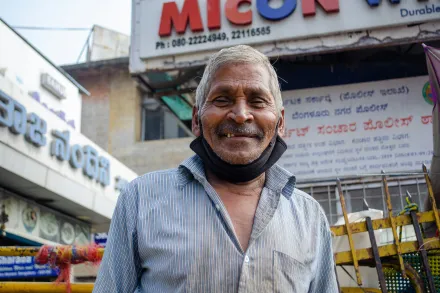
Microloans have emerged as a powerful instrument in the toolkit of development finance and small business support. They are designed to provide relatively small sums to individuals who lack access to traditional banking services, yet who demonstrate ideas, discipline, and the potential to build sustainable livelihoods. For many aspiring entrepreneurs, microloans are not merely a source of capital; they are a bridge between ambition and action, enabling people to start, stabilize, or expand microenterprises that can gradually transform households and communities. This article explores how microloans function, whom they serve, and the ripple effects they generate in economic and social ecosystems. It also examines the ethical and practical challenges that arise in microfinance programs and the ways in which technology and policy can strengthen their impact.
What microloans are and how they work
Microloans are smaller loans, typically ranging from a few hundred to a few thousand dollars or local currency units, tailored to the cash flow patterns of microenterprises. They often come with simplified application processes compared to traditional bank loans, and they may be disbursed quickly to respond to urgent needs such as purchasing inventory, repairing equipment, or securing working capital for a seasonal spike in demand. The lending model emphasizes flexibility, rapid assessment, and close borrower support rather than collateral-based risk scrutiny. In many cases lenders rely on social networks, borrower character, and community knowledge to gauge credibility and repayment discipline. The terms may include weekly or biweekly payments that align with the business's income cycles, though some programs offer monthly installments with a fixed duration. Interest rates vary by country, program, and risk, but the emphasis consistently rests on keeping access affordable while ensuring program sustainability.
Because microloans target individuals who often lack formal credit history, lenders frequently use alternative data and community mechanisms to evaluate risk. Some programs require training or mentorship as a condition of funding, and this combination of capital and capacity building helps reduce default risk by improving business practices. The disbursement process can be digitized or conducted through local field agents who visit borrowers at their shops or stalls, confirm cash usage, and monitor performance. The borrowing experience is seldom a one-off transaction; many programs encourage or require the borrower to attend financial literacy sessions, bookkeeping workshops, and ongoing coaching that strengthens their ability to manage money, plan for contingencies, and scale operations responsibly.
The barriers microloans address
One of the core strengths of microloans is their potential to break the barrier of collateral. Small entrepreneurs frequently lack significant assets to pledge, which excludes them from mainstream banking. Microfinance models instead emphasize trust, community accountability, and a focus on cash flow rather than asset value. This shift reduces the friction that keeps people on the sidelines during economic recovery or in areas where formal financial institutions have limited reach. Microloans also tackle the obstacle of low starting capital. A modest infusion can allow a baker to purchase a larger oven, a tailor to acquire a reliable sewing machine, or a vendor to secure a stock of goods that aligns with seasonal demand. By addressing both liquidity gaps and the confidence gap, microloans empower individuals to test ideas, learn from early mistakes, and gradually strengthen profitability.
Beyond collateral and capital, microloans address information gaps that often hinder small entrepreneurs. Training, mentorship, and access to business coaching embedded in loan programs help borrowers improve pricing, inventory management, and marketing. This knowledge support is particularly valuable for first-time business owners who may excel in craft or service delivery but lack formal business acumen. Lenders frequently pair funding with market information, enabling borrowers to identify niches, understand consumer preferences, and calibrate their offerings to local conditions. The combination of financial and informational support creates a more resilient path from informal activity to sustainable enterprise.
Economic and social impact for communities
The spread of microloans can have wide-ranging effects on local economies. As entrepreneurs gain access to capital, they can increase output, hire additional workers, and expand into new product lines or service areas. The incremental employment generated by microenterprises often fills gaps in the formal sector, providing informal workers with steadier incomes and improved working conditions. Over time, small businesses contribute to more dynamic local supply chains, encouraging nearby suppliers, service providers, and distributors to grow in tandem. The cumulative effect is a virtuous circle in which more income circulates locally, leading to greater demand for goods and services and encouraging further investment by households and microenterprises alike.
Microloans also frequently advance gender equity and social inclusion. In many regions, women are disproportionately represented among microloan borrowers due to the barriers they face in accessing capital through conventional channels. When women gain financial agency, they shape household decisions, invest in children’s education, and participate more fully in community life. The programmatic design of some microfinance initiatives intentionally targets women in part to unlock these social benefits, while others focus on inclusive outreach to marginalized groups, youths, or minority communities. The resulting social uplift is often intertwined with economic progress, creating a more resilient and cohesive community fabric that can withstand shocks and adapt to opportunities.
How microloans enable different business stages
In the early phase of a venture or even in the prelaunch period, microloans can provide the working capital needed to validate a concept. This might involve purchasing initial inventory, securing a storefront, or financing a pilot batch of products to test demand. Early stage funding can also cover essential marketing activities that help a new business reach customers and establish a reliable cash flow. The flexibility of microloans means borrowers can respond quickly to feedback from the market, iterating on product design and pricing without having to scale revenue before securing capital. This stage sets the foundation for sustainable growth by linking capital to practical experimentation and learning.
Once a microenterprise demonstrates steady sales and a proven business model, microloans can support expansion. Expansion may involve increasing inventory levels, upgrading equipment, or hiring additional staff to handle higher volume. In some programs, borrowers can access larger loan sizes after meeting certain performance metrics, creating a progression path from micro to small and potentially mid-sized enterprise without requiring a heavy down payment or collateral. Expansion efforts also open possibilities for diversification, such as moving into catering alongside a bakery, or offering repair services alongside a repair shop, thereby increasing resilience against fluctuations in demand for a single product line.
Additionally, microloans can help with working capital management during seasonal cycles. In many economies, demand fluctuates with holidays, harvests, or tourism trends. Access to short-cycle credit enables a business to maintain stock, cover wages, and smoothen cash flow during slow periods, reducing the risk of abrupt layoffs or missed opportunities. By aligning capital with the natural rhythms of the business, microloans support stability and continuity, allowing entrepreneurs to weather downturns and seize peak opportunities when they arise.
Challenges and safeguards in microfinance
As with any credit program, microfinance faces challenges that require careful design, governance, and oversight. Interest rates, though often lower than informal lending, must balance affordability for borrowers with the financial viability of lenders and the long-term sustainability of programs. When rates are too high or terms are opaque, borrowers may struggle to repay, triggering cycles of debt that undermine trust and risk undermining future access to credit. Responsible lending frameworks emphasize clear disclosures, fair pricing, and transparent terms that borrowers can compare across providers. They also encourage loan products that are suited to the cash flow realities of microenterprises, avoiding rigid amortization schedules that do not reflect seasonal income patterns.
Another area of concern is the risk of over-indebtedness. If borrowers receive multiple loans from different institutions or borrow beyond their repayment capacity, households can become overextended. To mitigate this, lenders may implement credit caps, co-borrower requirements, or cross-bank monitoring, along with borrower education about debt management. Strong risk management also includes regular monitoring of portfolio quality, early warning indicators of distress, and supportive interventions such as grace periods or restructuring when borrowers face shocks like illness or market downturns. The aim is to keep productive credit flowing while preventing a debt trap that can compromise livelihoods for years to come.
There are also concerns about governance and abuse in some contexts. In places where regulation is weak or where microfinance has grown rapidly, there can be predatory practices, aggressive collection, or the exploitation of borrowers through high-pressure sales tactics. Safeguards require robust regulatory frameworks, independent audits, transparent reporting, and channels for borrowers to lodge complaints. Nonprofit and mission-driven microfinance institutions may emphasize client protection, capacity building, and sustainable lending practices, whereas profit-driven lenders must still adhere to responsible lending standards. The balance between social mission and financial discipline is critical for the credibility and effectiveness of microfinance as a development tool.
Digital platforms and microloans
Technology is reshaping how microloans are originated, evaluated, and serviced. Digital platforms can streamline the application process, enabling borrowers to submit information from mobile devices, track the status of their loan, and receive funds quickly. Data from digital interactions allows lenders to assess risk more efficiently, using alternative indicators such as payment history on mobile money wallets, social networks, or business activity signals collected through point-of-sale systems. In addition, digital platforms can reduce operating costs for lenders, allowing them to offer lower fees or better repayment terms while maintaining oversight and compliance. The result is that more borrowers can access capital with transparency and speed that matches modern consumer expectations.
Adoption of digital tools also supports borrower education and ongoing coaching. Online modules, messaging reminders, and virtual meetings can provide continuous support without the need for frequent in-person visits, which expands reach into rural or geographically dispersed areas. Yet digital channels must be designed with inclusivity in mind, ensuring that women, older entrepreneurs, or people with limited digital literacy can participate. Safeguards for data privacy and user consent are essential as lenders gather more personal and financial information through digital means. When done responsibly, digital microfinance can reach segments of the population that previously faced insurmountable barriers to formal credit, enabling them to manage and grow their enterprises with greater assurance.
Success stories and patterns
Across many countries, stories of microloan recipients illustrate the tangible difference that access to capital can make. A small grocery owner might be able to stock better-quality products, negotiate favorable terms with suppliers, and recruit additional helpers during busy periods. A home-based craftsman may expand from producing a handful of items to maintaining a broader catalog, enabling them to reach new markets through local fairs or online sales channels. These narratives reflect a pattern: microloans provide not just money but confidence. The disciplined routine of repayment creates a track record that makes it easier to borrow again and to sustain growth through reinvestment. Borrowers who successfully reinvest profits often diversify into complementary activities, strengthen their brands, and create a more resilient economic footprint for their households and their communities.
There is also evidence that microfinance contributes to financial literacy and better financial behavior. As borrowers work with lenders, attend training, and monitor cash flow, they develop habits such as saving, budgeting, and planning ahead for contingencies. While outcomes vary by context, the best programs tend to build a culture of accountability and learning that extends beyond the loan itself. In some cases, microfinance outcomes include educational attainments for children, improved health indicators due to steadier incomes, and the emergence of local entrepreneurs who mentor others, creating a ripple effect that expands the pool of aspiring business owners and strengthens the local economy.
Policy and practice: creating a supportive ecosystem
Policy environments can either amplify or hamper the impact of microloans. When regulators establish clear guidelines for microfinance institutions, including capital requirements, reporting standards, and consumer protection, lenders can operate with greater confidence and borrowers can trust the system. National strategies often incorporate microfinance as part of broader poverty alleviation or small-business development plans, aligning financial access with workforce development, urban planning, and social protection schemes. Public-private partnerships can mobilize capital at scale, combining the reach of government programs with the efficiency and specialization of nonprofit or private lenders. Such collaborations can extend services to underserved regions, support capacity building, and ensure that loan products align with local realities rather than exporting models from elsewhere without adaptation.
Supportive ecosystems also require robust infrastructure: reliable payment networks, secure data systems, and customer service that treats borrowers with respect. Regulatory sandboxes can encourage innovation in product design, risk assessment, and delivery channels while maintaining safeguards for consumer protection. Community-based organizations and local banks can work together to identify borrowers with the greatest potential, tailor products to their needs, and monitor outcomes. When policy and practice converge around a clear mandate to improve living standards, microloans become a channel through which households can invest in education, health, and livelihoods while contributing to broader productivity growth within their communities.
Before seeking a microloan, aspiring borrowers can benefit from understanding the basic expectations of lenders and preparing a practical plan. A clear narrative about the business idea, the market, and the intended use of funds helps lenders assess feasibility and potential impact. Borrowers should be ready to demonstrate cash flow projections, even if approximate, and to articulate how the loan will enable revenue generation or cost savings. A well-thought-out budget for inventory, equipment, or working capital, along with a realistic repayment timetable, signals seriousness and responsibility. Some programs require attendance at training sessions, workshops, or credit counseling, which can also strengthen the borrower's skill set and reduce risk of default.
Credit history is not the only barrier; relationship and reliability often carry significant weight. Borrowers who can show consistency in keeping accounts, paying utilities on time, or maintaining a small, regular savings pattern may gain an advantage, as lenders value behavioral indicators alongside financial metrics. For some entrepreneurs, building a banking relationship gradually makes sense, especially if they expect to scale and need a sequence of financing. Because microfinance programs frequently operate in mixed ecosystems, borrowers should also research the lender’s terms, fee structure, and the flexibility of repayment options before committing. This due diligence helps ensure that the loan aligns with the business plan and the borrower's long-term financial health.
Finally, borrowers should consider the social and environmental expectations of microfinance programs. Many lenders prefer vendors who adopt transparent labor practices, sustainable sourcing, and fair prices for customers. Demonstrating a commitment to ethical operations can improve approval chances and reduce reputational risk. Even when the immediate objective is to obtain capital, responsible borrowing supports a more sustainable economy by avoiding debt traps and ensuring that microloans translate into real value for families and communities. The goal is to empower entrepreneurs to stabilize livelihoods, grow revenue, and contribute to broader development outcomes rather than merely solving a short-term liquidity problem.
Microloans represent more than a sum of money; they embody a philosophy of enabling self-reliance through practical support, education, and access to marketplaces. When designed with care, microfinance programs create a scaffold that helps individuals translate talent into viable businesses, which in turn generate jobs, foster entrepreneurship, and uplift households. The long-term benefits extend beyond the borrower to suppliers, customers, and the wider economy, reinforcing resilience during shocks and enabling communities to pursue opportunities that were previously out of reach. The interplay of capital, knowledge, and networks forms a powerful combination that can drive inclusive growth in many diverse settings.
As the landscape of microfinance evolves, stakeholders are increasingly mindful of balancing speed with responsibility, profitability with protection, and innovation with accountability. The most successful programs link capital with mentorship, market insights, and a culture of continuous learning. They recognize that microloans are not a silver bullet but a catalyst that, when integrated with policy, education, and financial inclusion, can help unlock the entrepreneurial potential of millions who would otherwise remain on the margins of the formal economy. With thoughtful design and steadfast commitment to borrower welfare, microloans can continue to open doors, widen opportunities, and contribute to a more vibrant, equitable, and dynamic economy for generations to come.