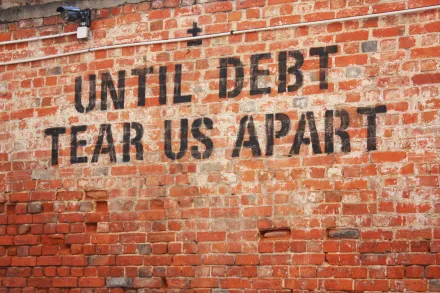
In the landscape of personal finance, debt is a tool that can either build opportunity or erode stability depending on how it is used, the cost attached, and the capacity of the borrower to manage it over time. To navigate this terrain with clarity, it helps to distinguish between debt that opens doors to future value and debt that drains resources without delivering meaningful returns. The concepts of good debt and bad debt are not about moral judgments but about practical outcomes, opportunity costs, risk, and how a given obligation aligns with an individual's long term goals and life circumstances. This exploration seeks to illuminate the characteristics, advantages, and potential pitfalls of debt in everyday financial decision making while emphasizing prudent planning and disciplined management that can transform borrowing into a strategic advantage rather than a recurring burden.
Defining the terrain and the intuitive framework
At its core, debt represents a commitment to repay borrowed money with interest over a predetermined period. The value of that borrowing rests on the expected benefits gained from the use of the funds and the certainty with which those benefits can cover the cost of borrowing. Good debt emerges when the funds are employed in a way that increases future cash flow, expands earning potential, or creates lasting assets that can be leveraged for decades. Bad debt often arises from purchases that do not retain or enhance value, or that carry interest rates and terms that make repayment difficult relative to the benefits received. The framework rests on three pillars: lasting value, affordability, and resilience in the face of financial stress. When these pillars align, debt has the potential to be constructive rather than corrosive to financial health.
What qualifies as good debt
Good debt is typically associated with investments that appreciably raise an individual’s future income, quality of life, or net worth over time. A classic mortgage is a common example because the home often serves as a durable asset that may appreciate and also provides shelter that would otherwise be an ongoing living expense. The mortgage enables the accumulation of housing equity while the borrower benefits from shelter in the present. Student loans can also be considered good debt when the education funded leads to higher earnings, greater job security, or competitive advantages in a chosen field. A business loan to start a venture, scale an enterprise, or invest in equipment can be productive if the expected return exceeds the cost of capital and the business plan is sound. The essence of good debt lies in the incremental value created relative to the total cost of borrowing, including interest and fees, and the borrower’s ability to repay within a reasonable horizon without compromising essential living expenses.
Another facet of good debt is the strategic use of leverage in investments that have documented, evidence based potential to grow wealth over time. For example, when a rental property generates positive cash flow after mortgage payments, maintenance, and taxes, the ongoing ownership can build equity and financial stability. Likewise, financing a vital professional certification or specialized training with the expectation of improved wages can be a prudent decision if the new income stream is reasonably assured. In each of these cases, the debt is governed by a plan, a realistic timeline, and a pathway to service the debt without sacrificing emergency liquidity or other essential financial goals. When debt aligns with a clear plan to increase net worth, reduce future costs, or expand productive capacity, it is more likely to be categorized as good debt.
What qualifies as bad debt
Bad debt generally refers to obligations that fail to deliver commensurate value, or that impose costs that outstrip any potential benefits. Credit card debt with high interest rates that funds everyday consumption rather than durable assets is a common example, because the carrying cost can become a heavy drag on financial progress. Payday loans and other high cost, short term financing can trap borrowers in cycles of repayment that exhaust future income and erode credit standing. Medical debt, though sometimes unavoidable, can also become bad debt when it is accompanied by high costs, limited access to affordable care, and insufficient income to cover basic needs. Crucially, bad debt is not merely about the amount borrowed but about the ratio of the cost of borrowing to the realized value of the borrowed funds and the borrower’s capacity to sustain payments across changes in income and life circumstances. When interest compounds, fees accumulate, and the debt persists far beyond the period that the funds were intended to support, the debt moves from a potential instrument of opportunity to a source of ongoing risk and vulnerability.
Another dimension of bad debt is misalignment with personal goals and risk tolerance. If a borrower’s priorities include saving for retirement, building an emergency fund, or funding education for dependents, debt that undermines those aims or constrains discretionary spending can be considered unhealthy. The emotional and cognitive load associated with high debt levels can also degrade decision making, reducing the ability to plan for the future. A borrower who cannot accurately estimate the true cost of borrowing, who is exposed to variable interest rates, or who faces a narrow budget with limited flexibility is more susceptible to debt becoming bad in practice, even if the initial terms appear manageable on paper. This underscores the idea that good debt is not just about the asset acquired, but about the broader context of personal finances, discipline, and long term security.
The role of interest, terms, and cost of capital
The cost of debt is primarily defined by interest rates, but it is shaped by the terms of the loan, the repayment schedule, and any fees or penalties embedded in the contract. A key distinction between good and bad debt often centers on whether the borrowing costs are justified by the expected returns and whether the debt can be serviced even under adverse conditions such as job loss, economic downturns, or rising living costs. When interest is low and terms are reasonable, debt can be a bridge to future gains, and the likelihood of being able to service the obligation remains higher. By contrast, when interest is high, terms are short or complex, and the total cost of capital overwhelms the anticipated benefit, debt becomes a risk that can spiral into missed payments, damaged credit, and reduced financial flexibility. The concept of affordability is essential here; it is not merely the monthly payment that matters but the total debt service as a share of income and the buffer that exists for unexpected expenses.
Thoughtful borrowers assess the true annual percentage rate, but they also consider the amortization profile, the effect of compound interest, and the extent to which prepayment options are available without penalties. A loan with a long horizon and steady payments that ultimately reduces the borrower’s monthly living costs or expands earnings potential can be more forgiving and valuable than a short term loan that delivers a quick but illusory benefit. The interplay between interest rate, term length, and the reliability of future income is central to distinguishing good debt from bad debt, because it anchors the decision in the probability of maintaining healthy finances across changing circumstances.
Tax considerations and strategic use of tax advantages
Tax policy can tilt the calculus in favor of certain types of debt by providing deductions or credits that reduce the after tax cost of borrowing. Mortgage interest deductions, for example, have historically made home ownership more attractive for many households by reducing the effective price of debt. Student loan interest deductions and employer subsidies for education can also improve the return on borrowing for skill development. While tax advantages are meaningful, they should be weighed against the broader financial impact, including after tax cash flow, opportunity costs, and the risk of over borrowing in pursuit of tax incentives. The favorable tax treatment does not eliminate risk; it simply changes the economics of the debt and can influence decisions about home purchases, education funding, and business investments. A careful approach recognizes that tax benefits are a component of the overall return on debt, not a free pass to borrow without prudent analysis of the underlying investment’s value and the borrower’s capacity to carry the debt through potential economic cycles.
In practice, savvy borrowers model after tax cash flows, accounting for tax brackets, the marginal benefit of deductions, and the possibility that policy changes could alter the value of these incentives in the future. They also consider whether the asset acquired with debt yields income that is taxed differently than other sources of cash flow. When these tax signals are favorable and the debt aligns with durable, appreciating assets or income growth, the debt may be classified as good in a tax aware framework. Conversely, if the tax benefit is uncertain or fragile and the debt primarily finances consumption, the classification as good or bad remains influenced by more than the tax outcome alone.
Impact on credit scores and long term financial flexibility
Borrowing interacts with credit histories in ways that reverberate across many aspects of financial life. Debt can help build a positive credit profile through timely payments and diversified credit types, which improves credit scores and expands access to capital on favorable terms in the future. On the other hand, excessive debt or missed payments can damage creditworthiness, leading to higher interest costs, stricter lending standards, and reduced borrowing power when it is most needed. The distinction between good and bad debt is therefore not only about the intrinsic merits of the asset purchased, but also about how debt behavior shapes credit risk and future financial flexibility. Responsible management—making payments on time, keeping balances proportionate to income, and avoiding overextension—plays a crucial role in using debt as a constructive tool rather than a constraint.
The rhythm of repayment matters as well. A well structured plan that prioritizes essential expenses and buffers against income shocks supports a healthier credit life. When borrowers consistently service debt and maintain reasonable credit utilization ratios, they create a favorable pathway to future opportunities such as lower borrowing costs for major purchases or the option to pursue new ventures. In contrast, a pattern of high utilization, frequent delinquencies, and aggressive credit expansion can undermine credit standing and complicate financial resilience in times of stress. Thus, the way debt is managed is as important as the decision to incur it in the first place.
Evaluating personal circumstances and risk tolerance
Every individual faces a distinct combination of income stability, family responsibilities, asset base, and personal comfort with risk. Good debt for one person may be less favorable for another because the same investment interacts differently with differences in job security, household obligations, and long term plans. A conservative investor with a tight monthly budget may favor minimal debt and higher liquidity, preferring to wait for clear opportunities with low risk. A different person with a strong track record of income growth and a willingness to assume calculated risk might leverage debt to accelerate wealth accumulation. The evaluation process involves a candid assessment of present needs, future expectations, potential disruptions, and the degree to which the borrower trusts their ability to navigate economic volatility. In this sense, the boundary between good debt and bad debt is not universal; it is highly personal and anchored in ongoing financial discipline and planning.
Discipline extends to how debt interacts with other goals such as retirement funding, emergency savings, and education for children. A prudent plan maintains adequate liquidity to handle emergencies, ensures ongoing retirement contributions even while servicing debts, and sequences debt repayment in a way that preserves optionality for future choices. When personal circumstances change—through job transitions, health considerations, or family needs—the classification and management of debt can evolve as well. The resilient approach is to maintain a dynamic view of debt that accommodates change and keeps long term goals within reach while balancing current living standards with future security.
Debt management strategies for good debt
Effectively managing good debt involves a combination of careful planning, cost awareness, and proactive optimization. It begins with a thorough comparison of loan options, including interest rates, fees, and repayment terms, accompanied by a realistic forecast of future income and expenses. Refinancing opportunities can reduce the interest burden if rates have fallen or if personal credit quality has improved since the loan was originated. Building equity gradually through steady payments can transform debt into a growing asset, particularly in the case of home ownership or investment property. In business finance, aligning debt with a clear revenue growth plan and a robust cash flow projection helps ensure that the debt remains constructive rather than burdensome. This approach also emphasizes maintaining an adequate emergency reserve to protect against unexpected downturns, which enhances the resilience of debt strategies when confronted with adverse events.
Cost awareness remains central. Borrowers who shop for the lowest possible financing costs, who negotiate terms with lenders, and who avoid ancillary products with high fees tend to preserve more of the potential upside of their investments. The diligence to understand amortization schedules, to consider prepayment options, and to assess the tax implications of borrowing can yield meaningful long term savings. Finally, an emphasis on ongoing education about personal finance and debt management equips individuals to adjust their plans as markets change, as interest rates shift, and as life circumstances require new budgeting priorities. A disciplined, informed approach to good debt strengthens financial foundations and supports sustainable wealth building over time.
Strategies to avoid bad debt and reduce unnecessary borrowing
Avoiding bad debt starts with a clear and realistic budgeting framework that identifies essential expenses, discretionary spending, and savings targets. When debt is used to fund consumption that does not deliver lasting value or does not improve future earning potential, it enters the realm of bad debt. Borrowers can reduce reliance on high cost financing by building up an emergency fund, which lowers the likelihood that unforeseen expenses force them into costly lending arrangements. Using cash or debit for everyday purchases helps cultivate discipline and curbs impulse buying, while creating a buffer against the temptation to carry balances. The choice to postpone non essential purchases until they can be funded with savings reinforces prudent behavior and protects against the long term costs of high interest.
Alternative strategies may include seeking lower cost financing, negotiating for better terms, or choosing to delay certain expenditures until enough resources are accumulated. For education and career advancement, exploring scholarships, employer sponsorships, or part time work during studies can reduce the amount of debt required and therefore the risk profile of the investment. When faced with debt that looks unavoidable, approaching it with a plan to minimize cost, shorten the repayment horizon, and protect essential living needs is crucial. A cautious, informed stance toward borrowing emphasizes value creation, cost containment, and a steady improvement in financial resilience at every stage of life.
Techniques for debt payoff and psychological elements
Paying down debt is both a numerical calculation and a behavioral challenge. In practical terms, borrowers can adopt a strategy that favors reducing principal steadily while preserving the ability to meet fixed expenses and save for emergencies. Conceptually, this involves prioritizing high interest obligations first, while maintaining minimum payments on other debts to preserve credit standing and avoid penalties. The psychological dimension includes creating visibility for progress, celebrating milestones, and maintaining motivation through tangible markers of improvement. A clear plan that links debt payoff to broader life aims, such as home ownership, education, or retirement readiness, can strengthen commitment and reduce friction during tougher months. The critical ingredient is consistency: regular, disciplined payments anchored in a realistic budget and a resilient financial mindset.
Beyond the numbers, developing healthy financial habits supports durable debt management. Automating payments, keeping credit utilization moderate, and periodically reviewing debt terms help maintain control. The goal is to create an environment where debt serves as a tool for achieving meaningful outcomes rather than a source of stress. When individuals align their repayment approach with their personal values and long term objectives, debt payoff becomes a progressive journey toward greater financial freedom rather than an ongoing obligation that taxes daily life. In this sense, the process of reducing debt transforms from a mere chore into a constructive, value oriented habit that reinforces sustainable wealth creation.
Case studies and practical illustrations
Consider a scenario in which a person purchases a home with a mortgage that carries a moderate interest rate and a long enough horizon to allow steady equity buildup without overextending monthly payments. In this case the debt can be justified as good debt if the homeowner values shelter, stability, and potential appreciation alongside the financial obligation. Another example involves financing a degree through a student loan with a workable repayment plan and a field with strong earnings potential. If the resulting career path yields higher lifetime income than the debt costs, this bet on future earnings has merit. Conversely, a situation where a consumer runs up high interest credit card balances to fund expensive discretionary purchases without a clear path to improved income or substantial value can quickly degrade into bad debt. The net effect of each scenario depends on the alignment of the loan with future cash flows, the borrower’s discipline, and the surrounding financial ecosystem that supports timely repayment.
In professional contexts, business loans can function as good debt when used to acquire assets that enhance productivity and lead to higher cash generation. If the business plan includes rigorous budgeting, market validation, and a credible risk assessment, the borrowed capital can amplify growth and spread risk across larger scales of operation. In health care, medical debt often arises from necessary treatments; when possible, arranging payment plans, negotiating costs, and seeking insurance coverage minimizes the punitive consequences of medical expenses. These real world examples illustrate how the same instrument—debt—can embody divergent outcomes depending on the purpose of borrowing, the economic environment, and the degree of prudent stewardship applied by the borrower.
Debt in life stages and evolving priorities
As individuals progress through different life stages, the role of debt shifts. Early career years may emphasize student loans and establishing credit, while mid career periods focus on mortgages, family needs, and investment accounts. In later stages, the priority often becomes preserving wealth, reducing exposure to risk, and allocating resources toward retirement security. Each stage presents a unique mix of opportunities and constraints, shaping what constitutes good debt and what should be avoided. The ability to adapt debt strategies in response to evolving income, goals, and family responsibilities is a mark of financial maturity and resilience. A flexible mindset that revises plans in light of new information and changing circumstances strengthens long term outcomes and reduces the likelihood of debt turning into an obstacle rather than a vehicle for improvement.
Additionally, the social and economic context can influence debt decisions. Interest rates, inflation, housing markets, and educational costs vary across regions and over time, and they interact with personal circumstances in multifaceted ways. A prudent borrower remains attentive to these dynamics, seeking professional guidance when needed and maintaining a clear sense of how debt fits within a larger life plan rather than treating borrowing as a default response to every financial pressure. By balancing ambition with caution and striving for alignment between debt and durable value, individuals can cultivate a financial posture that supports secure progress and sustainable wealth creation across the decades.
Behavioral insights and the behavioral economics of debt
Human decision making about debt is influenced by cognitive biases, emotions, and social norms. Optimism about future income, overconfidence about investment skills, and the allure of immediate gratification can all lead to decisions that inflate debt levels. Recognizing these tendencies and building systems that counteract them—such as setting automatic payments, establishing clear financial boundaries, and seeking accountability through trusted partners—helps translate good intentions into durable results. Behavioral insights also suggest that framing debt in terms of opportunity costs, rather than as a mere monthly obligation, can shift attitudes toward more deliberate planning. When people see debt as a lever that can unlock meaningful life outcomes rather than a default habit, they are more likely to adopt strategies that preserve financial health for the long run.
Technology and behavioral science together offer powerful tools for managing debt responsibly. Digital budgeting platforms, credit monitoring services, and automated savings programs can reduce friction and increase the likelihood of consistent repayment. Yet technology alone is not a substitute for judgment and discipline. The combination of informed decision making, steady execution, and an overarching plan grounded in personal values creates an environment in which debt can serve as a constructive instrument rather than a recurring source of stress. In this integrated view, understanding the qualitative aspects of debt—such as purpose, alignment with goals, and resilience under pressure—complements numerical analysis and strengthens financial outcomes across lifetimes.
Practical steps to get started today
The journey toward distinguishing good debt from bad debt starts with a careful audit of your current obligations and a candid view of your financial position. Begin by listing all debts, noting interest rates, monthly payments, and remaining balances. Next, assess each debt's purpose and the value created by the financed asset or service. For debts with high interest and little perceived value, map out options that could reduce costs, such as refinancing, consolidation, or targeted payoff strategies that minimize interest exposure while preserving essential living standards. It is also wise to ensure that an adequate emergency fund exists, because liquidity cushions reduce the risk of falling behind on debt obligations when life surprises occur. Strengthening income through skill development or strategic career moves can further improve the capacity to manage debt responsibly and create a more favorable trajectory for wealth accumulation.
As you refine your approach, consider incorporating a simple framework that keeps you focused on fundamental principles: pay on time to maintain credit health, limit high cost borrowing, invest in assets that have the potential to grow value, and reassess regularly as circumstances change. The aim is to develop habits that sustain long term financial well being while allowing borrowing to contribute constructively to your goals. With thoughtful planning, your relationship with debt can shift from uneasy dependence to a disciplined, purposeful partnership that supports growth, security, and peace of mind in daily life and over the horizon of years to come.
In every stage of life, the question remains the same: does this debt bring a genuine, measurable, and lasting benefit relative to its cost, and does it fit within a broader plan that preserves flexibility and protects essential needs? When the answer is yes, debt can be a powerful ally on the road to financial resilience. When the answer is no or uncertain, it is wiser to pause, re evaluate, and adjust rather than proceed with a course that may yield temporary satisfaction at the expense of future security. This disciplined approach to debt—rooted in value, affordability, and prudent risk management—helps ensure that the choices you make today serve a more secure and prosperous tomorrow without sacrificing the essentials of everyday life.