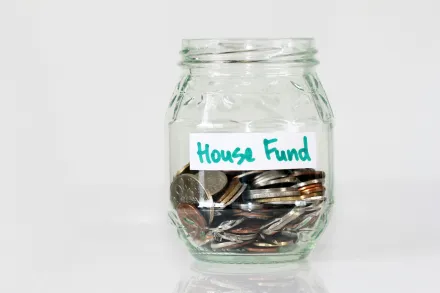
In a world where the unexpected can arrive like a sudden gust of wind, an emergency fund stands as a quiet shield that can soften the blow of life’s disruptions. People often delay building such a cushion, hoping luck or a favorable financial stretch will prevent crises. Yet crises do not schedule themselves, and a well stocked reserve can mean avoiding debt, keeping essential commitments, and preserving long term goals even when a paycheck is delayed or an large expense appears out of nowhere. The purpose of this article is not only to explain why an emergency fund matters, but to guide you through a practical, humane plan that starts from your current situation and evolves into a sustainable habit that protects your finances and your peace of mind.
What an emergency fund is and isn’t
An emergency fund is liquidity, plain and simple. It is money that you can access quickly and without penalties, typically in a account that preserves value while earning some interest. It is not meant to be an investment vehicle nor a place to chase high returns by taking on risk. It exists to cover the bare essentials when income is interrupted: housing costs, utilities, food, transportation, and a small reserve for unexpected medical or car expenses. It is also a buffer against the emotional pressure that comes with financial emergencies, giving you breathing room to make thoughtful decisions rather than reckless moves. Understanding the difference between an emergency fund and other savings helps you prioritize, allocate resources, and resist the impulse to dip into funds that are earmarked for future goals such as vacation, home improvements, or education. The fund is a tool, not a vanity project, and its value grows precisely because it remains accessible and undisturbed by market fluctuations or the lure of speculative ventures.
Setting a realistic target for your fund
A crucial step in building an emergency fund is selecting a target size that matches your life circumstances while remaining achievable. Common professional wisdom suggests three to six months’ worth of essential living expenses, but the right number for you depends on your financial structure and risk tolerance. Start by tallying the core monthly costs that would continue even in a crisis: housing payments or rent, utilities, groceries, essential transportation, insurance premiums, minimum debt payments, and any recurring obligations that you must meet to keep your life stable. Then multiply by a window that feels safe given your job stability, family responsibilities, and potential family medical needs. If you have stable employment with decent protections, three months might be a strong minimum. If your income fluctuates or you bear higher fixed costs, six months or more could be prudent. This target should feel both ambitious and practical, something you can work toward in a disciplined, measurable way rather than a distant dream that remains untried.
Assessing your current finances honestly
To move forward with a clear plan, you need an honest snapshot of where you stand. Gather your recent pay stubs, bank statements, and any debt balances. Identify your fixed monthly costs and your variable spending, then calculate your average discretionary allowance. Consider whether you have any existing savings that could be redirected toward the emergency fund without compromising essential commitments or inciting needlessly high debt. A useful approach is to separate your finances into three zones: the essential, the flexible, and the aspirational. The essential is things you cannot easily live without, the flexible covers nonessential expenses that can adjust if circumstances change, and the aspirational represents goals and luxuries that can be paused in favor of safety. By understanding where your money currently flows, you can see where to cut, redirect, and accelerate contributions toward your fund without feeling deprived for long. This honest audit also helps you recognize any recurring expenses that can be eliminated or altered to free up cash for the fund while keeping your daily life comfortable and dignified.
Choosing the right place to hold your fund
The choice of where to hold the emergency fund matters almost as much as the amount you save. Liquidity is the primary requirement, so you want an account that you can access quickly with minimal friction. A high‑yield savings account often provides a good balance between accessibility and earning potential, offering modest interest rates that outpace inflation in many cases and a straightforward interface for transfers. Some people prefer a money market account for slightly higher liquidity and sometimes higher yields, though you should compare fees and minimum balance requirements. The key is to avoid accounts with withdrawal limits that could slow you down during a real emergency, or accounts that impose penalties for transfers. It can also be wise to split the fund across two easy-to-access locations, such as a main savings account and a secondary bucket to be used for near-term expenses or to reduce the temptation to dip into it for nonessential purchases. Safety is essential, so keeping the fund in accounts insured by the appropriate government agency is a practical safeguard. The underlying principle is simple: keep the money accessible, safe, and free from traps that discourage timely use when you truly need it.
Bootstrapping strategies that work from day one
Starting from scratch requires a blend of small, consistent actions and smarter allocation of resources. Early wins tend to come from a combination of cutting nonessential expenses, squeezing more value from existing income, and creating a deliberate savings rhythm. You can begin by tabulating all nonessential subscriptions you rarely use and turning off auto‑renewals, reviewing recurring services that you can pause when money is tight, and choosing a cheaper alternative for at least a portion of your monthly needs. Every dollar you free up becomes a thread weaving into your safety net, and the psychological benefits can be as meaningful as the monetary ones. At the same time, set up automatic transfers that move a fixed amount from each paycheck into your emergency fund on the same day you are paid. Automation reduces the friction of saving, prevents the temptation to spend before you save, and gradually composes a substantial reservoir over months. Small, steady increments often beat large, irregular contributions that vanish into the noise of everyday life. This patient approach creates momentum that compounds not just financially but in your sense of control over your own circumstances.
Automating savings and creating a steady cadence
Automation turns intention into routine. By scheduling automatic transfers to your emergency fund on payday, you ensure that savings happen without you having to make daily decisions. If your income is irregular, you can set up a baseline transfer on every workday or week and adjust when a higher bonus or overtime appears. The idea is to honor the discipline of saving as a nonnegotiable expense, similar to rent or utilities. Pair automation with a monthly review where you compare actual spending against your plan and adjust the pace if you fall behind or if you gain windfalls. The process should feel empowering rather than punitive, a quiet shift toward financial resilience rather than a dramatic, temporary overhaul. In time, the fund grows into a reliable cushion that reduces stress when misfortune strikes and provides you the option to respond rather than react under pressure. The routine becomes a habit that preserves both your resources and your confidence.
Reducing expenses without sacrificing essential quality of life
Reducing costs is not about deprivation; it is about prioritizing what truly matters and minimizing what does not. Start by examining recurring expenses that add up over a month, such as dining out, impulse purchases, or premium services that you can substitute with cheaper alternatives. Sometimes a small change, like cooking more meals at home, buying habits that favor quantity over trend, or using public transit for part of your commute, can free substantial funds for your fund. It’s also useful to restructure your debt if you have high-interest obligations. Lower interest rates and longer payment terms can reduce monthly outlays, allowing more room for savings while preserving your ability to meet essential needs. The overarching aim is to preserve your standard of living in real terms while redirecting a portion of the money that would otherwise vanish into everyday consumption toward a durable safety net. This transformation is about value alignment: spending on what preserves security and peace of mind, not chasing short-term pleasures that jeopardize long-term stability.
Boosting income as a deliberate accelerant
When expenses are already lean and saving is still slow, raising income becomes a natural lever to reach your target faster. This does not require dramatic leaps, but it does demand intentional planning. You can explore flexible side work that aligns with your skills and schedule, such as freelance tasks, project-based gigs, or seasonal work that complements your regular job. The aim is to create a reliable extra stream that you can consistently divert toward the fund, without compromising your primary job performance or personal relationships. Consider negotiating a raise based on demonstrated value or expanding responsibilities that can lead to higher compensation. The key is to keep the added effort sustainable over many months, ensuring that the pursuit of a larger cushion never collapses under fatigue or burnout. A sustainable approach recognizes both the limits of your time and the value of incremental gains, turning a modest side venture into a meaningful contributor to your emergency reserve.
Keeping debt in check while you grow your fund
Debt management is a companion discipline to saving, because high debt costs can consume a portion of what you could otherwise set aside for emergencies. If you carry high-interest debt, prioritizing its repayment can significantly accelerate the growth of your fund by reducing the required future interest outlay. A prudent sequence might involve paying down the most expensive obligations first while maintaining minimum payments on others and simultaneously building a starter emergency balance. This approach minimizes the risk of debt spirals and keeps you from using credit as a default option when a crisis arises. It also reinforces your sense of progress by decreasing the emotional and financial friction associated with outstanding balances. The long-term effect is a healthier budget where the emergency cushion grows with fewer constraints, and the dependency on debt to weather storms decreases as you gain confidence in your own resilience.
Windfalls, bonuses, and opportunistic inflows
Unexpected money—from tax refunds, work bonuses, gifts, or selling unwanted items—offers a valuable moment to intensify your emergency fund. Rather than treating windfalls as opportunities for discretionary spending, you can allocate a meaningful portion toward the safety net. Even a modest percentage, if consistently applied, can shorten the path to your target and reinforce the habit of directing unexpected resources to security first. This strategy requires discipline and a clear rule: decide in advance what share of any windfall you will save, and adhere to it even when the impulse to celebrate with new purchases is strong. By creating a predictable rule around windfalls, you transform irregular inflows into a dependable engine for resilience, reducing the temptation to divert these funds into nonessential areas and preserving the long-term integrity of your plan.
Tracking progress and sustaining motivation
Visibility into progress is a powerful motivator. Maintain a simple ledger that shows the current balance, the target size, monthly contributions, and any withdrawals. Regularly review how far you have come and how much closer you are to your goal, while also noting any changes in your income, spending, or life circumstances. Acknowledging milestones—such as reaching the halfway point or achieving a full month with steady accumulation—can reinforce the habit and sustain momentum. Visual cues, even subtle ones like a calendar mark or a digital progress bar, can create a positive feedback loop that keeps you engaged. Remember that the aim is consistency over perfection; even small, persistent steps accumulate into a robust emergency fund that becomes a dependable partner in your financial life rather than a distant aspiration.
Common mistakes to avoid while building your fund
Avoid treating the emergency fund as a temporary project that you abandon once a particular milestone feels achieved. The fund should be a living part of your financial landscape, with regular assessments that reflect changes in your life and in the economy. Do not raid the fund for nonemergency purposes, such as a vacation or a luxury purchase, unless you have a preplanned, exceptional reason and a clear plan to replenish it quickly. Avoid investing the money in assets that are not truly liquid or that could lose value when you need it most. And resist the urge to postpone saving indefinitely by promising someday to start—start now, even if the initial amounts are small. Consistency matters more than the size of the first deposit, because the compound effect of months and years yields a stable, durable buffer that supports both daily living and long-term goals.
Reassessing target size as life changes
Life is dynamic, and your safety needs will adapt over time. As you achieve your initial target, you might adjust your goal upward if your responsibilities grow, your income improves, or your exposure to risk increases. Conversely, temporary financial strain might require pausing the pace for a period while you stabilize essential expenses. The process of reassessment should be deliberate and data-driven: revisit your monthly burn rate, review any changes in fixed costs, and re-establish a new target that reflects current realities. This is not a verdict of failure but a natural evolution of your financial strategy. Treat adjustments as part of a mature plan that respects both safety and practicality, ensuring that your emergency fund remains aligned with your present needs and your future ambitions.
Maintaining accessibility while preserving value
To protect against erosion from inflation, choose a savings vehicle that offers modest growth while maintaining easy access. A high‑yield savings account can deliver interest that compounds over time, helping the fund keep pace with the cost of living. If you prefer more structure, a money market account or a short‑term certificate of deposit with a no-penalty withdrawal option can be appropriate, provided the liquidity remains sufficient for emergencies. It is essential not to lock away the money in instruments that penalize you for early withdrawal or that require days to access funds during a crisis. The balance to strike is clear: prioritize immediacy and reliability while selecting a vehicle that offers some protection against inflation so that your real purchasing power does not degrade over time. This equilibrium safeguards your ability to respond to emergencies with confidence rather than fear.
Building a habit that lasts across life stages
From early career through retirement, the emergency fund should remain a steady companion. In younger years, it can be a practical stepping stone that reduces reliance on debt when job transitions or life events occur. In later years, it can provide a cushion for unexpected healthcare costs, family contingencies, or sudden changes in income. The habit endures by keeping the process simple, revisiting your budget, and maintaining automated contributions even when life becomes busy. Partnering with a trusted adviser or a friend who shares your goal can offer accountability and practical tips. In any case, the theme remains constant: a modest, consistent effort today yields a reliable shield tomorrow, and the discipline you develop in the early stages lays groundwork for stronger financial resilience for years to come.
Putting the plan into action: a practical 12-month path
Start with a realistic assessment of your first three months of essential expenses, and set a target that seems achievable but meaningful. Begin by identifying a fixed monthly contribution that you can commit to, even if it is a small amount, and automate it so that it happens without conscious effort. In the second month, review your expenses again for potential savings and reallocate any freed up funds toward the fund. By the third month, assess whether the target is within reach and adjust the automatic transfer upward if your situation allows. As you approach the sixth month, gradually increase the monthly contribution toward your goal and consider building a secondary reserve for near-term needs as well. By the ninth month, you should feel confident that your cushion is growing steadily, and by the end of the year, you may have achieved a substantial fraction of your target or even surpassed it if windfalls and extra income supported the effort. The key is to maintain momentum, stay disciplined, and view each month as a step forward rather than a single moment of triumph or defeat.
Long‑term resilience: when to revise expectations and strategies
The need for a robust emergency fund does not vanish with time, and the strategies that created it should adapt as life evolves. If you experience a major life change such as a new job, a relocation, or a larger family, take time to re‑evaluate the fund’s size, accessibility, and the speed at which you contribute. If your business or career experiences a windfall or if your savings rate accelerates due to improved efficiency, consider increasing the target to reflect a new level of security. Conversely, if your financial responsibilities shift downward or you encounter a prolonged period of hardship, you may temporarily adjust the cadence while deliberately safeguarding the core principle of living within your means. The enduring truth is that an emergency fund is not a static artifact but a dynamic instrument that supports ongoing stability, and it should be revisited with the same calm, data‑driven approach that guided its creation.
Myth‑busting: common misconceptions about emergency funds
One common myth is that an emergency fund should be kept somewhere out of reach or that it must be a perfect match for a single crisis scenario. In reality, it is a flexible resource designed to cover a broad range of temporary shocks. Another misconception is that interest rates must always exceed inflation for a fund to be valuable; even when yields are modest, the fund’s true value lies in liquidity and the avoidance of debt. A third misconception is that building a fund requires dramatic sacrifices forever; in truth, thoughtful planning, automation, and incremental improvements over time produce a cushion that remains manageable and protective. By dispelling these myths and focusing on measured, practical steps, you can cultivate a fund that serves as a reliable anchor in your finances without eroding your sense of freedom or happiness.
Final thoughts: integrating the emergency fund with a broader financial plan
In many ways, the emergency fund is the foundation of a broader financial strategy designed to build security, confidence, and opportunity. When you know you have a safe buffer, you are more willing to pursue productive opportunities, whether it is switching careers, investing in yourself, or making prudent long-term commitments. The fund also reinforces a mindset of intentional living: money becomes a tool to protect what matters, rather than a source of constant worry. As you move forward, treat the emergency fund as a living partner—revise it as needed, maintain a steady cadence, and allow it to support your other goals by freeing you from the fear that one misstep could derail everything. With patience and discipline, your scratch-built cushion can grow into a resilient base that makes your entire financial life stronger, more predictable, and more sustainable for years to come.