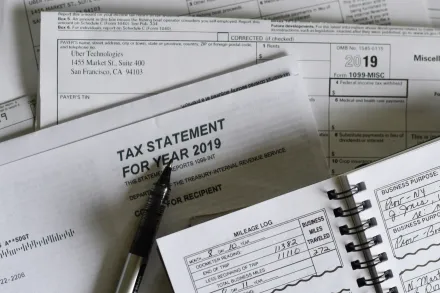
When financial pressures arise and a tax bill becomes unmanageable in a single payment, an installment agreement can offer a practical path to resolution. An installment agreement is a formal arrangement established with the tax authority that allows a taxpayer to pay the total outstanding amount in smaller, scheduled installments over an agreed period. The goal of this approach is to restore compliance with tax obligations while avoiding harsher enforcement actions such as levies, liens, or more aggressive collection methods. For many individuals and small businesses, installment agreements provide a realistic way to manage cash flow, reduce immediate stress, and maintain a steady path toward full settlement without sacrificing essential financial stability.
The process of applying for an installment agreement typically involves a careful examination of the taxpayer’s current financial situation, an understanding of the total balance due, and a plan that demonstrates the ability to meet the proposed payment schedule. It is important to recognize that an installment agreement is not a free pass from interest or penalties that accrue on the balance, but rather a structured mechanism to manage ongoing obligations while keeping the taxpayer in good standing with the tax authorities. Before initiating an application, it is useful to have a clear picture of income, expenses, assets, and liabilities, as these elements determine the feasibility of proposed payments and influence the terms that may be offered or requested by the tax agency. A thoughtful approach to documenting financial information increases the likelihood of a favorable review and a smoother, timely approval process.
In many jurisdictions, the eligibility criteria for installment agreements center on the existence of an outstanding tax debt, the taxpayer’s demonstrated ability to pay within a reasonable timeframe, and the absence of other factors that could undermine the collection effort. The tax authority may consider the taxpayer’s current income, fixed obligations, and any extraordinary expenses when evaluating a proposed plan. For some taxpayers, the option of a streamlined installment agreement exists for smaller balances or shorter repayment periods, while those with larger liabilities or complicated financial situations may be asked to provide more detailed financial information through formal statements or budgeting documentation. It is essential to approach the application with honesty, completeness, and a willingness to adjust the plan if new information appears or if changes in circumstances warrant modification of the payment schedule.
One of the central questions when contemplating an installment agreement is whether the balance will remain accessible to the tax authority during the repayment period. In many cases, the agreement will require ongoing communication and updates, and any material change in income or expenses can necessitate a review and potential modification of the terms. Taxpayers should also be aware that interest and, in some cases, penalties may continue to accrue on the outstanding balance even after the agreement is in place, unless specific relief provisions are applicable or the terms explicitly provide relief from certain charges. Understanding these nuances helps set realistic expectations and reduces the risk of default, which can lead to more severe collection actions or a demand for immediate payment of the full amount due. By familiarizing themselves with these dynamics, taxpayers can approach the application with clarity and confidence, knowing that they are pursuing a practical and legally sound solution rather than a temporary delay without a plan.
As you prepare to embark on the process, it is beneficial to distinguish between different types of installment arrangements. Short-term installment agreements generally cover smaller balances and shorter repayment periods, often with more flexible terms and fewer formal requirements. Long-term installment agreements may accommodate larger debts and longer horizons, but they typically involve a more rigorous review of financial information and a formal agreement that establishes monthly payment amounts and due dates. In some situations, taxpayers may negotiate automatic withdrawal from a bank account or other payment methods to ensure timely payments, which can improve the likelihood of maintaining compliance and preventing default. The choice between online, phone, or mail-based applications depends on personal preferences, accessibility, and the urgency of resolving the outstanding obligations, but all routes share the common objective of establishing a workable, enforceable plan that aligns with the taxpayer’s financial reality.
Ultimately, the decision to pursue an installment agreement is a proactive step toward stabilizing finances, preserving access to essential services, and fulfilling statutory obligations in a structured, predictable manner. By engaging with the process, collecting the right documentation, and presenting a credible plan, taxpayers can convert a daunting balance into a series of manageable payments that reflect their current capacity while maintaining attention to compliance. The following sections provide a detailed roadmap to guide readers through the practical, procedural, and strategic aspects of applying for installment agreements on outstanding taxes, with emphasis on clarity, accuracy, and responsible financial stewardship.
Understanding the purpose and scope of installment agreements
At its core, an installment agreement is a negotiated arrangement that acknowledges a specific debt and establishes a schedule of partial payments designed to satisfy that debt over time. This concept serves two essential purposes. First, it prevents immediate disruption to daily life caused by aggressive collection actions and preserves essential access to resources by allowing time to generate funds. Second, it creates a transparent framework in which the tax authority can monitor progress, respond to changes in financial circumstances, and enforce the agreed terms if the plan is adhered to. The concept of installment agreements is rooted in the recognition that the ability to pay often evolves, and a flexible, documented plan can accommodate those changes while preserving the taxpayer’s long-term compliance trajectory. For many taxpayers, the period of repayment aligns with typical budgeting cycles, income streams, and financial commitments, making the arrangement both practical and sustainable over months or years. This alignment is a key factor in the success of an installment-based approach, as it demonstrates a realistic pathway to full settlement rather than a distant, uncertain promise to pay in one lump sum.
Moreover, installment agreements reflect a shared interest between taxpayers and the tax authorities in efficient revenue collection and enforcement that minimizes disruption. When a taxpayer demonstrates a genuine intention to resolve the debt and maintains consistent payment behavior, the agency is more likely to view the arrangement as a constructive resolution rather than a temporary stopgap. This cooperative dynamic contributes to a more stable tax environment, reduces the chance of levies or liens, and provides a clear framework for communication and modification if needed. The understanding of the purpose and scope is therefore not merely a procedural detail but a foundational element that informs the preparation, negotiation, and ongoing management of the agreement. A solid grasp of why installment agreements exist and how they operate helps taxpayers approach the application with greater confidence and a stronger sense of ownership over the outcome.
As part of understanding the scope, it is important to note that installment agreements are typically tied to the amount owed, the term of the repayment schedule, and the required payment frequency. In many cases the plan is designed to spread payments over a period that does not exceed a specified maximum duration, though exceptions can be made under certain circumstances or with approval from the tax authority. The assigned payment amount is often calculated to balance the need for steady progress toward full payment with the taxpayer’s ability to maintain other essential financial obligations. In addition, many installment agreements include conditions related to timely payments, accuracy of information, and ongoing compliance with other tax obligations. If any part of the arrangement becomes untenable, the taxpayer may request a modification, subject to the agency’s review and approval process. This flexibility helps address life changes such as shifts in income, unexpected expenses, or changes in family circumstances, while preserving the integrity of the plan.
Understanding the scope also means recognizing the non-monetary aspects of the arrangement. For instance, taxpayers may be required to provide access to financial records, respond to inquiries, and promptly notify the agency of any major changes. This cooperative data-sharing posture is designed to maintain transparency, prevent misunderstandings, and allow for timely adjustments if the financial situation shifts. While the mechanics can seem technical, the underlying principle is straightforward: the goal is to create a practical, enforceable schedule that reflects a responsible repayment plan and supports ongoing compliance with tax obligations. With this perspective, taxpayers can approach the process with an informed mindset, prepared to engage in meaningful dialogue rather than simply submitting forms and awaiting an outcome.
Types of installment agreements and how they differ
Installment agreements come in several flavors, each tailored to different debt levels, time horizons, and administrative requirements. A common distinction is between short-term and long-term agreements. Short-term arrangements are typically designed for debts that can be paid within a brief period, often within a few months to a year, and may involve simpler approval criteria and faster processing. Long-term agreements accommodate larger debts and longer repayment schedules, offering more extended timelines but often requiring a thorough review of financial information and more formal documentation to verify the debtor’s capacity to meet the ongoing payments. The choice between short-term and long-term arrangements depends on the balance due, the taxpayer’s cash flow, and the presence of other financial obligations that could affect the ability to sustain the agreed payments over time.
A related distinction involves the method of payment under the agreement. Some plans require automatic withdrawal from a bank account, a feature sometimes called direct debit. This method provides regular, predictable payments and can help ensure that payments are made on time, reducing the risk of default. Other plans may allow manual payments through checks, electronic transfers, or online payments, offering flexibility to align with the taxpayer’s preferred payment method. The selection of payment method can influence administrative costs, processing speed, and the likelihood of compliance, so it is worth considering the options carefully in light of personal financial habits and preferences. Additionally, some agreements include provisions around the treatment of future refunds, offsets from other tax refunds, or the handling of any new tax liabilities that might arise during the repayment period. These terms can significantly affect the overall burden and should be reviewed in detail before finalizing the plan.
For taxpayers facing particularly complex situations, there may be specialized programs or accommodations designed to address hardship, loss of income, or extraordinary circumstances. In some cases, the agency may offer a streamlined or alternative path that reduces the administrative burden while preserving the core objective of full payment over time. It is important to understand that not every arrangement is identical, and the terms can vary based on the taxpayer’s location, the specific tax type, and the nature of the outstanding balance. A careful comparison of options, guided by accurate information and realistic expectations, can help identify the most suitable path and reduce the likelihood of later disputes or renegotiations.
Another important category relates to how the plan interacts with penalties and interest. Some installment agreements may involve continued accrual of interest on the outstanding balance, while penalties might be reduced or suspended under certain conditions or programs. In other situations, penalties may continue to accrue but be treated separately from the balance that is subject to the payment plan. The exact treatment of interest and penalties can significantly affect the total cost of the debt and the duration of the repayment period, so it is essential to review these terms with care and clarify any ambiguities before entering into an agreement. A clear understanding of these financial mechanics helps prevent surprises and supports a more accurate projection of the total amount paid by the conclusion of the plan.
Eligibility criteria and the basics of qualification
Eligibility criteria for installment agreements generally include the presence of an outstanding tax debt, a reasonable ability to pay according to the information provided, and a willingness to comply with the terms of the agreement. The tax authority often assesses the taxpayer’s income, expenses, assets, and liabilities to determine whether the proposed payment schedule is sustainable. In some cases, a taxpayer with a modest income and limited resources may qualify for short-term arrangements or alternatives that require smaller payments and shorter durations. Conversely, taxpayers with significant income but limited assets may still be eligible for a long-term plan if the monthly payments reflect a credible assessment of available funds. A key element of eligibility is current compliance with filing obligations; in certain jurisdictions, the requirement to file tax returns on time and to provide accurate information can be a prerequisite for approval, particularly when multiple years are involved or when the agency suspects patterns of noncompliance. Demonstrating a history of timely local or federal filings can strengthen the application, while ongoing noncompliance could trigger a more stringent review or a different collection approach.
Another factor is the existence of other debts or ongoing enforcement actions. If the taxpayer has outstanding liabilities beyond the specific debt under consideration, the agency may take those into account when determining the feasibility of the plan. In some situations, offset procedures or priority rules may apply, particularly when other claims or liens affect the taxpayer’s property or income streams. The interplay between multiple debts requires careful documentation and transparent communication to avoid confusion or misalignment in the proposed schedule. The objective is to present a coherent plan that addresses all relevant obligations while preserving the taxpayer’s ability to meet basic living expenses and continue to participate in daily life without undue hardship. An honest, comprehensive view of the overall financial picture helps create trust and increases the likelihood of a successful outcome.
It is also important to recognize that not every debt will be eligible for a traditional installment agreement. Some types of liabilities may be subject to different collection processes or may require alternative arrangements, such as a settlement offer or a different form of compromise. The presence of fraud flags, identity verification concerns, or other compliance issues can influence the decision-making process and may necessitate additional documentation or a more formal review. By understanding the scope of eligibility and aligning expectations accordingly, taxpayers can focus their efforts on the path that has the best chance of approval and a favorable, sustainable repayment plan.
Information you should gather before applying
Before initiating an installment agreement, assembling a comprehensive set of financial documents is essential to support the application. Typical materials include proof of income from all sources, recent pay stubs, and documentation of any government benefits or other income streams. Bank statements, records of recurring expenses, and a summary of essential monthly costs such as housing, utilities, transportation, and healthcare help illustrate the taxpayer’s cash flow and the funds available for debt repayment. A detailed list of assets, including real estate, vehicles, savings, and investment accounts, provides a snapshot of resources that may be considered in evaluating the plan’s feasibility. In some cases, the tax authority may request a formal budget or a statement of financial position, sometimes known as a collection information statement, to verify the numbers and to gain a complete understanding of the taxpayer’s situation.
It is prudent to prepare a careful timeline of the tax years involved, the amount assessed for each period, and any credits or refunds that could affect the balance. If there are other outstanding tax issues, such as unfiled returns or disputes about the assessment, those items should be identified and addressed as part of the overall plan. The ability to present a credible, well-documented case reduces back-and-forth questions and speeds up the approval process. When possible, it may help to include a brief narrative alongside the numeric data, explaining special circumstances, changes in income, or irregular cash flows that justify the proposed payment schedule. A well-prepared package conveys professionalism, reduces ambiguity, and increases confidence in the proposed plan’s practicality and fairness.
Finally, it is helpful to anticipate questions the agency may ask during the review. These questions can relate to fluctuations in income, expected changes in expenses, or the likelihood of future tax obligations that could alter the repayment path. Being prepared to provide prompt, precise responses to such inquiries demonstrates a cooperative approach and a commitment to resolving the debt. This readiness contributes to a smoother application experience and can favorably influence the timeline for decision-making and the eventual approval of the installment agreement.
How to apply online: steps and best practices
Online applications for installment agreements have become the most common path due to speed, convenience, and the ability to receive immediate confirmation of the submitted plan. To begin, you typically navigate to the official portal of the tax authority’s online services and locate the section dedicated to payment plans or installment agreements. From there, you will be guided through a series of questions designed to capture essential information about your identity, your tax balance, your income and expenses, and your preferred repayment terms. The process often includes an interactive calculator or estimator that helps approximate a feasible monthly payment based on your reported financial situation. A critical best practice is to complete every field accurately and to cross-check the numbers before submitting the application, as errors can delay processing or lead to misunderstandings about eligibility and terms.
As you progress, you may be asked to attach supporting documentation electronically. This can include income statements, tax return copies, proof of hardship, or other materials that substantiate your financial position. It is important to ensure that all attachments are legible, clearly labeled, and properly formatted for efficient review. When you reach the stage of reviewing the proposed plan, you will typically see a summary of the key terms, including the total balance, monthly payment amount, due dates, and any requirements such as automatic withdrawal. Carefully read the terms and ensure you understand your obligations before submitting the final agreement. After submission, you may receive a confirmation number or a reference code, which should be saved for future correspondence and for tracking the status of your application.
During the online process there may be opportunities to set up automatic payments, designate a primary payment method, and specify preferences for reminders or notifications. Taking advantage of automatic withdrawal can help avoid missed payments and potential default, which can compromise the agreement. It is also wise to review the impact on your credit records or on any other financial relationships that may be affected by entering into an installment agreement, especially if the debt involves significant sums or multiple tax years. While online applications speed up the overall timeline, it remains important to verify that the final terms align with your cash flow reality and long-term financial goals. If discrepancies arise after submission, most portals provide a channel for contact with a representative who can clarify terms and, if necessary, adjust the plan through a formal modification request.
Alternative application channels: phone and mail
For individuals who prefer direct human interaction or who do not have reliable online access, applying by phone or by mail remains a viable option. Calling a dedicated line for installment agreements often connects you with a specialist who can walk you through the eligibility checks, gather information, and help you decide on an appropriate payment plan. The phone process can be beneficial for real-time questions, clarifications, and troubleshooting, though it may involve longer wait times during peak periods. When using the phone route, be prepared to provide the same breadth of information that online applicants would submit, including details about income, expenses, and assets, as well as the proposed payment amount and schedule. It is prudent to have your documents ready or readily accessible in case you are asked to confirm figures or supply evidence during the call.
Mail-based applications typically require completing a form, such as Form 9465 or its equivalent, and including supporting documentation with a clear, legible copy. Submitting by mail can be advantageous for those who prefer to keep a physical trail of correspondence or who need extra time to assemble supporting materials. However, it can take longer to process, and you may receive requests for additional information before a decision is reached. Regardless of the channel chosen, maintain copies of everything you submit, including dates of mailing, tracking numbers when available, and any responses or notices received from the tax authority. A careful record of the entire process helps prevent miscommunication and ensures that you can reference the status of your application if questions arise during the review or negotiation phase.
What happens after you apply: review, approval, or adjustments
After a complete application is submitted, the tax authority enters a review phase that can involve automatic checks, manual assessment, and, in some cases, a request for additional documentation. The review may take some time, depending on the complexity of the debt, the volume of applications, and the need to verify financial information. You may receive a notice indicating whether the request is preliminarily approved, requires modification, or is denied. If approved, the notice will specify the monthly payment amount, the payment due dates, and whether automatic withdrawals are required. It is critical to review these terms carefully to understand your ongoing obligations and any conditions attached to the plan. If modifications are needed, you will typically have an opportunity to respond with revised numbers or updated information to reflect changes in your financial situation.
In some cases, the tax authority may approve a plan on a provisional basis while continuing to review the documentation provided. This provisional approval can allow you to begin making payments while the full review is completed. During this phase, it remains important to maintain clear communication with the agency, promptly provide any requested information, and ensure that your payment method is set up so that payments are not missed. If the agreement is ultimately approved, it becomes a binding contract with enforceable terms. If it is denied, you should receive an explanation of the reasons and, in many cases, guidance on how to address the issues that led to the denial. At that point you may have the option to appeal the decision, propose changes to the plan, or consider alternate collection strategies that may still help you reach a resolution.
Once in place, the installment agreement requires ongoing adherence. Timely payments are essential to avoid default, and the agency may monitor your compliance through periodic reviews or adjustments if your financial situation changes. You should also be aware that interest, and possibly penalties, can continue to accrue on the outstanding balance while the agreement is in effect, though some relief options may apply in specific scenarios. Maintaining open communication with the tax authority, updating your financial information as needed, and promptly reporting changes can help keep the agreement on track and minimize the risk of disruption or termination of the plan.
What to do if your income or circumstances change
Life events can alter your ability to meet the agreed payments, and it is prudent to plan for such possibilities. If your income decreases, if you encounter a temporary hardship, or if essential expenses rise, you should inform the tax authority promptly and provide updated documentation that reflects the new reality. Depending on the rules in your jurisdiction, you may be able to request a modification of the terms, such as reducing the monthly payment amount, extending the repayment period, or temporarily suspending payments during a defined hardship period. The agency may require additional documentation to support these requests, and timely submission is essential to prevent default. Communicating early and transparently helps preserve the integrity of the arrangement and increases the chance that any changes can be implemented smoothly rather than creating a default scenario.
In some cases, a significant change in circumstances could necessitate reevaluating the entire plan. If the debt burden becomes unmanageable despite previous adjustments or if other debts change the overall financial picture, you may discuss alternative strategies with the tax authority. This could include revisiting the payment schedule, consolidating multiple balances into a single plan, or pursuing different resolution options that align with your current capabilities. While such conversations can be challenging, they are a practical means of maintaining compliance while avoiding default or more aggressive collection actions. A collaborative approach often yields the best outcomes, particularly when both sides share the objective of resolving the liability over time.
It is important to track all communications and keep a chronological record of changes, responses, and new information. When necessary, you may need to re-submit updated financial statements or to provide revised projections that reflect the changed situation. A disciplined, documented approach to modifications not only helps maintain the integrity of the plan but also reduces the likelihood of confusion or dispute later in the process. Those who manage shifts in income or expenses with care and prompt action typically experience smoother transitions and greater confidence in their ability to honor the revised commitments.
The consequences of default and how to avoid it
Default occurs when a taxpayer fails to meet the obligations of the installment agreement. Consequences of default can be serious and may include a reversion to the full amount due, the initiation of more aggressive collection actions, or the immediate termination of the agreement. The prospect of default is a real risk for anyone facing a change in financial circumstances, but knowledge of the warning signs and proactive steps to address early indicators can mitigate the likelihood of severe consequences. Common causes of default include missed payments, late payments, or repeated late changes to contact information that hinder the agency’s ability to communicate important notices. Other triggers can involve a failure to file required tax returns, providing false information, or not updating financial records as requested by the agency during the term of the agreement. Understanding these triggers helps taxpayers monitor their status and act quickly if problems arise.
To prevent default, it is essential to adhere to the agreed payment schedule and to maintain clear lines of communication with the tax authority. If you anticipate missing a payment or anticipate a delay, inform the agency in advance and seek a temporary accommodation or a modified payment arrangement. In many cases, the agency will consider a brief pause or a temporary adjustment if you can demonstrate a legitimate hardship and provide updated financial information. By actively managing the relationship with the tax authority and demonstrating a commitment to meeting obligations, you reduce the risk of default and preserve the possibility of continuing the plan without escalation to more drastic collection measures.
In the event of a potential default, you should seek guidance promptly from a qualified tax professional or directly contact the agency to discuss remedies. Options may include a ran-down schedule, a one-time adjustment, or a temporary suspension of payments while you secure additional income or reduce expenses. The aim is to preserve the ability to continue the plan and avoid triggering enforcement actions that could complicate or undermine the overall resolution. Acting decisively and professionally in response to warning signals is often the most effective strategy to maintain the integrity of the arrangement and minimize long-term consequences.
Alternatives to installment agreements for tough cases
When an installment agreement is not feasible due to an unsustainable balance or other insurmountable barriers, taxpayers can explore alternatives that may still lead to a resolution. One such option is an offer in compromise, which allows a settlement for less than the total owed under certain conditions when paying the full amount would be impossible or inequitable. An offer in compromise requires thorough documentation of income, expenses, and assets, and the decision rests on criteria designed to ensure that the settlement reflects a reasonable measure of the taxpayer’s ability to pay. Although this approach can produce substantial relief for some, it is not automatically granted and must meet strict standards. The process can be lengthy and requires careful preparation, often with professional guidance to maximize the chances of success.
A second alternative is a temporarily suspended collection while the taxpayer attempts to improve financial conditions through changes in income or expenses. In some cases, a pause combined with a revised payment plan may become a viable path forward. There may also be administrative relief programs designed to provide a reprieve in extraordinary circumstances, such as natural disasters or severe personal hardship, which can allow taxpayers to reorganize their obligations without triggering immediate enforcement actions. It is important to note that not all alternatives are applicable in every jurisdiction or for every debt, so a careful assessment of the options in dialogue with the tax authority is essential to determine the best available path.
Taxpayers should also consider seeking professional guidance from a qualified tax professional who is familiar with local laws, forms, and procedures. An experienced adviser can help evaluate the specifics of the case, prepare the necessary documentation, and present a compelling rationale for the chosen approach. This guidance can be especially valuable when dealing with multiple years, complex income streams, or fast-changing financial circumstances. While the prospect of alternative strategies may seem daunting, informed, careful planning can reveal opportunities for relief that might not be immediately apparent to someone navigating the process alone.
Common mistakes to avoid during the application process
Avoiding common mistakes can significantly improve the chances of a successful outcome. One frequent error is submitting incomplete or inaccurate financial information, which can delay processing or lead to rejection. Take time to verify all numbers, ensure consistency across documents, and attach all requested materials. Another mistake is underestimating the true cost of the plan by ignoring ongoing interest and possible penalties, which can make an otherwise feasible plan untenable after a few months. It is prudent to perform a conservative budget exercise that accounts for uncertainties and to choose a plan that remains sustainable even if unexpected expenses arise.
Delays in communication are another pitfall. Failing to respond to requests for additional information promptly can stall the review and increase the likelihood of denial or a default later on. Responding quickly and thoroughly to inquiries demonstrates commitment to resolution and helps keep the process moving. A third common error is failing to compare the impact of the installment plan against other potential outcomes such as a settlement or other relief options. A broad view that weighs all possible paths tends to yield a more informed, confident decision and reduces the risk of regretting a choice after the fact. Finally, some taxpayers overlook the practical implications of the chosen payment method, such as auto-debit arrangements that can unexpectedly affect cash flow if an account balance changes. Careful planning about payment sources and timing can prevent avoidable mismatches between available funds and required payments, which is essential for long-term compliance and success of the plan.
To minimize these pitfalls, approach the application with a methodical, patient mindset. Maintain a detailed file of all documents, keep track of submission dates, and retain copies of every communication. If you receive a denial or a request for modification, view it as an opportunity to refine your plan rather than a setback, and seek guidance to address the underlying concerns. A disciplined, proactive stance increases the odds of achieving a stable and durable resolution that supports ongoing compliance and financial recovery.
Practical tips for maintaining compliance over time
Once an installment agreement is in place, the ongoing success depends on disciplined financial management and timely action. Set up calendar reminders for payment due dates, and configure automatic payments if permitted and practical. Regularly review your budget to ensure that the plan remains aligned with your income and essential expenses, and adjust your plan as needed whenever your circumstances change. Maintaining accurate records of all payments, notices from the tax authority, and any updates to your financial information is a habit that pays dividends by preventing confusion and ensuring that the plan remains current and enforceable. It is also wise to monitor the balance and the terms of the agreement periodically, particularly if you anticipate changes in tax law, shifts in your income, or the possibility of receiving refunds or offsets that could affect the amount owed or the timing of payments.
Staying compliant also involves proactive communication. If you experience a change in situation that necessitates a modification, contact the tax authority promptly with detailed information and supporting documents. Demonstrating ongoing cooperation and transparency in these moments helps preserve the relationship and can contribute to more favorable consideration of any requested changes. Finally, consider consulting a tax professional on a periodic basis, not only when problems arise, so that you can continuously optimize your approach, stay informed about new procedures, and ensure that your strategy remains aligned with current regulations and best practices. This long-term attentiveness can be the difference between a manageable, successful repayment journey and a path that becomes overly burdensome or unstable.
In sum, applying for an installment agreement on outstanding taxes is a structured, strategic process that balances the debt with the taxpayer’s current capacity, while preserving the opportunity for future financial stability. By understanding the types of agreements, preparing comprehensive documentation, choosing an appropriate application channel, and maintaining disciplined compliance, taxpayers can turn a challenging situation into a manageable plan that ultimately delivers full resolution. The journey requires careful preparation, honest communication, and a commitment to ongoing responsibility, but it also offers a clear route toward restoring tax compliance, reducing stress, and stabilizing financial life over the long term. With these principles in mind, you can navigate the process with clarity, confidence, and a steady focus on achieving a durable outcome that reflects your financial reality and your dedication to meeting your obligations.