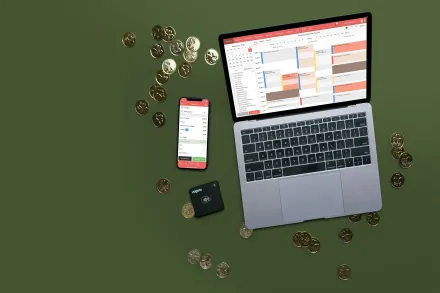
In a world where every dollar seems to have a story of its own, learning to track spending without paying for sophisticated software can feel empowering and surprisingly straightforward. The landscape of free tools available today is richer than ever, spanning simple and accessible spreadsheet templates, web based systems that sync with bank accounts, and offline open source programs that give you complete control over your data. Whether your goal is to curb impulse buys, plan a saving strategy for a big purchase, or simply understand where your money goes each month, there are no obligations to commit to a paid subscription when the best solutions are available at no cost. The guiding principle behind these tools is clarity: by capturing receipts, categorizing expenses, and presenting patterns in an intelligible form, you transform raw numbers into actionable insights. This article surveys the most reliable, user friendly, and privacy minded options that can help anyone build a practical spending tracking habit without spending a cent, while also offering guidance on choosing the right fit for different lifestyles and devices. The aim is not to advocate a single product but to illuminate the wide range of no cost resources that can reliably support thoughtful money management, deliver consistent results over months, and scale with your changing financial needs.
Spreadsheets That Deliver Budgeting Power
One of the most enduring and flexible approaches to tracking spending free of charge is the use of well crafted spreadsheets. Spreadsheets offer a tangible and transparent environment where every expense can be recorded, every category defined, and every calculation checked by the user itself. With online solutions such as Google Sheets, you can access a budgeting workbook from any device and share it securely with a partner or family member, making it easier to coordinate a household budget. The beauty of a good spreadsheet lies in its adaptability: a simple list of transactions can evolve into a dynamic budget with automatically updating totals, trend lines drawn from monthly data, and simple forecast projections when you map patterns across multiple months. For those who value privacy and local control, desktop alternatives like OpenOffice or LibreOffice provide similar capabilities without requiring a cloud connection, letting you maintain your data on your own device. A well designed free spreadsheet for tracking spending will typically include a persistent column for the date of each expense, a clear description or merchant name, a category field for classification, a numeric amount, and optional notes to capture context such as how the purchase supports your broader goals. Beyond the basics, you can add simple formulas to compute monthly totals, create a separate tab for category budgets, and implement conditional formatting that draws attention to overspending. The simplicity of a properly structured sheet reduces friction for new users and provides a robust foundation that can be expanded with more advanced features as comfort grows. The iteration process—start small, validate the data, refine categories, and gradually layer in new ideas—ensures that spreadsheet driven tracking remains sustainable rather than overwhelming, preserving accuracy without sacrificing motivation.
Personal Finance Apps That Won't Cost a Cent
There are several personal finance applications that offer feature rich experiences at zero price, or at least through a free tier that is perfectly suitable for everyday spending tracking. These apps typically provide automatic transaction import by linking bank or card accounts, intuitive categorization of expenses, and dashboards that render spending by category, time period, and merchant. The key advantage of these tools is convenience: the moment a purchase appears in your account, a categorized record is created, freeing you from manual entry and reducing the chance of data gaps. At the same time, many free offerings place reasonable limits on advanced features or on the number of accounts you can connect, which is a healthy reminder to pick a solution that aligns with your actual banking footprint. Privacy conscious users often prefer apps that emphasize local data storage or transparent data handling, and some free versions of these applications also enforce stricter controls on data sharing while still delivering essential budgeting and reporting capabilities. When choosing a free app, consider whether you want cross platform syncing across a phone, tablet, and computer, whether you require multi user access for household budgeting, and how much historical data you want readily accessible in the app without a paid upgrade. A well chosen free app can support the majority of common budgeting needs, from recurring bills and subscription tracking to store receipts and quick checks on how spending this week aligns with monthly goals, while offering the option to upgrade later if more features become necessary.
Open Source and Privacy-Focused Budgeting Tools
For those who value privacy and autonomy, open source budgeting solutions represent a compelling route to spending tracking that stays firmly in your control. Tools such as GnuCash, HomeBank, KMyMoney, and Money Manager Ex are designed to run on multiple operating systems, store data locally, and avoid cloud based data collection unless the user explicitly opts in. These programs typically deliver comprehensive features, including double entry accounting, scheduled transactions, customizable categories, powerful reporting options, and the ability to import and export data in standard formats such as CSV or QIF. While these programs can present a steeper learning curve and may require more manual setup than slick commercial apps, their offline operation and community driven development offer a level of transparency and security that many users appreciate. For individuals who prefer not to expose their bank statements to third party servers, open source tools provide a reliable way to track spending in a reproducible manner, with the added benefit that you can customize the workflow to reflect your exact financial situation. The trade off tends to be ease of use and polish, which means a little extra time upfront to configure accounts, categories, and reports, but the payoff is a robust system that remains free, private, and adaptable as your financial life evolves. A thoughtful exploration of these options often reveals a balance between control and convenience, enabling a personalized approach to budgeting that can outlast trends in paid software.
Automatic Tracking and Receipt Organization Tools
Automatic tracking capabilities can dramatically reduce the effort required to keep spending records accurate. Free tools that offer bank linking can pull transactions into the system, categorize them, and update balances in near real time, providing a clear snapshot of where money is flowing throughout the month. In addition to automatic feeds, many services include receipt capture features that allow you to photograph a receipt or forward a receipt email, after which an expense record is created or the existing category is refined. This combination of auto import, smart categorization, and receipt organization helps close the loop between purchasing and record keeping, which is essential for both personal budgeting and for identifying areas where small but persistent leaks can accumulate over time. While the convenience is undeniable, it is important to remain mindful of privacy and security when connecting financial accounts. Always opt for tools with strong encryption, meaningful control over permissions, and clear settings to disconnect accounts when desired. When a free tool offers automatic tracking, you should treat it as a starting point for data collection and then periodically review automatic classifications to ensure they reflect your intent and any changes in your spending patterns. This approach keeps automation aligned with your budgeting goals rather than letting it drift into categories that do not reflect how you want to understand your finances.
Spending Analytics Features to Look For
Beyond simply recording expenses, effective spending tracking hinges on the ability to analyze the data in meaningful ways. A robust free solution should offer a clear breakdown of spending by category, merchant, and time period so you can identify where concentrated spending occurs. Trend analysis across weeks and months helps you spot recurring patterns and seasonal variations in your spending, while forecasting tools give you a sense of how today’s choices might translate into next month or next quarter. In addition to raw numbers, the best tools provide actionable insights through dashboards and reports that visually compare actual spending to budgeted amounts, highlight overspending against priority categories, and flag anomalies such as duplicate charges or unusual activity. The flexibility to create custom reports or export data for external analysis is also valuable, particularly for users who want to perform deeper analytics in a spreadsheet or a statistical tool. A free tool that supports multi currency tracking can be especially useful for travelers or households with members who live in different countries, while the ability to set savings goals, track progress, and celebrate milestones can reinforce consistent behavior over time. When evaluating options, consider which analytics features align with your personal goals, whether you prefer graphical representations or tabular data, and how easy it is to access the information you need without getting overwhelmed by too many charts and filters. A well chosen solution makes the numbers speak in plain language, turning fractions of a percent and sums into clear implications for daily decisions and long term planning.
Choosing the Right Free Tool for Your Lifestyle
The decision about which tool to adopt should take into account how you live with money, how many people share the budget, and which devices you habitually use. If you spend most of your time on a phone and want quick checks during the day, a mobile friendly app with a clean interface and reliable synchronization may be the best option. If you value maximum privacy and prefer to keep sensitive financial information off the cloud, a desktop based solution or an open source program that stores data locally on your device may be more appropriate, even if it requires a bit more setup. Families and couples may look for tools that support simultaneous access, shared budgets, and clear, privacy preserving collaboration features, while individuals who travel frequently might prioritize offline access and the ability to annotate receipts with context before the records are synced. Language and currency support can become important for households that cross borders, and the ability to customize categories and subcategories can make the system feel intuitive rather than bureaucratic. Finally, consider the long term maintenance of the tool: community driven projects, active development, and robust documentation increase the odds that the software will remain usable and secure in the years ahead. In short, the best choice is the tool that fits your day to day habits, integrates smoothly with your routine, respects your privacy preferences, and remains approachable enough to sustain regular use over months and seasons of financial change.
Tips for Getting the Most Out of Free Tools
Realizing the full potential of free spending tracking starts with a simple but deliberate approach. Begin by dedicating a fixed time each day or week to enter data, review recent transactions, and adjust category assignments if necessary. Consistency beats cleverness when you are building a data set that will later support analysis and decision making. It helps to define a practical set of categories that reflect your actual life rather than a generic chart of accounts, so you stay motivated to keep up with the routine. A consistent naming approach for merchants and items will make searching and filtering more effective, especially as your transaction history grows. Regular calibration of budgets against actual spending should become a habit rather than a sporadic exercise, ideally with a monthly review that focuses on big ticket items and recurring charges. Some people find it beneficial to run a weekly check to detect anomalies early, such as duplicate charges or unnoticed subscriptions, while others prefer a longer horizon that emphasizes savings goals and debt reduction. A well maintained tool not only records what happened but also guides present decisions: small daily adjustments can accumulate into meaningful improvements over time, and the ability to export data periodically ensures you preserve a personal record that can be used for tax preparation or financial planning. Embrace the learning curve as an opportunity to tailor the system to your personality: some prefer a streamlined, almost minimalist setup, while others enjoy a richer, more granular structure that can reveal subtle shifts in spending behavior.
Common Pitfalls and How to Avoid Them
While free tools offer remarkable value, there are common traps that can undermine their usefulness if left unaddressed. One frequent issue is data inaccuracy due to inconsistent categorization, which slowly erodes the trust you place in your own reports. To counter this, establish a simple, repeatable set of category definitions and stick to them; review a sample of the latest entries for accuracy during your weekly checks. Another pitfall involves overreliance on automated syncing that may misclassify a few transactions or miss a recurring charge altogether; periodically auditing automated categories and confirming recurring payments ensures that automation remains a help rather than a blind spot. Privacy concerns are also a practical consideration: linking bank accounts to a budgeting tool can improve convenience but introduces potential exposure, so choose platforms with transparent privacy policies, robust encryption, and the option to disconnect accounts at any moment. Data retention is another area to watch; some free tools may prune older data or restrict export options, so if you anticipate needing your records for years, favor solutions that allow straightforward export of your history in universal formats like CSV or QIF. Finally, be mindful of feature drift: free tiers may push users toward paid upgrades with additional modules; resist the impulse to upgrade unless you actually need features that the free version cannot provide, and remember that the cheapest option is the one used consistently over time rather than the one with the broadest feature set that sits unused. By staying attentive to these issues and building a routine around data quality and privacy, you can maximize the benefit of free tools without courting frustration.
Putting It All Together: A Practical Start Plan
If you are standing at the edge of choosing a tool and you want a clear path forward, begin with a low friction approach that combines reliability with simplicity. Start by selecting one or two tools that align with your current devices and privacy preferences, for example a straightforward spreadsheet in a web based platform for ease of access, complemented by a private offline option if you value local control. Create a dedicated budget categories framework that mirrors your life: essential expenses such as housing, utilities, food, transportation, and healthcare, along with discretionary categories like dining out, entertainment, and personal care. Enter recent transactions for a quick baseline, ensuring each entry includes a date, a merchant name, an amount, and a category. From this baseline you can generate a simple monthly target for each category and begin monitoring how actual spending tracks against these targets. As you collect more data, refine the categories to reflect your real spending patterns instead of forcing everything into a flat, generic set, and allow the most meaningful insights to guide your behavior. The plan should include a weekly check in to review new transactions, adjust classifications, and note any irregular patterns such as seasonal expenses or upcoming large bills. Over time, you can layer in more sophisticated features like forecasting, alerts for overspending in a category, and summaries that highlight progress toward savings goals. The beauty of a free system lies in its adaptability: you can migrate between tools or combine several approaches as your knowledge grows, while preserving the core habit of regular review. By embracing a gradual, disciplined process that begins with accessible, low risk options and then expands as confidence builds, you set yourself up for a sustainable, transparent, and practical understanding of your spending that remains free from excessive complexity or vendor pressure. This approach ensures that you do not pay for what you can master through consistent practice, healthy curiosity, and a thoughtful alignment between technology and personal finance goals, letting you live within your means while still pursuing meaningful financial aspirations.