In every home, careful attention to routine maintenance acts as a quiet investment that pays dividends in comfort, safety, and long-term value. The aim is not to chase every latest gadget or expensive service but to build a practical approach that minimizes waste, extends the life of essential systems, and fits within a realistic budget. By embracing preventive care, homeowners can prevent small issues from becoming costly emergencies, and this is especially important in households where resources are tight or where repairs could disrupt daily routines. A budget-minded maintenance philosophy starts with organizing information, prioritizing tasks based on risk and impact, and choosing strategies that deliver reliable results without requiring specialized skills or expensive materials. The following sections explore a broad range of strategies that can be implemented gradually, with attention to details, to transform a house into a well-running system that rewards careful stewardship and steady effort.
Smart Planning and Preventive Mindset
A successful approach to budget friendly maintenance begins with a simple but powerful habit: planning. The idea is to build a practical, cyclical calendar that captures the most important tasks for the year, assigns a rough time frame for each activity, and aligns them with predictable costs. A homeowner who keeps an up to date overview of filters, seals, and fasteners can avoid reactive repairs that appear as urgent emergencies on a crowded weekend. Planning also means prioritizing tasks by their impact on safety, comfort, and energy consumption. For example, addressing a small air leak around a window can result in noticeable savings on heating or cooling, while delaying such maintenance could lead to higher energy bills and reduced indoor comfort. Because budgets are often fixed, it helps to break the year into seasons and assign responsibilities to those periods when certain tasks are most efficient or when materials are readily available. The act of planning itself reduces decision fatigue and makes it possible to spread costs across months, which is particularly helpful for households with tight cashflow. The outcome is a practical roadmap that guides purchases, informs timing, and supports a steady rhythm of upkeep that keeps the home functioning well without financial strain.
Energy Efficiency as a Budget Tool
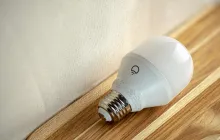
Energy efficiency serves as a cornerstone of budget friendly home maintenance because small improvements can yield large returns over time. Sealing gaps around doors and windows, installing weatherstripping, and insulating exposed plumbing can make living spaces more comfortable while reducing the load on heating and cooling systems. Replacing a few old incandescent or halogen bulbs with high quality LED lighting is another straightforward step that lowers electricity bills and reduces heat output, which in turn eases the demand on cooling during warm months. People often underestimate the value of routine thermostat management, because a programmable or smart thermostat can align temperature settings with occupancy patterns and weather conditions, avoiding energy waste without sacrificing comfort. In addition, ensuring that appliances operate at peak efficiency through regular cleaning of coils, filters, and relevant vents contributes to a healthier home environment and reduces the need for premature replacements. The cumulative effect of these measures is a home that stays comfortable with less energy expenditure and a reduced carbon footprint, which translates into direct monthly savings that can be redirected toward other essential maintenance tasks or savings goals.
Plumbing and Water Management on a Budget
Water is a resource that, when managed wisely, yields significant savings and avoids costly repairs. A practical approach to maintenance emphasizes regular checks for leaks, drips, and nozzle wear, which can often be addressed with inexpensive parts or simple fixes. It is prudent to inspect under sinks and around toilets for signs of moisture, staining, or mildew, as these indicators can point to hidden leaks that waste water and threaten wood framing or cabinetry. Regularly flushing and sediment cleaning a water heater helps extend its life and maintain efficiency, especially in homes with hard water. Installing or upgrading low flow fixtures in bathrooms and kitchens can reduce water usage without compromising user experience, while a modern aerator on faucets provides a gentle but steady stream that satisfies daily needs. For homes with irrigation systems, programming watering schedules to align with local weather patterns and plant requirements minimizes waste and reduces water bills. Keeping drain screens clean and using strainers on overflows helps prevent clogs that can lead to backups and expensive emergency calls. With a steady attention to plumbing health and water management, households unlock ongoing savings while maintaining a reliable supply of clean water for daily needs.
Roof, Gutters, and Exterior Maintenance Without Overspending
Exterior maintenance supports the integrity of the home and protects the interior from weather and pests, yet it does not have to come with a heavyweight price tag. Regularly inspecting the roof for loose or curling shingles, checking flashing around vents, and looking for signs of wear or moisture intrusion can catch problems before they escalate. Cleaning gutters and downspouts helps prevent water from backing up and seeping into the foundation or triggering ice dam issues in colder climates. If gutters are difficult to reach, using a lightweight extendable tool and a sturdy ladder with proper safety measures provides a safe way to perform the task without professional help. Exterior surfaces benefit from periodic cleaning and timely repainting or sealing, which can prevent wood rot and maintain curb appeal. When repairs are needed, choosing durable yet affordable materials and performing tasks in moderate weather improves results and reduces the likelihood of call backs. Thoughtful exterior maintenance is an investment in the long term that protects interior comfort and reduces the chance of expensive structural repairs caused by moisture and weather exposure.
DIY Tools and Budget Maintenance Kits
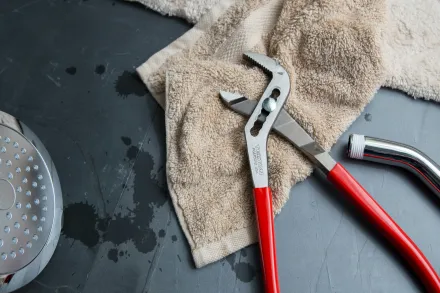
Having a modest set of tools on hand empowers homeowners to address routine maintenance promptly rather than scheduling costly service calls. A basic toolkit should include items such as a hammer, screwdrivers, pliers, a utility knife, tape measure, level, and a cordless drill with a few common bit sizes, along with safety gear like gloves and eye protection. Stocking up on several common fasteners, hardware grades, and a selection of sealants and adhesives enables quick fixes without repeated special orders. A small stash of cleaning agents, lubricants, and replacement filters covers many common maintenance tasks, from appliance upkeep to door hardware lubrication. The idea is not to over accumulate but to maintain a lean set of reliable tools that can handle the majority of routine maintenance needs. By acquiring tools gradually and choosing versatile, durable items, homeowners avoid wasteful impulse buys while building confidence to tackle projects that save money and improve home performance. A well organized toolkit also reduces the time needed to complete tasks, which encourages timely maintenance rather than letting issues drift and accumulate into more expensive problems.
Interior Upkeep and Aesthetic Upgrades
Inside the home, a calm, well maintained environment supports daily life and helps protect investments in flooring, walls, and fixtures. Regular caulking around windows and doors keeps drafts at bay, supporting energy efficiency while reducing moisture intrusion that can lead to mold or damage. Simple, thoughtful painting to refresh worn surfaces can transform a room without a full remodel, and choosing durable, washable paints makes future upkeep easier. Minor repairs such as tightening loose hardware, replacing worn door seals, and resealing grout in ceramic tile can extend the life of interior features and prevent more costly replacements down the line. When considering upgrades, prioritizing affordable, durable materials and preserving existing structures often yields better long term value than chasing trendy finishes. A mindful approach to interior upkeep balances comfort, aesthetics, and practicality, creating a home that feels cared for, resilient, and financially sustainable.
Seasonal Maintenance Without Expensive Tools
Seasonal tasks are often the most impactful for keeping a home reliable, and many essential chores can be completed without specialized equipment or high expense. In spring, clearing debris from vents, inspecting screens, and cleaning around outdoor units helps maintain efficient operation while preparing the home for warmer days. Summer tasks include keeping air flow unobstructed around outdoor equipment, trimming vegetation away from foundations and air conditioning units, and ensuring attic fans and attic insulation remain dry and effective. Autumn brings opportunities to inspect insulation levels, seal drafts, and prepare the heating system for the upcoming season by replacing filters and testing safety switches. Winter maintenance focuses on preventing ice buildup, inspecting weather stripping, and ensuring that winterized pipes are protected against freezing temperatures. Across seasons, simple actions like maintaining clean filters, removing blockages from vents, and taking preventive precautions with electrical outlets reduce risk and save money by averting breakdowns that would require paid repairs or emergency services.
Maintenance Habits that Protect Safety and Longevity
At the core of budget-friendly maintenance lies a respect for safety that also saves money in the long run. Regularly testing smoke detectors and carbon monoxide alarms, replacing their batteries on a predictable cycle, and ensuring adequate ventilation in living spaces are small steps with substantial payoff. Electrical safety includes examining outlets and cords for wear, avoiding overloading circuits, and addressing buzzing or warm outlets as soon as they appear. A stable home environment also benefits from proper storage and organization; minimizing clutter reduces tripping hazards, makes inspections easier, and helps track when tasks were last performed. Maintaining proper drainage around the foundation, monitoring moisture levels in basements or crawlspaces, and promptly addressing signs of water penetration protect both health and structural integrity. The net effect is a home that feels secure, remains functional, and avoids the cascading costs of safety related failures.
Budgeting for Long-Term Repairs and Savings
A pragmatic maintenance plan includes a reserve for significant repairs that may arise despite careful upkeep. Building a small emergency fund dedicated to home maintenance helps prevent financial strain when non routine issues occur, creating room for timely, quality fixes rather than rushed and less reliable solutions. To grow this fund, homeowners can designate a portion of monthly savings generated by efficiency improvements or by reducing waste, and set aside a predictable amount toward future repairs or replacements. Planning for major items like roof replacement, water heater upgrades, or HVAC servicing with a realistic cost estimate and a staged purchase approach turns often daunting expenses into manageable steps. This forward looking approach does not imply neglect of present needs; rather it emphasizes balancing immediate comfort with prudent provisioning for what lies ahead. In practice, a thoughtful combination of minor ongoing savings plus a targeted reserve fosters resilience, reduces stress during emergencies, and sustains a home that remains comfortable, efficient, and financially sound over many seasons.
Seasoned Approaches to Appliance Maintenance on a Budget
Appliances are the heart of modern living and often the most expensive elements to repair or replace, so keeping them in good working order is essential for a budget friendly home. Regularly cleaning lint traps, coils, and door seals can preserve efficiency and extend service life. Running appliances on the manufacturer recommended settings helps maintain proper performance, while avoiding overuse or misuse that can shorten their lifespan. When an appliance shows signs of wear, such as unusual noises, leaks, or unexpected stop points, timely diagnostic checks and minor part replacements can prevent a major failure. In many cases, parts can be sourced at a reasonable price, and replacement decisions can be guided by a careful assessment of remaining useful life and the cost of repair relative to a full replacement. By adopting a proactive mindset toward appliance care, households can maximize efficiency, minimize downtime, and stretch the value derived from essential machines without breaking the budget.
Healthy Habits for Sustainable Home Improvement
Adopting sustainable practices in maintenance not only benefits the environment but also extends the usefulness of materials and systems. Reusing or repurposing components when appropriate reduces waste, while selecting durable, repairable products supports a longer life cycle and easier future maintenance. When projects require new materials, choosing standard sizes and widely available products lowers costs and speeds up timeline, avoiding specialty items that carry premium prices. Cleaning up work areas and organizing leftovers after any repair or upgrade saves time on future tasks and reduces the chance of misplacing critical components. A steady routine of inspection, gentle care, and mindful replacement ensures that improvements remain effective for years, retaining value and preserving the home’s comfort without incurring excessive expense.
Maintaining the Home Office and Workspaces on a Budget
As more households rely on dedicated workspaces, maintaining these areas with a budget in mind becomes increasingly important. Simple maintenance techniques can prevent noise, moisture, and temperature fluctuations from impacting productivity. Ensuring proper insulation around computer equipment, using soft lighting to reduce glare, and keeping cables orderly reduces stress on electronics and prolongs their life. Regularly cleaning vents and ensuring adequate airflow around workstations keeps temperatures comfortable and avoids overheating on busy days. By treating the home office as an integral part of the living space and applying careful maintenance practices, homeowners protect valuable technology investments while keeping operating costs in check. This thoughtful approach also supports a healthier, quieter, and more efficient environment for work, study, or creative pursuits within the home.
Repairs, Upgrades, and Aesthetic Consistency on a Budget
Maintaining visual cohesion in a home often yields psychological and practical benefits that go beyond appearance. When repairs are needed, choosing conservative, compatible replacements preserves the overall look and feel of the space while avoiding jarring mismatches that drive up materials costs. Careful measurement, accurate color matching, and the reuse of existing fixtures whenever feasible reduce waste and keep projects affordable. Even small upgrades, such as new trim or refreshed caulking, can refresh a room and extend the life of surrounding materials when performed with patience and attention to detail. The result is a home that feels thoughtful, orderly, and well cared for without requiring a large budget or extensive remodeling. By aligning upgrades with the home’s character and using widely available options, homeowners can achieve meaningful improvements while maintaining financial prudence.
A Practical Mindset for Long-Term Home Health
Ultimately, budget friendly maintenance rests on a practical mindset that treats the home as a living system. Each action taken today can influence energy use, safety, and comfort for years to come, so decisions should weigh both short term benefits and potential long term implications. Building a routine that includes regular inspections, timely minor repairs, and strategic updates helps ensure that the home remains resilient in the face of aging infrastructure and changing conditions. This mindset encourages curiosity, patience, and endurance, turning maintenance from a burdensome chore into a steady, rewarding process that sustains the home’s health, reduces unnecessary expenditures, and elevates everyday living through consistent, thoughtful care.