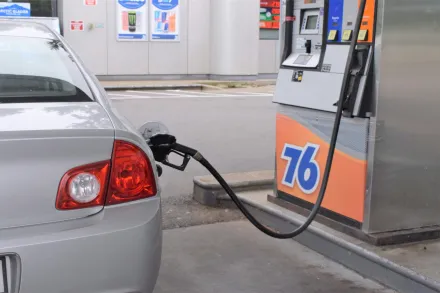
Understanding Fuel Economy and Its Impact on Your Budget
Fuel economy is a measure of how far a car can travel on a given amount of fuel, typically expressed in miles per gallon for the United States or liters per hundred kilometers for many other regions. This metric matters not only as a number on a sticker but as a direct influence on what you pay at the pump over time. Every mile you drive costs you fuel, and that cost compounds with distance. Understanding the basics helps you see where small changes can translate into meaningful savings. The way your vehicle converts chemical energy in fuel into kinetic energy for motion is influenced by the engine's design, the exhaust and intake systems, and the way you drive, so the headline figure you see on a display is the result of many interacting parts. When you improve efficiency, you reduce waste, and a reduced waste translates into real dollars you can put toward other priorities while still maintaining acceptable performance and comfort. In practical terms, even modest gains in efficiency accrue month by month, and these gains do not require drastic changes in your life, only a combination of better habits, smarter choices about the tools you use, and some routine maintenance that keeps the engine and drivetrain operating at their best.
Choosing a Car with Efficient Fuel Consumption
When you are in the market for a vehicle, you should weigh the fuel cost profile as carefully as the purchase price. Official fuel economy ratings give a snapshot, but real world results depend on weight, aerodynamics, engine displacement, and transmission type. A lighter vehicle with modern aerodynamic styling tends to require less energy to overcome rolling resistance and air drag, so it will typically burn less fuel on average. Hybrid powertrains can offer meaningful savings for many daily driving patterns, especially where you have a lot of stop and go, but their benefits may shrink on long highway trips where the advantages of an electric motor are less pronounced and the larger battery adds weight. A diesel engine often delivers high torque and good efficiency at constant speeds, but the economics vary with fuel prices and maintenance costs. The core idea is to look beyond sticker numbers and consider how the car will be used, where you drive most often, and the reliability of the powertrain as it relates to long-term fuel savings. Additionally, you should consider tires and rolling resistance as part of the vehicle selection because a car engineered with low rolling resistance tires can reduce energy losses without compromising safety and handling. In short, the best choice for saving money on fuel is a balance between a practical daily routine, sensible upfront cost, and a design that minimizes energy losses across common driving scenarios.
Regular Maintenance as a Fuel Saver
Maintaining an engine in good condition is one of the most reliable ways to keep fuel costs in check. Tiny inefficiencies can add up across thousands of miles. A clean air filter allows the engine to breathe easily, improving combustion efficiency. Spark plugs that are worn can cause misfires and reduce power without increasing fuel economy; oxygen sensors that fail can cause the engine to run rich, wasting fuel. The fuel system and injectors likewise benefit from periodic cleaning or professional inspection in older vehicles. The exhaust system, including the catalytic converter, influences back pressure and emissions, and a well functioning system helps the engine reach its intended efficiency. Regular oil changes with the correct viscosity reduce friction in the engine, allowing it to operate more freely and with less energy lost to heat. A well maintained cooling system prevents overheating, which can throttle engine efficiency and degrade fuel economy over time. If you rotate tires to equalize wear, it helps maintain consistent rolling resistance; correctly inflated tires are essential because underinflation increases rolling resistance, forcing the engine to work harder. A small investment here pays back in fuel savings and reduces the risk of more expensive maintenance problems down the line.
Smart Driving Habits to Cut Fuel Use
Driving style has a dramatic impact on how much fuel you consume. Smooth acceleration, steady speeds, and anticipation of traffic conditions can reduce energy waste, especially in urban and suburban patterns where frequent braking and rapid acceleration are common. When you accelerate quickly, you demand more power from the engine and burn more fuel than is necessary; by gradually applying pressure to the accelerator you let the vehicle reach cruising speed using less energy. Maintaining a consistent speed on highways or open roads minimizes airflow drag fluctuations that cost efficiency. Using cruise control on long stretches of level terrain can help hold a stable pace, though it may not be ideal in hilly or congested traffic where human judgment can react more efficiently to changing conditions. One useful practice is to anticipate the flow of traffic to avoid unnecessary stopping, coasting with the engine off is not recommended on modern cars, but reducing idle time and turning off the vehicle when parked for a short period can save fuel without sacrificing safety. Also, removing heavy racks or roof boxes when not in use reduces aerodynamic drag and improves fuel economy by a noticeable margin, especially at higher speeds. Even small actions like using the air conditioning judiciously, preferring natural ventilation when possible, and ensuring tires are properly inflated can translate into tangible savings over a year.
Fuel Price Awareness and Strategic Refueling
Understanding where fuel prices are lowest and how to plan refueling around price fluctuations is a practical part of saving money. Fuel costs are not only about miles per gallon; they are also a function of the price you pay per gallon or per liter, which varies by location, time of day, and market dynamics. If your commute is predictable, you can schedule longer trips to align with lower price windows, but avoid detours that significantly increase total miles. A well planned routine that optimizes the combination of distance, speed, and price can lead to meaningful savings over weeks and months. Loyalty programs at fuel stations, discount networks, and mobile apps that show current price trends can help you decide when and where to refuel. It is worth noting that driving extra distance to reach a cheaper station should be weighed against the extra fuel used to travel there; in most cases, a short detour for a much cheaper price is not advantageous, but the math depends on your vehicle and the price difference. Budget friendly refueling also means filling up when the tank is not fully empty but not yet near the bottom; many modern vehicles are most efficient when the tank has a moderate amount of fuel as a buffer against heat and evaporation losses in hot climates.
Technology and Tools that Help Save Fuel
Modern cars come with a suite of technologies designed to monitor fuel usage and optimize operation. The onboard computer can display instantaneous and average fuel economy, total distance traveled, and estimated range, providing feedback that helps you adjust driving behavior in real time. Using these indicators, you can fine tune acceleration, gear selection, and even shift points on manual transmission cars to minimize wasted energy. In hybrid or electric vehicles, regenerative braking helps recapture energy during deceleration, and selecting the right driving mode can influence how aggressively the system recovers energy. Additionally, aftermarket devices and apps that track trips, show fuel economy history, and compare performance across different routes can empower you to identify wasteful habits and to reward improvements. Many vehicles now support over the air updates that can optimize engine management and transmission logic for different markets and climates; enabling these updates when available ensures the vehicle operates with the most current efficiency tuning. Security features that minimize unnecessary electrical load during idling, such as automatic start-stop systems, can contribute to savings as long as the system is functioning properly and you are comfortable with the experience. Beyond the car itself, navigation apps that optimize routes based on traffic conditions help you avoid long periods of stop and go, saving both time and fuel by reducing idling and unnecessary acceleration.
Weight Reduction, Aerodynamics, and Practical Modifications
Vehicle weight and aerodynamic drag are two large determinants of fuel consumption, especially at highway speeds where air resistance becomes the dominant cost of motion. A few pounds of excess weight can cost several miles per gallon over a long drive; removing unnecessary cargo, roof racks, and equipment improves efficiency without compromising safety. Even the placement of luggage and the use of roof boxes can have a noticeable impact because wind resistance increases with cross sectional area and with the roughness of the surface facing the wind. Tow hitches and bike racks, if left attached, add drag, so detaching them when not needed is a simple, practical step. The design of the vehicle itself matters; cars with streamlined shapes, low frontal area, and careful attention to wheel alignment minimize energy losses due to turbulence and rolling resistance. Keeping the vehicle tuned so that the compression ratio and combustion timing are optimized ensures that more of the energy in the fuel goes toward propulsion rather than heat loss, making every gallon more effective. In addition to removing excess weight, you can choose to operate under conditions that reduce drag, such as keeping windows closed at high speeds or using climate control features in tandem with the vehicle’s ventilation settings. Practical steps of this kind accumulate over time and contribute to a more efficient travel profile for drivers who want to protect both their wallets and the environment.
Tire Pressure, Tread, and Rolling Resistance
Maintaining correct tire pressure is among the simplest and most effective ways to improve fuel economy, because underinflated tires increase rolling resistance and cause the engine to work harder to achieve the same speed. Checking tire pressure regularly and adjusting it to the vehicle manufacturer’s recommended specification yields immediate returns in mileage, stability, and safety. It is also important to ensure the tires have balanced wear and adequate tread because worn tires can slip more easily in wet conditions and degrade grip, forcing the system to apply more braking or power to maintain momentum. Seasonal changes in temperature require rechecking and sometimes adjusting tire pressure as the air in tires contracts in cold weather or expands in heat. Another factor is tire choice; low rolling resistance tires are designed to reduce energy losses without compromising traction, safety, or handling; selecting such tires for a daily driver can deliver a subtle but real fuel saving while preserving performance. Keeping alignment and suspension in good condition prevents uneven tire wear that can raise rolling resistance and reduce efficiency. A holistic approach to tires combines correct pressure, appropriate tread depth, and careful selection of tires optimized for your climate and driving style.
Cold Weather Considerations and Engine Warm-Up
Fuel economy often takes a hit in cold weather as engines run less efficiently until they reach operating temperature, fluids are thicker, and auxiliary systems draw more energy for heating and defrosting. Planning for winter fuel economy means a few practical measures: allowing the engine to warm up gently but not idling for long periods, using engine block heaters where available, and choosing motor oils with viscosity appropriate for the season. In the first minutes of operation, the engine sacrifices some efficiency while the catalytic converter heats up to reduce emissions, so you can minimize waste by avoiding aggressive acceleration during the warmup phase. Climate control systems also require energy; using seat heaters or steering wheel warmth can reduce the need for the entire cabin to be heated, which preserves some efficiency. In many climates, winter tires or all-season tires with appropriate tread improve grip and safety, but their rolling resistance varies with temperature, so you should pick tires that strike a balance between traction and energy use for your typical conditions. By combining these measures with mindful driving and routine maintenance, you can offset much of the natural loss in efficiency that accompanies cold starts and cold ambient temperatures.
Strategic Highway Driving and Route Optimization
When planning highway trips, driving with an eye toward efficiency means balancing speed, acceleration, and the time value of money. Higher speeds reduce engine load in some configurations but increase aerodynamic drag, causing fuel burn to rise sharply beyond a certain throttle point. A moderate, steady pace at speeds that match the capabilities of your car often yields better fuel economy than racing at the limit. Anticipation of traffic, smooth lane changes, and avoiding unnecessary braking help maintain momentum and reduce fuel waste. If your vehicle has a manual transmission, choosing the right gear for each segment of the highway helps keep the engine in its most efficient range. If performance and safety allow, using the highest feasible gear at consistent speeds reduces engine RPM and, with it, fuel use. Route optimization is another practical lever; identifying corridors with smoother traffic flow and fewer stoplights minimizes idling and acceleration cycles, which translates into fewer gallons spent over long trips and more predictable fuel costs. This approach to highway travel blends planning with rhythm, and it rewards drivers who stay attentive to the road and patient in their pace.
Aftermarket Modifications and Genuine vs Non Genuine Upgrades
Modification choices can affect fuel economy in either direction, depending on how they interact with the vehicle’s native systems and weight. Some aftermarket additions claim to enhance efficiency, but the actual impact varies and should be evaluated against the manufacturer’s recommendations and warranty implications. Simple, reliable improvements such as achieving proper wheel alignment, using quality fuel and air filters, and ensuring a well tuned engine are often more effective than weighty gadgets that promise dramatic gains. Small but well considered changes, like choosing low rolling resistance tires, keeping the vehicle within the recommended load limits, and maintaining a clean air intake, can deliver measurable savings without compromising safety or reliability. If you are considering a hybrid conversion or aftermarket modifications, you should consult with a professional to understand how the change could affect fuel economy, emissions, and the vehicle’s long-term viability. The bottom line is that prudent choices grounded in engineering principles and supported by data tend to yield more sustainable savings than trendy, unproven devices.
Strategic Use of Alternatives and Carpooling
One effective way to reduce the amount of fuel you consume is to blend your driving with thoughtful alternatives when appropriate. For short errands in a dense urban area, walking or cycling not only saves fuel but also promotes health and reduces wear and tear on your vehicle. For longer trips, carpooling can dramatically lower the per person fuel consumption since several people share the travel cost and each individual pays less per mile. In a culture that increasingly values efficiency, ridesharing and coordinated commuting can transform a daily routine into a series of lower impact journeys while still preserving the convenience of mobility. If you have access to public transit for parts of your trips, combining that with a short drive to the station can minimize fuel use and curb emissions while maintaining the rate of progress you need to maintain a busy schedule. In addition, maintaining a flexible mindset about how often you drive and how far you travel can lead to meaningful gains in savings over the course of a year, and this can be reinforced by planning ahead for weekends and holidays when traffic patterns change and fuel availability might shift.
Real World Expectations and Measuring Results
To turn the idea of saving money on fuel into a sustained habit, you should measure what you do and review it periodically. Track your fuel economy using your car’s dashboard readout or a dedicated app, and compare actual numbers against the manufacturer’s estimates and your own previous records. Look for patterns that indicate wasteful behavior, such as frequently short trips, detours for minimal price differences, or repeated idling at idle lights and drive throughs. By acknowledging these patterns, you can set achievable targets and gradually adjust your routine to reduce fuel usage while preserving comfort and productivity. It is also beneficial to analyze whether recent changes, like new tires or a different commute, are influencing your mileage in a positive or negative way. A consistent practice of reviewing miles per gallon, gallons used, and total fuel costs helps maintain motivation and provides a clear sense of progress, even if the changes appear subtle from day to day. Remember that fuel economy is not a static figure; it rhymes with your routine and your environment, and over time you can refine your actions to unlock more savings.
Fuel Economy in a Broader Context
Saving money on fuel sits at the intersection of personal finance, technology, and environmental responsibility. While the immediate benefit is lower expenses, there is a larger context in which efficiency reduces demand for fossil fuels, lowers emissions, and contributes to a cleaner climate. Even small improvements across many drivers multiply, creating a collective impact that benefits communities and future generations. When you adopt efficient practices, you also extend the life of your vehicle and reduce maintenance costs associated with excessive wear from inefficient operation. The choices you make behind the wheel reflect a blend of practical budgeting and forward thinking; the healthier habit of driving with care translates into fewer trips to the fuel pump and more useful time for other activities. Embracing efficiency does not require sacrificing comfort or convenience; with careful planning and mindful driving, you can enjoy a satisfying driving experience while spending less money and emitting fewer pollutants. The result is a balanced approach that respects both your finances and the road ahead.
Building a Sustainable, Practical Routine
A lasting reduction in fuel costs emerges from a steady, repeatable routine rather than occasional bursts of effort. By adopting habits that fit your life, you can gradually push your numbers downward without making dramatic changes that disrupt your day. It helps to pair small, frequent adjustments with occasional larger decisions, such as choosing a trip with less total distance or opting for a vehicle upgrade when the cost justification is clear and the expected savings are robust. The key is to maintain curiosity about your own driving pattern, stay informed about changes in fuel pricing, vehicle technology, and road conditions, and keep an eye on how different strategies interact with each other. You may find that some improvements require a short learning period as you adjust to new routines, while others become almost automatic through repetition. Over time, the cumulative effect of these adjustments can be substantial, and the process can be satisfying as you watch your expenditures shrink and your trips become more predictable and stress free.