What are micro-habits and why they matter for finances
Micro-habits are tiny, repeatable actions that fit seamlessly into daily life and require only a small investment of time or mental energy. When applied to finances, they become powerful because they create a quiet, persistent drift toward better outcomes rather than dramatic, unsustainable changes. The core idea is that small, reliably repeated behaviors accumulate into meaningful results over weeks, months, and years. A single micro-habit might be something as simple as noting every purchase in a small notebook, rounding up a few cents from each transaction and setting it aside, or choosing to wait a few minutes before making a nonessential online purchase. The beauty lies in frictionless implementation: the effort is almost invisible, yet the long tail adds up in a tangible way. This approach respects human psychology by avoiding all-or-nothing traps and instead leaning on consistent exposure to prudent choices. With micro-habits, money becomes less about heroic willpower and more about dependable routines that nudge behavior toward thrift without turning life into a constant struggle. In practice, you begin by choosing one or two tiny actions that feel achievable today, observe how they feel after a week, and then gradually layer on new micro-skills as confidence grows, always prioritizing actions that can be sustained under stress and busier seasons of life. The result is a financial rhythm that rewards steadiness, self-awareness, and a growing sense of control over everyday spending.
Starting with tiny, repeatable actions
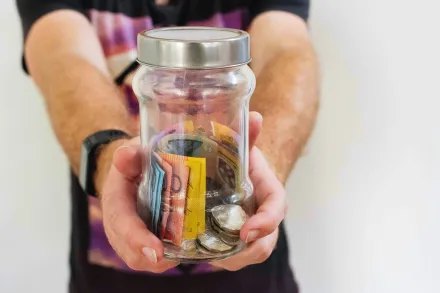
The foundational move is to pick one or two micro-habits that require minimal effort and commit to them with a calm, consistent mindset. One effective action is to establish a habit of carrying a small notebook or using a discreet digital note to log every purchase, even if only a few words describe what was bought and why. The act of recording creates a living map of spending patterns, gently increasing mindfulness without demanding deep analysis at every step. Another practical micro-habit is to implement the small practice of rounding up the amount of a purchase to the nearest dollar and placing the difference into a dedicated savings container, whether physical or digital. The key is regularity; the moment this becomes a routine, it ceases to feel like extra effort and begins to operate as a quiet baseline of restraint. Over time, such tiny pivots accumulate into a reservoir of insight and savings, reinforcing smarter choices and reducing impulse buying. The admirable feature of starting small is that even during busy days or periods of stress you can still fulfill your commitment, and that reliability compounds with every repetition, gradually reshaping your relationship with money in a way that feels both natural and empowering.
Building a daily expense awareness practice
Awareness is the seed from which prudent money decisions grow, and micro-habits anchored in daily practice turn awareness into action. A simple, repeatable routine is to review yesterday’s expenses for a few minutes at a fixed time each morning or evening, noting any patterns such as repeated small purchases or recurring fees. This habit need not take long, yet its effect is cumulative; it builds a habit of mindful spending instead of mindless consumption. When you keep a gentle pace, you begin to notice where money leaks occur—such as subscriptions you rarely use, or sundry micro-purchases that add up across a month. To enhance this practice, integrate a quick reflection on whether a purchase aligns with your broader financial goals before you hit the buy button, cultivating a habit of intentionality rather than haste. The practice should be forgiving and sustainable, allowing for occasional lapses while emphasizing consistency as the main driver of progress. By maintaining a straightforward log and revisiting it with curiosity, you transform disorganization into a coherent narrative of spending that can be understood and steered with confidence.
Smart spending in groceries through micro-routines
Grocery spending is a fertile ground for micro-habits because food is both essential and highly controllable through daily choices. A durable routine can begin with a simple weekly plan that outlines meals and essential ingredients, followed by a short shopping list that is strictly adhered to, thereby reducing waste and impulse buys. Another useful habit is to compare price per unit rather than relying solely on the display sticker or the perceived value of a single item, which trains the mind toward efficiency. When shopping, cultivate the practice of selecting a few core staples that offer versatility and cost-effectiveness, and then rotate new items only after reflecting on their actual use and freezer or pantry space. By cooking at home more often and repurposing leftovers creatively, you sustain a cycle where nutritious meals coexist with budget discipline. The micro-habit here is not a grand overhaul but a daily choice about planning, portioning, and resisting temptations that promise quick gratification yet deliver long-term cost. As these micro-actions accumulate, you will notice both a reduction in food waste and a more predictable grocery bill that fits your schedule and taste preferences.
Energy and utility micro-habits that cut costs
Day-to-day energy habits are subtle levers that quietly influence monthly bills, and small, repeatable actions can yield meaningful savings without sacrificing comfort. A practical approach starts with a quick audit of common energy drains, followed by a commitment to simple routines such as turning off lights in unused rooms, delaying laundry or dishwashing until a scheduled window, and adjusting thermostats by a degree or two in favorable seasons. The habit of unplugging chargers and electronics when not in use reduces phantom loads that accumulate across weeks and months. In addition, setting an alarm reminder to raise the thermostat during the day when homes are empty or to switch to a programmable thermostat for predictable routines can lead to steady savings. The micro-habit is inherently scalable: you can start with one room and expand to others as you become more comfortable. The cumulative effect is a gentler energy footprint that lowers bills while preserving convenience, and the process emphasizes simplicity, repeatability, and a respectful acknowledgment of the limits of personal time and energy.
Meal planning and cooking habits that save both time and money
Meal planning becomes a powerful economic habit when treated as a daily practice rather than a rare event. The simplest form is to dedicate a short block of time each week to sketching a flexible menu that emphasizes leftovers, bulk-cooking, and seasonal produce. This routine supports portion control, reduces kitchen waste, and allows you to buy quantities that align with actual consumption patterns, rather than overstocking and discarding perishable items. The micro-habit extends into the kitchen as a routine of batch prep, where you prepare components that can be combined in various ways across several meals. It also includes deliberate shopping choices, such as buying value-priced staples in bulk when appropriate and selecting items with longer shelf life to minimize spoilage. By creating a cadence of planning, cooking, and repurposing, you transform daily meals from a source of unplanned expense into a steady, controllable factor within your budget. This approach preserves flavor, sustains nutrition, and strengthens discipline without eliminating enjoyment at mealtime.
Transportation adjustments that feel small but add up
Daily movement shapes a significant portion of personal expenses, and here too micro-habits can drive meaningful change without imposing heavy sacrifices. A simple starting point is to consolidate trips so that errands are grouped into a single route, reducing fuel consumption and wear on a vehicle. When possible, choosing modes such as walking, biking, or public transit for short hops can yield savings and health benefits, while occasional carpooling extends those advantages to communities and schedules. A small habit of planning trips with a map that highlights the most economical options helps avoid impulsive detours for convenience. Monitoring and maintaining a modest vehicle maintenance routine, such as timely tire checks or oil changes, prevents expensive breakdowns later. The essence of these micro-habits is consistency in route planning, mode selection, and preventive care, which together produce a noticeable decline in transportation costs over time while enhancing reliability and daily life satisfaction.
Digital life and subscription discipline
In a digital world, many people carry a web of small recurring charges that quietly siphon funds from their accounts. A prudent micro-habit is to perform a monthly audit of all active subscriptions, identifying those that are rarely used, duplicative, or unnecessary. This practice requires only a few minutes but yields a long tail of savings as you trim or cancel services that do not contribute to value. Pair this with a habit of evaluating any new digital service through a short postponement period, allowing time to consider whether the initial appeal translates into tangible ongoing benefit. Another helpful routine is to set up alerts or a budget rule that flags spending on digital services beyond a modest threshold, providing real-time feedback before the charges accumulate. By treating digital life with the same care as physical purchases, you reduce wasteful spending while preserving access to tools that genuinely support your goals. This micro-habit framework emphasizes thoughtful evaluation, disciplined usage, and scalable savings that adapt to evolving digital needs.
Mindset shifts and habit tracking without fatigue
A sustainable money-saving journey thrives on mindset that remains optimistic, practical, and forgiving. Embrace the idea that progress is built through repetition rather than perfection, and let this belief steer daily choices. Habit tracking becomes a gentle companion rather than a source of stress when approached with curiosity and lightweight structure. Use a simple system to mark days you successfully complete your micro-habits, and allow yourself grace on days that are chaotic. The act of reflection should illuminate patterns and guide adjustments, not punish missteps. When you couple tracking with celebration of small wins, you reinforce positive behavior and accumulate confidence. A durable mental shift arises from recognizing that money is a resource to steward, not a battlefield to win. In practice, integrate a brief, friendly check-in that asks what small action you will take today to move closer to your financial goals, then follow through with consistency. Over time, these mental anchors become second nature, and the resulting discipline reduces stress while expanding freedom to choose how to allocate resources.
Creating an environment that encourages thrifty choices
Environment design matters as much as personal resolve because surroundings shape behavior more than willpower alone. Cultivate a home and work environment that nudges you toward sensible decisions by making frugal options accessible and appealing. For example, keep healthy, inexpensive snacks visible and ready to grab, and store indulgent treats out of sight to reduce impulse purchases. Arrange the kitchen and pantry so that efficient ingredients and leftovers are easy to reach, while nonessential goods are less prominent. In digital spaces, organize finances with clear folders, labeled receipts, and a simple budgeting dashboard that you consult daily. The micro-habit here is to routinely prune clutter and reposition resources to favor sustainable choices, reinforcing the memory that small, deliberate decisions are more effective than sporadic bursts of self-control. As this supportive environment solidifies, daily actions follow a smoother path toward savings, and the overall habit network strengthens with less friction and greater satisfaction.
Overcoming common obstacles with micro-habits
Every savings journey encounters obstacles such as time pressure, social pressure, and emotional impulses. The antidote is to weave resilience into micro-habits so that even when challenges arise you can still honor your core commitments. Build a plan for high-stress days that emphasizes ultra-low-effort actions, such as a single, reproducible expense-logging sentence or the simple act of postponing a nonessential purchase for twenty-four hours. Develop gentle scripts to navigate peer influence, like a calm, consistent statement that you are prioritizing a budget check or savings target that week. When obstacles appear, treat them as signals rather than failures and adjust your micro-habits to maintain momentum. The strength of this approach lies in its flexibility: you can scale back or reframe a habit without abandoning it, thereby preserving long-term adherence. With practice, you learn to anticipate frictions, respond with small but effective counters, and gradually expand your repertoire of robust, durable routines that survive life’s fluctuations.
Integrating micro-habits into family routines
Family life thrives when every member understands why frugal practices matter and feels invited to participate. Start with a shared, simple objective, such as reducing waste or planning meals together, and integrate micro-habits into the daily rhythm. Children can learn by observing how adults quantify savings, track expenses, and discuss options before purchases, reinforcing constructive attitudes about money from an early age. Turn budgeting into a collaborative routine that includes everyone’s input and appreciation for small wins, such as a family choice to cook together rather than order takeout. The goal is not to impose rigid rules but to cultivate a culture of conscious decision making, where even small actions—like reusing leftovers or comparing prices before buying—become accepted norms. In practice, designate short moments each day when the household can review the day’s spending, reflect on what worked, and adjust plans for the next day. When family members participate, micro-habits gain momentum, and the sense of shared purpose strengthens the likelihood that durable savings habits will endure across generations.
Maintaining motivation and measuring progress
Maintaining motivation over the long arc of savings rests on clear indicators of progress and meaningful rewards that stay aligned with personal values. Establish a lightweight set of success metrics that you can review weekly without feeling overwhelmed; for many people this can include a modest percentage of income set aside, a reduction in impulse purchases, and a shrinking sum of recurring charges. Tie micro-habits to tangible outcomes by tracking the cumulative amount saved and reflecting on how those funds might support future goals such as a small cushion, a meaningful experience, or debt repayment. Celebrate micro-wins with simple, non-financial rewards that reinforce positive behavior, such as a relaxed evening or a treat that does not derail the budget, reinforcing the idea that thrift and enjoyment can coexist. The tracking system should be forgiving, easily adjustable, and designed to minimize cognitive load—an accessible board, a quick digital note, or a minimal spreadsheet that updates automatically. As gains accumulate, you gain confidence to extend micro-habits, adjust targets, and welcome new practical adjustments, creating a virtuous loop where savings empower better decisions, and better decisions sustain and expand the savings. The essence is to keep the practice humane, repeatable, and intimately connected to your daily life, so money becomes a resource you steward with calm competence rather than a source of stress or guilt.