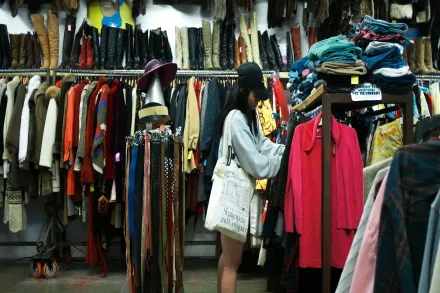
Shopping with a second-hand mindset offers more than savings; it opens a conversation with history, craft, and the chance to curate belongings that fit personal values. People who embrace second-hand shopping discover that the act is as much about discipline as it is about discovery. It requires patience, routine, and a willingness to sift through numerous items before finding those that align with needs, style, and budget. The goal is not to buy indiscriminately but to build a reliable pipeline of goods that hold up, perform well, and carry less of an environmental burden.
Before you start hunting for bargains, set a clear budget and define what categories will yield the best returns for your time. Decide how much you are willing to spend on clothing, furniture, electronics, or toys, and then set realistic expectations about what constitutes a good deal. Money saved is a function of time spent researching and inspecting items, not only the sticker price. When you approach second-hand shopping with a plan, you reduce impulse purchases and cultivate a sense of craft in selecting pieces that truly fit into your life.
To maximize value, treat every shopping trip as an opportunity to learn. Develop a mental checklist that you can apply in stores, online marketplaces, and at community sales. You want to verify authenticity where relevant, assess wear and repair needs, estimate lifetime performance, and consider potential resale or repurposing value. A robust approach turns casual browsing into an informed negotiation and helps you identify when a deal makes sense even if the price seems high for a moment.
Understanding the Value of Second-Hand Goods
Second-hand goods gain value when they combine quality, durability, and rarity with the current needs of a shopper. A vintage jacket with sturdy stitching and timeless cut may outlast several fast-fashion replacements, while a solid wood table can serve as a central family piece for decades if properly cared for. The value also comes from the story a piece carries—the marks of use, the patina, and the chance to support local communities or charitable causes as you purchase. In many cases the functional life of a well-made item dwarfs the minimal discount of a cheap alternative.
Where to Find the Best Deals
Different channels have different rhythms. Local thrift stores offer a steady supply of items refreshed by community generosity and donations, while flea markets present the possibility of negotiable prices in a social setting that rewards persistence. Estate sales often reveal higher quality furnishings and collectibles if you arrive early or sometime later, the leftovers can become surprisingly affordable. Online marketplaces provide convenience and access to a wider pool of sellers, but they require careful screening for condition, authenticity, and potential scams. The best strategy blends multiple sources to diversify risk and reward.
Inspecting and Testing Before You Buy
A rigorous inspection routine is essential for second-hand purchases that will be used regularly. Look for structural integrity, signs of wear that indicate future failure, and any repairs that may affect safety or performance. Clothing should be checked for stains, rips, odors, and fabric wear; shoes should be tested for sole grip and support. Electronics deserve battery life checks, screen functionality, and verification of warranties or return policies wherever possible. Furniture needs stability tests, checking for wobbles, loose joints, and the overall condition of upholstery or wood finishes. The right questions can prevent disappointment when you get items home.
Pricing Strategies and Negotiation
Negotiation is a skill that grows with practice. Start by verifying the item’s typical market price and the cost of comparable used goods. In person, you can assess the seller’s motivation, which often translates into flexibility on price. Online, you may counter with a reasoned offer based on observed wear or missing parts. The key is to stay respectful and realistic, avoiding pushy behavior that can turn a potential bargain into a missed opportunity. Sometimes, simply asking about ongoing promotions or upcoming discounts can yield additional savings, especially in stores that rotate stock regularly.
Choosing What to Buy and What to Pass On
Not every bargain deserves a place in your home. A critical eye helps distinguish between items that can be repaired or upgraded and those that will only accumulate dust or require expensive upkeep. For example, a damaged sofa without a solid frame may be more trouble than it’s worth, whereas a sturdy frame with tattered fabric might be revitalized with a cost-effective reupholstery project. When assessing clothing, consider fit, fabric quality, and whether color or pattern will remain useful after a few seasons. It is wiser to pass on items that require more money for repairs than they are worth given your current needs and available space.
Maintenance and Care to Extend Lifespan
The savings from second-hand shopping multiply when you couple purchases with thoughtful maintenance. Regular cleaning, timely small repairs, and proper storage can extend the life of almost any item. Simple habits, such as conditioning leather, oiling wooden surfaces, or refreshing upholstery with protective sprays, keep pieces usable for longer and preserve their value. For electronics, routine software updates, battery replacements when necessary, and safe charging practices can stretch performance well beyond the initial checkout. A small investment in care often yields a much larger return in the form of continued usefulness and fewer replacement purchases.
Digital Marketplaces Versus Local Stores
Online platforms provide access to a broader ecosystem, reducing the fear of missing out on rare finds. They also introduce risks such as misrepresentation, delayed shipping, or higher shipping costs that can erase some of the savings. In contrast, local stores offer immediate possession, the chance to inspect items in person, and a tactile sense of fit and quality. The best approach combines both worlds: browse online to identify potential items and then visit local venues to verify conditions in real life. In some cases, you may discover that a local shop has in-store events or clearance days that dramatically reduce the price of high-quality pieces.
Seasonality and Timing
Seasonal shifts drive what ends up on thrift shelves and how sellers price items. After holidays, households refresh wardrobes, leading to a surge in clothing deals and gadgets that were gifts but not used. Spring furniture markets often yield bargains on large items as people redecorate. End-of-season sales in thrift stores can reveal seasonal wear at a fraction of the original price. Buyer preparation means knowing when fresh stock arrives and planning visits around those cycles. A patient shopper can observe patterns over weeks or months and time purchases to coincide with price reductions.
Saving Money Without Sacrificing Ethics
Second-hand shopping can align with strong ethical values when approached transparently. Buying used reduces demand for new production, cutting energy use and waste. Many sellers support charitable causes, local communities, or environmentally conscious businesses. You can amplify this impact by choosing shops that donate proceeds to social programs or environmental initiatives. Ethical shopping also includes respect for items’ origins, avoiding counterfeit or unsafe goods, and being honest about defect disclosures. When you adopt a values-driven mindset, the savings become part of a larger story about responsible consumption rather than a narrow focus on price alone.
Hidden Costs and Pitfalls to Avoid
Even the best deals have potential downsides that require vigilance. Hidden costs can include shipping, taxes, or the need for significant repairs that you did not anticipate at the moment of purchase. Some second-hand electronics might lack compatible accessories or batteries, making the initial price appear attractive but impractical. Upholstery or furniture with hidden structural issues may require professional restoration. To reduce risk, always budget for a buffer fund that covers unexpected repairs, and confirm return policies if you are buying online or from smaller sellers. A disciplined approach helps you stay within your overall savings goals without compromising safety or satisfaction.
Building a Second-Hand Savings Plan
A savings plan for second-hand shopping can be integrated into long term financial goals. Start by setting a monthly allotment for purchases and track how much you save versus how much you would have spent on new items. Over time, you can re allocate funds toward larger projects such as refurbishing furniture or upgrading home goods with a mix of used and restored pieces. The habit of comparing prices, waiting for the right moment, and avoiding impulse buys becomes a behavioral routine that reduces waste and expands your purchasing power. A well designed plan should also include a list of categories that yield the most durable savings when approached with patience and care.
What to Do with Items You No Longer Need
Second-hand shopping becomes a full ecosystem when you contribute to a circular flow. Instead of discarding items that no longer fit your needs, consider donating, selling, or exchanging them for other goods. This keeps items moving within a community, supporting others who may benefit from affordable alternatives. If you have items in good condition that you no longer use, you can participate in charity drives or consignment arrangements that allow you to recapture a portion of the value. The practice of passing along usable items strengthens the sustainability of the shopping model and can even create opportunities for future bargains when those items cycle back into the market.
Practical Tips for Everyday Use
Incorporating second-hand shopping into daily life involves simple routines that reinforce the habit. Set aside an hour each week to browse and compare items, maintain a wishlist, and photograph interesting finds for later consideration. Develop a mental catalog of reliable brands and repairable items that tend to be worth the investment when found used. Learn basic repair skills or partner with local repair cafes so you can extend the life of textiles, furniture, or electronics rather than replacing them. The more hands on you are with care, the more you gain from every item you acquire and the more confident you become as a savvy shopper.
Building Confidence through Community
A thriving second-hand ecosystem thrives on trust and connection. Building relationships with shop staff, fellow collectors, and repair professionals leads to insider knowledge about when new stock arrives and what sells quickly. Attending community sales, volunteering at thrift stores, or trading items with neighbors creates a social network that supports more selective shopping and reduces waste. When you feel part of a community, the process of hunting for deals becomes more enjoyable and less stressful, and it becomes easier to explain to others why you value the practice beyond simple price tags.
Safety Considerations and Quality Assurance
Second-hand shopping requires attention to safety and authenticity, especially when dealing with clothing, electronics, or items intended for children. Check for recalls, verify serial numbers when possible, and seek seller histories that show transparency about item performance and faults. When buying clothing, examine for hidden moisture damage or chemical odors that might indicate dye issues. For electronics, ensure safety features are intact and that devices have not been modified in ways that could pose risk. Hiring a professional when in doubt is a wise option, particularly for major purchases such as mattresses, appliances, or complex machinery.
Long-Term Mindset: Sustainability and Personal Wealth
Over time, second-hand shopping can become part of a broader philosophy that blends fiscal prudence with ecological responsibility. The accumulative effect of small savings on daily purchases, combined with the reduced demand for new goods, can significantly shift how a household budgets and priorities. The discipline of waiting for the right item, negotiating thoughtfully, and investing in durable pieces creates a stable baseline for wealth that is less volatile than impulsive consumption. The long view reveals that money saved on used goods can be redirected toward experiences, investments, or education that enrich life beyond the initial purchase.
Stories from Real-Life Shoppers
Across communities, countless people have discovered that second-hand shopping yields surprising outcomes. Some have found heirloom furniture that becomes a centerpiece for family memories, others have dressed children with outfits that last multiple seasons for a fraction of the cost, and many have upgraded their home offices with nearly new electronics that still carry substantial warranty coverage. The narratives of these shoppers emphasize patience, timing, and a willingness to learn from each encounter. The shared wisdom is that success comes not from luck but from a consistent habit that treats used goods as a valuable resource rather than as clutter.
Broader Perspective on Budget-Friendly Living
Adopting second-hand shopping as a core habit can transform how you think about value. The process invites you to question the inevitability of rapid replacement and to cultivate a more deliberate approach to what you own. As you grow more confident in your ability to identify quality and compatibility, you’ll notice that your overall spending stabilizes and your living spaces feel calmer and more intentional. The practice also invites you to consider how your choices affect others and the planet, adding a layer of meaning to everyday purchasing decisions that goes beyond merely saving money.