Foundations: redefining saving as a lifestyle, not a sacrifice
Saving money does not have to mean starving your joy or muting the little pleasures that give texture to daily life. The real foundation lies in a mindset shift that frames savings as a way to expand choice rather than restrict it. When you view money as a tool that supports your longer term goals, you begin to see savings as an ongoing act of deliberate preference setting rather than a temporary deprivation. This perspective invites you to explore what you value most, to recognize how your current choices either shorten or expand future options, and to cultivate a sense of agency instead of guilt. By anchoring your savings in a story about freedom, you create motivation that lasts beyond the next pay period and invites you to experiment with different approaches until you discover what feels sustainable and empowering.
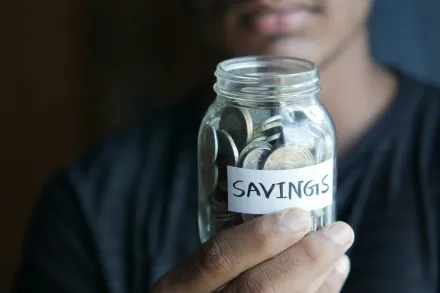
To begin this shift in practical terms, imagine your finances as a living ecosystem rather than a rigid ledger. Your income, your expenses, your savings, and your investments all interact, influence one another, and respond to your daily decisions. When you see the system as adjustable rather than fixed, you gain permission to tailor it to your evolving needs. The aim is not to squeeze every possible dollar into a jar labeled restrictively but to create a balance that keeps you comfortable while gradually expanding your capacity to save. In this light, saving becomes a series of small, repeatable acts that accumulate into a confident sense of security and the freedom to pursue meaningful goals without feeling deprived.
Crafting a Flexible Budget That Supports Freedom
A flexible budget recognizes variability in income and expenses while preserving your core priorities. It starts with a transparent map of essential needs, sustainable wants, and a clear savings target that aligns with your goals. The essential category covers housing, utilities, food, transportation, and healthcare, but it is not a life sentence; it is simply a frame that ensures survival while leaving room for other experiences. The sustainable wants category invites small, recurring, nonessential pleasures that keep you motivated and prevent the feeling of being denied. The savings category represents a deliberate allocation that grows over time, gradually building a cushion and enabling future investments.
Within this framework, you can implement a simple rhythm: automatic transfers that occur as soon as income arrives, a monthly check that adjusts for irregular expenses, and a regular review that keeps the plan aligned with reality. The automatic transfers act like a gentle current that moves money toward goals without requiring sustained mental effort. This is not a cold obedience to a rulebook; it is an act of kindness toward your future self, a care practice that reduces friction and increases predictability. When you structure your budget around automatic flows, you free mental bandwidth for creative living and meaningful decisions rather than constant micromanagement.
Automating Your Savings Without Thinking About It
Automation is a powerful ally in saving because it removes the friction of choice and reduces the chance of impulse overrides. You can automate a portion of every paycheck to a separate savings account, an investment vehicle, or an emergency fund. The beauty of automation is that it is indifferent to mood or weather; it continues to work even when motivation is low. By setting up multiple automatic transfers—one for short term goals, one for long term growth, and one for an emergency reserve—you distribute your risk and create a staircase toward financial resilience. The result is not one monolithic savings target but a layered architecture that grows incrementally, offering you breathing room and a sense of progress that feels substantial over time.
In addition to automatic transfers, you can automate debt management in the same spirit. Scheduling regular payments away from your current checking account to reduce outstanding balances helps decrease interest costs and accelerates the momentum of your overall financial health. The outcome is a quiet accumulation of strength, a steady climb that never demands sudden drastic actions. With this approach, you are less likely to experience the emotional roller coaster that often accompanies aggressive savings plans, because the pace is steady, predictable, and tailored to your life rhythm.
Saving on Everyday Expenses Without Compromising Comfort
The everyday choices you make add up, and small adjustments can yield meaningful savings without eroding your sense of pleasure. Start by auditing recurring expenses to identify services that are underused or overpriced and then renegotiate, switch providers, or cancel what does not add value. The aim is not to slash every discretionary line but to reallocate spending toward things that deliver higher happiness per dollar. This can take the form of switching to a more affordable streaming plan, buying quality items less often but choosing durable versions, or minimizing impulse buys by creating a cooling-off period before purchases. The result is a daily life that remains satisfying while becoming financially lighter and more flexible.
Another powerful tactic is to adopt a shopping philosophy that respects value and taste. You can train yourself to separate needs from wants, compare options, and wait for the right moment to buy. The right moment could be a seasonal sale, a price drop, or a longer time to think through the decision. This approach reduces regret and preserves your mental energy, making savings feel like a natural consequence of careful attention rather than a punitive restriction. By cultivating patience and curiosity in your purchasing habits, you foster a respectful relationship with money that sustains you through changing circumstances.
Smart Shopping Habits That Stretch Your Dollars
Smart shopping is not about deprivation but about informed choices that maximize value and delight. It begins with a focus on unit costs, quality, and longevity. When you compare products by their cost per use rather than the initial price, you reveal the true savings over time. You can benefit from shopping with a list that reflects strategic priorities, so you minimize waste and emotional purchases. Learning to time purchases around broader cycles, such as wearable items during off-season sales or home goods after major holidays, can yield meaningful reductions without sacrificing satisfaction. The discipline of shopping wisely is not a sterile rule set; it is a practiced eye for patterns that consistently improve outcomes and maintain enthusiasm for your daily routines.
Additionally, you can embrace the power of community and shared resources. Carpooling, neighborhood exchanges, borrowing tools, and trading services within a trusted circle can significantly cut expenses while reinforcing social ties. These practices reduce the price of access rather than ownership, aligning you with others who share similar goals. The social texture adds meaning to saving, turning frugality into collaboration and mutual benefit. In this light, smart shopping becomes a living culture that blends practicality with connection, not a cold bargain hunting game devoid of meaning.
Energy, Habits, and Home Costs That Add Up Over Time
Energy costs can quietly erode savings if left unexamined, yet many improvements pay for themselves through ongoing reductions in consumption. Start with a careful audit of heating, cooling, lighting, and water use. Simple changes such as sealing drafts, improving insulation, upgrading to efficient appliances, and using programmable thermostats can produce steady savings while maintaining comfort. Small habits, such as turning off lights when not in use, shortening showers slightly, and reducing standby power, compound into meaningful results over months and years. The key is to implement changes that are compatible with your lifestyle rather than forcing a constant struggle against comfort.
When you approach home improvements, consider the balance between upfront costs and long-term gains. You can stagger projects to coincide with favorable financing, care about safety and health benefits, and choose improvements that enhance overall quality of life. The aim is not to chase the lowest possible price at the expense of durability but to search for the best long term value. By framing energy savings as a personal convenience rather than a burden, you reinforce the sense that cost control enhances your daily experience rather than diminishes it.
Maximizing Income and Leveraging Skills to Boost Savings
Saving more effectively often requires income growth as a complement to expense discipline. You can explore ways to increase earnings that fit your life and values without forcing an unsustainable load. This might involve negotiating a raise, reshaping your responsibilities at work, or seeking side opportunities that align with your strengths. The important ingredient is intentionality: treating earnings growth as a savings accelerator rather than a separate fantasy keeps your progress anchored in reality. By investing time in skill development, networking, and strategic opportunities, you create a durable path to higher savings potential without turning life into a grind.
Beyond formal work, you can cultivate passive or semi-passive streams of income that require manageable effort. Examples include monetizing a hobby through online tutorials, creating digital assets that yield royalties, or building a small, service-based venture that leverages your unique talents. The common thread is choosing ventures that bring satisfaction and keep you engaged rather than draining your energy. When your income expands in a way that feels meaningful, your ability to save grows with less friction, and the resulting security enhances your sense of freedom rather than constraint.
Dealing with Social Situations and Maintaining Motivation
Social life is a vital source of happiness, and money should support those experiences rather than impede them. To navigate social pressures gracefully, you can establish gentle boundaries that honor both your budget and your relationships. For example, you may opt for social activities that are low cost or collaborative, such as potlucks, shared experiences outdoors, or group visits to free or inexpensive cultural programming. Communicating your goals with warmth and honesty helps others understand your choices without feeling judged or pressured. Mutual respect in this context keeps your friendships vibrant while preserving financial momentum.
Motivation often wavers, and that is natural. Create recurring moments of reflection that connect daily actions to meaningful outcomes. Journaling, monthly check-ins with a trusted confidant, or a quiet review of your progress can reinforce the sense that saving is part of a larger, purposeful journey. When you tie the practice to concrete milestones—an emergency fund target, a debt-free date, or a future trip—you are more likely to sustain discipline without feeling restricted. The rhythm of celebration and adjustment helps you stay engaged and optimistic about the evolving landscape of your finances.
Building an Emergency Fund That Feels Like a Cushion, Not a Cage
An emergency fund is the quiet backbone of financial resilience. The objective is to create a buffer that reduces fear during life’s unexpected moments while avoiding the trap of hoarding wealth that never feels accessible. A practical approach is to set a realistic target that aligns with your expenses for three to six months, then scale as your circumstances evolve. You can treat this fund as a separate pocket of money that you only touch for true emergencies, preserving your primary budget for day-to-day needs and planned goals. The psychological benefit is profound: you gain confidence that you can handle unforeseen events without sweeping changes to your lifestyle.
To keep the fund healthy, avoid tempting it with occasional spending moments, and instead build a small automatic contribution that grows monthly. If you experience an income lull, you can temporarily reduce other discretionary allocations rather than deplete the cushion. The objective is continuity and peace of mind, not perfection. As the fund grows, you will notice a gradual reduction in anxiety around sudden costs, and that peace translates into improved decision making across all facets of your financial life.
Long-Term Growth: Investing for Peace of Mind Rather Than Fear
Investing is about transforming the value you accumulate today into security and opportunity for tomorrow. You do not need to become an expert overnight; you can begin with simple, steady choices that suit your risk tolerance and time horizon. A diversified approach that mixes lower-cost index funds, bonds, and perhaps a small allocation to cash reserves provides resilience through market cycles. The aim is to convert your savings into growth channels that outpace inflation so that your purchasing power remains intact, while ensuring you still retain liquidity for short-term needs.
Crucially, investing should feel empowering rather than intimidating. Education plays a central role: learn about the basics of compounding, the impact of fees, and the importance of time in the market. By gradually increasing your understanding and applying deliberate, repeatable investing habits, you create a sense of control that extends beyond the savings routine. The outcome is not an abstract theory but a practical, enduring strategy that supports ambitious life plans while keeping daily living comfortable and joyful.
Developing Habits That Sustain Savings Without Burnout
Sustainability is the core of any long-term savings effort. It requires habits that fit into real life and evolve with you over time. Small, consistent actions beat heroic but irregular efforts. This means designing routines that you can maintain even during busy seasons, family changes, or travel. For instance, a weekly review of spending, a monthly update to your savings plan, and a quarterly assessment of progress toward goals create a reliable cadence that anchors growth. When habits become part of your identity rather than burdensome chores, you experience savings as a natural extension of your daily life rather than a separate project with its own discipline demands.
In addition, cultivate a mindset that welcomes experimentation. Allow yourself to test new approaches for a finite period and measure the impact. If an adjustment improves your sense of control and increases savings without destroying your enjoyment, you keep it; if not, you revise. This iterative method reduces emotional resistance and makes the savings journey feel like a creative exploration rather than a rigid rule set. As you repeatedly choose strategies that align with your values, your confidence grows, and the sense of restriction gradually dissolves into a confident, flexible financial practice.
Protecting Your Financial Life With Clear Boundaries
Boundaries are not barriers but safeguards that protect what matters most. They help you preserve energy, time, and money for priorities that deliver lasting satisfaction. Clear boundaries can be set around not spending on impulse items in the first week after payday, establishing a cooling-off period before large purchases, and avoiding debt that does not contribute to meaningful outcomes. Boundaries also help you resist the pull of comparing yourself to others, which often leads to unnecessary spending. When you honor your own limits, you maintain autonomy and reduce feelings of deprivation while still progressing toward your goals. The result is a stronger, more intentional relationship with money in all spheres of life.
As you practice, you may also discover a new appreciation for constraint as a source of creativity. Limitations can spark inventive solutions that stretch your budget without lowering your quality of life. Whether it is choosing alternative entertainment that costs less but delivers the same joy, or repurposing items to fulfill multiple roles, scarcity can become a catalyst for smarter, more satisfying choices. Viewing constraint as an ally rather than a punishment shifts your entire experience and opens space for sustainable progress that feels natural instead of forced.
Tracking Progress Without Obsessing Over Numbers
Measurement matters, but it should support motivation rather than trigger anxiety. Create a simple framework that tracks progress toward your goals in a respectful, nonjudgmental way. This could involve watching the balance of your emergency fund, noting the growth of your investment portfolio, or simply observing how much you have saved in relation to a chosen target. The most important aspect is that the process remains humane and gentle. If a misstep occurs, you can adjust without self-reproach. Your metric is not a verdict on your worth but a compass that guides you toward a steadier, more satisfying financial life.
When reporting progress, emphasize qualitative benefits as well as quantitative ones. How has your sense of security improved? Are you enjoying more freedom to pursue interests without worrying about money? Have your relationships with money and shopping patterns shifted in a way that feels healthier? Those outcomes matter as much as the numbers because they reflect the lived experience of saving in a way that sustains and enriches your days rather than diminishes them.
Integrating Saving Into a Meaningful Life Narrative
Saving money is most powerful when it connects with a broader story about what you want for your life. It can enable travel, education, family moments, health, and creative projects. The narrative approach reframes money as a companion that helps you step toward your aspirations rather than a gate that blocks them. When you align daily financial choices with this larger vision, every decision becomes a vote for the kind of life you want to live. The sense of purpose provides an emotional cushion that makes frugality feel like a personal contribution to your future rather than a denial of present joys.
In practice, you can craft this narrative by periodically revisiting your goals, imagining the future you are funding, and allowing your spending to reflect those images. If your aim is comfortable, sustainable travel, for example, you might reward yourself with affordable experiences that are still personally meaningful while saving specifically for a longer trip. The balance is personal and evolving, but the underlying principle remains consistent: savings are a deliberate enabler of the life you want, not a punishment for enjoying the present moment.
Rethinking Wealth as Access, Not Accumulation
We often equate wealth with the size of a bank balance, but true financial vitality is about access to choices. Wealth is the ability to adjust plans when needed, to respond to opportunities, and to weather storms without sacrificing your well being. This reframing shifts the goal from accumulating for its own sake to cultivating access to experiences, education, and security. When you measure wealth in terms of options rather than assets alone, you create a more resilient approach to saving that supports both comfort and growth. The mindset shift is liberating because it invites experimentation, flexibility, and a broader view of what money can do for you.
By embracing access over accumulation, you also reduce the pressure to maintain appearances or chase trends. You can invest in what truly matters, whether that means strengthening relationships, building skills, or creating a small but reliable runway for future opportunities. The key is to make decisions that expand your range of acceptable choices, not shrink your world to fit a specific price tag. In time, this approach fosters a confident, relaxed posture toward money that supports continued growth without the sting of restriction.
Ultimately, the art of saving without feeling restricted comes down to aligning practical action with your deepest values. It is about designing systems that are forgiving, adaptable, and enjoyable, while steadily building security and freedom. When you connect your daily routines to your long term ambitions, you transform saving from a obligation into an affirmative practice that enhances life in measurable and meaningful ways. The result is a sustainable financial lifestyle in which restraint is a choice, not an instinct, and where money serves you with clarity, dignity, and renewed confidence.