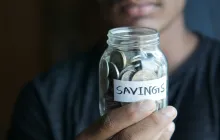
Understanding the purpose of a sinking fund
A sinking fund is not an emergency reserve, though it shares the same spirit of prudent preparation. It is a deliberate, methodical process of setting aside small sums over time to cover a known future cost or a series of costs that will occur at predictable intervals. The benefit of this approach is that it reduces the strain on your monthly budget when the big expense finally happens, because you have already built a cushion. Instead of paying for the expense all at once and risking debt or a sudden sacrifice elsewhere, you spread the expense across many pay cycles, smoothing variability and turning a potentially disruptive event into a routine savings habit. A sinking fund is especially effective for major repairs and replacements, like a roof, an appliance fleet, or a vehicle that will eventually need replacement. It can also apply to recurring events that are spaced unevenly through the year, such as annual maintenance, school tuition installments, or planned renovations. By design, a sinking fund creates a dedicated bucket you can trust to grow steadily without being raided for ordinary spending, and it encourages more disciplined financial planning.
Determining your target amount
The first step in setting up a sinking fund is to articulate the exact future cost you want to cover and the date by which you want to have the money ready. This starts with clear thinking about the expense itself: what the item is, when you expect to incur the expense, and whether the price is rising due to inflation or the quantity of work involved is changing. Gather any available quotes or estimates from reputable providers so you can anchor your target in reality rather than nostalgia or memory. If the expense is uncertain in timing or scope, consider creating a sensible upper bound that protects against worst‑case scenarios while still being affordable within your overall budget. It can also help to separate fixed costs from flexible ones, since predictable costs like a scheduled service might be easier to forecast than a discretionary upgrade. Tracking past costs can illuminate how much the price has moved over several years, providing a sense of the rate of increase that should be baked into your plan. The resulting target amount should feel ambitious enough to defend against erosion by inflation but conservative enough to remain achievable with steady contributions over the planned horizon. Remember to account for any related fees or taxes you might incur when you pull the funds, and consider including a modest contingency so you are not caught short by a small overrun.
Setting a realistic timeline for your goals
After you identify the target amount, you must decide when you want to have the money in hand. The timeline depends on how urgent the expense is, how the price is likely to move, and how much you can responsibly set aside each month. A longer horizon makes it easier to contribute smaller amounts and maintain liquidity for other needs, but it also increases the risk of drift if you lapse in saving. A shorter horizon increases discipline and urgency but can strain the budget if you push too hard. A practical approach is to assume a steady contribution that reflects your usual cash flow, then adjust the end date if you discover you can still meet the target with a reasonable cushion. You should also build in periodic review points to reassess the timeline, because changes in income, expenses, or priorities can alter the calculus. In general, aligning the timeline with your actual payment rhythms—such as aligning contributions with paydays—makes adherence easier and helps maintain momentum over months and years.
Choosing the right savings vehicle
The vehicle you choose for a sinking fund should balance safety, liquidity, and yield. A high‑yield savings account at a reputable bank or credit union offers immediate access to funds while protecting principal, and it often provides a reasonable interest rate that helps counteract inflation. A money market account can deliver a modestly higher return with check‑writing or withdrawal features, though it may require higher minimum balances. Certificates of deposit can increase yield if you can commit to a fixed term without needing access to the money, but they reduce liquidity and introduce early withdrawal penalties. Treasury securities or government‑backed funds provide additional safety if principal preservation is a priority, though liquidity is tied to market structure and term lengths. The key is to match the instrument to the timing of the cash needs, the expected volatility of your cash flow, and your comfort with locking in funds for a period of time. Diversification within a sinking fund can help you optimize both security and accessibility, provided you keep the total amount aligned with your timeline and risk tolerance.
Calculating monthly contributions and pacing
Translating a target amount and a timeline into a monthly contribution schedule is a practical exercise in arithmetic and discipline. A straightforward method is to divide the target by the number of months until the expense date, which yields the baseline monthly amount needed to hit the goal. To create a margin of safety, you may add a slightly higher cushion to cover inflation, fees, or unexpected minor changes in the plan. If you anticipate irregular income or seasonal fluctuations in your earnings, you can adjust the schedule by averaging your contributions over a longer period or by creating alternating higher and lower monthly amounts that still converge to the target by the deadline. It is also prudent to reassess the plan whenever you experience a material change in income, housing costs, or debt obligations, because such shifts can be an avenue to accelerate or decelerate contributions without sacrificing the ultimate objective. When calculating contributions, consider the impact on your overall budget, ensuring that the fund remains a priority without crowding out essential expenses like housing, food, and transportation.
Automating deposits and naming the fund
Automation is a powerful ally in building a sinking fund, because it removes the friction that can derail a savings plan. Set up automatic transfers from your primary checking account to the sinking fund account on a schedule that mirrors your pay cycle or other reliable payment points. If your employer offers automatic direct deposit, you can split a portion of your paycheck directly into the fund, which can significantly improve consistency. Naming the fund clearly in your banking interface helps prevent accidental mingling with other savings or checking balances, making it easier to maintain discipline and to track progress over time. Some people choose to keep multiple sinking funds for distinct needs, such as vehicle replacement, appliance upgrades, and home exterior work, while others prefer a single umbrella fund to simplify administration. Either approach can work well as long as the objective remains explicit and the contributions remain steady according to the plan. Keeping the account separate also reduces the temptation to borrow from funds that are intended for a future purpose.
Tracking progress and staying motivated
Regular visibility into how the fund is growing is essential for sustaining motivation. A simple monthly check that compares the actual balance to the projected target on a given date can reveal whether you are on track or need to adjust. Acknowledging the psychological benefits of progress can help sustain momentum; watching a small amount accumulate each week or month reinforces the habit and makes the eventual expense feel more manageable. As the balance grows, you can celebrate milestones in ways that reinforce prudent behavior rather than leading to complacency. Some savers create a visual reminder, such as a progress chart or a dashboard in their personal finance software, so that the journey remains tangible. It is important to avoid the temptation to divert funds away from the sinking fund in times of stress, which is a common pitfall that can destabilize long‑term plans. The practice of disciplined savings is not a one‑time effort but a continuous aspect of financial resilience.
Strategies for different expense categories
Different kinds of expenses offer distinct planning challenges, and a robust sinking fund strategy should accommodate them without blurring the lines between needs and wants. For structural costs such as roof replacement or window upgrades, durability and timing are critical, so you may emphasize safety, long‑term value, and reliability when prioritizing contributions. For mechanical items like a furnace or an air conditioner, consider shorter replacement cycles and ensure the fund accounts for possible installation downtime or labor costs. For discretionary upgrades and aesthetic improvements, you should still budget but allow a bit more flexibility about timing, since these expenses are often optional and can be postponed if external circumstances require it. For recurring events such as annual maintenance or license renewals, a steady cadence with a modest annual increase aligns naturally with the rising cost of services. In all these cases, you should avoid mixing funds meant for different objectives to preserve the integrity and clarity of your plan while keeping the overall savings pace consistent and predictable.
Special cases: home improvements, vehicles, education, and events
Different life circumstances call for tailored sinking fund configurations. In a home, larger repairs like roof replacement, exterior painting, or major remodeling may require longer horizons and larger target sums, potentially justifying a higher starting balance and more frequent contributions during peak seasons. When planning for a vehicle, you might divide the target into maintenance, tires, and eventual replacement, recognizing that some costs occur on a schedule that can be anticipated with reasonable accuracy. Educational goals such as tuition, books, or housing expenses can benefit from a structured plan that aligns with school calendars and anticipated scholarship or grant opportunities. For personal events such as weddings, travel, or family milestones, you can choose a flexible framework that respects timing while still avoiding debt. The key is to keep the purpose clear, to calibrate the size of each fund by realistic expectations, and to ensure that the plan remains compatible with your broader financial strategy. In all these cases, patience and persistence typically yield the best outcomes rather than heroic but unsustainable efforts.
Common mistakes and how to avoid them
Even the best plans can stumble if a few common missteps are not recognized and addressed. A frequent error is underestimating the true cost of a future expense by overlooking inflation, installation charges, or maintenance requirements that accompany the project. Another pitfall is treating the sinking fund as a temporary project rather than a permanent habit; when people experience a few good months, they may reduce or suspend contributions, only to find the goal drifts away. Failing to separate the sinking fund from the general emergency reserve can lead to unintended borrowing when cash flow tightens. Relying on a single savings vehicle that is not easily accessible can cause liquidity problems if the funds are needed sooner than expected. Lastly, neglecting to review the plan on a regular basis can allow drift to accumulate, especially if income or expenses change. The antidote to these mistakes is to maintain a clear purpose, set realistic targets, automate contributions, and conduct periodic reviews that adjust the plan without sacrificing the core discipline that makes sinking funds effective.
Case study: a practical example of setting up a sinking fund
Consider a renter who plans to purchase a home in five years and anticipates a need for roof repairs and window replacements within that period. The homeowner asks for quotes and estimates that total sixty thousand dollars, and they determine that inflation and price increases could push the final cost higher by ten percent. They set a target amount of sixty six thousand and decide to stretch the savings across sixty months, which yields a baseline contribution of one thousand one hundred dollars per month. They split the fund into two parts by preference: a primary account dedicated to roof and exterior work and a secondary account for interior improvements and appliances. They choose to place the primary portion in a high‑yield savings account with easy access and the secondary portion in a shorter‑term certificate of deposit that matures periodically to balance yield and liquidity. They automate monthly transfers, name the accounts clearly, and set up a quarterly review to verify that the plan remains aligned with actual quotes and market conditions. Over time, the balance grows, fees are minimized, and the plan stays on track even when other expenses arise. The result is a reliable pool of funds that reduces stress when the time comes to undertake substantial home improvements, while preserving the ability to handle ordinary costs from month to month.
Maintaining liquidity and protecting the fund from erosion
Liquidity is a defining feature of a sinking fund; you want to be sure that you can access the money when you need it without paying penalties or facing delays. At the same time, you must guard against erosion from fees, inflation, or unintended withdrawals. One practical approach is to designate a dedicated account that is not used for daily transactions and to keep enough cushion to cover monthly variability. You can also set withdrawal rules that allow access only for approved purposes and require documentation for larger expenses. If you use more than one vehicle, consider placing money in the more liquid account for the short‑term needs and reserving slower, higher‑yield instruments for longer horizons. Regularly reviewing interest accrual and fees ensures that the fund continues to perform as expected, and adjusting the mix of accounts in response to market conditions can help maintain a healthy balance between safety, liquidity, and growth.
Integrating a sinking fund into your broader finances
To maximize the usefulness of a sinking fund, it should sit within a coherent financial plan that includes budgeting, debt management, retirement saving, and an emergency reserve. A sinking fund complements other savings by reducing the need to borrow for predictable costs, thereby lowering interest expenses and preserving borrowing capacity for unexpected opportunities or emergencies. When you integrate the fund, you should align the monthly contribution with your overall budget so that you do not erode the quality of life or neglect essential obligations. Coordination across goals helps prevent conflicts where funds are diverted from a sinking fund to cover debt payments or day‑to‑day spending. It also allows you to test scenarios, such as a temporary income increase or a windfall, to determine how the fund can be accelerated without compromising other priorities. This holistic approach fosters financial resilience by turning long‑term planning into a steady, repeatable practice rather than a one‑time effort.
Tools, habits, and routines to sustain the fund over time
Consistency is the heartbeat of a sinking fund, and a few practical habits can sustain it for years. Set up reminders and automatic transfers that align with your pay cycles, and review statements at the same cadence each month so that you stay familiar with the balance and the trajectory toward the goal. Cultivate a habit of small, regular contributions rather than occasional bursts, because the psychological effect of steady progress is greater and the administrative load remains light. Keep your fund boundaries intact by avoiding the impulse to borrow from it for discretionary spending or to compensate for shortfalls in other areas. If life changes require a temporary adjustment, reforecast the target amount or the timeline rather than abandoning the plan entirely. Finally, communicate clearly with household members about the purpose of the fund and the agreed rules, so everyone remains aligned on priorities and understands why this separation matters for long‑term financial security.