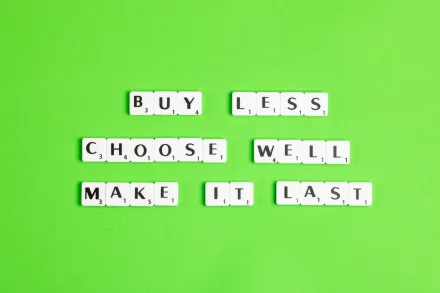
Impulse buying is a familiar friction in the rhythm of everyday shopping, a moment when a purchase is driven more by mood, novelty, or a sensory cue than by deliberate need. People often enter stores or browse online with a vague sense of desire and exit with a receipt that raises questions about where the restraint went. The key to taming this tendency lies not in denying oneself the occasional treat, but in shaping a decision process that introduces time, distance, and clarity between desire and purchase. A thoughtfully designed wish list acts as a cognitive buffer between the spark of interest and the moment of transfer from intention to payment, providing a structured space where choices can mature rather than vanish into a burst of immediate action. When used consistently, wish lists transform the impulsive energy of shopping into a more deliberate, reflective, and ultimately satisfying process that aligns purchases with longer term goals, budgets, and values.
To understand why wish lists can be so effective, it helps to recognize the psychology at play. The brain experiences pleasure when anticipating valued outcomes, and novelty triggers release of dopamine, a neurotransmitter associated with reward. This mechanism can be powerful in the context of shopping, where even minor temptations become catalysts for a rush. At the same time, memory and self-control fatigue accumulate; a fleeting urge can grow stronger the more it is entertained, and a decision made in the moment may later prove to be misaligned with actual need or budget. A well crafted wish list interrupts this loop by slowing the process down, externalizing the desire into a concrete artifact, and creating a psychological gap between the impulse and the action. The mere act of writing down, revising, and scheduling consideration for a future date reduces the emotional charge of a sudden urge and invites rational evaluation to take its rightful place in the decision making sequence. In short, a wish list does not annihilate desire but reframes it as something that can be managed with intention instead of impulse.
The practice of maintaining a wish list relies on several interlocking behaviors: visibility, accountability, temporal spacing, and practical evaluation. Visibility means that items of interest are captured in a consistent and accessible place rather than allowed to float in memory or appear only as fleeting notifications. Accountability emerges when a person commits to revisiting the list at defined intervals or shares it with a trusted partner who can provide an objective perspective. Temporal spacing introduces a deliberate delay between the moment of want and the moment of purchase, enabling the individual to reflect on whether the object remains compelling after the initial novelty fades. Practical evaluation involves examining price, utility, durability, and how an item fits within existing plans for housing, wardrobe, or technology. When these elements align, a wish list becomes much more than a repository of curiosities; it becomes a dynamic framework for responsible consumption that respects both personal preferences and financial boundaries.
Understanding the mechanics of wish lists and their impact on buying behavior
At its core, a wish list serves as an externalized memory of what truly matters to a person at a given time. When someone encounters a product, the immediate signal is often a surge of curiosity, admiration, or utility analysis. Without a deliberate system, that signal can collapse into a purchase or dissolve into forgotten temptation. A robust wish list captures not only items but also the context around them: why the item matters, how it would be used, what problem it would solve, and what alternatives exist. This context matters because it converts a raw impulse into a gateway for discernment instead of a reflex. The process of articulating purposes along with a graded sense of urgency within the list transforms passive interest into an active decision making framework. It is this shift—from a spontaneous craving to a structured inquiry—that reduces snap judgments and aligns outcomes with tangible goals such as saving for a down payment, refurbishing a living space, or upgrading essential tools with a longer life cycle.
Moreover, wish lists can be designed to function as learning systems. Each item entry becomes a small case study: does the item still hold appeal after a week, a month, or a season? Has its price dropped, or has a workaround emerged? Is there a different item that already exists with similar utility, or a more durable option that fits the budget better? By routinely revisiting entries, a person gathers experiential data that informs future decisions. The list thus morphs from a static catalog of desire into a reflective archive that rewards patience, research, and disciplined spending. In practice this means that wish lists evolve with the person’s circumstances, priorities, and evolving sense of what constitutes value, which makes long term financial health more achievable and less abstract.
Designing a wish list that actually curbs impulse requires clarity about what to capture and how to classify items. A useful approach is to separate items into broad categories such as essential upgrades, desirable luxuries, and aspirational splurges. Within each category, it is helpful to include a note about the reason for interest, a rough estimate of cost, and a target date or timeframe for reconsideration. The act of setting a timeframe is crucial because it discourages quick impulsive acquisitions while preserving the option to purchase when a need becomes acute or a value is realized. By embedding these mechanisms in the structure of the list, the user gains a navigable, self reflective tool rather than a haphazard collection of ideas and curiosities that drift in and out of memory without consequence.
Designing effective wish lists
When a person decides to implement a wish list, the initial setup matters as much as ongoing maintenance. The most effective lists are lean, legible, and easy to update, but they also carry enough context to inform later decisions. Language matters here; write concise notes that capture the practical rationale for each item. A well described entry might note the intended usage scenario, how often it would be employed, what problem it would solve, and how it would improve daily life. These notes are not a luxury; they are a guardrail against revisiting a purchase for the wrong reasons, such as novelty, peer pressure, or a temporary mood. A strong wish list also preserves a sense of hierarchy. Items that address foundational needs or significant life improvements should be highlighted, while smaller, decorative, or optional items can be placed lower in priority, accompanied by thoughts about whether they demonstrate real value or merely satisfy momentary curiosity. This hierarchical clarity makes it easier to decide when to buy and when to postpone, especially in moments of high emotional arousal while browsing or strolling through a store or scrolling through an online storefront.
Practical structure is equally important. A robust wish list includes fields that help separate objects by category, price range, anticipated usage frequency, and potential substitutes. It can include a field for a tentative purchase date, a field for a trial period, and a record of whether the item has been researched for alternatives or better versions. The discipline of filling these fields contributes to a habit of due diligence that significantly reduces regrettable purchases. The moment a shopper commits to a thorough, well documented entry, the process of buying becomes an intentional act rather than a spontaneous transaction. This subtle shift in mental framing changes the momentum of a shopping session, allowing the shopper to move with confidence, not fear or haste.
Another aspect of effective design is accessibility. The wish list should be easy to consult across devices, so it remains useful whether at home, at work, or on the move. If the platform supports synchronization, the list will reflect updates in real time and prevent duplicated consideration or conflicting decisions. Yet accessibility does not mean abandoning privacy or security. It is important to choose a system that respects personal data and to set boundaries around who can view the list if it is shared for accountability or advice. A private, well managed wish list can function as a personal decision engine that grows with a person’s financial literacy, rather than a simple repository of wants that becomes a source of stress during moments of scarcity or restraint.
From a behavioral standpoint, the way items enter and exit a wish list matters almost as much as the items themselves. A deliberate rule about archiving or removing items after a certain period is often more effective than merely leaving them in place. For example, items that have not been revisited after a set duration can be moved to a separate archive where they are still visible for later reflection but do not crowd the active list. This helps maintain clarity and reduces cognitive load. On the other hand, if an item recurs in discussions, searches, or price alerts over a cycle, it can become a stronger signal that it deserves closer consideration. By combining archival practices with a gentle persistence for items of recurring interest, a wish list becomes a self reinforcing instrument that nudges toward prudent consumption rather than perpetual postponement or indiscriminate buying.
Choosing the right platform and tools
For some people the best approach is a simple, offline notebook converted into a digital format later; for others a sophisticated app that offers tagging, reminders, and price tracking seems essential. The core criterion is not the complexity of the tool but the ease with which it integrates into daily life. If a platform is cumbersome, it will be used infrequently, and the benefits of the wish list will be limited. Therefore the choice should be guided by how naturally the user interacts with technology, what devices are at hand, and how much time is realistically available for reviewing the list. Digital tools often provide the advantage of searchability, quick edits, and reminders, but they also carry the risk of constant visibility and notification fatigue. A balanced approach might combine a primary digital list with a secondary, easily accessible physical copy kept in a common space like a desk drawer or a shopping bag, ensuring the person can reflect on it without needing to unlock a screen every time temptation arises.
One practical path is to select a single platform that integrates with routine activities rather than adding a separate habit. If someone spends time each morning checking emails or a news feed, linking the wish list to that moment—perhaps through a weekly digest notification or a reminder that surfaces during planning—can make reflection automatic. The important thing is to preserve a sense of boundaries. The list should not become a constant barrage of alerts that overstimulate the user. Instead, it should present just enough prompts to encourage thoughtful consideration while preserving mental bandwidth for other tasks. A well chosen tool can therefore act as a quiet coach that nudges toward deliberate choices rather than a noisy assistant that demands constant attention.
Another consideration is collaboration. In some households or among partners, sharing a wish list can support mutual budgeting and prioritization. In such cases, trust and clear communication about goals become essential. Shared lists enable couples, roommates, or family members to align purchases with common objectives, such as saving for travel, furnishing a home, or upgrading technology in a phased manner. The risk, of course, is that shared expectations can create conflict if one person continually resets priorities or treats the list as a shopping basket. To minimize friction, it is helpful to establish norms around review cadence, how price changes should be interpreted, and how compromise processes will be managed when preferences diverge. When designed with care, a shared wish list can strengthen financial cohesion and reduce friction around discretionary spending.
Strategies for keeping impulse at bay
One of the core techniques in using wish lists to curb impulse buying is to implement a waiting period that becomes a default behavior rather than an exception. Whenever an item catches the eye, the decision to purchase should be deferred by a prescribed amount of time, during which the item remains on the list and the user continues daily life without acting on it. This delay reduces the instinctual pull of novelty and makes room for rational reassessment. The waiting period can be tailored to the item’s cost and importance, with higher stakes prompting longer intervals. The practice is not about deprivation; it is about giving time for a more accurate evaluation of value, need, and feasibility. In repeated practice, the waiting period becomes automatic, transforming a once impulsive moment into a deliberate pause that preserves funds for goals that matter more in the long run.
A second strategy is to align the wish list with a personal budget or savings plan. When items are tagged with an estimated price and a defined savings target, the act of considering them becomes a budgeting exercise. A prospective purchaser can explicitly compare the item’s cost with their current savings trajectory and ask whether the purchase improves or undermines a larger objective such as an emergency fund, a debt reduction plan, or an investment goal. Even if the item is eventually purchased, the pre decision context provided by the wish list makes the decision more transparent and accountable. The knowledge that a purchase would require sacrificing or delaying another planned saving action can prevent impulsive choices and foster a healthier relationship with money over time.
Another effective approach is to leverage social accountability without sacrificing privacy. Sharing insights about why items are on the list, when they are likely to be reconsidered, and how much is allocated toward them can create a supportive environment that discourages impulsive impulse while encouraging prudent spending. The act of verbalizing rationales is itself a tool that clarifies the value of a potential purchase and reduces the odds that a momentary mood will override reason. Accountability works best when it is reciprocal and framed around mutual goals rather than judgment or pressure. When used wisely, it turns shopping into a collaborative practice that reinforces responsible decision making rather than undermining it.
Finally, it helps to reframe indulgence as a controlled, infrequent event rather than a constant possibility. If indulging is part of a broader plan—say, a quarterly or seasonal reward—then the wish list becomes a map for controlled timing rather than a battleground against desire. The experience of choosing to buy an item after a deliberate period and within a defined budget can be more rewarding than an impulsive, unplanned purchase. By viewing purchases as milestones aligned with personal growth, taste development, or practical improvement, the practice of using wish lists acquires a constructive purpose that goes beyond frugality and enters the realm of intentional living.
Practical steps to implement a wish list routine
The practical implementation begins with a calm assessment of current habits. A person should start by surveying recent purchases and their motivations, noting any patterns of impulse or regret. From this baseline, it is easier to decide what kinds of items deserve a place on a wish list and how to structure the list for optimal reflection. The next step is to establish a simple, repeatable entry process. When curiosity arises, capture the item in the list with a short description, the intended use, a rough price estimate, and a rationale for interest. Include a note about whether the item fills a genuine need or is a discretionary luxury. This initial capture is not a commitment to buy; it is a commitment to consider, which is a crucial distinction that supports better decision making under pressure.
With entries in place, the routine should incorporate regular reviews. A weekly or bi weekly review session can be scheduled as a non negotiable appointment with oneself. During this session, items are revisited, edits are made, prices are checked, and purchases that no longer hold interest are archived. This cadence helps maintain momentum without creating fatigue, because it keeps the list dynamic yet manageable. A simple rule during reviews is to ask whether each item still aligns with current priorities and whether the anticipated value remains compelling. If the item has not proven relevant or irresistible after several reviews, it earns a natural exit from the active list. This process preserves the list’s integrity and keeps it aligned with evolving preferences and life circumstances.
Another practical step is to implement a simple testing period for more expensive items. When a high priced item appears, a rule can be applied: consider it for a fixed amount of time before purchasing, during which the item remains on the list and can be researched further. This approach reduces the likelihood of hasty decisions and increases the probability that the purchase represents real, lasting value. The testing period also creates an opportunity to search for alternatives, such as refurbished versions, seasonal sales, or bundled offers that deliver greater value for the same budget. By embracing a broader evaluation window, a person can often discover a more satisfying solution that meets the original intent without exceeding budget constraints.
In addition, the routine should accommodate the possibility of price changes and promotions. The wish list can track fluctuation patterns for frequently purchased items and alert the user to favorable conditions without encouraging compulsive buying during sales. The aim is not to chase every discount but to recognize meaningful opportunities that enhance value and naturally support long term financial health. When price awareness is integrated with the wish list, the shopper becomes more capable of distinguishing opportunity from impulse, a difference that translates into tangible savings and more intentional consumption patterns over time.
Finally, it is valuable to cultivate a habit of reflection after purchases that originated from the wish list. Once a purchase is made, a brief note about the satisfaction level, usage frequency, and any overlooked consequences can be added to the item entry. These reflections convert each purchase into feedback for future decisions and help refine one’s understanding of what constitutes meaningful value. Over an extended period, this feedback loop sharpens judgment and strengthens the ability to distinguish desirable upgrades and upgrades worth postponing or bypassing entirely. The routine thus evolves into a lifelong practice that supports wise spending, meaningful possession, and a growing sense of financial empowerment.
Tracking progress and adapting
Progress tracking is not merely a tally of bought items; it is a narrative about changing habits, evolving priorities, and growing self trust. A person can evaluate progress by considering how many items were purchased after long consideration versus those that were skipped, how often revisiting the list prevented unnecessary purchases, and how well the list has helped stay within budget. A useful way to understand progress is to observe trends over time: perhaps certain categories consistently yield high value, while others rarely justify their inclusion. This awareness guides future list updates, ensuring that the tool remains aligned with current goals rather than becoming a static archive of past temptations. The most effective practitioners treat progress as a qualitative measure of financial clarity and life satisfaction, not merely a numeric score of spent or saved amounts.
Adaptation follows observation. If the evaluation reveals persistent friction in a particular area—say, the desire for electronics or home decor—the user can adjust the list’s structure to address it. This might mean tightening the price range for certain categories, adding more detailed notes about expected utility, or creating distinct sub lists for different life stages. The adaptability of the wish list is one of its greatest strengths, allowing it to respond to changing finances, evolving tastes, and shifting circumstances without losing its core purpose. A flexible tool that grows with the person’s life becomes a trusted ally rather than a rigid rule, sustaining momentum toward healthier spending habits while still accommodating moments of joy and reward when they truly fit the overarching plan.
Regular evaluation of outcomes is also important. A simple pattern to monitor is the balance between fulfilled entries and deferred entries, looking for a healthy ratio that indicates thoughtful consideration rather than perpetual postponement. If the rate of postponed items becomes overwhelming, it can signal a need to recalibrate criteria or even adjust the user’s goal framework. Conversely, a sustained streak of timely, well reasoned purchases suggests that the wish list is successfully channeling impulse into purposeful procurement. In either case, the adaptive process reinforces practical wisdom and helps maintain motivation over the long run, ensuring that the wish list remains a powerful instrument for mindful living rather than a source of nagging restraint or disappointment.
Common pitfalls and how to avoid them
Even well intentioned wish lists can fall into traps that undermine their effectiveness. One frequent pitfall is letting the list become too long, which can create a sense of overwhelm and reduce the likelihood of meaningful review. A solution is to adopt a pragmatic cap on active entries and to establish a routine for periodically pruning the catalog. Another common issue is treating the list as a shopping catalog rather than a decision aid. When a person reads the list as a to do of purchases, the effect is to convert reflection into negotiation with self that rarely ends well. Instead, reframe entries as prompts for inquiry about value, usage, and alignment with goals, so the list remains a tool for learning rather than a propulsion mechanism for consumption.
A third pitfall is mismanaging expectations about price and timing. If a person consistently marks items as urgent despite weak evidence of necessity, the system loses credibility and the behavior reverts to impulsivity. The cure is to implement explicit criteria for urgency, such as a minimum time delay, a defined budget impact, or a clear demonstration of need that transcends trendiness. It is also wise to guard against over sharing with others who may pressure for purchases. Privacy settings and boundaries around what is discussed with friends and family can preserve the integrity of the decision process and prevent external stimuli from diluting personal priorities. Finally, neglecting the review routine creates drift, a comfortable but dangerous condition in which the list slowly loses relevance and usefulness. Blocking time for consistent reviews ensures ongoing alignment with values and goals.
By anticipating these pitfalls and applying clear guardrails, a wish list becomes a robust, resilient framework for responsible consumer behavior. It keeps attention anchored to personal aspirations, fosters patience and discernment, and supports a lifestyle in which purchases are meaningful, well considered, and compatible with long term financial well being. The goal is not to eliminate desire but to manage it with intelligence, so that every item on the list is more likely to contribute positively to life rather than arrive as an emotionally driven, regrettable expense. When used with care, a wish list can transform shopping from a impulsive habit into a practice of mindful stewardship that respects both the present moment and the future self who benefits from prudent decisions.
Advanced ideas to leverage wish lists in daily life
Beyond basic tracking, wish lists can be integrated with broader life systems to enhance daily routines and long term outcomes. Some people pair their list with a seasonal review cycle that coincides with major shopping events, allowing a strategic alignment of spending with annual goals such as travel, home improvement, or education. Others bring the list into a personal development frame, linking purchases to skill building or hobby progression. For instance, an entry for a guitar amplifier might be accompanied by notes about lessons, practice milestones, and expected improvement in musical ability. In this way, the list becomes not merely a ledger of objects but a map of growth and self investment. By connecting purchases to deeper meanings, the impulse to buy can be reframed as an investment in capabilities, experiences, and quality of life rather than a fleeting thrill.
Another advanced tactic is to use the wish list as a feedback mechanism for product research. As values, needs, and preferences shift, the items on the list can reveal patterns in interests. Over time this can guide smarter shopping across categories, identify preferred brands or features, and reduce time spent chasing new trends. It also supports negotiable decision making when confronted with competing options. If two items fulfill similar needs but with different trade offs, the wish list context makes it easier to choose the version that aligns most closely with priorities and budget realities. Seen in this light, the list becomes a strategic tool rather than a mere catalog of potential indulgences.
Finally, wish lists can be used to cultivate generosity and shared prosperity. The act of saving toward meaningful purchases can cohabitate with generosity by designating a portion of discretionary funds for gifts or community projects. A thoughtful note on an entry may describe how purchasing an item would improve household function or enable helping others more effectively, which can end up shaping spending patterns in ways that benefit both personal well being and social ties. In this sense, the wish list supports a compassionate approach to consumption, one that balances personal satisfaction with consideration for others and the wider world. In daily practice, this means that even private lists can reflect public values, reinforcing a sustainable and humane approach to how goods are acquired, used, and valued.
Case studies and real-world examples
Consider a reader who recently redesigned a compact apartment. They kept a wish list that included practical upgrades such as compact storage solutions, a multi purpose workspace, and energy efficient lighting. The notes explained how each item would free space, reduce clutter, and improve daily routines. When a sale on lighting occurred, the list prompted a careful comparison of brightness, color temperature, and energy usage, leading to a purchase that cut monthly electricity costs and created a more comfortable living environment. A similar case involved a hobbyist who wanted to upgrade a camera lens and an editing workstation. The wish list captured the expected improvements, estimated costs, and a research path for alternatives. After a waiting period and price comparisons, they selected items that offered durable performance with a broader set of compatible accessories, resulting in a satisfying upgrade that aligned with both budget and long term value.
In another scenario, a family used a shared wish list to coordinate a kitchen renovation. Entries included durable cookware, a reliable blender, and ergonomic tools for aging relatives. The list’s notes emphasized usability, safety, and sanitation benefits, and the family committed to a staged purchase plan that respected seasonal sales and included a buffer for unexpected costs. The result was a cohesive upgrade that improved everyday meals, reduced dishwashing time, and strengthened family routines. These stories illustrate how wish lists function across diverse contexts, translating abstract desires into concrete, beneficial outcomes rather than fleeting impulses that fade away after a moment of interest.
In all cases, the underlying principle remains consistent: a well maintained wish list acts as a bridge between interest and value. It preserves the joy of discovery while ensuring decisions are anchored to purpose, budget, and a thoughtful evaluation of what will truly enhance life. The examples above show how a simple organizational tool can yield meaningful results when used with discipline, reflection, and an eye toward longer term goals. The transformative potential lies not in restricting freedom but in reallocating attention toward choices that endure, creating a shopping experience that supports growth and satisfaction rather than rash expenditure or regretful acquisitions.
Maintaining motivation over time
Motivation to use a wish list consistently can wane, especially when daily life becomes busy or when spending temptations are abundant. To sustain momentum, it helps to periodically reconnect with the core reasons for adopting this practice. Reminding oneself of specific goals, such as saving for a family vacation, building an emergency fund, or acquiring a tool of professional significance, keeps the practice relevant. Seeing progress in the form of items that were delayed but eventually purchased or items that remained on the list for months can reinforce the sense of disciplined control, which in turn sustains motivation. Celebrating small wins, even in a quiet, internal way, reinforces the habit and strengthens the belief that deliberate spending is both achievable and rewarding.
Structure supports motivation as well. Keeping the list compact and meaningful, rather than sprawling, reduces cognitive load and makes regular reviews more inviting. Establishing a predictable rhythm—weekly check ins, price watch periods, and clear criteria for revisiting or archiving entries—turns the practice into a sustainable routine rather than a sporadic experiment. The more the routine is woven into daily life, the more natural it becomes to pause before purchasing, to ask critical questions about need and value, and to act with intentionality. As motivation stabilizes, the wish list ceases to be a separate task and instead becomes an integral component of a mindful approach to money, possessions, and lifestyle choices.
Future trends and expanding the concept
Looking ahead, wish lists may evolve through deeper integration with personal finance ecosystems, smart shopping assistants, and behavioral analytics. The potential for more sophisticated analytics could help individuals discover patterns in their preferences, identify optimal price points, and anticipate future needs with greater accuracy. Enhanced privacy controls and user friendly interfaces will likely accompany such developments, ensuring that individuals can utilize powerful tools without compromising personal data. The concept could expand to incorporate social dimensions, such as community wish lists that enable shared purchases for group experiences, while still preserving individual autonomy and budget boundaries. In this broader landscape, wish lists become proactive guides toward financial resilience and purposeful consumption rather than passive catalogs of desire.
As technology and culture continue to intersect with everyday spending, the essence of the wish list remains simple yet profound: a disciplined space where interest is transformed into measured intention. By preserving clarity, fostering reflection, and supporting delayed gratification, wish lists empower people to enjoy the benefits of new things without paying a hidden price in finances or satisfaction. The future of this practice will depend on thoughtful design that respects privacy, enhances practical decision making, and stays attuned to human needs for novelty, comfort, and growth. In that sense, wish lists are not merely tools for shopping but instruments for living with greater intention, balance, and confidence in the choices that shape daily life.