In many parts of the world, governments treat cryptocurrency as a form of property rather than as a currency in the traditional sense. This distinction matters because it shapes how gains and losses are calculated, when taxes are due, and what kinds of reporting are required. The central idea behind crypto taxation is that the transfer of value from one asset to another, or from a person to a merchant, can create a taxable event in which a capital gain or income is realized. For many investors and users, the mechanics are unfamiliar because the...
Cryptocurrency & Blockchain


Impermanent loss is a concept that sits at the intersection of automated market making, liquidity provisioning, and the dynamics of token prices. In plain terms it refers to the potential reduction in value that a liquidity provider may experience when supplying a trading pair to a decentralized exchange that uses an algorithmic price mechanism. The key phrase here is impermanent, because the loss is not realized until the liquidity is withdrawn; if prices revert to their original relationship before withdrawal, the loss can disappear. Yet in p...

Cryptocurrency systems operate at the intersection of finance, technology, and human behavior. The phrase how crypto hacks occur captures not just a few bright technical exploits but a broad spectrum of vectors that attackers combine to steal funds, manipulate markets, or exfiltrate sensitive information. In recent years, the frequency and sophistication of hacks have grown as the industry expands, the value locked in protocols climbs, and developers introduce new features at a rapid pace. Understanding how hacks happen is not only about knowin...
A DAO, or decentralized autonomous organization, is an organizational model that seeks to remove or minimize centralized authority by embedding governance processes into software rules that run on a blockchain. In this structure, decisions are made collectively by participants who hold stake in the project, and the enforcement of rules is carried out automatically by smart contracts rather than by a human executive. The result is a system in which funding, strategy, and policy are determined through on chain processes, with transparency, audita...
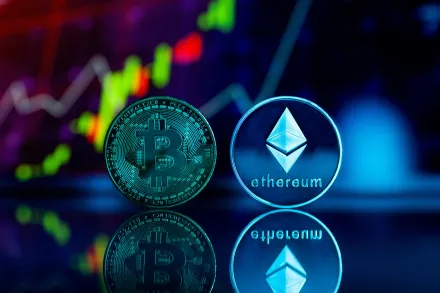
The world of cryptocurrency has evolved far beyond the earliest days of simple spot trading and overnight hype. Among the most powerful and misunderstood instruments in this space are crypto futures contracts. These instruments enable traders to speculate on the future price of a digital asset or to hedge underlying exposures without owning the asset itself. The essential idea is simple in concept yet intricate in practice: two parties agree to exchange a specific asset at a predetermined price on a future date, with the actual exchange sometim...

Perpetual futures are a category of derivative contracts that aim to track the price of an underlying asset, usually a cryptocurrency, with continuous trading and no fixed expiry date. Traders use them to express directional views, hedge existing risk, or implement complex strategies that combine leverage with rapid price movements. The term perpetual emphasizes the absence of a predetermined settlement date, which distinguishes these instruments from traditional futures that have explicit expiries. In practice, perpetual futures are kept in li...

Cryptocurrency represents a form of value that exists primarily as digital information rather than physical coins or banknotes, and it is designed to be independent of any single institution or traditional payment rails. At its essence, a cryptocurrency relies on cryptographic techniques to secure transactions, control the creation of new units, and verify the transfer of assets across a distributed network. This creates a foundation where no central authority is strictly required to maintain trust, because trust is built into the mathematical ...
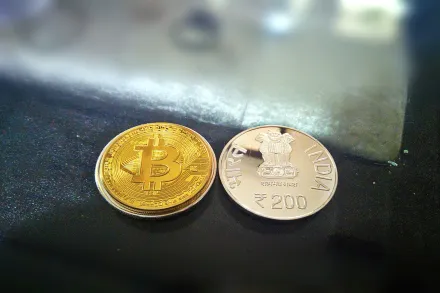
In the evolving language of digital money, coins and tokens are often discussed in the same breath, yet they refer to different kinds of assets that serve distinct roles within blockchain ecosystems. At a high level a coin is a native asset that powers a particular blockchain. It is built into the structure of that chain and typically functions as money, currency, or a fundamental unit of value used to compensate participants who maintain the network. A token, by contrast, is an asset that exists on top of another blockchain, created and manage...

Whale manipulation is a broad phrase that people use to describe the ways in which behavior, physiology, and ecological patterns of whales are influenced by internal biological processes, social structures, and external forces. In this article, we explore manipulation not only as a deliberate act by humans or predators, but also as a natural phenomenon that emerges from the anatomy of cetaceans, their communication systems, and the cultural transmission that characterizes many whale populations. To understand manipulation, we must define the sp...
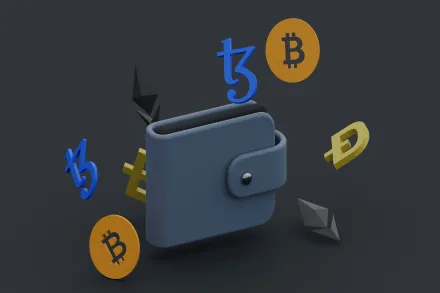
In the rapidly expanding world of digital currencies, the wallet you choose is not merely a convenience but a safeguard for your assets, a gateway to decentralized finance, and a potential single point of failure if it is not trustworthy. The proliferation of wallet apps across app stores and direct downloads has created an environment where legitimate offerings coexist with scams, copycat interfaces, and poorly secured products. A careful, methodical approach to evaluating wallet apps helps you minimize risk, protect your private keys, and pre...