In the realm of auto insurance, two coverages sit side by side as essential tools for protecting a vehicle against damage and loss, yet they respond to very different kinds of hazards. Collision coverage deals with damage to your own car that arises from collisions with other vehicles or with fixed objects, while comprehensive coverage shields your vehicle from a broader set of non collision events such as theft, vandalism, weather related damage, and other perils that do not involve being hit by another vehicle. Understanding how these two forms of protection work, what they cover, how deductibles influence costs, and when to rely on one or the other is a foundational skill for responsible car ownership. The subject is not merely academic; it translates into real world decisions about premiums, out of pocket costs, and the smoothness of a claim experience when misfortune strikes. This article takes a practical tour through collision and comprehensive coverage, clarifying their purposes, differences, and the practical implications for everyday budgeting and risk management.
Collision coverage explained
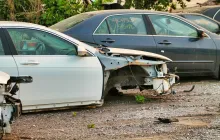
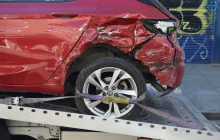
Collision coverage is designed to repair or replace your vehicle after a collision with another car, a stationary object, or even after a single vehicle accident where your car hits a tree, a guardrail, or ends up overturned. The core idea is straightforward: you pay a deductible, and the insurer covers the remaining cost of repairs up to the actual cash value of the vehicle, or pays the agreed replacement value if the car is deemed a total loss. This coverage is particularly valuable when you rely on your car for daily commuting, family transportation, or business needs, and you want protection against the financial shock of repairing or replacing a vehicle after a crash that you cause or that involves fault whose outcome may be uncertain. The practical effect is that a collision claim can help you restore mobility quickly, reduce the personal financial burden after an accident, and avoid dipping into savings or taking on debt to cover repair costs. The deductible acts as a quick way to share risk with the insurer, and selecting a higher deductible can lower premiums while increasing the amount you would pay out of pocket in the event of a claim. Collision coverage does not extend to non driving risks; it is not designed to address theft, weather damage, or vandalism, and those scenarios fall outside its scope.
Comprehensive coverage explained
Comprehensive coverage addresses a different set of risks that affect a vehicle without involving a collision with another car or fixed object. It typically covers theft, vandalism, and breakage, as well as damage from hail, fire, flood, falling objects, and other perils such as contact with animals. Glass damage, such as a broken windshield, is often included under comprehensive coverage or a related glass coverage option, depending on the policy. Like collision, comprehensive uses a deductible that the insured must pay before the insurer contributes to the repair or replacement costs. The value proposition of comprehensive is that it protects against a wide range of unpredictable events, many of which can suddenly render a car inoperable or leave it damaged in ways that are not related to accidents. For drivers living in areas with heavy weather, high theft risk, or frequent incidents of vandalism, comprehensive coverage provides a meaningful shield against financial losses that collision coverage would not address. Because many drivers do not experience a collision every year, comprehensive coverage often represents a prudent hedge against rare but consequential events.
Key differences between collision and comprehensive
At a practical level, the distinction between these two coverages rests on the kinds of events they respond to. Collision coverage triggers when damage results from a collision with another vehicle or an object, such as a mailbox, pole, or guardrail, and it is typically the primary remedy when the vehicle is involved in a crash on city streets, highways, or parking lots. Comprehensive coverage, by contrast, activates for non collision perils that strike the car without contact with another vehicle, including theft, vandalism, weather related damage, or damage from animals. The claim process for each coverage shares a common structure: you file a claim, provide necessary documentation, and the insurer evaluates the loss against the policy terms with an applicable deductible. The payout is generally limited to the actual cash value of the vehicle or the replacement value, minus the deductible, unless the policy specifies a different method for calculating compensation in cases of total loss. Deductions in both coverages encourage policyholders to assume some responsibility for minor losses and serve as a stabilizing factor in premium calculations. The premium impact of choosing a deductible is a balance between affordability of monthly payments and the potential cost of a claim when disaster strikes.
Costs, deductibles and value: how premiums are shaped
The premium for collision coverage tends to scale with the vehicle’s value, its age, and the likelihood of being involved in an accident. Newer cars or those financed through a loan often command higher premiums because the replacement cost is higher. A deductible is the portion you agree to pay before the insurer covers the rest, and choosing a higher deductible generally lowers the premium. Similarly, comprehensive coverage premiums are influenced by the same factors, plus the risk of theft, weather related damage, and other perils that are common in your geographic area. If a vehicle has specialized or high performance features, or if it resides in a location with elevated risk for hail, flooding, or vandalism, comprehensive costs can be substantial. It is important to recognize that the total cost of ownership includes not only the premium but also the potential out of pocket costs during a claim. When you evaluate your options, you should weigh your tolerance for out of pocket costs against the likelihood of a claim and the vehicle’s value over time. If a car holds significant emotional or financial value and would be difficult to replace, maintaining both collision and comprehensive coverage—even with a moderate deductible—can be a wise choice. If the vehicle is older, has incurred substantial depreciation, or is not financially essential to daily life, some drivers elect to drop one or both types of coverage to lower ongoing costs.
When collision is most valuable
Collision coverage becomes particularly valuable in several common circumstances. For a driver with a newer car or a car that was recently financed or leased, lenders often require collision coverage to protect the asset as long as the loan remains outstanding. In these situations, collision coverage functions as a shield against the risk of total loss due to a crash, helping ensure that the car can be replaced or repaired without imposing a heavy financial burden on the owner. For those who regularly drive in busy traffic, urban environments with high rates of fender benders, or areas where minor collisions occur with frequency, having collision coverage reduces the risk that repairing the vehicle will result in out of pocket expenses that could exceed the vehicle’s value. Collision coverage can also be valuable if you frequently drive in locations where fault determination is not straightforward, or where uninsured motorists present a real threat to repair costs. In addition, if you prefer the predictability of fixed monthly costs over the uncertainty of substantial repair bills, maintaining collision coverage can be appealing.
When comprehensive coverage makes more sense
Comprehensive coverage is especially compelling for drivers who face non collision hazards that are common in their environment. If you park outside, live in an area with frequent hail or severe weather, or if there is a real risk of theft or vandalism in your neighborhood, comprehensive protection helps absorb those shocks without requiring you to pay the entire bill. Wildlife interactions, such as deer strikes, are a frequent and costly risk in many regions; comprehensive coverage typically includes these scenarios, providing a practical safety net that collision coverage does not address. For vehicles with glass that is prone to cracking or breaking, comprehensive protection that includes glass coverage can be a smart addition because replacing glass can be a frequent and disruptive expense. Comprehensive coverage can also be paired with rental reimbursement or other add-ons, enabling you to maintain mobility while your car is being repaired or replaced after a covered event. The decision to carry comprehensive often rests on the balance between annual premium costs and the likelihood of encountering non collision events that would otherwise leave you financially exposed.
Hybrid situations and real world scenarios
In daily life, you rarely experience events in isolation, and the most practical decision often involves a combination of both coverages. Consider a scenario where you are involved in a minor collision with another vehicle in a busy intersection. If fault is clearly assigned to the other driver and their liability policy covers the repair costs, you might still file a collision claim to ensure a prompt payout or to preserve your own no claim history, depending on the claims process in your jurisdiction. If, however, the other driver cannot be identified or is uninsured, collision coverage or comprehensive coverage may be the sole path to recovery for your vehicle. In a different scenario, imagine a hailstorm that causes dozens of dents and a cracked windshield. Comprehensive coverage would typically handle the repair of that weather related damage, while collision would be less relevant unless the hail caused a collision with a fixed object. Understanding how these events unfold helps you see why many drivers carry both coverages and trust the policy to allocate losses to the most appropriate module. The practical implication is clarity in the claim process, faster resolution, and smoother budgeting decisions when you know that your coverage has you protected against both conventional accidents and unexpected perils.
Geography, seasonality, and risk patterns
Risk patterns for collision and comprehensive coverages vary by geography and climate. In densely populated urban areas with heavy traffic, collisions occur with relatively high frequency, which can make collision coverage appear more valuable. In contrast, rural regions with steep weather fluctuations, ice storms, floods, or high exposure to wildlife often see greater non collision perils, making comprehensive coverage a more substantial portion of risk management. Seasonal shifts, such as spring floods or winter storms, can influence the likelihood of weather related damage, while areas with high theft rates may push many drivers toward comprehensive protection. The interplay of these patterns means that the same vehicle in two different places can have dramatically different insurance economics, even if its initial value and usage are similar. Evaluating local risk involves looking at historical claim data, climate trends, and the presence of theft or vandalism in nearby neighborhoods. The result is a more tailored coverage plan that aligns premium costs with actual risk, rather than relying on generic assumptions.
Deductibles, limits, and damage assessment nuances
Both collision and comprehensive coverages operate with deductibles that must be paid before the insurer begins to contribute. The size of the deductible matters; a higher deductible reduces the premium but increases the out of pocket expense when a claim is filed. Limits for these coverages set the maximum amount the insurer will pay for a covered loss, which is especially important in the event of a total loss where market values or replacement costs may exceed expectations. Vehicle depreciation, new car replacement options, and regional labor costs all feed into the final payout. When evaluating a policy, it is crucial to consider not just the headline premium, but the combination of deductible, limits, potential rental reimbursement, and any sublimits for certain types of damage such as glass. A thoughtful approach accounts for how often a claim is likely to be made and how much you can comfortably absorb in a worst case scenario, while also considering the financial impact of keeping a newer, more valuable car versus an older, depreciated one.
Interaction with other coverages and policy components
Collision and comprehensive do not operate in a vacuum; they work alongside liability coverage, personal injury protection or medical payments, uninsured/underinsured motorist protection, and sometimes gap insurance or rental reimbursement. Liability coverage addresses the harm you cause to others, while collision and comprehensive protect your own vehicle. In many cases, if another driver is at fault and has adequate liability limits, your own collision or comprehensive claim might be optional if their insurer handles the loss directly, though this varies by jurisdiction and policy specifics. In some situations, you may decide to pursue a claim with your own insurer through collision or comprehensive for reasons of efficiency, fault uncertainty, or to preserve favorable insurance history with your current provider. Understanding the roles of these interconnected coverages helps you craft a plan that balances protection, cost, and flexibility when life presents a mix of risks.
How to evaluate your vehicle value and risk tolerance
A foundational step in choosing the right balance of collision and comprehensive coverage is assessing the value and use of your vehicle. If a car is relatively inexpensive to replace or has high mileage and substantial depreciation, the cost of keeping robust collision coverage might outweigh the expected benefit. Conversely, for a car with a high replacement cost, low out of pocket risk, and a user base that depends on having a reliable vehicle, both coverages can be the cornerstone of financial peace of mind. Your daily driving patterns, parking arrangements, and the likelihood of exposure to theft or weather damage all feed into the decision. For many drivers, a practical rule of thumb is to align the coverage to the vehicle’s market value and to adjust the deductible to a level that mirrors how much you could comfortably pay out of pocket if a loss occurred. If the car is financed or leased, the lender’s requirements may lock in certain coverage levels, making your choice more about meeting those requirements than optimizing personal risk tolerance. In any case, periodic reviews of the policy as the vehicle ages or as personal circumstances change keep the protection aligned with reality.
Practical steps for shopping and policy optimization
When evaluating quotes, the first step is to identify the actual replacement cost or current market value of the vehicle and compare it to the combined premium for both coverages at different deductible levels. Consider whether you prefer predictable monthly costs or flexibility to absorb larger claims. Factor in potential rental costs during repairs and whether those add-ons are included or priced separately. The decision to bundle coverages with the same insurer can unlock discounts, but it is also important to compare whether a bundled package with a single provider truly delivers the best value when the price of separate policies from different companies is taken into account. Usage based or telematics driven programs can influence rates depending on driving behavior, so if you have a safe driving record, you may gain additional savings that complement the protective value of collision and comprehensive. A careful evaluation includes not only the premiums but also the behavior of the insurer in handling claims, the availability of a local auto repair network, and the expected ease of claims processing. In the end, the goal is to achieve a balance where out of pocket exposure remains manageable, the coverage most closely matches the real risks, and the total cost of ownership over the life of the policy feels reasonable.
Myths, misconceptions, and clarifications
Several myths persist about collision and comprehensive coverages that can cloud judgment. One common belief is that comprehensive coverage is always optional if you have a loan; in reality, many lenders require both collision and comprehensive until the loan is paid off, and even after payoff there may be preferences or policy structures that favor maintaining both. Another misconception is that you should always drop collision for an older vehicle simply because it has depreciated; however, if the car still holds functional value or if you intend to rely on it for transportation in any meaningful way, keeping collision can be prudent, particularly if repair costs are high relative to the car’s value. Some drivers assume that if a driver is at fault in an accident, the other driver’s liability coverage will cover all damages to their own vehicle; in many cases this is true, but disputes, uninsured motorists, or cap limits can complicate the outcome, making collision coverage a valuable fallback. Clarifying these points helps you avoid overpaying for coverage you do not need and prevents gaps in protection in scenarios that matter most.
Putting it together: a personal risk management approach
Ultimately, choosing between collision and comprehensive, or deciding to maintain both, rests on a personal assessment of risk, budget, and the value of the vehicle at stake. A practical approach begins with clearly listing potential loss scenarios and estimating the financial impact of each. If your vehicle’s replacement cost, financing terms, and daily usage justify frequent or expensive repairs, carrying collision becomes a logical anchor in your protection strategy. If the highest likelihood of loss is theft, weather damage, or non collision events that do not involve impact with another vehicle, comprehensive stands as the more compelling safeguard. For many households, a dual approach provides a well balanced shield against a wide range of misfortunes while keeping the budget in check. Insurance is, in this sense, a risk management tool rather than a mere price tag; it reflects choices about security, convenience, and responsibility toward yourself and others who share the road with you. As circumstances evolve—such as paying off a loan, upgrading a vehicle, or changing where you park—the optimal coverage mix can and should change as well. A thoughtful, periodic review keeps your protections aligned with reality and ensures you are neither underinsured nor paying unnecessarily high premiums.