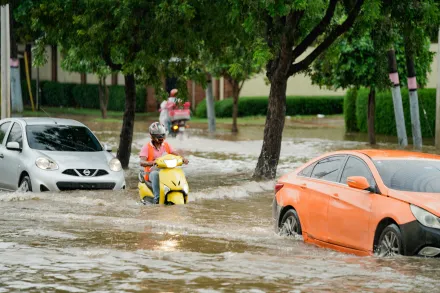
Flood insurance is a specialized form of protection designed to shield individuals and businesses from the financial losses that accompany flood events. It sits apart from standard homeowners or commercial property insurance, which typically exclude damage caused by rising water, seepage, or inundation from natural bodies or intense rainfall. By providing coverage for the costs of repairing or rebuilding structures and for replacing lost contents when a flood occurs, flood insurance offers a critical safety net in communities where weather patterns, river levels, or coastal conditions increase the likelihood of water intrusion. This article explores what flood insurance is, why it matters, how risk is assessed, what is and isn’t covered, how premiums are calculated, who should consider purchasing a policy, the process of obtaining and claiming flood insurance, and common myths that can lead to confusion or underprotection. It also addresses practical steps homeowners, renters, and small business owners can take to strengthen their financial resilience against flood events, and it considers evolving policy landscapes in response to climate change and changing infrastructure. By understanding the fundamentals, readers can make informed choices that align with their risk tolerance, budget, and long term property plans, while recognizing that flood insurance is one part of a broader strategy to manage weather related risk.
What flood insurance is and why it matters
Flood insurance is a contract issued by private insurers or, more commonly in many regions, by government backed programs that provide financial reimbursement for direct physical damage to structures and possessions caused by floodwaters. It covers the cost of repairs to a building’s foundation, walls, flooring, and appliances damaged by floodwaters, as well as the replacement of personal property up to policy limits. Unlike typical homeowner policies, flood insurance often includes specific definitions of what constitutes a flood and may impose waiting periods before a new policy becomes effective, which means that individuals should consider coverage well before a flood risk becomes imminent. The importance of flood insurance stems from the predictable realities of weather, geography, and infrastructure. Even a seemingly modest flood event can unleash substantial costs, potentially exceeding a household’s ability to absorb the expense through savings, loans, or routine maintenance budgets. For many residents, flood coverage represents a prudent investment in the long term, offering predictability in a context where the stakes are high and the timing of events is uncertain. In coastal areas, flood risk may interact with wave action and storm surge, while inland communities contend with river overflows, intense rainfall, and urban drainage challenges. In all cases, flood insurance functions as a dedicated risk transfer tool, allowing communities to recover more quickly and enabling property owners to restore residences and businesses and return to daily life after a disaster. The decision to pursue flood insurance is often influenced by factors such as property location, flood history, home value, contents value, and the presence of flood defenses or drainage improvements in the neighborhood. It is also shaped by the coverage options available, including separate policies for structures and contents, provisions for temporary living expenses if a dwelling becomes uninhabitable, and the possibility of endorsements that tailor coverage to specific needs. When people understand what flood insurance covers and does not cover, they can assess how much protection is appropriate and how to align it with other financial planning efforts. The discussion that follows delves into the mechanics of risk assessment, policy design, and practical considerations that help readers navigate decisions with clarity and confidence.
How flood risk is determined
Flood risk is assessed through a combination of geographic data, hydrological modeling, historical flood patterns, and community level information about drainage and flood control infrastructure. In many jurisdictions, official flood maps categorize property into zones that express relative risk, ranging from high to low, and often reflect both riverine and coastal scenarios. The mapping typically accounts for base flood levels, which estimate the height that floodwaters could reach during a flood event with a specified probability, such as a single percent annual chance, commonly referred to as a one in one hundred year flood. These maps inform not only insurance decisions but also land use planning, building codes, and emergency preparedness efforts. Insurance providers may rely on these data while also incorporating site specific factors such as elevation, distance from water bodies, construction materials, and the presence of flood mitigation measures like barriers or levees. For some properties located in areas with complex terrain or rapidly changing climate patterns, private insurers may offer alternative evaluations or supplemental assessments. The interplay between public flood maps and private risk assessment means that a property’s insurability, premiums, and coverage options can change over time as new information becomes available or as risk factors shift. In addition to these technical assessments, community level indicators such as historical flood frequencies, drainage system capacity, and resilience investments influence the perceived risk by insurers and lenders, shaping both availability and affordability of flood protection for households and small businesses in various regions. Understanding this risk landscape helps property owners anticipate potential costs and plan for durable protection that can withstand future flood scenarios.
What flood insurance covers and what it doesn't
Flood policies typically distinguish between the structure itself and the contents inside. Coverage for the building generally includes repairs or reconstruction of the foundation, walls, floors, utility systems, and built in features that have been damaged by floodwaters, as well as related costs such as debris removal, demolition, and sometimes some relocation expenses during the restoration period. Contents coverage, when purchased, helps replace items such as furniture, electronics, clothing, and personal valuables that suffered flood damage. There are notable exclusions common to many flood policies. Certain items may be excluded or only partially covered, such as landscapes, outdoor structures, and items stored outside or in non flood compliant areas. Some high value items may require riders or separate policies to achieve adequate protection. There are often restrictions on coverage for basements or crawl spaces, and the policy may impose limits on coverage for basements that do not meet certain criteria for being over the ground level or for using waterproofing design features. It is also common that flood policies do not cover damage caused by mold, mildew, or slow seepage that is not linked to a sudden flood event. Policyholders should examine exclusions for business operations conducted from the insured property and for any loss of use coverage, which provides reimbursement for temporary lodging and other living expenses if the home or building is rendered uninhabitable for a period of time. To ensure a coherent protection plan, homeowners and business owners often pair flood insurance with other forms of coverage that address risks not included in flood policies, recognizing that flood insurance is one element of a broader risk management strategy rather than an all encompassing solution. Recognizing what is included and what is not included helps property owners manage expectations, prepare for the significance of a potential loss, and understand how the policy interacts with any mortgage requirements or local regulations surrounding disaster resilience.
Costs and coverage limits
Premiums for flood insurance depend on multiple variables, including the type of building (residential or commercial), its construction characteristics, the foundation type, the occupancy (owner occupied, rental, or vacant), the location relative to flood zones and flood defense infrastructure, and the chosen coverage amounts for both structure and contents. Higher risk locations typically carry higher premiums to reflect the increased probability and potential severity of flood damage. Coverage limits are expressed in dollars and often come with separate caps for the building and for contents. In many programs, basic policies may fix a maximum amount for building coverage and another cap for contents, and policyholders can opt to increase these limits up to thresholds that reflect the replacement cost of the property and the value of stored possessions. Deductibles are another important element; a higher deductible can reduce the premium but also raises the out of pocket cost at the time of a loss. Some programs also offer additional options such as coverage for business interruption or temporary housing during repairs, but these endorsements come at extra cost and are subject to specific conditions. Policyholders should consider not only the initial premium but also long term affordability, the potential for inflation adjustments in coverage, and how costs may evolve in response to changes in flood risk, property value, or regulatory requirements. When planning, it is prudent to compare quotes from multiple providers, review the relation between premium amounts and expected payout in a given scenario, and examine whether the policy includes provisions that address inflation, loss avoidance, or incentives for mitigation measures that reduce exposure to flood damage.
Who needs flood insurance
The question of who should obtain flood insurance is not limited to those living in high risk flood zones. While residents in areas designated as high risk or in floodplains often face higher premiums and greater probability of claimable losses, there are reasons for people outside these zones to consider coverage. Flood events can occur in unexpected places due to heavy rainfall, overflow from nearby rivers, poor drainage, or storm surge in coastal regions. Mortgage lenders may require flood insurance for properties located in identified flood zones, especially for loans insured by federal programs, but even properties in lower risk areas can benefit from protection that helps with unexpected water intrusion and the costs of restoration. Small business owners who operate in locations with potential flood exposure should consider revenue protection, asset preservation, and continuity planning, recognizing that flood damage can disrupt operations, supply chains, and customer relationships. Renters also face risk if their belongings are damaged by flood waters, and renters insurance that does not cover flood damage may leave tenants unprotected unless a separate flood policy is obtained for the contents within a rented space. In short, flood insurance is a prudent safeguard for households, landlords, and business owners who want to limit the financial impact of flood events, preserve property value, and maintain continuity after disasters. It is not a guarantee against every possible scenario, but it does provide a structured framework for risk transfer and recovery planning that can help communities rebound more quickly.
Eligibility and how to obtain a policy
Eligibility for flood insurance is typically tied to the existence of a recognized flood risk, whether within a governmental program, a private insurer with a flood product, or a private insurer offering flood cover as an add on. In many regions, the National Flood Insurance Program or equivalent state level programs coordinate the availability of standard flood policies, while private insurers offer additional or supplementary products for properties not adequately covered by public programs. The process of obtaining a policy begins with an assessment of the property, including its location, occupancy, construction, and the values that need protection. Prospective buyers or owners can contact lenders, insurance brokers, or direct insurers to request quotes, review coverage options, and understand any waiting periods before the policy becomes active. It is common to see a waiting period after purchase or after changes to the risk profile before a flood policy takes effect, so planning ahead is essential. When applying, applicants provide details such as the building's construction type, the year it was built, any renovations that affect durability, and the contents value that will be covered. The underwriting process considers local flood maps, elevation information, and any mitigation measures in place. After the policy is issued, the insured should receive documents detailing limits, deductibles, covered perils, exclusions, and the procedures for filing a claim. Policyholders should maintain up to date contact information and keep an inventory of possessions to facilitate efficient claims processing in the event of a flood. Understanding these steps helps ensure a smooth policy setup and aligns expectations with the protection that flood insurance can realistically provide in the face of natural hazard risk.
Claims process and timelines
When a flood event occurs and damage is reported, the claims process follows a sequence designed to quantify loss, determine coverage, and initiate repairs. The timeline from notification to payout can vary depending on the complexity of the damage, the availability of contractors, and the completeness of documentation. Initially, the insured typically submits a claim with estimated damages, photographs, and a description of affected contents and structures. An adjuster may visit the property to assess the extent of loss, verify that the damage is caused by floodwaters, and review policy coverage, limits, and deductibles. Once the assessment is completed, the insurer issues a settlement offer that outlines the approved repairs, replacements, and any depreciation applied to contents. The insured may receive funds to begin repairs in stages, and in some cases, authorities may require temporary relocation or housing support if the dwelling is uninhabitable for an extended period. The timing of payments depends on the policy terms, the severity of the incident, and whether there are disputes over coverage. A critical element of an efficient claims experience is thorough documentation: keeping logs of communications, maintaining receipts for temporary housing, and preserving receipts for repairs and replacements. The process also includes provisions for independent appraisals or expert opinions if disagreements arise about losses or coverage. While the path from loss to restoration can be lengthy, having a flood policy in place typically provides a formal framework for financial support that helps individuals and businesses recover with less disruption to daily life and operations.
Flood zones and government role
Public flood zones and government backed programs play a central role in shaping access to flood insurance and the costs of protection. Government agencies often maintain flood hazard maps, provide subsidized or regulated insurance options, and establish standards for mitigation and resilience that influence premiums and eligibility. In regions where national programs exist, policyholders may benefit from standardized deductibles, defined coverage limits, and predictable premium structures, while private markets may offer alternatives with different terms, endorsements, or pricing. The government's role also extends to flood mitigation investments, such as floodwalls, levees, wetlands restoration, and improved drainage systems, which can alter risk profiles over time and thus affect future insurance costs. Community planning decisions, building codes, and land use regulations can impact vulnerability by encouraging or restricting construction in high risk areas or by promoting elevated designs, floodproofing techniques, and resilient materials. While insurance provides a layer of financial protection, it is most effective when combined with proactive measures that reduce exposure to floodwaters. The interplay among maps, public programs, private insurers, and local resilience initiatives creates a multifaceted framework in which property owners can understand their risk, obtain appropriate coverage, and participate in broader efforts to reduce flood damage across neighborhoods and regions.
Common myths and misconceptions
Misunderstandings about flood insurance are common and can lead to gaps in protection. A frequent myth is that standard homeowners or renters insurance will automatically cover flood damage, which is usually not the case. Another misconception is that flood insurance must be bought far in advance, overlooking waiting periods that can apply after policy initiation or changes in risk profiles. Some people assume flood coverage is unaffordable or irrelevant unless they live in a designated flood zone, not recognizing that flood events can occur outside formal zones and that protection remains valuable in many scenarios. There are also beliefs that higher policy limits always translate to better value or that contents coverage is unnecessary because the items can be replaced with savings. In reality, the decision to purchase flood insurance should balance risk exposure, the potential magnitude of losses, and the unique value of the building and its contents. Understanding the specifics of the policy, including what counts as a flood, how claims are evaluated, and how deductibles influence payout, helps individuals avoid costly surprises. Finally, some people think flood insurance guarantees prompt compensation after a disaster; while policies are designed to facilitate recovery, the claims process can involve detailed verification and documentation, and payouts reflect policy terms and timing considerations rather than an automatic or immediate settlement. Clear education about these issues supports informed decisions and reduces vulnerability to unexpected loss.
Implications for homeowners associations and rental properties
For homeowners associations and rental property portfolios, flood insurance takes on additional layers of complexity. Associations may need to cover common areas such as clubhouses, pools, and shared infrastructure where flood risk can affect multiple units and the overall property value. Individual unit owners may carry separate contents policies, while the association holds master coverage for shared components. Coordination is essential to ensure that the appropriate pieces are insured and that deductibles and limits align across the community. In rental scenarios, landlords must consider both the structural policy and the protection of tenants' belongings, which can influence renter cooperation and the clarity of lease terms. Some tenants may require renters insurance, while landlords assess whether to require flood coverage as part of the lease agreement. When a flood event occurs, the collective impact on the association’s reserves, the timeline for rebuilding common spaces, and the operational continuity of management services all depend on having robust, properly integrated flood protection. Thoughtful planning includes regular reviews of the flood exposure of common areas, the adequacy of reserves, the clarity of loss notification procedures, and the education of residents about how to respond during emergencies. By aligning individual policies with community wide risk management strategies, associations can improve resilience while preserving property values and the overall quality of life for residents.
Impact of climate trends and policy developments
Climate trends are shaping flood risk in ways that require adaptive insurance thinking. Increasing frequency and severity of heavy rainfall, rising sea levels, and more intense storms can alter flood probabilities for a broad range of locations, including areas previously considered low risk. As climate dynamics shift, insurers may adjust premium scales, coverage options, and eligibility requirements to reflect new data. Policy developments at national or regional levels can also influence the affordability and availability of flood insurance, with possible reforms aimed at expanding coverage to underserved areas, improving risk disclosure, or aligning incentives for property improvements and resilient design. Homeowners and business owners should stay informed about changes in flood maps, regulatory guidance, and the emergence of new products that address unique exposures, such as inland flood risk or flood mitigation retrofits. Engaging with insurers, brokers, or local government information channels helps ensure that protection remains aligned with current risk levels, technology driven risk assessment methods, and evolving best practices in resilience planning. Communities that invest in monitoring, early warning systems, and structural improvements may reduce overall vulnerability, which can in turn lower insurance costs and support faster recovery in the aftermath of flood events. The dynamic relationship between climate science, public policy, and private market responses means that flood insurance is not a static product but part of an ongoing strategy to manage risk responsibly and adapt to a changing world.
Practical steps to secure protection now
A practical approach to flood protection begins with an honest assessment of risk and a plan that integrates insurance with mitigation and preparedness. Start by examining local flood maps and talking with a qualified insurance professional to understand which policies are available and how much protection is prudent given the property value and contents. If a property sits in a high risk area or has a history of flood events, obtaining flood insurance should be a high priority, with consideration given to both building and contents coverage and an appropriate deductible that aligns with budget and risk tolerance. Homeowners can also pursue non insurance measures that reduce exposure, such as elevating electrical panels, installing flood vents, sealing openings, improving drainage around the foundation, and using flood resistant materials in basement remodels or ground level renovations. For properties in lower risk zones, it is still wise to explore flood insurance as a hedge against unpredictable weather patterns and rare but costly events. Regularly updating inventory lists of possessions, maintaining receipts for major replacements, and keeping digital backups of important documents can expedite claims and support faster recovery. It is also beneficial to coordinate with lenders to ensure compliance with any mortgage related requirement and to discuss the potential for premium savings through mitigation credits or community wide resilience programs. Finally, building a preparedness mindset that includes emergency planning, evacuation routes, and an understanding of the claims process can help residents respond more effectively when flood events occur and navigate the path to rebuilding with greater confidence and less disruption to daily life.