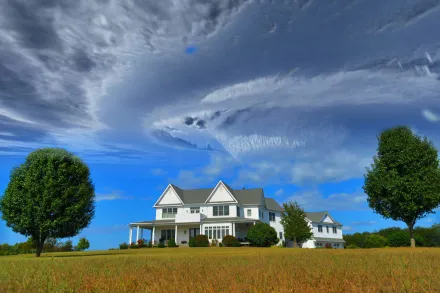
Introduction to homeowners insurance
Homeowners insurance is a form of protection that provides financial safeguards for people who own homes against damage to the dwelling and the belongings inside, along with a layer of liability protection that can cover injuries that occur on the property. It is not a single policy but a bundle of coverages that can be customized to reflect the location, the type of home, the value of the contents, and the level of risk. When people ask what homeowners insurance does, the answer is that it offers both a shield against unpredictable events and a practical framework for managing the financial consequences of losses. The modern policy is designed to handle not only damage from natural events such as storms or fires but also the day to day hazards of living, including theft, water intrusion, and accidents that occur in common areas for many homeowners. The aim is to provide access to sufficient funds to repair a home, replace lost possessions, and maintain a reasonable standard of living after an incident, while also protecting the homeowner from potential lawsuits arising from injuries to others or damage to someone else’s property on the premises.
What a standard policy covers
Most standard homeowner policies combine several core coverage categories into a single agreement that specifies how much protection is available for different kinds of losses. Dwelling coverage is designed to pay for the physical structure of the home itself, including walls, roof, and built in features, up to the stated limit and often on a replacement cost basis rather than a market value; this means the insurer plans to reimburse the cost to rebuild the home as of today rather than paying what it would fetch on the market. In addition to the dwelling, coverage for other structures guards detached garages, sheds, fences, and similar buildings separate from the main house. Personal property coverage helps replace or repair the belongings inside the home such as furniture, electronics, clothing, and tools, up to a policy limit that reflects the value of these items, and may be provided on a replacement cost basis or at actual cash value depending on the policy form. Loss of use or additional living expenses can cover costs associated with temporarily living away from home after a covered loss, including hotel bills, meals, and ongoing rent or housing arrangements, so a family does not face a sudden financial shock while repairs are underway. Liability protection acts as a safety net for legal responsibility in case someone is injured on the property or if the homeowner is found legally liable for damage to another person’s property, and it can also cover legal defense costs in the event of a lawsuit. Medical payments to others is a separate facet that helps cover minor medical bills for guests who are accidentally injured on the property, regardless of fault, which can prevent small incidents from escalating into lawsuits. Each of these elements has a limit, a deductible that applies to the claim, and optional enhancements that can broaden or refine the protections. The interplay among these parts is what gives a homeowner an integrated shield rather than a patchwork of separate policies.
Common policy forms and terms
Before choosing a policy, it helps to understand that homeowners policies come in several forms and are often described by the form name rather than just the broad concept of coverage. The most common form used by owners of single family homes is a form that provides open peril protection for the dwelling and other structures while offering named peril protection for personal property, meaning the most notorious risks are spelled out in the policy and anything not listed may be covered by the default open rules. The policy may be described as replacement cost coverage, which intends to pay to replace items with new equivalents, or actual cash value coverage, which subtracts depreciation at the time of loss; this distinction can have a meaningful impact on how much money is received in a settlement. In some cases a policy may be sold as a comprehensive all risk approach on the dwelling and structures with narrower perils for property, whereas some homeowners choose more basic forms that specify a longer list of perils that are covered for the dwelling and a separate list that applies to personal belongings. A separate room may discuss endorsements used to tailor the policy to the needs of the homeowner, such as increasing limits on valuable items, adding coverage for high value electronics, or including protection for home improvements that are not yet in place, all of which helps align the policy with the true risk profile of the home and its inhabitants. Reviewers should note that while the core intention remains consistent across different insurers, the precise language, definitions, and exclusions can vary, so comparing the actual policy language is an essential step in shopping for protection.
Factors that influence premium
Insurance costs are not flat; they rise and fall based on a mosaic of factors that reflect risk and the cost to replace or repair. The location of the home is a major driver because exposure to natural hazards such as floods, wildfires, or heavy snowfall can shape the probability of a claim. Construction type, the age of the dwelling, and the quality of the roof determine how vulnerable the building is to weather events and structural failure, and this in turn affects how much insurance is charged. The presence of safety features such as burglar alarms, sprinklers, deadbolts, or a monitored smoke detection system may qualify a homeowner for discounts, while a recent claim history could influence future premiums depending on the insurer’s underwriting approach. The chosen deductible amount and the overall protection limit directly color the cost; higher deductibles usually lower the premium, while higher limits raise it but increase protection. The policy language in addition to these factors can allow or restrict certain endorsements that expand coverage in exchange for a premium, and some insurers use credit based scoring or other risk assessment tools where permitted by law to estimate probable losses for a household, a practice that is complex and varies by jurisdiction. All these pieces come together as the insurer evaluates the risk and the cost to deliver the promised protection when a loss occurs, which explains why two homes that appear similar on the surface may carry notably different premium quotes.
Deductibles and limits explained
Deductibles are the portion of a claim that the homeowner must pay out of pocket before the insurer contributes, and the choice of deductible is one of the most practical levers a homeowner has to manage the annual price of protection. A higher deductible reduces the amount the insurer expects to pay on smaller losses and therefore lowers the premium, while a lower deductible increases premium costs because the insurer commits to covering more of the initial outlay when a claim arises. The limit for dwelling coverage represents the maximum amount the insurer will pay to rebuild the home after a covered loss, which means that if the replacement cost rises faster than the policy limit, the homeowner could face a funding gap unless they adjust the limit upward. Personal property limits cap the amount available to replace or repair the contents of the home, and in some policies there are separate sub limits for categories such as jewelry, electronics, artwork, or collectibles that are higher or lower than the general personal property limit. Loss of use coverage has its own limits that apply to the additional living expenses incurred while the home is being repaired, and liability coverage has its own cap that controls how much protection is available for legal judgments or settlements against the homeowner. Understanding these numbers is essential because they shape the level of protection and the potential out of pocket costs after a loss, which is why many advisors encourage homeowners to calculate replacement costs and to consider inflation protection that keeps these values aligned with the actual cost to rebuild and replace items in the future. The practical upshot is that proper alignment of deductible and limits with the realistic risk landscape is a straightforward way to balance affordability with adequate protection, rather than chasing the lowest premium at the expense of meaningful coverage when a claim occurs.
Endorsements and riders you might consider
Endorsements or riders are specialized additions that tailor a basic policy to the homeowner’s specific risks and aspirations. A common endorsement is flood insurance, which generally sits outside standard homeowners coverage and requires a separate policy or rider that is backed by the National Flood Insurance Program or private insurers in some regions. Earthquake coverage is another widely requested rider in areas with seismic risk or with older structures that might be more vulnerable to ground movement, and many homeowners opt for this protection even if a quake seems unlikely because the financial consequences of a quake can be devastating. Sewer back up or sump pump overflow riders address water related incidents that can threaten basements and lower levels, and these events are often excluded from standard coverage because they arise from drainage issues rather than from a simple physical damage event. Valuables riders are designed to pay for high value items like jewelry, fine art, or collectibles that exceed the normal personal property limits, ensuring that the item's true value is reflected in the coverage. Inflation guard riders help maintain the purchasing power of protection as prices rise over time, a particularly relevant feature in periods of rapid inflation. Other riders may address specific hazards or preferences, such as enhanced replacement cost for structures or expanded coverage for data loss when a homeowner runs a small home business from the residence. Each rider alters the policy’s premium and typically requires an appraisal, receipts, or documentation to justify the additional protection, so thoughtful review and documentation are required to avoid disputes during a claim.
How to determine your coverage needs
Determining the right level of protection involves a disciplined assessment of assets, risks, and lifestyle, combined with a practical forecast of what it would cost to rebuild and replace in today’s market. A thorough inventory of belongings, including furniture, electronics, clothing, tools, and valuables, is essential to set personal property limits that reflect reality. Homeowners should estimate the replacement cost of the dwelling by consulting building cost data, recent renovations, and the local cost to rebuild in case of a total loss, mindful that market value does not determine replacement cost. A clear sense of potential additional expenses—such as temporary housing, storage for belongings, and the cost of hiring contractors to repair or reconstruct a damaged home—helps create a more accurate loss of use limit. Mortgage lenders often require certain minimums, and when a home is financed the lender’s interest is protected by the policy, which means the policy should name the lender as additionally insured and provide the necessary coverage in the event of a catastrophic loss. The risk profile can also be shaped by factors such as the neighborhood, proximity to wildfire zones, crime rates, and the presence of nearby water sources, all of which influence the likelihood and severity of a claim. By combining these considerations, a homeowner can construct a policy framework that provides a balanced amount for each category and a reasonable total that aligns with both risk and budget, ensuring that the policy not only covers the property but also cushions the household from financial disruption if disaster strikes.
Filing a claim and settlement process
When a loss occurs, understanding the claim process helps reduce anxiety and speeds up recovery. The insured should document the circumstances of the event, preserve evidence, photograph damaged items, and gather receipts for major purchases or replacements, because this material often forms the backbone of the claim. Contacting the insurer promptly is recommended so that an adjuster can be assigned to assess the damage, review the policy terms, and verify that the loss is within the scope of coverage. The adjustment process seeks to determine the cause, the extent of the damage, and the appropriate amount to be paid, taking into account the policy's limits, deductibles, and depreciation if applicable. In many cases a settlement can be based on replacement cost value or actual cash value, and some policies require the homeowner to use the insurer’s preferred contractors or to obtain multiple estimates for significant repairs, while others allow more flexibility in selecting contractors. The path to a fair settlement is often facilitated by a detailed inventory, courteous communication, and a willingness to provide documentation that corroborates the extent and value of the loss, and homeowners should also be aware of the possibility of depreciation being applied to contents that are not new, which can affect the final payout if replacement cost is not chosen. The practical outcome is that a well prepared claim with thorough documentation tends to minimize delays and helps ensure that the homeowner accesses the protection that was purchased in a timely and predictable manner.
Exclusions and caveats
All insurance policies have exclusions that spell out events or conditions that are not covered, and understanding these exclusions helps avoid surprises during a claim. Standard homeowners policies typically exclude damage caused by floods and earthquakes unless separate flood or earthquake coverage is in place, and most policies exclude intentional damage, wear and tear, or maintenance related problems, as well as losses arising from neglect or the failure to perform reasonable upkeep. Some policies place limits on certain categories of property or on liability for certain activities; others may exclude certain high risk situations or require endorsements to expand coverage for specific scenarios. It is common to see exclusions related to professional liability for contractors hired to perform work on the home if the homeowner did not disclose known issues, or exclusions for business use of the home that go beyond a standard home office. While the exclusions may seem onerous, they reflect the realities of risk management, and they also create opportunities for careful planning. Homeowners can close gaps by discussing their specific exposures with an insurer and by adding appropriate endorsements, making a well informed decision that preserves protection while avoiding paying for coverage that is not needed or redundant. The objective is to know where protection stops and where risk exposure requires additional steps so that the policy produces the intended support when a loss occurs.
Shopping for homeowners insurance
Shopping for homeowners coverage is best approached as a disciplined comparison rather than a quick purchase, and it benefits from a careful reading of the declarations page and the policy language, which spell out exactly what is included, what is excluded, what the deductibles are, and how claims will be handled. When requesting quotes, homeowners should provide accurate information about the home and the possessions inside, because underinsurance can lead to unpleasant outcomes if a claim is filed. It is wise to compare more than the price, taking into account the scope of coverage, the reputation of the insurer, the ease of filing a claim, and the availability of customer support and guidance during a loss. Bundling with other lines such as auto or umbrella liability can result in meaningful savings, and some households may benefit from meeting with an independent agent who can translate policy language into practical implications and help identify endorsements that are genuinely valuable rather than decorative. Ultimately, a well chosen policy is not only about dollars saved today but about the confidence and resilience that come from knowing that a home and its inhabitants have a robust financial shield behind them when bad luck strikes, which is the essence of homeowners insurance explained in practical, actionable terms.
Homeowners insurance for specific scenarios
Different living arrangements require tailored protection, and homeowners insurance can adapt to a range of scenarios. For a single family house the focus is often on the structure and the broad reach of liability protection for everyday activity and for visitors who use the property. For those who own a condo or a co op, the insurance needs shift toward insuring personal property inside the unit and compliance with the master policy of the building, while the master policy typically covers exterior walls and structural components controlled by the association; renters have distinct needs that center on replacing possessions and liability while the building’s core structure is insured by the landlord or management, and a suitable policy for a renter often includes content coverage for personal belongings plus a liability shield in case a guest is injured within the rented space. Each scenario introduces nuance in how coverage is structured, the labeling of the insurer’s responsibilities, and the level of out of pocket expense that the homeowner may be prepared to handle, which highlights the importance of understanding how policy terms translate into everyday protection in a living environment that may feature shared spaces, common laundry facilities, and shared infrastructure that can influence both risk and reward.
Maintenance and risk mitigation as part of ongoing coverage
Another practical dimension of homeowners insurance is the role of maintenance and risk reduction in shaping both risk and premium. Regular upkeep such as inspecting the roof for damage after storms, trimming trees that overhang the house, maintaining the plumbing and drainage systems to prevent leaks, upgrading electrical panels to meet modern safety standards, and installing functioning smoke detectors and fire suppression measures, all contribute to a safer home and can influence the likelihood and severity of claims. Insurance companies often recognize proactive risk reduction with discounts or more favorable terms, and when homeowners adopt a continuous improvement mindset, they may experience fewer claims over time and a more stable premium trajectory. The relationship between maintenance and protection is not merely transactional; it is a narrative about preserving the home’s value, protecting the family from disruption, and creating peace of mind that the dwelling will endure the tests of time and weather with support from the policy that was chosen with care. A thoughtful approach to risk management also includes documenting improvements, keeping receipts, and updating the insurer about renovations that increase the home’s value or its security features so that the coverage can stay aligned with reality.
What to ask an insurer or agent
When engaging with an insurer or an independent agent, asking the right questions helps uncover gaps and clarifies expectations. Homeowners should inquire about the replacement cost basis and whether inflation adjustments are automatic or require annual endorsements; they should ask how endorsements are priced and how much coverage is actually available for valuable items and for disaster related scenarios that could arise in their region. It is useful to explore whether the insurer offers online claims tracking, how long a typical claim settlement takes, and what documentation is required to support losses, including inventories, receipts, and appraisals. A conversation about discounts, such as multi policy bundling, new home or new roof credits, and safety feature incentives, can reveal practical opportunities to reduce cost without sacrificing protection. Finally, it is important to understand how the policy interacts with mortgage requirements and whether lenders are named on the policy as loss payees or additional insured, as these details affect both risk management and the legal framework surrounding a claim. The aim of these inquiries is not merely to lower the price but to ensure that the homeowner has a clear understanding of how protection will perform when needed and to establish lines of communication that will survive the stress of a loss.
Understanding the Declarations Page and policy language
The declarations page is a concise document that accompanies the policy and outlines the fundamental numbers and names that define the contract, including the insured address, the policy period, the limits for each coverage, the deductible, the premium, as well as the lenders interest and any endorsements in force. Reading this page carefully helps homeowners confirm that the property described matches reality and that the coverage levels align with the homeowner’s expectations. The policy language itself—the body of the contract—contains details about what is insured, what is excluded, how losses are calculated, and how disputes are resolved. Definitions in the policy are critical because they establish how terms such as peril, dwelling, personal property, and insured location are interpreted. The interaction between the declarations page and the policy language creates a complete map of protection, and paying careful attention to the wording helps prevent misunderstandings during a claim. In practice, many homeowners convert their understanding into a mental checklist of questions and then seek explanations from their agent or insurer to ensure the coverage accurately reflects both the home and the homeowner’s expectations, which ultimately reduces the likelihood of gaps in protection when the inevitable happens.
Ongoing review and staying protected
Protection is not a one time purchase but an ongoing relationship between the homeowner and the insurer that benefits from periodic review. When renovations are completed, when major purchases are made, or when life changes such as children moving out or aging parents moving in occur, it is wise to revisit the policy to adjust coverage and limits, and to re validate that the renovations have been incorporated into the replacement cost so that the dwelling remains fully protected. The homeowner should keep an updated inventory of possessions and receipts for large purchases, and consider scheduling a formal policy review every year or two to ensure that the protection remains aligned with the home’s current value and the household’s risk tolerance. The ability to adapt the policy to changing circumstances is one of the core strengths of a well managed homeowners insurance plan, and it helps cultivate confidence that the home and its inhabitants will be supported when misfortune arises, which is the essence of homeowners insurance explained in practical, actionable terms.