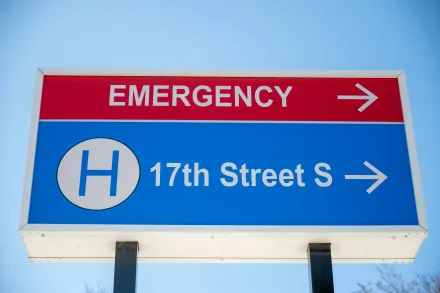
Understanding what counts as emergency care and how insurance coverage is triggered
When people think about emergency care, they often imagine dramatic scenes from television, yet real life rarely follows fiction exactly. In practical terms, emergency care is the spectrum of medical evaluation and treatment provided when someone experiences symptoms or injuries that could endanger life, function, or long term health if not addressed promptly. This typically includes acute chest pain, trouble breathing, severe abdominal pain, suspected stroke signs such as sudden weakness or speech difficulty, uncontrolled bleeding, significant trauma, or a sudden inability to move or think clearly. Insurance coverage is activated by the care setting and the medical decision making that occurs in that moment. A crucial legal framework that guides these situations is the Emergency Medical Treatment and Labor Act, known as EMTALA, which requires hospitals with emergency departments to screen and stabilize patients regardless of their ability to pay, at least for life-threatening conditions. That mandate means most emergency encounters are governed by a combination of the clinical acuity demonstrated by the medical team and the contractual terms of the patient’s health plan. The practical consequence is that patients should expect coverage decisions to reflect both the urgency of the symptoms and the policy rules that apply to emergency services, including whether the care was provided in or out of the network, the level of stabilization performed, and the overall chain of services from initial triage to disposition after evaluation.
What hospital bills can appear after an emergency visit
Emergency department encounters generate several kinds of charges, and understanding these can help a patient anticipate the financial impact. A facility charge covers the use of the emergency department, including the space, equipment, maintenance, and the personnel involved in triage and care while the patient is in the ED. In addition to the facility fee, professional charges come from physicians who evaluated the patient, from specialists who were consulted, or from the emergency medicine group that staffed the ED. When ambulance transport is involved, separate EMS charges may appear, reflecting the level of care provided en route, equipment used, and the distance traveled. If the patient is admitted to the hospital after the ED visit, inpatient charges begin to accrue and there may be a separate observation stay with its own billing code. The exact composition and timing of these charges depend on the patient’s plan, the participating providers, and the hospital's billing practices. For many patients, the experience includes a few different providers and a handful of services—imaging, labs, medications, and procedures—each generating its own charge and each potentially subject to different coverage rules under the policy. When reviewing a bill, it is valuable to request an itemized statement that separates facility charges from professional charges, and to compare those items against the Explanation of Benefits provided by the insurer to identify where coverage appears as anticipated and where patient responsibility may exist. While the immediate goal in the ED is stabilization and diagnosis, understanding the billing architecture around an emergency encounter helps patients interpret what they owe and why those costs occur.
Insurance plan structures and how they handle emergency services
Health plans come in a variety of designs, and each design has its own approach to emergency coverage. In broad terms, a plan may apply a copayment, a coinsurance percentage, a deductible, or a combination of these to different components of the emergency encounter. A copayment is a fixed amount paid at the time of service, while coinsurance is a share of the allowed amount that the patient must pay after the deductible is met. The deductible is the amount the patient must pay out of pocket before the plan begins to contribute, and the out-of-pocket maximum caps the total patient payments for the year. Each of these elements can apply differently to facility charges, professional charges, imaging, laboratory work, and medications administered in the ED. Plans can be organized as Health Maintenance Organization (HMO), Preferred Provider Organization (PPO), Exclusive Provider Organization (EPO), or Point of Service (POS) plans, and some individuals are enrolled in high-deductible health plans (HDHPs) paired with health savings accounts (HSAs). Medicare and Medicaid have their own sets of rules that determine how emergency services are covered, including parts A and B for Medicare beneficiaries and state-specific rules for Medicaid, with special considerations for dual-eligible individuals. In short, the precise balance of coverage versus patient responsibility during an ED visit depends on the specific plan's network structure, the categorization of the services performed, and the patient’s status as in-network or out-of-network for those services. However, in most ordinary ED visits that qualify as emergency care, the plan will provide some level of coverage for the major components, with patient responsibility allocated according to the contract terms and the clinical procedures performed during the episode.
In-network versus out-of-network emergency care
The difference between in-network and out-of-network care becomes particularly important in an emergency department setting, because the network status often shapes the level of financial responsibility. When you receive care at an in-network facility and see in-network providers, insurers typically have pre-negotiated rates, and patient cost sharing tends to be lower and more predictable. When a patient receives emergency care at an out-of-network facility, or when specialists or ancillary services are out of network, the billing can become more complex. EMTALA mandates that hospitals cannot refuse to treat an emergency patient based on inability to pay, but the reimbursement decisions for out-of-network services can involve higher charges, reduced coverage, or balance billing in some states where allowed. It is not unusual for a patient to receive an out-of-network emergency department visit with a plan that still provides some coverage for out-of-network charges, though the patient may face higher coinsurance or deductible amounts than if all services were in-network. To mitigate surprises, patients should understand their plan's definitions of emergency and urgent care, the scope of emergency coverage in-network versus out-of-network, and the extent to which balance billing applies in their particular state and plan. Communication with the hospital’s billing office and the insurer early in the post-visit process can clarify the expected payments and any possible financial assistance options that may be available.
Preauthorization, medical necessity and documentation
One important nuance in emergency coverage relates to medical necessity, a standard that insurers apply to determine whether a service or procedure is reasonable and appropriate for the patient’s condition and circumstances. In the ED, the urgency of symptoms and the clinician’s judgment play central roles in the decision to order tests, imaging, or hospital admission, and most ED visits are treated as emergencies regardless of subsequent test results. In many cases, preauthorization for the initial ED visit is not required because the patient is presenting with acute symptoms that demand immediate assessment. However, for certain tests, specialized procedures, or downstream services that extend beyond stabilization, some plans may require preauthorization or post-service medical necessity reviews. Documentation matters: the ED team should record the presenting symptoms, vital signs, clinical assessment, administered medications, imaging results, and the rationale for any observation status or admission. Accurate coding and clear documentation support the insurer’s ability to determine coverage and may affect the final EOB. When a denial occurs, patients have the right to appeal and to request a review of medical necessity decisions, and the provider’s documentation can be instrumental in that process.
Costs you may encounter during an emergency visit
Emergency care can involve a range of costs that are not always intuitive. In addition to the obvious facility and professional fees, patients may encounter charges for imaging studies such as X-rays or CT scans, laboratory tests, medications given in the ED, sterile supplies, and the use of specialized equipment. If a patient is admitted, room and board charges, nursing care, and any necessary inpatient procedures or therapies add to the total cost. Ambulance transport, whether from the scene to the hospital or between facilities, contributes additional charges that are often billed separately. Each of these components may be subject to different deductible, copayment, and coinsurance rules. The total patient responsibility will depend on the plan’s contract language, whether the services were provided in-network, and the level of coverage for each service. To minimize surprises, patients should ask for an itemized bill, review the Explanation of Benefits, and discuss any discrepancies with the insurer or hospital billing office. In some circumstances, financial assistance programs or charity care may be available based on income, assets, and the potential burden of medical expenses, and hospital social workers or financial counselors can help navigate these options.
What happens if you are admitted, observed, or discharged
Disposition after an emergency visit can vary from discharge home to a hospital admission or an observation stay. When a patient is admitted formally as an inpatient, the admission triggers inpatient coverage provisions that may differ from ED level services, including daily room charges, nursing care, and the potential for longer-term therapies. Observation status is a distinct category used when a decision to admit or discharge is pending, and it can affect how the care is billed and how much the patient owes, particularly if the patient’s plan distinguishes between observation and inpatient services. Insurance coverage for outpatient, observation, and inpatient care can differ in terms of which costs are paid by the plan and which costs the patient must bear. In some policies, an observation stay may still be covered as a lower level of care than a full inpatient admission, while others may treat it similarly to an inpatient stay for purposes of deductible accumulation and out-of-pocket maximums. The discharge process often involves prescriptions, follow-up appointments, and sometimes home health services; understanding how these post-discharge elements are billed and covered is important for financial planning and continuity of care.
Emergency transport and ambulance coverage
Ambulance services raise unique questions about coverage and cost sharing. Insurance plans frequently differentiate between urban ground transport and air ambulance, with varying levels of coverage depending on medical necessity, distance, and the patient’s plan design. Some plans will cover emergency ambulance transport when it is deemed medically necessary by a clinician, while others may impose higher coinsurance or copays for transport services, or may not cover non-emergency transports that occur due to patient preference. Policy terms may include ride-along services, stretcher use, or advanced life support features, each with its own associated charges. It is important for patients and caregivers to understand whether the ambulance provider is in-network and whether the transport qualifies as an emergency service under the policy. Clarifying these points with the insurer and the hospital prior to discharge, when possible, helps ensure that the transport costs align with coverage expectations rather than resulting in unexpected bills later.
How to read your Explanation of Benefits and how to appeal
The Explanation of Benefits is a crucial document that accompanies claims processing after an emergency encounter. It explains what the insurer paid, what portion was discounted as allowed amounts, and what remains as patient responsibility. The EOB may also provide codes that correspond to each service or procedure, along with notes about any denials or adjustments. Reading an EOB carefully helps identify potential errors, such as double billing, incorrect network status, or missing credits for in-network services. If a claim is denied or partially paid, patients have the right to appeal the decision and to request a medical necessity review or a reprocessing of the claim based on new information or corrected coding. To support an appeal, gather the original medical records, the ED report, imaging studies, and any correspondence with the hospital or the insurer. The appeal process can be lengthy, so initiating it promptly increases the likelihood of a favorable resolution. Some patients also find it valuable to work with a hospital financial counselor or a patient advocate who can help interpret the EOB, assemble the necessary documentation, and communicate with the insurer on their behalf.
Special considerations for seniors and government programs
For older adults and individuals enrolled in public programs, emergency coverage is often governed by additional rules and safeguards. Medicare Part A typically covers inpatient hospital services, including emergency care when admitted, while Part B covers outpatient ED services, physician services, and some post-discharge care, subject to coinsurance and deductibles. Medicaid coverage varies by state, but many states provide comprehensive emergency services with limited patient cost sharing, particularly for eligible low-income individuals and families. Dual-eligible beneficiaries, who qualify for both Medicare and Medicaid, may experience a blend of protections and charges that differ from those faced by other beneficiaries. In pediatric cases, CHIP or state child health programs may extend emergency coverage with particular stipulations regarding age-based eligibility and network options. For seniors and others with government-sponsored plans, it is especially important to examine the policy documents for details about out-of-pocket maximums, waivers, and the specific rules that govern urgent versus emergency care in both outpatient and inpatient settings, because the combination of programs can change the financial landscape of an ED encounter significantly.
Practical tips for navigating emergency coverage
Navigating emergency coverage effectively combines preparedness, timely communication, and proactive follow-through. Carrying your insurance card and a copy of the plan’s contact information to the ED can expedite verification, triage, and documentation. If possible, verify with the hospital and the insurer whether the facility and the attending clinicians are in-network for emergencies and whether any preauthorization is advisable for anticipated tests or procedures. After discharge, request an itemized bill and review the corresponding EOB to confirm that charges align with expectations and that any waivers or discounts have been applied where applicable. Ask the hospital about financial counseling services that can help negotiate arrangements, or explore charity care options if the patient is experiencing significant financial hardship. Keeping comprehensive medical records, including symptoms, onset times, medications administered in the ED, test results, and discharge instructions, supports both ongoing care and insurance disputes that might arise later. Finally, remember that emergency care is designed to stabilize and treat acute conditions; in many cases, timely treatment is more important than trying to optimize billing outcomes in the moment, but being informed about coverage can help patients collaborate with clinicians and insurers to reduce unnecessary costs while preserving high-quality care.
Because emergency care coverage is nuanced and plan-specific, readers are encouraged to actively engage with both their insurer and hospital billing offices to understand what will be covered, to request pre authorization when possible for elective components, and to document every step of the care and communication. Understanding EMTALA obligations, the difference between facility and professional charges, and how out-of-network status is treated can help minimize surprises when the EOB arrives, and may influence decisions if time allows a choice between care options. This discussion is intended to inform readers about general principles and common patterns in emergency coverage, but it does not replace the official plan documents or legal counsel. For the most accurate and personalized guidance, it is essential to consult your plan materials, speak directly with your insurer, and request the hospital billing department to explain any terms you do not understand or any charges that appear inconsistent with the care you received.