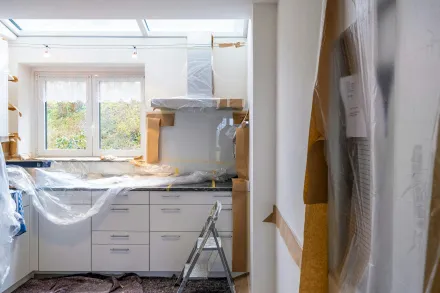
Overview of how renovations intersect with home insurance
Renovations transform more than the aesthetics of a dwelling; they alter the risk profile that insurance providers assess when pricing a policy and when deciding what coverage to extend. Even modest improvements can influence the way a household is evaluated for risk by underwriters, because changes in construction materials, systems, and layout can affect fire risk, water damage potential, structural integrity, and overall resilience against natural hazards. When homeowners embark on a project, they should anticipate that their current coverage may require modification, endorsement, or even a temporary adjustment while work is underway. The most responsible approach is to engage in proactive communication with the insurer well before construction begins, to obtain written guidance on required endorsements and to document the planned scope of work in detail. This preparation reduces the likelihood that a claim could be denied or that coverage could be challenged after a loss. In addition to technical risk, renovations may change the replacement value of the home, which in turn affects how much insurance is necessary to maintain adequate protection against a total loss or substantial damage. The conversation with an insurer should cover not only the immediate hazards that arise during active construction but also how the finished project will influence ongoing coverage, liability protections, and potential discounts associated with enhanced safety features or updated building codes.
What counts as a renovation from an insurance perspective
From an insurance standpoint, a renovation encompasses more than cosmetic updates such as new paint or fixtures. It includes structural alterations, mechanical system upgrades, and any work that expands living space, alters the footprint of the house, or materially changes the risk profile. Upgrading an electrical panel, replacing outdated wiring, installing modern arc fault protection, and implementing high efficiency HVAC systems all fall within this category because they affect fire risk, surge potential, and energy use. Renovations also include roof reconstructions, masonry work, foundation reinforcement, moving load-bearing walls, enlarging kitchens or bathrooms, adding rooms or finishing basements, and constructing decks or sunrooms that broaden the area covered by the policy. Even projects that temporarily increase the value of the property, such as installing premium windows with better insulation or deploying advanced water management systems, can shift the insurance equation because they influence replacement cost and risk management. Insurers tend to scrutinize renovations that involve new construction materials or untested products, because these introduce unknowns about durability and performance under adverse conditions. When a homeowner contemplates any sizable project, the prudent course is to discuss the scope with the insurance professional and obtain a written outline of what will be covered during and after the work, as well as any actions the policy requires to maintain protection throughout the renovation period.
Impact on premiums and risk assessment
The act of renovating can influence premiums in several ways, reflecting a recalibrated view of the property’s risk and the cost to replace it in the future. Major structural changes or the addition of new systems can increase the replacement cost of the home, which may prompt higher coverage limits; insurers often prefer to align the insured value with the actual replacement cost rather than the market value. Conversely, improvements that enhance safety, such as updated electrical systems, robust fire suppression measures, reinforced roofing, and improved storm protections, can sometimes reduce long-term risk and support premium stability or discounts. The overall effect on premiums depends on the jurisdiction, the insurer’s underwriting standards, and the homeowner’s claim history, but the trend is toward a closer alignment of policy limits with realistic replacement costs plus an acknowledgement of reduced risk due to higher quality materials and compliance with current codes. Understanding these dynamics helps homeowners budget correctly and avoid the common pitfall of assuming that renovations are universally expensive to insure; some improvements may yield meaningful savings over time through better resilience and lower frequency of losses.
Endorsements and policy changes you may need
As renovations progress, the standard homeowners policy may no longer provide adequate protection if the scope includes new hazards or substantially higher replacement costs. In many cases, an endorsement is required to address specific exposures. A builder’s risk endorsement, sometimes known as course-of-construction coverage, can be essential during active construction to protect materials, equipment, and the project site from theft, vandalism, or casual damage when the home is not in a ready-to-live-in state. Even after the renovation is completed, endorsements such as expanded personal property coverage, extended dwelling coverage, or new-for-old coverage on certain upgraded components may be warranted. Some customers may need additional liability coverage if contractors are on-site and the risk of incidental property damage or injuries could arise. Water backup, sewer line failures, and flood endorsements are examples where a renovation may influence the decision to add specialized protection. The key is to obtain a clear, written statement from the insurer outlining required endorsements, associated costs, and the precise conditions under which the policy will respond during the construction phase and after completion. Without these, a claim arising from a renovation could be subject to partial coverage or even denial if the loss is deemed not to be within the policy’s scope.
Permits, inspections, and insurer expectations
Permitting is not merely a bureaucratic formality; it signals to insurers that the project adheres to current safety standards and building codes. Most renovations that involve structural work, major electrical or plumbing upgrades, or additions require permits and inspections at various milestones. Insurance providers commonly require that licensed contractors perform the work and that inspections confirm compliance with local codes. When work proceeds without permits, insurers may view the project as increasing risk in ways that the policy does not cover, which can lead to coverage disputes if a loss occurs during or after construction. Insurers also expect documentation of the contractor’s insurance, warranties on workmanship, and evidence that materials used meet industry standards. By maintaining good recordkeeping and presenting a transparent plan with permits and invoices, homeowners reduce the likelihood of coverage gaps and strengthen the likelihood that any future claim will be evaluated on its actual risk profile rather than on assumptions about unverified work.
During the renovation: how coverage shifts
The renovation period is a transitional phase in which the property’s risk landscape can look quite different from normal operations. Materials, tools, and building components may be stored on-site, elevating fire or theft risk, and access to certain areas may be restricted or dangerous. Insurance can respond differently to materials in transit or staged on the property, and standard liability limits may not be sufficient to cover on-site injuries or property damage involving subcontractors. Some homeowners notice that portions of their policy, such as personal property coverage or replacement cost protection, behave differently when the residence is under construction. It is essential to verify whether the model used by the insurer for calculating risk during renovations requires temporary adjustments to deductibles, sublimits, or coverage territory. In many scenarios, a temporary dwelling endorsement, or a rider that expands coverage for materials and equipment stored outside the dwelling, is appropriate. The aim is to ensure that a covered loss during the renovation does not encounter a gap simply because the project is in progress and the home is effectively a worksite rather than a fully enclosed, inhabited residence.
Structural and electrical risks that affect insurance
Renovations that touch the structural skeleton of a house or the primary electrical infrastructure raise specific concerns for insurers. Any alteration that changes load paths, alters the integrity of walls, or modifies the roof line can adjust how a building behaves under wind, snow, or seismic events. Upgrading wiring or panels introduces new electrical fire risks if not executed to current standards, but it also improves safety if done correctly. Insurers pay close attention to whether the project complies with the latest codes and whether the installation includes modern safety features such as AFCIs (arc fault circuit interrupters) and properly sized breakers. Water-related renovations, including plumbing upgrades or bathroom remodels, require attention to moisture control and potential leakage pathways, because water damage claims can be among the most costly. The overall lesson is that insurance pricing and coverage during and after renovations hinge on code compliance, the use of licensed professionals, and the presence of robust safety measures that reduce the chance of catastrophic losses.
Liability and workers' compensation on job sites
If contractors or subcontractors are brought in for a renovation, the homeowner’s liability exposure changes. General liability coverage on the homeowners policy might extend to some on-site activities, but many policies require additional insured status or a separate liability policy from the contractor. It is common practice to request certificates of insurance from all workers, confirming general liability and workers’ compensation coverage. This protects homeowners from liability arising from injuries on the job site and from property damage caused by a contractor or a worker. In some cases, the policyholder must add the contractor as an additional insured to ensure that any claims related to the construction process are coordinated between insurer and insured. Failing to verify these protections can leave a homeowner exposed to significant out-of-pocket costs after an accident during renovations and can complicate claim settlement if third-party liability emerges during the project.
How renovations affect replacement cost value and appraisals
One of the most consequential effects of renovations is the potential change in the replacement cost value of the residence. A home may have been insured for a replacement cost equal to the cost of reproducing the dwelling as it stood, but when a major addition or upgrade occurs, that cost increase must be reflected in the policy. If the coverage remains tied to an outdated replacement value, an insured loss could result in a partial payment or even a large out-of-pocket expense called a coinsurance penalty. Appraisals and insurer revaluations help align coverage with reality, and some insurers require a re- appraisal after substantial renovations. The process can be as simple as providing contractor estimates and a recent appraisal of the upgraded materials and systems, or it may involve a formal property re-evaluation conducted by a professional. Homeowners should anticipate that premium adjustments may accompany changes to the dwelling’s replacement cost, and they should budget for the possibility of adjusting deductibles or coverage limits to avoid underinsurance or over-insurance once the project is completed.
Planning and budgeting for insurance during renovation
Successful management of insurance during a renovation begins with thoughtful planning. It is wise to initiate conversations with the insurer early in the project, ideally before any structural work begins, to discuss the scope, the expected timeline, and the necessary endorsements. Obtaining written guidance on required permits, contractor qualifications, and certifications helps create a clear path for coverage. Homeowners should request formal quotes for coverage adjustments that will be necessary during active construction and for post-completion insurance once the project is finished. Maintaining a well-documented file of plans, contracts, invoices, and permit approvals streamlines the process and minimizes surprises if a claim arises. A comprehensive plan may include updates to the dwelling limit, a maintenance of higher liability protections while workers are on site, and specifics about storage and protection of building materials on the property. The practical outcome is a policy that travels with the project rather than a policy that lags behind the evolving risk, ensuring continuity of protection for the home and all its occupants.
Working with different types of renovations: kitchens, bathrooms, additions
Different renovation types carry distinct risk profiles that insurers weigh when calculating premiums and determining endorsements. Kitchen remodels often involve gas lines, upgraded appliances, and new venting systems, which heighten concerns about gas leaks, carbon monoxide, and fire safety. Bathrooms bring a high likelihood of water exposure, especially during shower or tub installations, pipe replacements, and waterproofing work, which elevates the risk of leaks and mold if not executed properly. Additions expand the footprint of the home and can alter flood risk, wind exposure, and the adequacy of existing structural elements, requiring updated appraisal and possibly new drainage or foundation considerations. A whole-house remodel or conversion can trigger even more complex evaluations, including whether the existing policy still reflects the home’s use and occupancy, or if a more comprehensive approach such as a homeowners policy plus a builder’s risk endorsement is required to cover the on-site activities until the project is complete. In each case, the insurer will look for evidence of professional execution, adherence to code, and adequate safety measures to keep the project and the home protected throughout the process.
Temporary living coverage and disruptions
When renovations render a portion of the home uninhabitable, homeowners may need coverage that addresses additional living expenses or loss of use. If the project is extensive enough to prevent normal occupancy, a policy may include a rider that pays for hotel stays, meals, and other necessary living costs while the work proceeds. Even if the home remains partially livable, disruptions such as dust, debris, and noise can impact daily life, and some policies offer limited coverage for additional expenses related to maintaining basic living standards during the construction period. It is important to clarify with the insurer how long coverage applies, what the limits are, and whether there is any requirement to provide receipts or documentation for living-expense claims. Planning for these contingencies can reduce stress if a lengthy renovation extends beyond the initial schedule or if unexpected issues arise that prolong the construction timeline.
Documentation and communication during the project
Keeping meticulous records is one of the most effective ways to preserve coverage and expedite claims if something goes wrong during renovations. Homeowners should store contracts, permits, inspection reports, contractor insurance certificates, and receipts for materials, fixtures, and services. Photographic or video documentation of the existing condition and the progress of the renovation can help substantiate claims for property damage or theft. Regular communication with the insurance representative is crucial; homeowners should provide periodic updates about milestones, changes in scope, and any delays or budget adjustments. When a loss occurs, having a well-documented history of work on the property can make the difference between a smooth claim settlement and a dispute about coverage applicability. This disciplined approach also improves the insurer’s confidence that the project is being managed responsibly and in accordance with safety standards.
Common pitfalls and mistakes to avoid
Avoiding common errors can preserve coverage and prevent costly gaps. Underestimating the importance of permits or using unlicensed contractors can trigger coverage questions or claims denials, especially if an insurer concludes that unsafe practices contributed to the loss. Failing to notify the insurer about a renovation or delaying system upgrades beyond recommended schedules can create uncertainty about whether the policy will respond to a claim. Selecting subpar materials to cut costs, skipping important safety features such as smoke and carbon monoxide detectors, or neglecting to obtain endorsements for high-value projects are all risks that can undermine protection. Finally, the misalignment of insured value with replacement cost, either from delaying a valuation update after a major renovation or from assuming a policy would automatically cover unanticipated increases in rebuild costs, is a frequent source of post-loss frustration. Addressing these areas through proactive planning and transparent coordination with the insurer dramatically improves the odds of a secure, well-protected renovation experience.
Emerging trends: smart home, energy efficiency, and insurance
As homes evolve with integrated smart technologies, energy efficiency upgrades, and enhanced resilience features, insurers are increasingly evaluating how these innovations affect risk. Solar installations, energy storage systems, advanced water management devices, and high-efficiency HVAC configurations can modify the profile of a residence in ways that may lower or alter risk. For some homeowners, these upgrades qualify for premium credits due to reduced energy consumption or improved safety. For others, new technologies may introduce unfamiliar safety considerations requiring professional assessment or additional endorsements. Insurers typically want evidence that smart systems are correctly installed, maintained, and protected from power surges or cyber vulnerabilities that could translate into physical losses. The ongoing shift toward resilience and efficiency means that renovations are not merely about aesthetics or comfort; they are also about how a home behaves as a system under stress and how that behavior aligns with insurance underwriting guidelines.
In sum, renovations reshape the risk landscape of a home in ways that touch every corner of insurance planning, from the decision to begin work to the long-term protection once the project is complete. The most reliable path to maintaining or improving coverage during a renovation is proactive collaboration with an experienced insurer, thorough documentation, proper permitting and licensed contracting, and a clear understanding of how the finished project will affect replacement cost, liability, and ongoing protections. By approaching renovations with foresight and discipline, homeowners can pursue improvements that enhance livability and value while preserving the integrity of their insurance program. The project then becomes not only a physical upgrade but a coordinated process that aligns risk management, financial planning, and protected living under a single, coherent plan that evolves with the home.