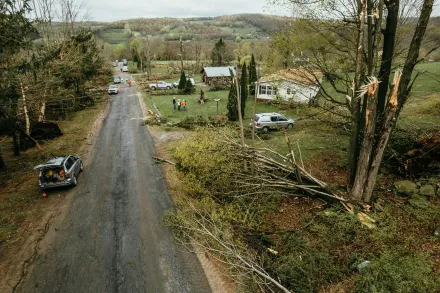
Understanding the immediate impact and the role of insurance
Natural catastrophes unleash a rapid cascade of disruption that touches homes, livelihoods, and communities in ways that are difficult to anticipate until the moment the event occurs. Storms, floods, wildfires, earthquakes, hurricanes, and other devastating phenomena can strip away the sense of security that people rely on in daily life, leaving behind damaged roofs, scorched interiors, shattered windows, and utilities that are intermittently or completely unavailable. In the midst of chaos, the presence of a well designed insurance system offers more than a financial cushion; it acts as a structured pathway back to normalcy. The insured can access funds that support repairs, temporary housing, and essential living expenses, while the insurer coordinates a broader array of services, including risk assessment, documentation support, and guidance on the most effective next steps. This framework helps to reduce the pressure on households and enables families to focus on safety, recovery, and rebuilding rather than being overwhelmed by uncertainty about how to pay for the necessary steps forward.
Beyond the immediate cash relief, insurance settlement processes are designed to mobilize resources quickly and transparently, with the goal of minimizing gaps that often arise after disasters. When a catastrophe strikes, speed matters because delays can compound losses, from spoiled food and damaged personal belongings to the erosion of income if a household cannot work or a business cannot operate. A well functioning claims system provides a structured sequence of actions: verification of the loss, provisional payments where appropriate, and a clear plan for the final settlement. This structure is meant to alleviate the stress of uncertainty and to set a realistic timeline for recovery, while also ensuring that the money allocated aligns with the actual damage and the terms of the policy. In practice, the interplay between preparedness, policy design, and responsive claims handling can determine how quickly a family can return to a stable routine after a catastrophe.
What types of disasters are typically covered
Standard homeowners and renters insurance policies generally cover a range of perils such as fire, smoke damage, wind, hail, theft, and accidental water damage that originates within the insured premises. These policies are crafted to address the everyday risks that households face, and they provide a framework for replacing or repairing affected structures and belongings up to policy limits. However, many disasters that receive significant policy attention, like floods and earthquakes, often require separate coverage or endorsements because these events are not uniformly included in standard plans. The recognition that different perils require specialized planning leads many households to consider a flood insurance policy through a separate program or a standalone earthquake rider to ensure a more comprehensive protective envelope around the home. Understanding the scope of coverage and where the policy leaves gaps is fundamental to making informed decisions about the level of protection needed before a disaster occurs.
Additionally, some lines of coverage extend beyond the physical structure to encompass liability and living expenses while repairs occur. For instance, a policy may offer protection for temporary housing costs if a home becomes uninhabitable, or for the replacement of personal belongings damaged or destroyed during an event. It is important to be aware that coverage can vary by region, policy type, and the insurer’s underwriting guidelines, and some scenarios require policy endorsements or riders, such as coverage for high-value items, business interruption for home-based enterprises, or backstop options that mitigate specific climate related risks. When considering what to insure, households typically weigh the value of their dwelling, the contents, and the potential impact of separate perils in their locality to determine how to tailor protection in a way that minimizes gaps between the catastrophe and the insurer’s response.
The claims process after a disaster
After a catastrophe, the claims process begins with a focus on safety and the rapid documentation of losses. Households are encouraged to secure their property against further damage, preserve any evidence of the destruction, and compile a thorough inventory of damaged or destroyed items. This documentation often includes photographs, video, receipts, and a record of the dates when various losses occurred. Contacting the insurer promptly is essential, as many policies have specific timeframes within which a claim must be initiated, and early notification helps adjusters plan the assessment with greater accuracy. The next steps typically involve a claims adjuster visiting the property to evaluate the damage, discuss the scope of repairs, and estimate the costs required to bring the home back to its prior condition or its new appropriate standard, depending on policy terms. While this process unfolds, insurers may issue an advance payment or a partial settlement to help cover urgent needs such as temporary lodging, meals, or the replacement of essential items that are no longer usable.
As the assessment progresses, the insured may be asked to provide documentation such as proof of ownership, records of loans or mortgages, and information about any prior damage that could influence the settlement. In some cases, an independent appraiser or public adjuster may be engaged to ensure that the valuation reflects current market costs and the actual scope of work required. The timeline from initial report to final settlement can vary based on the complexity of the loss, the volume of claims in the area, and the policy’s structure. Throughout, clear communication between the insured and the insurer helps ensure that expectations are aligned and that the settlement reflects a fair resolution in line with the policy’s terms and conditions. This collaborative approach aims to reduce disputes and accelerate the return to normal life for affected households and businesses alike.
Where insurance money goes and how payouts are calculated
Understanding how payouts are calculated requires a careful look at several core concepts that determine the amount of funds released to the insured. A critical distinction exists between replacement cost and actual cash value. Replacement cost coverage pays to replace damaged items with new equivalents, without deducting for depreciation, whereas actual cash value reduces payment to account for the wear and age of items at the time of loss. The choice between these approaches can significantly affect the final settlement, especially for older items that may have experienced substantial depreciation. In the context of dwelling coverage, the distinction can also apply to structural elements such as roofing, walls, and foundations, influencing whether the insurer funds a full replacement or a more conservative repair plan. Deductibles further shape the net payment, representing the portion of the loss the insured must bear before the insurer’s coverage applies, and the deductible amount can be tailored to reflect risk tolerance and affordability when selecting a policy.
Policy limits define the maximum amount the insurer will pay for a given category of loss, such as dwelling, contents, and additional living expenses. When a disaster affects both the structure and the belongings inside, the insurer will allocate settlement amounts across these categories according to the lines of coverage and the policy’s specific endorsement structure. In addition to the dwelling and contents, many policies include coverage for additional living expenses, which reimburse the costs of maintaining a reasonable standard of living while repairs are underway. Some policies offer specialized provisions for temporary circumstances, such as storage of belongings during repairs or compensation for meals when kitchens or dining areas are unusable. When funds are disbursed, they are typically applied toward repairs, replacements, or the costs of temporary housing, and insured individuals are encouraged to keep receipts and records to demonstrate how funds were allocated in accordance with policy requirements. In practice, a fair settlement balances the cost of restoring the home to its pre loss condition with the policy’s terms, while also considering the insured’s reasonable needs during the recovery period.
Economic and social benefits of timely claims
Timely settlements after natural catastrophes deliver economic benefits that extend beyond the household level. When funds flow promptly to homeowners and renters, contractors, retailers, and service providers in the affected area experience increased demand for labor, materials, and professional services. This, in turn, supports local employment and helps stabilize local economies that might otherwise contract sharply after a major event. Insurance claims that proceed smoothly also reduce the risk of mortgage default or eviction by ensuring that homeowners can cover essential expenses, property taxes, and ongoing maintenance during the rebuilding phase. The social value of quick recovery is evident in schools resuming operations, communities rebuilding shared spaces, and neighborhoods gradually returning to a functioning daily rhythm. In addition, the presence of insurance encourages risk informed decision making, enabling residents and business owners to invest in safer homes, resilient infrastructure, and more robust contingency plans, knowing there is a predictable mechanism to bridge the gap between loss and restoration.
From a broader perspective, the insurance sector’s capacity to mobilize resources after disasters can influence long term resilience strategies. Insurance payouts can fund not only repairs but also improvements that reduce the likelihood or impact of future losses, such as wind resistant roofing, flood mitigation measures, or upgraded electrical systems designed to withstand heat and humidity. When communities see a reliable pathway to recovery, they are more likely to invest in resilience initiatives that lower future premiums and enhance overall safety. This cyclical effect—efficient claims leading to rapid recovery, which in turn supports ongoing investments in prevention—helps cities and regions rebound more quickly from catastrophe and return residents to stable and productive lives as soon as possible.
Policy nuances that matter after a catastrophe
After a disaster, certain policy features become particularly salient. Endorsements and riders can expand coverage beyond the standard terms to address specialized risks that are common to a region or a property type. For example, a homeowner who has a high value collection of art or jewelry may require an inland marine endorsement or a separate personal property rider to adequately insure those items. Inflation guard endorsements are designed to keep limits aligned with rising replacement costs, which helps prevent underinsurance as construction prices and material costs climb after a catastrophe. Sub limits may apply to specific categories like valuables or electronics, in which case the insured may need to secure additional coverage to avoid gaps that leave important possessions underprotected. Deductible choices are also crucial, particularly in catastrophe prone areas where multiple hazards may affect a single policy period; a higher deductible can lower premium costs but requires more up front resources at the time of loss, while a lower deductible increases monthly payments but reduces out of pocket expenses when a claim occurs. Understanding these nuances is essential to ensuring a policy remains robust when a disaster strikes.
In addition, some policy structures provide open perils coverage for the dwelling while applying named perils for contents, or vice versa, depending on underwriting conventions. This distinction influences what is recoverable in certain events and how the insurer interprets the cause of damage. Replacement cost versus actual cash value for both structure and contents is another vital consideration, shaping the total payout and the timing of reimbursements. The availability of additional living expenses and the coverage of temporary housing costs can ease the burden of displacement, and some policies enable homeowners to finance repairs more quickly through streamlined disbursements. Because policy terms are written with the understanding that catastrophes present extraordinary circumstances, carefully reviewing the fine print and consulting with a knowledgeable agent can help ensure that every important risk is addressed and that the insured has a practical plan for recovery that aligns with their budget and priorities.
Responsibilities of the insured and the insurer
Effective catastrophe recovery rests on a shared sense of responsibility between the insured and the insurer. The insured has a duty to report losses promptly, provide complete and accurate information, and cooperate with the claims process. This includes documenting damages, protecting the property from further harm, and making reasonable efforts to mitigate additional losses, such as boarding up openings or implementing temporary weatherproofing. Cooperation also extends to providing access for adjusters, allowing for thorough inspections, and responding to requests for proof or additional documentation in a timely manner. On the insurer’s side, the obligation is to conduct a fair, transparent, and timely assessment based on policy terms and current market conditions. This often involves appointing qualified adjusters, utilizing standard appraisal processes when disagreements arise, and communicating clearly about what components of the loss are covered and when. The aim is not only to determine an appropriate settlement, but also to maintain trust with the insured and to ensure that the recovery process respects both the policy’s promise and the realities of the disaster environment.
When disputes or ambiguities arise regarding the value or scope of the loss, a structured approach to resolution becomes essential. This can include independent appraisals, mediation, or arbitration standards that minimize lengthy conflicts and keep the recovery on track. Throughout, a willingness to explain complex terms in plain language helps insured individuals understand the rationale behind decisions, enabling better planning and reducing the likelihood of miscommunication. A well managed process recognizes the emotional toll disasters can take and seeks to provide not only financial relief but also practical guidance on next steps, timelines, and possible avenues for additional support that may be available through community programs or government agencies.
Rethinking risk and resilience through insurance
Insurance is not merely a financial instrument to be activated after a catastrophe; it is a tool that can drive proactive risk reduction and community resilience. The existence of predictable coverage creates incentives for households to adopt safer building practices and retrofit measures that lower the probability or severity of future damage. Insurers increasingly encourage or require mitigation steps, such as installing impact resistant windows, reinforcing structural connections, upgrading electrical systems, and improving drainage or flood barriers. When communities invest in these improvements, the likelihood of severe or repeated losses declines, which can translate into more favorable terms and lower premiums for policyholders over time. Additionally, advances in technology, including digital inventory tools, remote sensing, and data analytics, enable more accurate risk assessment and faster validation of losses, facilitating quicker turnarounds in the claims process. This convergence of protection and proactive resilience helps communities recover more quickly while reducing long term exposure to catastrophe risk.
Parametric insurance represents another avenue through which resilience is enhanced. In parametric models, payouts are triggered by predefined parameters such as rainfall totals or wind speeds, rather than by an assessment of actual losses. This can expedite payments after events that are widespread but may cause uneven property damage. While this approach is not a substitute for traditional indemnity coverage, it can complement it by providing rapid liquidity to support emergency response and early reconstruction efforts. Policyholders who understand the spectrum of available products are better equipped to design a protection strategy that aligns with their risk profile and financial goals, blending standard indemnity coverage with innovative solutions that address the realities of a changing climate and increasingly complex hazard landscapes.
The role of government programs and insurance markets
In many regions, public programs and private insurers operate alongside one another to deliver a comprehensive safety net. Public programs, such as flood insurance or government backed disaster relief funds, often fill critical gaps that private markets may not fully cover due to high hazard exposure or elevated risk profiles. Private insurers bring expertise in risk assessment, pricing, and claims handling, and they frequently collaborate with agencies to manage catastrophe risk through reinsurance arrangements and catastrophe bonds that distribute risk across markets. The interplay between public and private sectors can influence policy availability, premium affordability, and the speed with which funds are disbursed after a disaster. Regions that cultivate strong public private partnerships tend to offer more resilient coverage options, greater transparency in claims handling, and more robust support networks for households and businesses during the recovery phase.
In practice, households benefit when policy terms, government programs, and insurer processes are aligned toward clear guidance, predictable timelines, and consistent financial support. This alignment helps residents make informed choices about coverage, avoid gaps in protection, and access relief quickly when catastrophe strikes. For communities, well integrated systems support faster reconstruction, preserve essential services, and reduce the long term economic scars that disasters can impose. The ongoing challenge is to adapt these mechanisms to evolving risk landscapes, ensuring that coverage remains accessible and relevant as climate dynamics shift and new hazards emerge. A thoughtful combination of standards, incentives for resilience, and streamlined claims processes is central to creating a more secure environment for households facing natural catastrophes.
Practical steps to prepare before disaster strikes
Preparation begins long before any weather event or tremor, with a focus on clarity, organization, and proactive risk management. Homeowners and renters can start by ensuring that policies are tailored to reflect real property value, accurately accounting for the costs of rebuilding and replacing items as circumstances evolve. Creating a detailed inventory of belongings, including photographs, receipts, and serial numbers, provides indispensable documentation that can streamline claims after a loss. Storing copies of policy declarations, endorsements, and contact information in a secure, accessible location—whether digital or physical—helps ensure that information remains available when it is most needed. Additionally, households should consider practical risk reduction steps that align with policy terms and potential incentives from insurers, such as reinforcing the roof, installing water resistant barriers, improving drainage around the property, and implementing electrical upgrades that lower the chance of secondary damage. These steps not only reduce exposure to hazards but also position homeowners to negotiate more favorable terms if policyholders decide to adjust coverage ahead of disaster season.
Preventive maintenance and documentation also serve as the foundation for an efficient and fair claims experience. Regularly updating inventories, maintaining receipts for major purchases, and ensuring that all property improvements are recorded with supporting documentation can significantly reduce friction during the claims process. At the same time, communicating with the insurance agent about regional risk factors and common hazards helps tailor coverage to local conditions. For communities, collective preparation—such as establishing emergency shelters, community response teams, and shared resources for temporary housing—can enhance resilience and reduce the strain on individual households when disaster events occur. When residents engage in thoughtful planning and work in partnership with insurers and local authorities, the path from risk awareness to recovery becomes clearer, faster, and more humane.
Lessons from recent catastrophes and how insurance adapts
Recent catastrophes across different regions have underscored the importance of both robust coverage and adaptive claims practices. In many cases, rapid advances in data collection, satellite imaging, and drone based assessments have improved the accuracy of damage estimates and reduced the time needed to begin repairs. Insurers have learned to deploy catastrophe response teams quickly, often coordinating with local contractors and relief organizations to expedite critical services such as temporary housing, water restoration, and debris removal. The experience of large scale events has also driven the industry to refine policy language, create more flexible endorsements, and implement digital platforms that enable homeowners to upload documentation securely and track the status of their claims in real time. These evolutions reflect a shared commitment to resilience: a recognition that recovery is not a single act of funding but a sustained process that involves assessment, adaptation, and continual improvements in how risks are understood and managed.
Cases from different climates illustrate why a comprehensive approach matters. In regions prone to wildfire, coverage that accounts for fire retardant improvements, defensible space, and construction materials can influence both risk and premium structures. In flood prone areas, the existence of separate flood policies and clear guidance about the interaction between flood and homeowners coverage helps prevent underinsurance or double counting of losses. Across these varied scenarios, the central principle endures: insurance is most effective when policyholders partner with insurers, maintain up to date information about their risk profile, and actively pursue mitigation measures that reduce exposure and accelerate recovery. This approach creates a healthier dynamic between risk, coverage, and resilience, enabling families and communities to emerge from disaster with a clearer plan and a stronger sense of continuity.