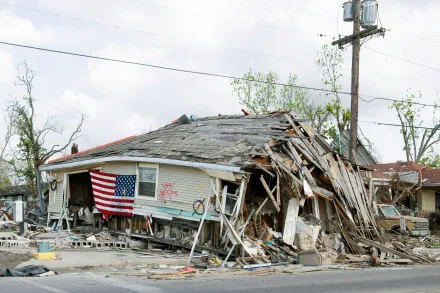
Understanding risk, premium, and protection
Natural disasters sit at the intersection of risk, economics, and personal security, shaping how insurers evaluate coverage, set premiums, and determine what protection looks like for a homeowner. When a community experiences a major event, the frequency and severity of claims feed into the data that insurers use to price policies, update underwriting guidelines, and recalibrate the balance between risk and reward. The core concept is that an insurance company is an institution that pools risk across many homes, and the size and composition of that pool change as new information about hazards becomes available. For a policyholder, this translates into a shifting landscape where the cost of protection, the scope of coverage, and the ease with which a claim can be satisfied can all be influenced by weather patterns, geological activity, and the historical record of a given area. In practical terms, this means that a neighborhood that has endured repeated flood events may see higher premiums, tighter coverage, or even limited availability for certain types of policies, while a region with a cleaner disaster history could enjoy lower rates and broader options. The mathematics behind this dynamic rests on risk models, loss expectations, and the anticipation of future events, but the lived experience is the everyday impact on premiums, deductible structures, and what it takes to rebuild after a catastrophe. Homeowners must understand that insurance is not a static shield but a living contract that responds to changing hazard profiles, infrastructure resilience, and market conditions. This awareness helps homeowners engage more actively with their own risk management and to work with insurers who recognize the realities of their locale, including the growing influence of climate-related hazards and the pull of evolving building codes that aim to reduce future losses.
The changing face of hazard and policy decisions
Historically, a home insured in a region prone to certain phenomena might have enjoyed stable coverage designed around weather norms and the typical damage patterns observed over decades. Today that picture increasingly includes outliers and acceleration in the frequency of extreme events, a shift driven by climate dynamics, urbanization pressures, and changing land use. As risk profiles shift, insurers reassess policy forms, modify endorsements, and adjust the limits and deductibles attached to essential protections such as structure, dwelling contents, and additional living expenses. For homeowners, these adjustments can manifest as subtle changes in the bare bones of a policy or as more tangible alterations in the availability of certain endorsements that were once standard. The existence of climate-driven variability also elevates the importance of documenting preexisting conditions, ensuring that the policy crowd can accurately distinguish between new damage caused by a disaster and latent vulnerabilities that might have contributed to the loss. In this evolving landscape, the mutual aim of insurer and insured remains the same—adequate compensation for covered losses in a timely manner—yet the path to that aim grows more nuanced as risk calculations increasingly bake in a forward-looking sense of hazard and resilience.
Premiums, deductibles, and how payouts are shaped after events
Premiums reflect not only the cost of risk but also the anticipated administrative and claims handling expenses that insurers must cover. When a natural disaster strikes a region, the immediate effect is often a temporary surge in claims that tests the capacity of insurers to process and settle losses efficiently. Over the longer term, repeated events and the measurable impact on the local housing stock feed into higher base premiums, explicit surcharges, or tightened underwriting guidelines. Homeowners may see changes in deductibles, with some insurers offering higher deductibles as a way to reduce premium costs, while others introduce catastrophe-specific deductibles that kick in only when a disaster meets predefined thresholds. In practice, payouts after a disaster are contingent on the policy language that defines what is covered and under what conditions; this includes the distinction between structure protection, contents coverage, and living expenses while a dwelling is uninhabitable. The way a claim is documented, the appraisal of damage, and the determination of rebuild scope all influence not just the amount paid but the speed at which funds become available for repairs. In this atmosphere, proactive risk management—such as reinforcing vulnerable areas of a home, installing protective barriers, or elevating critical systems—can translate into tangible benefits through lower deductibles or more favorable premium terms, reinforcing the idea that insurance is a two-way contract built on risk reduction as well as risk transfer.
Geographic risk and regional variation
Where a home is located fundamentally shapes the character of insurance options, because different regions confront distinct hazard profiles. Coastal communities may face hurricane exposure, riverine towns may contend with flood risk, and inland areas may confront wildfire or severe convective storms. Insurers respond to these realities by calibrating exposure measures that take into account the probability of damage, the expected cost of repairs, and the overall volatility of losses within a given geographic slice. This geographic lens means that identical house designs in different places can attract divergent premium levels and coverage configurations because the underlying risk environment is different. The consequences for homeowners are practical: some regions may require flood insurance or earthquake riders in addition to standard homeowners coverage, while others may see insurers limit the scope of certain perils or require higher endorsements to support comprehensive rebuilds. The regional pattern also interacts with infrastructure resilience, such as flood defenses, wind-rated building envelopes, and codes that incentivize safer construction. As communities invest in mitigation, the market rewards these efforts with greater policy flexibility and, in some cases, more favorable price signals.
Specialized hazards: floods, wildfires, and earthquakes
Standard homeowners policies typically exclude certain catastrophic perils or provide only limited protection against them, prompting homeowners to seek specialized coverage through endorsements or separate policies. Flooding is a prime example, as many standard policies treat water damage from a natural flood event as excluded unless a separate flood policy is in place through a national or regional program. Wildfires present another category with distinct coverage dynamics, where property losses may require both structural protection and equipment-related safeguards to prevent future damage after a blaze. Earthquakes introduce their own complexities, because ground movement can affect foundational integrity as well as interior systems in ways that differ from wind or flood damage. The financial structure for these hazards often includes higher deductibles, separate premiums, and, in some markets, state-backed programs that help distribute risk across a wider pool of insureds. For homeowners, understanding the distinctions among perils, the availability of riders, and the interplay between primary policies and specialized plans is essential to achieve a coherent shield against the specific risks that matter in their locale. This awareness also underscores the importance of timely and accurate disclosure to insurers about the presence of vulnerable features such as hillside slopes, proximity to bodies of water, or the eucalyptus forests that may fuel wildfire spread.
Endorsements, riders, and policy customization
As natural hazards evolve, homeowners often turn to endorsements and riders to tailor coverage to their actual exposure. An endorsement can amplify protection for a particular peril, add coverage for valuables beyond standard limits, or extend protection for equipment in outbuildings and detached structures. Riders may also address the subtleties of a home that sits in a high-risk zone, offering enhanced coverage for living expenses during repairs, temporary shelters, or costs associated with rebuilding to more resilient specifications. The process of selecting endorsements requires a careful reading of policy language to understand exclusions, caps, and exclusions that could effectively erode coverage if a disaster occurs. Insurers may present these options as ways to manage risk while allowing homeowners to maintain a sense of financial security even when the hazard landscape shifts. The practical result is a policy that mirrors not just a home’s physical attributes but also the owner’s risk tolerance, their budget, and their readiness to invest in resilience-enhancing measures. In this environment, a dialogue between homeowners and insurers about risk appetite becomes a central feature of the insurance journey, helping both sides align expectations with the realities of the local threatscape.
Mitigation and resilience as a path to favorable terms
One of the clearest ways homeowners can influence their insurance terms is through proactive mitigation. The construction choices, materials, and maintenance practices that reduce the likelihood or severity of damage become visible signals to underwriters about a property’s resilience. For example, installing impact-resistant windows in hurricane-prone regions, reinforcing roofs to withstand high winds, elevating electrical and mechanical systems above flood levels, and maintaining defensible space to slow wildfire spread can all lower an insurer’s expected losses. When insurers observe a home that demonstrates lower exposure through concrete actions, they may offer more favorable terms, such as lower deductibles, higher coverage limits for the dwelling, or even the possibility of preferred pricing within a given policy. The broader community impact is equally important; municipal and local programs that improve drainage, implement floodplain management, or adopt stricter building codes contribute to a collective reduction in risk and, over time, can translate into a healthier insurance market with more affordable options for residents. For homeowners, the message is clear: resilience investments are not only good for safety and property value; they are tangible signals of responsible risk management that can influence insurance economics in meaningful ways.
Claims handling, timeframes, and the recovery journey
When a disaster strikes, the speed and fairness of the claims process become as important as the coverage itself. The experience of filing a claim, documenting losses, coordinating with adjusters, and obtaining funds to begin repairs can determine whether a homeowner regains stability quickly or faces a drawn-out recovery. Insurers increasingly invest in digital tools to streamline assessments, enabling remote inspections, rapid documentation, and transparent communication about expected timelines. However, the complexity of disaster scenarios—with multiple layers of damage, escalating repair costs, and supply chain constraints—can still slow the pace of settlement. Homeowners benefit from keeping meticulous records, including photographs taken before and after events, inventories of possessions, receipts for emergency purchases, and professional appraisals where appropriate. In turn, insurers rely on these materials to assess coverage eligibility, verify losses, and determine appropriate payouts under the policy provisions. The overall aim remains to restore the insured property to its pre-loss condition or to an agreed-upon alternative standard in a fair and timely manner, while maintaining the financial integrity of the insurer’s portfolio.
Mortgage implications and lender requirements
Natural disasters can influence the intersection between homeowners insurance and mortgage financing. Lenders often require a certain level of coverage as a condition of the loan, ensuring that the asset backing the mortgage retains value and that the financial risk to the lender is managed. When disaster events cause shifts in premiums or coverage availability, homeowners may find themselves navigating renewal cycles, adjusting coverage to keep lender requirements satisfied, or exploring alternative policy arrangements that comply with loan covenants. In some cases, lenders may request proof of ongoing coverage during reconstruction or after a loss, a task that underscores how insurance is integrated into the broader process of preserving home equity and securing a financial future. The dialogue between homeowner, insurer, and lender can become more nuanced after large events, especially if rebuilding involves changes to the home that affect its valuation, such as updates to code-compliant construction or the inclusion of resilience features that transform the property’s risk profile.
Economic ripples: from local markets to the broader insurance system
Disasters ripple through local economies and the insurance market in ways that extend beyond individual policies. When a broad area experiences damage, construction demand rises, tradespeople become scarce, and materials costs surge. These factors push up the cost of repairs, which in turn influences claim settlements and the willingness of insurers to maintain standard policy terms. Catastrophe modeling and reinsurance treaties come into play as insurers seek to manage their exposure, spreading risk across entities and capital markets through instruments designed to absorb shocks. This macro perspective helps explain why even homeowners who did not directly experience a disaster might see indirect effects in their premiums or in the terms of policy renewals, particularly in regions that have faced recent major events. The interplay between public investment in resilience, private insurance capital, and the preferences of homeowners creates a dynamic system in which risk is continually reassessed and methods of coverage adapted to reflect the current risk environment.
Regulatory and programmatic elements shaping coverage
Many regions rely on a combination of private market solutions and public programs to address high-risk hazards. For floods in particular, government-backed programs or mandates may influence pricing, availability, and the structure of recommended protections. Earthquakes and wildfires often lead to niche markets offering specialized coverage, some of which operate with public support or through state-level initiatives designed to keep insurance accessible in high-risk areas. Regulatory frameworks determine how insurers disclose risk, how they price policies, and what minimum standards must be met to ensure that homeowners receive meaningful protection. They also influence dispute resolution mechanisms, consumer protections, and the clarity of coverage terms, which in turn affect how easily a homeowner can navigate a claim process after a disaster. Understanding the regulatory context helps homeowners anticipate potential changes in policy terms over time and informs decisions about whether to pursue additional coverage through endorsements or separate programs.
Future trends: climate risk, data, and empowered homeowners
Looking forward, the insurance landscape is likely to continue evolving in response to climate risk, technological advances, and the growing demand for transparent, accessible coverage. More granular data on weather patterns, flood plains, wildfire behavior, and building performance will feed into increasingly sophisticated risk models. This means that premiums may become more attuned to local realities, and homeowners may have greater opportunity to demonstrate resilience through construction practices or property upgrades. Digital tools, remote assessments, and digital dashboards could make it easier for homeowners to monitor their risk profile, track mitigation investments, and see how those actions influence policy terms over time. The trend toward personalization, combined with a growing emphasis on community resilience, suggests a future where coverage is not only more responsive to individual risk but also aligned with broader efforts to reduce the social and economic costs of disasters. Homeowners who stay informed, invest in protective measures, and proactively communicate with their insurers about their plans for resilience will be well positioned to navigate the shifting terrain of home insurance in a world shaped by natural hazards.