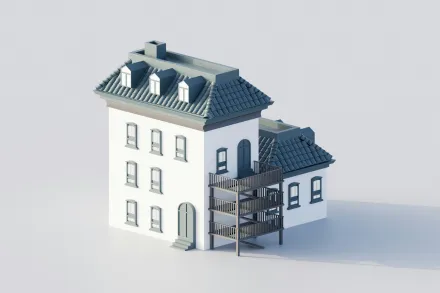
What landlord insurance is and why it matters
Landlord insurance is a specialized form of property and risk protection designed to cover rental properties and the people who own them. It integrates several layers of coverage that respond to the unique exposures of letting a dwelling, whether it is a single family home, a multi unit building, or a portfolio of rented properties. The core idea is to provide financial resilience against events that can disrupt rental income, damage structures, or expose the owner to liability arising from tenant activities or third party incidents. This kind of policy moves beyond a standard homeowners policy by recognizing the different ownership stakes, occupancy patterns, and legal responsibilities that landlords navigate. In essence, landlord insurance is a financial safety net that supports ongoing operations, helps manage risk during vacancies, and reduces the likelihood that a single adverse event will lead to a cascade of cash flow problems or costly legal claims. The practical value of this protection becomes clear when considering the everyday realities of rental ownership, such as repairs after storms, disputes with tenants over deposits or rent, or the need to rehouse occupants after a fire, flood, or other covered peril. A robust policy not only pays for physical damage but can also cover loss of rental income, liability arising from tenant activities, and the legal costs of defending a claim. The aim is to align insurance coverage with the landlord’s financial exposure, the typical tenure patterns of tenants, and the legal framework that governs rental agreements in a given jurisdiction.
Key coverages included in a landlord policy
Most landlord policies bundle several major protections that specifically address the landlord’s position. Buildings coverage protects the physical structure against perils such as fire, storms, theft, vandalism, and, depending on the policy, certain natural events that threaten the property. It may also extend to permanent fixtures and fittings that belong to the property owner. Contents coverage may be included when the landlord furnishes the dwelling or provides appliances for tenants, as in furnished rentals, allowing for replacement or repair of items that are damaged or stolen during the tenancy. A critical element is loss of rent or imputed rental income protection, which reimburses the owner for lost income when the property becomes uninhabitable due to a covered event. Liability protection is another cornerstone, covering third party injuries or property damage that arise from the landlord’s ownership or from hazards on the premises that the landlord failed to address adequately. Legal expenses are often available to help cover defense costs in disputes with tenants or in claims for damages. Emergency temporary accommodation costs can also be included so that tenants have a place to stay while repairs are underway. Some policies offer optional riders for rent guarantee, which protects the owner against rent nonpayment by a tenant under specified circumstances, though the availability and terms of this endorsement vary by insurer and jurisdiction. In practice, the exact mix of coverages should be tailored to the property type, whether it is a small house with a yard or a multi unit building with shared spaces, and to the landlord’s appetite for risk and the level of protection they want to secure.
Building versus contents and when to choose
Determining whether to emphasize building cover or contents protection hinges on what the landlord controls and what tenants provide. Building coverage is essential for structures, fences, roofs, walls, and other permanent components. It is particularly important in areas prone to severe weather, where structural damage is a frequent concern. Contents protection matters when the landlord furnishes or equips the rental with items that are not permanently affixed, such as appliances, furniture, or electronics. In vacant properties or in scenarios where tenants bring their own furnishings, contents protection becomes less central, but the policy may still offer coverage for landlord owned contents used for maintenance or common areas. A prudent approach considers the ownership split, the level of furnishing, and the potential for tenant possession to influence loss scenarios. If you own a high turnover rental with regular wear and tear, you may lean toward a policy that emphasizes durable building protection while maintaining optional contents coverage for attached appliances or fixtures. The most common practice is to secure robust building coverage and add contents or rider endorsements only where there is a clear and quantifiable need, ensuring the premium aligns with the actual risk profile of the property.
Liability protection and tenant-related risks
Liability coverage addresses the risk that someone may be injured on the property or that tenants could allege the landlord bears responsibility for unsafe conditions. This can include slip and fall incidents in common areas, water damage that damages a neighbor's unit, or hazards caused by maintenance work. Liability limits can vary widely, and higher limits typically come with higher premiums but provide greater protection against large settlements or legal costs. Tenant-related risks include the potential for disputes over deposits, unpaid rent, or damage exceeding normal wear and tear.While landlord policies generally cover third party liabilities, they do not automatically shield a landlord from every legal claim. In some cases, specialized endorsements or separate liability policies may be advisable to address more complex exposure, such as professional negligence claims stemming from property management activities or disputes arising from family dwellings conversions. It is important for landlords to maintain clear tenancy agreements, proper maintenance logs, and documented improvements to mitigate liability risk and strengthen the policy’s defense position if a claim arises.
Loss of rent coverage and vacancy considerations
Loss of rent coverage is designed to bridge the financial gap when a property is temporarily uninhabitable due to an insured event. This protection can be particularly valuable for landlords who rely on monthly rental income to cover mortgage payments, property maintenance, and other overheads. The coverage typically applies after a deductible period and for a defined period, which may be measured in weeks or months, or until the property is back in rentable condition. Some policies cap the amount payable per day or per month, and the terms may specify that loss of rent applies only when repairs are necessary due to a covered peril such as fire or storm damage, not for routine vacancies or nonpayment disputes. When evaluating this coverage, landlords should consider the expected vacancy rate of the property, the speed of claim settlement, and whether the policy also covers temporary relocation costs for tenants who must move out during repairs. A well-structured loss of rent provision can stabilize cash flow during the most disruptive periods, reducing the risk of default on mortgage commitments or delayed maintenance due to income shortfalls.
Endorsements and extensions that matter to landlords
Endorsements are optional add‑ons that tailor a policy to specific risks. Common endorsements include coverage for accidental damage caused by tenants, malicious damage by tenants, and flood or sewer backup protection, which have become increasingly relevant in many markets. Some landlords seek rent guaranty or rent recovery endorsements that help with rent collection in defined scenarios, though these are not universally offered and often come with conditions. There are also endorsements that extend liability protection to include legal defense for tenant injuries in common areas or to cover the costs of replacing essential systems after a breakdown, such as heating or plumbing. Security and safety endorsements may compensate for improvements needed to meet building codes or to install safety devices, including alarms, robust door hardware, or upgraded lighting. The selection of endorsements should be guided by the property’s location, the occupancy model, and the landlord’s risk tolerance, with careful attention to any exclusions or limitations embedded in the endorsement wording.
Premium drivers and how to shop for a policy
Premiums are influenced by a mix of property-specific and landlord-specific factors. The physical characteristics of the building, including age, construction type, size, and the presence of safety features, play a major role. Areas with higher crime rates or greater exposure to natural hazards typically command higher rates. The occupancy status, whether the property is owner-occupied and rented as a single unit or part of a multi unit development, also affects the premium, as does the landlord’s claims history and the level of risk management implemented on site. Property management practices, such as regular inspections, timely maintenance, and a transparent tenancy process, can favorably influence pricing. Insurance limits and deductibles are direct levers; higher deductibles reduce premiums but increase out-of-pocket costs when a claim is made. Bundling landlord insurance with other lines of business within the same insurer can deliver additional discounts and simplify claims handling. When shopping, it is wise to compare the total cost of ownership across multiple providers and to read policy documents carefully to understand what is and is not covered, particularly regarding exclusions for certain perils, wear and tear, or misuse by tenants. Effective comparison also involves clarifying how loss of rent is calculated and under what circumstances coverage applies, ensuring the selected policy aligns with the landlord’s financial planning and risk appetite.
Claims process and common pitfalls
Filing a claim promptly and accurately is crucial to maximizing the chance of a smooth settlement. The typical process begins with notifying the insurer as soon as possible after a loss, followed by an assessment by an adjuster who determines coverage eligibility and the amount payable. Documentation is essential: photographs of damage, police or incident reports if applicable, receipts for replacements or repairs, and a clear record of the property’s condition prior to the event can all support the claim. It is important to understand the policy’s appraisal method, whether depreciation is considered, and how replacement values are determined for building components and contents. A frequent pitfall is failing to document maintenance issues that might have contributed to a loss, which can complicate coverage. Another common issue is delaying a claim or attempting informal settlements with tenants without informing the insurer, which can jeopardize recovery. Transparent communication with the insurer, timely estimates from licensed contractors, and adherence to policy conditions are key to a successful claims experience, and landlords should also be aware of any requirements to mitigate further damage, such as avoiding temporary neglect during a covered peril recovery period.
Risk management and best practices for landlords
Insurance is most effective when paired with proactive risk management. Regular property inspections, especially after severe weather or seasonal changes, help identify hazards before they lead to claims. Prompt maintenance and timely upgrades to electrical systems, plumbing, and structural components reduce the likelihood of costly damage. Clear tenancy agreements that outline responsibilities for repairs, maintenance, and reporting issues contribute to safer properties and clearer provenance for potential claims. Implementing security measures such as sturdy locks, outdoor lighting, and monitored alarm systems can deter theft and vandalism while potentially supporting lower premiums. Consistent tenant screening, clear policies about alterations and damages, and a documented handover process at move‑in and move‑out stages improve accountability and reduce disputes that might otherwise escalate into liability matters. The landlord should also maintain organized records of all improvements, permits, and resonant incidents, fostering a transparent narrative if a claim arises. In addition, adopting a formal risk assessment for each property helps align insurance coverage with observed vulnerabilities and ensures that any endorsements or additional protections address the most significant risks faced by the landlord's portfolio.
Choosing the right policy for your property type
Property type strongly shapes the insurance approach. A single family rental in a suburban setting may require strong building coverage, basic liability, and perhaps loss of rent coverage, with modest contents protection if the landlord provides essential appliances. A multi unit building introduces shared spaces and potentially higher liability exposure, prompting higher liability limits and possibly additional coverage for common areas and property management activities. A furnished rental increases the relevance of contents coverage for landlord owned furnishings and appliances, while a short-term rental or vacation property may demand more flexible loss of rent terms and coverage for higher turnover scenarios. In commercial settings such as small‑footprint office or retail spaces, the risk profile shifts again, with additional considerations for business interruption, equipment breakdown, and tenant improvements. The common thread is to map the policy to the actual risk landscape, ensuring the most important exposures are covered without paying for protections that do not apply to the property type or tenancy model. A thoughtful review of policy declarations, endorsements, and exclusions with a broker or insurer helps tailor the coverage to the property’s distinctive needs and the landlord’s financial plans.
Policy limits, deductibles, and how they interact with risk
Policy limits define the maximum the insurer will pay for a given claim, and the deductible is the amount the insured pays out of pocket before coverage applies. Higher limits provide more protection against large claims, particularly for liability or property damage that could involve third parties or expensive rebuilding work. Higher deductibles lower premiums but require the landlord to absorb more of the initial costs in the event of a claim. The relationship between limits and deductibles should reflect the landlord’s financial buffer, mortgage obligations, and tolerance for disruption to cash flow. It is also important to review any aggregate limits that apply across a policy period, especially if multiple properties are insured under the same program. When evaluating limits, landlords should consider worst‑case scenarios, such as a significant fire affecting a multi‑unit property or a flood that damages multiple dwellings, and choose combinations that protect long‑term financial viability. A policy with adequate limits and a sensible deductible can provide strong protection while maintaining affordability and predictability in budgeting for insurance costs.
Regulatory considerations and landlord obligations
Local laws and regulations shape what landlords must disclose, maintain, or secure to protect tenants and the property. Building codes, safety standards, and mandatory inspections govern aspects of property condition, fire safety equipment, and occupancy permits. Tenancy deposit protections, rent control or compliance regimes, and disclosure requirements for known hazards can influence both risk and liability. Insurance policies themselves may reference compliance with certain standards or condition requirements; failure to meet these requirements can affect coverage or claims outcomes. Landlords should stay informed about changes in legislation that affect who is insured, what is covered, and how disputes between landlords and tenants are adjudicated. A robust risk management approach integrates an up-to-date awareness of legal obligations with an insurance program designed to meet those obligations, reducing the likelihood of claim disputes arising from regulatory misunderstandings. Working with a knowledgeable broker who understands the local market can help ensure the policy aligns with current laws and practical enforcement realities.
Maintenance, documentation, and the role of tenancy agreements
Effective maintenance routines and comprehensive documentation are powerful tools for preventing losses and supporting claims when incidents occur. Regular inspections, recorded maintenance histories, and timely repairs to essential systems decrease the probability of sudden failures that could trigger a large claim. Tenancy agreements should clearly delineate responsibilities for repairs, maintenance obligations, and procedures for reporting problems. Documentation of handover conditions, inventories, and photographs at move-in and move-out stages helps resolve disputes with tenants and supports claim assessments. Landlords who maintain meticulous records can demonstrate due diligence and reduce the risk of liability claims, especially in cases where alleged negligence or failure to address maintenance concerns is in question. When coupled with a thoughtful insurance program, strong maintenance discipline creates a robust defense against many common claim scenarios and helps preserve property values over time.
Impact of geography and climate on coverage decisions
The location of a rental property can markedly influence risk profiles and policy terms. Areas prone to floods, wildfires, earthquakes, or subsidence require specialized endorsements and higher premiums to reflect the increased likelihood and potential severity of losses. Coastal properties may face windstorm and rising water risks, while properties in urban centers could experience higher theft and vandalism exposure. Geography also affects rebuilding costs, which in turn shape coverage limits and replacement cost calculations. Insurance providers may also consider local building practices, availability of skilled contractors, and the typical time needed to reach post-disaster repair milestones. Landlords in high‑risk regions can mitigate some costs by investing in protective measures such as flood barriers, reinforced roofing, proper drainage, and firebreak landscaping, and by selecting endorsements that specifically address the dominant hazards in their locale. A well‑informed policy approach accounts for these geographic realities rather than applying a one-size-fits-all framework across diverse properties.
Financial planning and the role of insurance in a landlord’s portfolio
Insurance acts as a risk transfer mechanism within a broader financial plan for a portfolio of rental properties. Landlords should integrate insurance costs into their budgeting, considering how premiums, deductibles, and potential out-of-pocket expenses interact with mortgage payments, maintenance reserves, and expected rental income. A disciplined approach includes periodically reviewing coverage levels as properties are renovated or re‑leased, adjusting protections after acquisitions or dispositions, and ensuring that umbrella policies or separate liability lines complement the core landlord policy where needed. Insurance should not be the sole risk management tool; it works best when paired with an active risk mitigation program, accurate property valuations, and an understanding of the landlord’s long‑term investment objectives. By aligning coverage with strategic goals, landlords can weather adverse events with minimal disruption to cash flow and ensure the ongoing viability of their rental ventures.
Emerging trends and evolving coverages for landlords
The world of landlord insurance continues to adapt to changes in climate, technology, and tenancy patterns. Insurers increasingly offer digital claim processing, rapid temporary housing assistance, and data‑driven risk analytics to tailor policies more precisely. Climate resilience features, such as storm shutters, reinforced doors, and upgraded drainage, may be rewarded with premium credits, while the rise of short‑term rental platforms has spurred discussions about coverage extensions for professional property management, higher turnover, and different risk appetites compared with long‑term rentals. Technology also enables more accurate valuations of replacement costs and faster risk assessment, helping landlords optimize both price and protection. As the rental market evolves and new hazards emerge, an adaptable policy with flexible endorsements can help landlords maintain resilience, protect assets, and continue providing housing with confidence.
How to start a landlord insurance conversation with an expert
Beginning a dialogue with an experienced insurance professional involves clarifying the nature of the property portfolio, the occupancy patterns, and the landlord’s financial goals. Bringing documentation such as property deeds, renovation records, photos of the premises, and any existing coverage details helps the broker or agent assess risk accurately and propose a policy that truly aligns with the landlord’s needs. A useful conversation explores the scope of desired protection, including the value of the building, the presence of any landlord owned contents, the expected vacancy period, and the appetite for liability protection. It also involves a candid discussion about budget constraints, potential endorsements, and the preferred balance between premium expense and out‑of‑pocket exposure in the event of a claim. A well‑structured consultation results in a policy that is not only compliant with local regulations but also tuned to the realities of day‑to‑day property management and the economic contingencies that accompany rental ownership.
The practical reality of managing a landlord insurance policy
Beyond the purchase, ongoing management of a landlord insurance policy requires attention to renewal cycles, claim history, and changes in property conditions. It is important to review coverage limits periodically to reflect major renovations, changes in occupancy, or inclusion of new dwellings within a portfolio. Proactive communication with the insurer about planned improvements can preserve coverage and sometimes yield premium credits for efforts that reduce risk. When a claim arises, responding with complete documentation, cooperating with the claims adjuster, and understanding the policy's coverage language are essential to a fair settlement. A thoughtful approach to policy maintenance helps ensure that the protections remain aligned with the landlord’s evolving asset base and tenant landscape, providing continuity and financial stability in the face of unpredictable events.
Rethinking insurance as part of a broader risk strategy
Insurance is most effective when integrated into a comprehensive risk management strategy that acknowledges both the probabilistic nature of hazards and the financial consequences of disruptions. For landlords, this means combining robust physical protections with resilient financial planning, transparent tenant communication, and a disciplined maintenance regime. It also means recognizing that coverage is not a guarantee against loss but a mechanism for reducing the severity of financial harm. A mature approach treats insurance as a partner in property stewardship, supporting tenants, sustaining property value, and preserving the owner’s long‑term investment power. In this light, the best landlord insurance programs are those that adapt to changing circumstances, offer meaningful endorsements, and maintain a clear, fair process for evaluating and settling claims that respects both the owner’s interests and the tenants who call the property home.