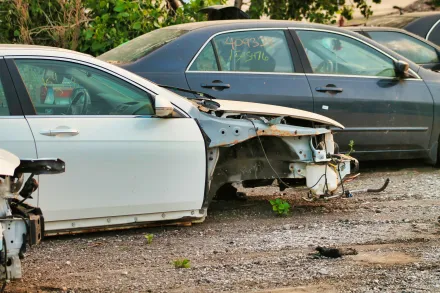
Liability coverage stands as a foundational element of auto insurance, designed to protect both you and others when your vehicle causes harm or property damage in a collision. It is not aimed at paying for your own injuries or vehicle repairs; those costs fall under different components of a policy such as medical payments, personal injury protection, collision, or comprehensive coverage. Liability, however, acts as a safeguard against the financial consequences of harming another person or damaging other people’s property, which can be substantial even in minor incidents. The structure of liability coverage varies by state and by insurer, but the core purpose remains consistent: to transfer the risk of out-of-pocket expenses associated with third party harm to the insurance company, within the limits of the policy.
What liability coverage protects
At its most fundamental level, liability coverage provides monetary protection for two broad areas: bodily injury liability and property damage liability. Bodily injury liability helps cover medical expenses, rehabilitation costs, lost wages, and in some cases legal defense fees and settlements for injuries that you cause to other people in an accident. Property damage liability, by contrast, covers the repair or replacement costs for other people’s vehicles, buildings, fences, or other property that is damaged as a result of your driving. These two components operate together within most policies, and they are typically described in terms of monetary limits that specify how much the insurer will pay per claim and per accident. The precise language may vary by policy, but the essential idea is to provide broad protection against the unpredictable costs that arise from collisions that you cause.
Within bodily injury coverage, the insurer often handles medical bills, rehabilitation services, ambulance charges, and sometimes compensation for pain and suffering, depending on the jurisdiction and the terms of the policy. It may also cover lost wages if the injuries prevent the other party from working during recovery. For property damage, the stated limits determine how much can be paid toward repairs or replacement of damaged property, which could include another vehicle, a guardrail, a storefront, or a fence on private property. When a claim exceeds the available limits, the policyholder may face the remaining balance out of pocket, which is a compelling reason to consider appropriate liability limits that align with personal risk tolerance and asset protection goals.
Two main components: Bodily Injury Liability and Property Damage Liability
Bodily injury liability is intended to cover injuries sustained by other individuals when you are at fault. It typically includes medical costs, rehabilitation, and compensation for lost income, along with potential damages for pain and suffering where permissible by law and the policy language. Property damage liability focuses on the tangible, straightforward costs of repairing or paying to replace property damaged in an incident caused by you. It can be triggered by a collision with another car, a collision with a fixed object like a utility pole, or even damage to someone else’s property situated on private or commercial premises. Both components are subject to policy limits, sub-limits, and exclusions that can shape how much protection you actually receive in a given scenario. Understanding the distinction between the two helps drivers tailor coverage to align with their financial realities and risk exposure.
When you think about responsibility after a crash, liability coverage acts as a credit on the ledger of life’s unpredictable events. It does not exempt you from all costs, but it is the primary financial shield you have against claims from others, including medical bills, repair costs, and in some cases legal liabilities. It is important to recognize that liability coverage does not cover your own injuries or vehicle repair costs, unless you opt for additional coverage that allows you to recover those expenses. This separation between liability for others and the protection you need for yourself underscores the importance of choosing comprehensive coverage and optional add-ons in a thoughtful, well-informed way.
How liability limits work
Liability limits are the most critical numerical aspect of a policy. They define the maximum amount an insurer will pay out on behalf of the insured for a single bodily injury or property damage claim, and often per accident as well. In many policies, you will see a split limit structure such as bodily injury per person and bodily injury per accident, accompanied by property damage per accident limits. Some policies use a combined single limit that applies to all claims arising from a single incident, within the total limit. The way limits are written affects your financial protection in two key ways: the likelihood that the insurer will cover most or all costs up to the stated maximum, and the possibility that you could face a residual balance if damages exceed those limits. It is vital to understand these concepts, because the limits you select shape not only your premium but also your potential exposure in a serious accident, where medical costs and car repair bills can reach well beyond everyday levels.
Most drivers instinctively understand the concept of limits, but it is easy to overlook how per-person versus per-accident distinctions can alter protection. For example, a policy with bodily injury limits of 100,000 per person and 300,000 per accident, plus property damage of 100,000, may seem substantial, yet a severe multi-car collision could easily exceed the per-accident cap for bodily injury, forcing the policyholder to cover the excess out of pocket. In contrast, a higher per-person limit paired with a higher per-accident limit provides more cushion. The ideal configuration depends on individual risk considerations, assets at risk, and the potential exposure in the driver’s community. When evaluating limits, many financial advisors suggest considering your net worth and the risk of being held personally liable for amounts above the policy’s ceiling, as well as the likelihood of medical costs rising in the future due to inflation or long-term care needs.
State minimums vs recommended limits
State minimum liability requirements represent the floor, not the ceiling of protection. They reflect what a state legislature has deemed the minimum level of coverage necessary to operate a vehicle legally. However, many drivers find that state minimums are insufficient to cover the full scope of expenses that can arise in a crash, particularly if there are serious injuries or significant property damage. Insurance experts often recommend choosing higher limits than the minimums to reduce the chance of a personal financial shortfall after a claim. The decision should balance premium affordability with the potential cost of damages in a worst-case scenario. It is not uncommon for prudent drivers to opt for bodily injury limits in the range of 250,000 to 500,000 per person and 500,000 to 1,000,000 per accident, depending on assets, income, and risk tolerance. Additionally, property damage limits in the 250,000 to 500,000 range are frequently advised for drivers who regularly travel in congested or high-traffic environments where the probability of multi-vehicle incidents is not negligible. While these figures are not universal requirements, they illustrate the general principle: higher limits yield greater protection but come with higher premiums, and each driver should assess the trade-off in light of personal circumstances and legal exposure.
How liability interacts with fault and claims
When an accident occurs, fault determines who is primarily responsible for the damages. If you are at fault, your liability coverage is intended to pay third-party claims up to the limits of your policy. If you are not at fault, the other driver’s liability policy typically covers the damages to your vehicle and any medical expenses, while your own policy may still come into play in certain circumstances, such as if the other party’s limits are insufficient. Insurance is a contract, and rates, settlements, and eligibility for defense costs hinge on the policy’s language and state law. In some jurisdictions, comparative or contributory negligence rules influence how damages are allocated, which can affect how much your insurer pays and whether you or the other party bears additional costs. In all cases, the liability portion of your auto policy is designed to mitigate the financial impact of injuries and property damage caused by your driving, but the exact outcomes depend on the specifics of the incident and the applicable law.
After an incident, the claim process may involve reporting to the insurer, witness statements, police reports, and documentation of damages. The insurer’s role encompasses both paying legitimate claims and providing defense if a lawsuit arises. In cases where liability is contested or the damages are substantial, defense costs can be significant, influencing the overall cost of the claim. A solid understanding of how fault is determined, what the policy covers, and how defense costs are managed can help policyholders navigate the process with more confidence. It is also important to recognize that subrogation may occur, meaning your insurer may pursue repayment from the at-fault party or their insurer after paying a claim. This dynamic is part of how liability coverage maintains its long-term financial viability and fairness across insured drivers.
Your responsibility when driving others’ cars
Many drivers loan their vehicles to friends or family members or occasionally borrow someone else’s car. Liability coverage typically follows the vehicle, not the driver, under many standard policies, which means the car’s owner’s liability limits often apply when someone else drives the vehicle with permission. Some policies may extend coverage to permissive drivers, while others may restrict coverage based on the driver’s age, license status, or driving history. If someone uses your car regularly or you drive a vehicle you do not own, it is essential to check how permissive use is defined in the policy and whether additional coverage is advisable. In some cases, a driver who regularly uses a non-owned vehicle may need to add non-owner liability coverage or adjust the policy to ensure continuous protection for all anticipated drivers and vehicles within the household or business fleet. Clear communication with the insurer about who will be driving which vehicles helps prevent coverage gaps during a claim and can reduce the risk of a dispute about who is insured at the time of an incident.
Uninsured and underinsured motorist protection and its relation to liability
Uninsured motorist and underinsured motorist protections operate alongside liability coverage to protect you if you are involved in an incident with a driver who lacks sufficient insurance. These coverages typically handle your medical bills and certain related costs when the at-fault driver has no liability coverage or does not have enough coverage to pay your damages. Although these protections do not replace liability coverage, they complement it by bridging gaps in coverage, especially in areas with higher uninsured driving rates. The interplay between liability and uninsured/underinsured motorist coverage can influence decisions about the adequacy of liability limits; higher limits may reduce the likelihood that you rely on UM/UIM for compensation after a crash, but the two coverages serve different purposes and can both be valuable components of a sound risk management strategy.
Umbrella policies and the role of liability protection beyond the auto policy
For drivers who need additional protection beyond typical auto policy limits, an umbrella liability policy can provide an extra layer of coverage that kicks in when auto liability limits are exhausted. An umbrella policy expands protection to a broader range of risks, including certain types of lawsuits, and it typically offers high coverage amounts at a relatively modest premium. The umbrella does not replace the auto policy; instead, it supplements it by covering additional liability expenses, which can be particularly important for individuals with substantial assets, ownership interests in businesses, or exposure to large settlements. When evaluating risk management plans, many financial advisors recommend considering an umbrella policy as part of a holistic approach to protecting assets and income, provided that the underlying auto and homeowners or renters policies have adequate limits to maximize the umbrella’s effectiveness.
Choosing appropriate limits and balancing cost with protection
The decision about liability limits is a balancing act between financial protection and premium cost. Higher limits will increase your premium, but they also reduce your risk of having to pay out-of-pocket after a serious accident. To determine appropriate limits, consider several factors: your assets and income, the likelihood of being involved in a high-cost claim due to factors like high medical costs or frequent driving in dense traffic, your comfort with potential out-of-pocket expenses, and your willingness to rely on an umbrella policy for additional protection. A practical approach often involves starting with higher-than-minimum limits and then evaluating whether the additional premium is justified by the potential exposure. Many drivers also reassess limits periodically in light of life changes, such as purchasing a home, starting a family, or changing jobs, which can alter the consequences of a liability claim.
Financial professionals often advise a thoughtful risk assessment that considers both the probability of a claim and the severity of potential damages. This includes projecting scenarios such as severe injuries to multiple people in a crash or costly property damage across several sites. In these hypothetical situations, higher liability limits can dramatically alter the financial trajectory after a crash, potentially preventing assets from being at risk and preserving long-term financial stability. While it is impossible to predict every outcome, the goal is to establish a protection level that aligns with personal financial goals and risk tolerance, rather than simply conforming to a standard or the cheapest available option.
Costs, discounts, and factors that influence liability premiums
Liability premiums are influenced by a constellation of factors, including driving history, age and experience, the percent of time spent driving, the number of miles driven annually, the location where the vehicle is garaged, and the type of vehicle insured. More expensive or high-performance cars can drive up liability premiums due to higher repair costs and greater risk of costly lawsuits. Additionally, the presence of safety features, anti-theft devices, and evidence of strong risk management practices can yield discounts that reduce overall premium. Insurance companies also closely examine the insured’s claims history, which can push premiums upward if there have been recent liability claims, while a history of clean driving can lead to lower rates. Understanding these factors helps drivers negotiate better terms, plan for future costs, and implement risk-reducing practices such as defensive driving courses or telematics-based programs that monitor driving behavior and reward safe habits with premium reductions.
Another dimension of cost is the regulatory environment in a given jurisdiction. Some states place caps on certain defense costs or regulate how claims are paid, while others grant more latitude to insurers to manage risk. For policyholders, this means that the same level of coverage can have different price points depending on where the vehicle is registered and where the claim is filed. A practical takeaway is to obtain multiple quotes, compare perceived protection levels, and examine the total value delivered by the policy, not just the monthly premium. In some cases paying a bit more upfront for higher limits can be a prudent investment that reduces risk exposure over the long term and stabilizes financial planning in the event of a serious crash.
Premium considerations for specific situations
Demographic and situational factors can shape liability costs in nuanced ways. Young drivers, particularly teenagers, tend to face higher premiums due to higher accident risk profiles, while experienced adult drivers generally enjoy more favorable rates. Rural areas with lower traffic density may exhibit different patterns of risk compared to urban centers with dense traffic and higher accident frequency. Fleet operators, rideshare drivers, and households with multiple licensed drivers can experience complex premium dynamics because the risk pool expands with more drivers and more vehicle usage. In families with teen drivers, some insurers offer graduated pricing, telematics-based programs, or driver-training incentives aimed at reducing risk. Recognizing how these factors interact with the liability component of your policy can help you plan for cost changes as circumstances evolve and ensure you maintain continuous protection without surprises at renewal time.
Common exclusions and situations that affect liability coverage
All liability policies contain exclusions that limit protection in particular circumstances. Common exclusions may include intentional damage, use of the vehicle for commercial purposes in ways that aren’t disclosed to the insurer, or driving while intoxicated, under the influence of drugs, or exceeding legal driving limits. Some policies may exclude certain high-risk activities or require additional endorsements to maintain coverage during specialized operations. It is crucial to read the policy carefully and discuss any unusual use cases with the insurer to confirm whether liability coverage applies. In addition, unendorsed use of a rental vehicle or a borrowed car for business purposes can complicate coverage; clarifying these scenarios with the insurer ahead of time helps prevent coverage gaps and unanticipated liability. Being proactive about disclosures helps ensure that the policy functions as intended when it matters most—the moment a claim arises.
Impact of liability protection on financial planning and asset protection
Liability protection is not only a matter of paying for a claim after an accident, but also a critical component of long-term financial planning. In the absence of robust liability limits, a serious accident could threaten personal assets, future earnings, and financial stability. The risk is especially pronounced for individuals with significant assets, business ownership, or co-signatory obligations who could be financially exposed in a lawsuit. By setting appropriate liability limits and, when warranted, adding an umbrella policy, many people can reduce the chance that a legal judgment would require drastic changes in lifestyle or retirement plans. In this sense, liability coverage serves a dual purpose: it provides immediate protection against costs caused by others, and it contributes to a broader strategy for preserving wealth and security against unpredictable future events.
Practical steps to optimize liability coverage
To optimize liability coverage, consider a methodical approach that begins with an assessment of risk tolerance and the magnitude of potential exposure. Start by reviewing the current limits and evaluating whether they would cover incidents that could reasonably occur given your daily routine, travel patterns, and the value of assets. Consult with an insurance agent or use credible online tools to compare rates for similar coverages across multiple providers, paying attention not only to price but also to the quality of defense and settlement practices described in policy documents. Investigate discounts, such as multi-policy bundles, good driver programs, and safety device incentives, which can reduce overall cost while maintaining or increasing protection. Finally, examine whether an umbrella policy is appropriate for you; if your assets warrant it, an umbrella policy provides a simple and cost-effective way to extend liability protection well beyond auto policy limits and can be a cornerstone of prudent financial risk management.
As part of a comprehensive risk management plan, keep records of your driving behavior, vehicle maintenance, and any incidents that occur. This information can be valuable during renewals, underwriting discussions, or claims processing, helping you demonstrate responsible risk management and potentially unlock more favorable terms. Regularly updating your policy to reflect changes in personal circumstances, such as marriage, home purchase, job transitions, or a change in vehicle usage, ensures that liability coverage remains aligned with real-world risk. Engaging in responsible driving, maintaining a clean claims history when possible, and staying informed about evolving insurance products can collectively strengthen your financial protection and provide peace of mind as you navigate the complexities of auto insurance. In width and depth, liability coverage serves as a robust foundation for responsible car ownership, balancing protection, cost, and the realities of everyday driving in a dynamic, risk-filled environment.