When a consumer moves from the idea of owning a vehicle to the practical step of arranging financing, the choice between a new car loan and a used car loan becomes a central decision that influences monthly payments, total interest, and the long term financial picture. This article examines the distinct dynamics that govern new and used car financing, the trade offs involved, and the strategic considerations that can help a buyer navigate the market with clarity. Rather than treating financing as a single decision, it is helpful to see it as a ...
Loans & Debt Management

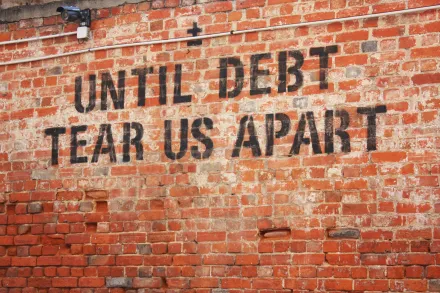
In the landscape of business finance, a debt restructuring agreement, often simply called a DRA, represents a formal, negotiated framework designed to adjust the terms of an existing indebtedness. It is not a mere promise to pay or a casual agreement between an obligor and a handful of creditors; rather, it is a carefully drafted contract that seeks to harmonize the debtor’s current cash flow reality with the obligations that lenders expect to be satisfied. The primary purpose of a DRA is to avert the threat of default, maintain operational con...

Debt in any economy represents an arrangement where one party borrows resources with a promise to repay in the future, usually with interest. At the macro level, national debt emerges when a government spends more than it collects in taxes and other revenues, resulting in a cumulative obligation that is financed through the issuance of bonds and other securities. This form of debt is not simply a burden taken on by present generations; it is a structural instrument that governments use to smooth out economic fluctuations, allocate spending acro...

Debt management is not merely a race to empty the mailbox of bills with as much money as possible each month. It is a strategic exercise in allocating scarce resources where they will yield the greatest relief, reduce future risk, and restore a sense of control. The choices you make about which debts to pay first influence the velocity of your financial recovery, the size of penalties you might incur, and your ability to maintain essential living standards during lean periods. When people attempt to tackle multiple obligations at once without a...

When a lender evaluates a loan application they look for a coherent narrative of financial reliability rather than a single number. The process blends quantitative data such as credit reports, income figures, and existing obligations with qualitative signals like employment stability and the consistency of past financial behavior. A loan decision emerges from the synthesis of these signals as lenders weigh how likely you are to repay on time under the terms requested. In this context the approval chances hinge on how well your overall financial...
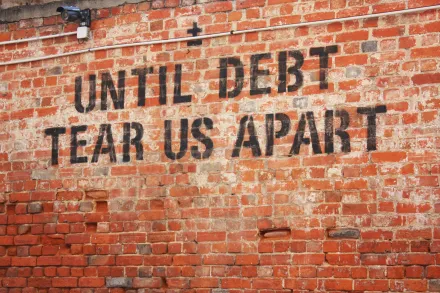
After successfully paying off debt, many people experience a mix of relief, confidence, and even a lingering fear of slipping back into old patterns. The relief part can be powerful, but it can also become a trap if not handled with awareness. When the last payment is made, the brain often celebrates with a surge of dopamine, which can momentarily dull attention to future mistakes. In these moments it is crucial to recognize that debt is a habit as much as a balance sheet item. The way a person behaves after payoff can determine whether the psy...

Balloon payment is a financing arrangement in which the borrower makes regular, often modest, periodic payments during the term of a loan and then faces a substantially larger lump sum due at the end of the term. This structure can create a sense of affordability during the life of the loan because the monthly obligation is kept lower than a fully amortizing loan would require. Yet the final payment represents a big cliff of debt, one that may require planning, savings, or a refinancing decision to avoid a distressing financial crunch. To under...

Student loans play a critical role in financing higher education. They provide access to funds when families cannot cover the full cost upfront and offer repayment terms designed to be manageable after graduation. The basic concept is simple: borrow money to pay for school today, then repay that money over time, typically with interest. The specifics, however, are nuanced and vary by source, program, and borrower circumstances. Understanding these nuances can help students and their families make informed choices and avoid common pitfalls.

A loan default occurs when you fail to meet the agreed payment obligations on a debt according to the terms of your contract. When this happens, the lender may declare the account in default or past due, and if the nonpayment continues or the breach becomes severe, a formal default may be recorded. The concept of default can vary by product and jurisdiction, but in broad terms it marks a turning point where usual repayment expectations are unmet and the lender takes action based on that breach of the agreement. In the mind of a credit history, ...

In the landscape of student loan management, two options frequently appear when borrowers face temporary financial stress or life changes: forbearance and deferment. Though both mechanisms can pause or reduce monthly payments, they operate under different rules, have distinct eligibility criteria, and produce different impacts on interest, principal, and the long arc of repayment. Understanding how each option works, what it costs in real terms, and when each one is most appropriate is essential for anyone navigating the complexities of federal...