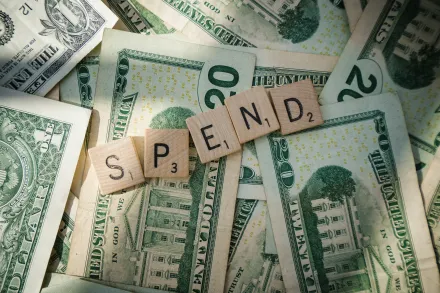
No-spend challenges are more than a simple restriction on shopping; they are a deliberate practice aimed at reshaping how people relate to money, possessions, and time. At their core they invite a pause, a moment to examine what purchases add value to life and what purchases merely fill a void or chase a fleeting feeling. In a culture that bombards people with constant offers, discounts, and new releases, a no-spend challenge can function like a reset button, giving space to reflect we want to live with intention rather than react to trends. This is not about deprivation, but about discovery, clarity, and the possibility of redefining what it means to live well within real limits.
The benefits emerge gradually as the practice shifts from a forbidding rule to a learned habit that carries over into other areas of life. When people commit to not spending on nonessential items for a defined period, they often begin to notice how much money circulates through small, frequent purchases that accumulate into a larger sum over time. This awareness is powerful because it reframes money as a resource that can serve deeper goals rather than a currency for quick dopamine hits. The first effect is often a sense of relief from the constant mental noise created by shopping temptations, followed by a growing sense of control that can become the foundation for broader financial and personal growth.
Engaging in a no-spend challenge can also reveal the invisible costs of retail culture. Hidden fees, impulsive buys, and the lure of convenience can erode long-term goals without people fully realizing how much they have spent in a given month. By choosing to pause, participants create a space to audit their spending patterns, identify recurring triggers, and then design healthier responses. This process does more than save money; it builds resilience by teaching people to tolerate discomfort, delay gratification, and reorient their routines around meaningful rather than reactive actions. The result is often a shift toward more deliberate decision making, which tends to improve financial health and self-esteem over time.
In many cases, no-spend challenges provide a fresh lens on personal values. When someone notices that a desired item would not truly improve their daily life, the urge to buy can fade. In other moments, the challenge surfaces the realization that some purchases do offer genuine value, but at a pace that respects a budget and a timetable. This nuanced understanding helps people distinguish between short-term cravings and enduring needs, a distinction that strengthens financial planning skills and fosters a more sustainable relationship with money. The practice thereby becomes a practice of intent, not a prohibition, helping people align spending with what they truly care about.
As the practice continues beyond a single month or a single category, it often triggers a wider cultural shift within the individual or family. A no-spend mindset can lead to a redefinition of leisure time, a reconsideration of entertainment and social activities, and a willingness to experiment with low-cost or no-cost alternatives that still feel rich. The outcome is a broader sense of abundance that does not rely on material accumulation. In that sense, the benefits extend into daily life, influencing how people plan, socialize, and relax, ultimately leading to a richer sense of autonomy and purpose that is not tethered to consumer cycles.
Understanding No-Spend Challenges
A no-spend challenge is not a monolithic program; it is a flexible framework that can be adapted to different life stages, income levels, and goals. Some people choose to abstain from buying anything beyond essential needs for a set period, while others restrict only discretionary categories such as entertainment, nonessential fashion, or dining out. The common thread is a defined boundary that creates room for reflection and testing. By establishing clear rules, participants can measure progress, adjust expectations, and develop strategies tailored to their circumstances. The power of clarity here cannot be overstated, because when boundaries exist, it becomes easier to say yes to what truly matters and no to what merely fills a temporary craving.
Beyond the practical mechanics, a successful no-spend challenge rests on mindset, not just rules. It requires curiosity about personal spending habits, willingness to pause before purchases, and a readiness to experiment with alternatives. This shift can bring a sense of curiosity rather than judgment, turning an initial constraint into a creative exploration. People discover that creative budgeting, mindful shopping, and intentional consumption can be as fulfilling as mindless spending, and sometimes more so because they are chosen consciously and aligned with deeper values. The journey thus becomes as important as the destination, offering opportunities for growth that extend into other facets of life, including relationships, health, and time management.
Another dimension involves social dynamics and accountability. No-spend challenges often work best when shared with supportive peers, partners, or communities that understand the intention and offer constructive encouragement. Having a nonjudgmental space to discuss temptations, setbacks, and breakthroughs helps prevent shame and promotes steady progress. This social component is not about policing behavior but about creating a culture of mutual respect for personal choices and shared goals. When done thoughtfully, accountability becomes a source of motivation rather than a coercive constraint, reinforcing commitment and expanding the sense of possibility that the challenge can unlock.
In essence, no-spend challenges are a vantage point for examining how money touches daily life. They reveal the rhythm of consumption, the timing of rewards, and the gap between desire and need. By stepping back from shopping for a defined period, people gain fresh energy to direct resources where they matter most, and they often find that the most meaningful gains are not items acquired but experiences preserved, debt reduced, and freedom enhanced. The long-term payoff frequently goes beyond dollars and cents, rippling into better sleep, improved focus, and a calmer sense of self in the face of a consumer society that rarely slows down.
As with any form of personal development, the benefits accumulate incrementally. Some days bring strong temptations; other days pass with ease. The pattern of success is usually a mosaic built from small, consistent choices that add up over weeks and months. Over time, participants often notice improved cash flow, the ability to save for emergencies, and a growing sense of autonomy when making everyday choices. The no-spend challenge can thus act as a catalyst for broader life optimization, encouraging people to question whether a purchase truly enhances well-being and to seek alternatives that nourish both the wallet and the spirit.
In practical terms, the gains can include a bigger emergency fund, accelerated debt repayment, and increased confidence when facing financial decisions. The discipline cultivated through a no-spend period can spill into better time management, healthier routines, and stronger boundary setting with advertisers and sales pitches. People learn to differentiate between impulse and intention, a skill that remains valuable long after the challenge ends. The accumulated effect is a more intentional life where money becomes a tool for pursuing purpose rather than a force that unconsciously drives behavior.
Financial Benefits
The most immediate and measurable benefits of no-spend challenges relate to money. When discretionary spending is halted, cash flow improves quickly, and the average participant often uncovers a hidden pool of funds that would have otherwise vanished into impulsive buys. Those funds can be redirected toward essential needs, debt reduction, or savings for future goals such as education, home repairs, or travel. Even modest challenges, lasting a month or two, can yield a noticeable uptick in savings that lays a sturdy foundation for more ambitious financial plans. The act of saving becomes less abstract and more tangible as the bank balance grows and the anxiety around emergencies diminishes.
Credit card balances frequently receive a reprieve during no-spend periods. When purchases are paused, interest and fees that accumulate from impulse purchases cease to compound, giving existing debt a clearer path toward elimination. The psychological relief of watching debt shrink can be profound, reinforcing positive spending habits once the challenge ends. The financial benefits also extend to the nondebt side of the ledger, where reduced spending translates into a calmer month with fewer overdraft concerns and less stress about meeting basic needs. This reduction in financial friction often improves overall life quality because money problems tend to be a major source of daily strain.
Another layer of financial gain comes from the improved ability to plan and forecast. With a record of where money would have gone and where it did go, people gain data to inform future choices. They can identify recurring patterns, such as weekly coffee runs or impulsive online orders, and implement deliberate alternatives. The sense of mastery that comes from understanding and shaping one’s own financial ecosystem is empowering and fuels more strategic long-term decisions, from building an index fund to creating a tailored sinking fund for anticipated expenses. In practice, the habit of pausing before purchases becomes a lasting skill that persists beyond the challenge itself.
No-spend challenges also create space for rethinking purchase philosophy. Rather than buying to fill a momentary emotion, participants may cultivate a habit of evaluating the return on investment of every potential purchase. This shift can lead to smarter choices about quality, durability, and usefulness, which often results in fewer replacements and less waste. The consequence is a more efficient allocation of resources that respects both personal finances and the broader environmental context. When people internalize the idea that money should serve meaningful aims, the budgeting process becomes less about restriction and more about stewardship.
In addition to the direct financial outcomes, there can be indirect savings in areas such as energy, storage, and upkeep. Fewer items can mean lower maintenance costs, less space required for belongings, and reduced time spent organizing or cleaning. This creates a ripple effect where the saved time and mental energy translate into opportunities for additional income, learning, or pursuing creative projects. The cumulative effect of these benefits often becomes a powerful argument for adopting a no-spend approach as a strategic life choice, not merely a temporary experiment.
For families, the financial benefits can be amplified through coordinated efforts and shared goals. When parents and children participate in a no-spend period, the household develops a common language around value and trade-offs. Family conversations can become more constructive as budget priorities are discussed openly, reinforcing a sense of unity and shared responsibility. Children learn early habits of budgeting, delayed gratification, and the idea that resources have limits, which can shape healthier financial behavior for years to come. The family unit thus benefits from improved cash management, clearer priorities, and a culture of practical ingenuity that extends to all daily routines.
From a broader perspective, the cumulative savings achieved through no-spend challenges may enable investments in experiences that money alone cannot buy, such as education, health, or meaningful community involvement. The discipline fosters patience and long-range thinking, which aligns well with building wealth that supports life goals rather than temporary pleasures. While the exact sums vary, the underlying principle remains consistent: controlled spending creates room for intentional accumulation, enabling people to act on their values with fewer constraints from day-to-day compulsions.
Psychological and Behavioral Benefits
No-spend challenges touch the mind and emotions in ways that extend beyond finances. The act of pausing before a purchase teaches self-awareness and emotional regulation. When stimuli arrive in the form of advertisements, shiny objects, or social media feeds, the habit of hesitation becomes a protective mechanism that prevents knee-jerk reactions. This is not about suppressing desire permanently but about learning to ride the wave of impulse without surrendering to it. Over time, the temptation response can become less intense and less frequent as the brain relearns how to respond to cues with deliberate choice rather than automatic action.
The practice also sharpens executive function, especially the skills of planning, organizing, and monitoring behavior. Tracking a no-spend period requires attention to detail, consistency, and the ability to adjust strategies when obstacles arise. Through this process, people often improve their capacity for goal setting, progress evaluation, and sustained effort. These cognitive benefits carry over into other challenging tasks, such as developing a new habit, learning a skill, or continuing an education program. The improved focus and persistence that come from sticking with a no-spend plan can empower people far beyond money management.
Emotionally, participants frequently report a sense of relief and reduced anxiety when the immediate pressure to buy subsides. The absence of constant marketing messages can create mental space that supports creativity and reflection. Some people rediscover hobbies, crafts, or social activities that do not require expenditure, which fosters a sense of resourcefulness and self-reliance. This emotional stability tends to translate into better sleep, improved mood, and a healthier self-image because individuals see themselves as capable stewards of their own lives rather than passive consumers drawn by external stimuli.
Another notable psychological shift is the development of a growth mindset around money. When people view spending as a choice rather than a default, they become more curious about alternatives, such as borrowing from future earnings, leveraging free resources, or negotiating better deals. They learn to reframe setbacks as data rather than failures, which makes it easier to resume a plan after a misstep. This adaptability is valuable in many life domains, as it supports resilience, problem-solving, and the willingness to experiment with new habits that strengthen overall well-being.
The social dimension of no-spend challenges also plays a role in psychological benefits. Sharing the journey with others can reduce isolation and increase accountability in a nonjudgmental way. When friends and family understand the intention, they are more likely to offer support or join in, which can create a sense of camaraderie and shared achievement. Even when someone faces social pressure to spend, having a clear rationale and a supportive network makes it easier to stand firm in a respectful and constructive manner. This social scaffolding reinforces confidence and reduces the emotional burden of resisting temptations.
In the long term, the psychological rewards of no-spend challenges include enhanced self-efficacy and a stronger sense of autonomy. People begin to trust their own judgment more, recognizing that they can control their consumption and still lead fulfilling lives. The confidence gained through repeated adherence to a personal boundary lays the groundwork for future financial decisions that align with values rather than impulses. As this sense of agency grows, everyday choices feel less fraught and more aligned with a coherent life plan, which elevates overall life satisfaction and reduces the cognitive load associated with constant shopping temptations.
Another aspect centers on gratitude and appreciation for what already exists. When the urge to acquire new possessions diminishes, attention naturally turns toward the assets that are already part of life, such as relationships, time, and existing belongings. This reorientation fosters a sense of abundance that does not depend on acquiring more. The shift toward gratitude can strengthen social ties, enhance well-being, and contribute to a more sustainable lifestyle, because appreciation often reduces the perceived need for new items to achieve happiness. The result is a healthier, more balanced psychology around consumption and fulfillment.
Some individuals find that no-spend challenges help them develop a more compassionate attitude toward themselves and others. By recognizing how easy it is to slip into habitual spending, they can cultivate gentler self-talk and build strategies that prevent self-judgment after a slip. The practice becomes a form of gentle learning rather than punitive discipline, acknowledging that growth is nonlinear and that each day presents a new opportunity to align actions with intentions. This compassionate approach increases persistence and reduces the risk of burnout, making it more likely that the practice can be sustained over the long haul.
On a meta level, no-spend challenges encourage a reevaluation of what counts as wealth. Wealth is often defined by possessions and the capacity to purchase them, but these challenges invite a broader definition that includes time, health, relationships, and personal growth. When people start to measure success by time reclaimed, reduced stress, or deeper connections rather than by the size of their shopping cart, they may experience a fundamental shift in how they evaluate life choices. This richer perspective reframes the purpose of money from a vehicle of consumption to a tool for enabling meaningful experiences and sustainable living.
Practical Strategies for Launching a No-Spend Challenge
Embarking on a no-spend journey requires thoughtful preparation and clear boundaries. A practical starting point involves choosing a scope that matches current circumstances and a duration that feels doable. Some opt for a full no-spend month, others for a category ban such as dining out or fashion for several weeks. The key is to define what counts as essential and what does not, and to document those decisions in a simple, accessible way. This groundwork creates a framework within which decisions can be made quickly and confidently, reducing the mental load during tempting moments.
Equally important is the establishment of a plan for meals, entertainment, and daily routines during the challenge. Planning ahead reduces the likelihood of impulsive purchases born from hunger, boredom, or time pressure. Simple strategies such as meal prepping, using up pantry staples, and rediscovering activities that require no purchase can help bridge the gap between intention and action. The predictability of a well-structured day minimizes the space for spontaneous buys and reinforces the sense that life can be rich without constant spending.
Tracking progress is another practical pillar. A simple ledger or a digital note can capture every nonessential purchase that would have been made and demonstrate the magnitude of restraint. This record provides feedback, reinforces accountability, and makes the positives tangible. It also helps identify patterns, such as predictable moments of weakness or social situations that trigger spending, enabling preemptive planning for future challenges. The act of recording itself can increase an individual’s sense of control and motivation to continue.
Accountability can be further enhanced by sharing goals with trusted allies who appreciate the intent. A supportive partner, friend, or community can offer encouragement when temptations arise and celebrate milestones when they are reached. The nature of accountability matters here; it should feel empowering rather than punitive. The right support creates a safety net that absorbs occasional slips and helps keep momentum moving forward, reinforcing the idea that growth is a process with room for progress, not perfection.
For sustainability, it is valuable to create a personal glossary of replacements and cheap alternatives that can fill the time and joy previously sourced from spending. This might include hobbies, movement, reading, or social activities that do not require purchasing. Over time, these replacements can become preferred ways of living, proving that the absence of spending does not equate to a lack of happiness. Instead, it invites a richer, more inventive approach to leisure and daily life that can persist beyond the end of the formal challenge.
Another practical device is the creation of a crisis fund or a sinking fund that becomes the default destination for any emergency purchases. When a genuine need arises, having a preallocated reserve reduces the likelihood of dipping into general savings or resorting to debt. This structure protects the core goal of the no-spend challenge and provides a clear rule that supports responsible behavior when the unexpected happens. It also broadens the skills involved in budgeting by demonstrating how to preserve capital for future use rather than frittering it away on impulsive buys.
In terms of social planning, navigating social events without spending requires tact and creativity. Where possible, propose low-cost or no-cost alternatives that still foster connection, such as potlucks, nature outings, or volunteer activities. When social norms lean toward spending, it helps to communicate boundaries kindly and clearly, framing the no-spend period as a personal project rather than a judgment on others' choices. People who learn to socialize with intention often discover that meaningful interactions can be more memorable and satisfying than expensive dinners or gifts, reinforcing the value of resourcefulness and genuine companionship.
When a category-based approach is used, it is important to reassess periodically which categories are truly essential and which can remain restricted. Some participants find that after a certain period, they can reintroduce restricted items in a controlled, mindful way, while others prefer to keep a lasting boundary in place for specific domains that they find most prone to overspending. The outcome depends on personal temperament, financial goals, and the level of external pressure. The adaptive nature of the approach allows individuals to tailor rules to what they can realistically sustain while still achieving the intended benefits.
One widely embraced tactic is to pair the no-spend challenge with a mission that reframes spending as a means to an end rather than an end in itself. Examples might include saving for a meaningful trip, funding an education pursuit, or contributing to a charitable project. Linking the challenge to a purpose increases motivation and makes the journey feel purposeful rather than punitive. When purchases are contemplated, the decision can be measured against this mission, helping to maintain alignment with long-term aims and to reinforce the sense that restraint serves a broader, more uplifting objective.
Another approach involves layering the challenge with routine enhancements that reinforce positive habits. For instance, developing a ritual to review finances at a specific time each week can create a consistent checkpoint for reflection and adjustment. Incorporating small celebrations for milestones, such as a celebratory activity that costs little or nothing, helps sustain enthusiasm and reduces the risk of burnout. The combination of structured reflection, meaningful goals, and enjoyable but low-cost rituals can sustain momentum and enrich the experience overall.
For those who are new to no-spend challenges, starting small can be far more effective than attempting a drastic shift immediately. A gentle initiation, such as banning nonessential purchases for a single week, can set the tone and demonstrate feasibility. Once confidence grows, the duration and scope can gradually expand. This gradual progression reduces the chance of resistance and fatigue, making it more likely that the practice becomes a durable habit. The key is to balance challenge with compassion and to acknowledge that growth is a journey with incremental milestones rather than a single heroic act.
In sum, practical strategies for launching a no-spend challenge blend clear boundaries with thoughtful planning, social support, and a focus on meaningful outcomes. The approach emphasizes preparation, tracking, mindful decision making, and the cultivation of alternative sources of value and satisfaction. When these elements are present, a no-spend challenge can transform not only spending habits but the very way a person relates to money, time, and everyday life, creating a foundation for lasting financial health and personal well-being.
Common Pitfalls and How to Avoid Them
No-spend challenges are not immune to challenges. Common pitfalls include underestimating social pressure, allowing nearby celebrations to derail progress, and mistaking a temporary restriction for a permanent lifestyle change. When the challenge becomes a source of stress rather than a learning experience, motivation can wane and adherence may deteriorate. To avoid these outcomes, it helps to adapt rules in a way that preserves the spirit of the challenge while reducing friction. That might mean allowing occasional exceptions for essential items or for events that were planned before the challenge began, as long as the overall framework remains intact and the rationale is clear.
Another frequent issue is the lure of quick wins that can tempt a return to old habits. It is important to acknowledge that some days will be easier than others, and to prepare for those tougher moments with supportive practices. Building a toolkit of strategies—such as postponing an unnecessary purchase for twenty-four hours, seeking a no-cost alternative, or engaging in a distracting but satisfying activity—helps create a safety net that reduces the risk of relapse. The goal is not perfection but consistent progress over time, even in the face of occasional slips.
Overly rigid rules can also backfire by triggering rebellion or resentment. When restrictions feel punitive, they may lead to a counterproductive cycle of restriction and compulsive spending. The antidote is to reframe the exercise as voluntary and value-driven, maintaining a compassionate tone toward oneself and others. It can be helpful to revisit the underlying reasons for the challenge, adjust expectations, and celebrate small wins to maintain motivation. A flexible stance keeps the practice humane while preserving its core intent: to live with more intention and fewer unnecessary purchases.
Social dynamics can be tricky, especially when friends and family treat no-spend as a personal critique of their own choices. Handling social invitations with grace requires clear communication about boundaries and a willingness to offer constructive alternatives. Rather than seeing social events as opportunities to spend, they can be reframed as chances to connect in low-cost ways. When others feel respected and involved, the likelihood of friction decreases, and the social experience remains rewarding rather than stressful. Establishing a shared vocabulary around the goals can also help align expectations and reduce miscommunications.
Another potential pitfall is the belief that a no-spend challenge must be perfect to count as a success. The reality is that persistence and learning are the real rewards. Treating setbacks as data rather than judgments fosters resilience and keeps the long-term trajectory intact. The key is to analyze what caused the slip, adjust the plan accordingly, and resume with renewed clarity. This process of reflective iteration makes the challenge more resilient and more likely to contribute to lasting change rather than becoming a source of defeat or guilt.
Finally, it is easy to overlook the impact of marketing and digital shopping environments, which are designed to entice at every scrolling moment. To counter this, many participants implement digital boundaries such as unsubscribing from marketing emails, using browser extensions that block enticing sites, or scheduling time away from social media where shopping temptations are strongest. These practical steps can dramatically reduce the barrage of prompts and make the no-spend period more sustainable in a world built around constant exposure to consumer messaging.
Long-Term Habits and Sustainable Living
Over time, no-spend challenges often catalyze a suite of long-term habits that endure beyond the initial period. The act of pausing before purchases becomes a default response rather than an exception, shaping ongoing consumer behavior. As people gain experience, they learn to evaluate purchases through multiple lenses:Do I truly need this? Will it add lasting value? Can I achieve a similar outcome with what I already own? Is there a cheaper or more sustainable alternative? This habit loop—question, reflect, decide—strengthens the decision-making muscles that influence many domains of life, not just spending.
A key long-term outcome is a clarified sense of what constitutes essential needs versus wants. The no-spend experience accelerates the process of distinguishing those categories, which leads to more intentional consumption strategies. People often discover that their real needs are more modest than anticipated, and that they can meet those needs with less expenditure than they imagined. This recognition reduces the sense of deprivation and fosters a healthier relationship with money, time, and resources. The resulting balance supports both personal well-being and financial security, enabling a more resilient response to future economic fluctuations or personal emergencies.
Another lasting benefit is the cultivation of gratitude for non-material sources of happiness. Relationships, experiences, health, and the simple pleasures of daily life often reveal themselves as the true wealth that remains even when material purchases are limited. By shifting attention toward these sources of fulfillment, individuals experience a sustained reduction in the reliance on consumption as a primary source of joy. The long-term effect is a lifestyle that prioritizes meaningful activity and connection over acquisition, leading to a more contented and balanced life overall.
The environmental implications of no-spend challenges also linger. By curbing demand, individuals contribute to lower production, less waste, and reduced resource depletion. This ecological dimension aligns well with a growing awareness of sustainability and conscious living. The cumulative impact of many people engaging in occasional no-spend periods can be meaningful, especially when it leads to more mindful purchasing across the board, including a preference for durable goods, repair rather than replacement, and a willingness to embrace second-hand options. The environmental benefits reinforce personal gains by connecting individual choices to broader planetary health.
From a social perspective, the practice can influence community norms in constructive ways. When people share their no-spend journeys, they often inspire others to examine their own consumption habits and explore alternatives. This ripple effect can increase dialogue about budgeting, savings, and responsible consumption, seeding cultural change over time. As more people participate and discuss their experiences, a supportive culture emerges that values prudent choices, thoughtful spending, and shared learning, strengthening social cohesion around common goals and accessible paths to financial well-being.
In the end, the benefits of no-spend challenges extend beyond the ledger. They touch the heart of daily life by enabling calmer evenings, more intentional weekends, and a slower, more deliberate pace. The practice invites people to reframe their relationship with money as a tool for freedom and possibility rather than a source of stress or social currency. The long arc reveals a life that is less dictated by the urge to acquire and more guided by purpose, generosity, and personal growth. This is the deeper reward that commonly unites participants across different backgrounds and circumstances, a shared recognition that value is found in alignment, balance, and sustainable living.
As a practical takeaway for readers interested in trying a no-spend challenge, starting with a clear, compassionate plan can set the stage for meaningful change. Choose a duration that feels manageable, define what counts as essential spending, and determine a simple tracking method. Seek supportive allies who understand the intention and can offer encouragement without judgment. Prepare a few no-cost or low-cost activities that bring joy, and stock a basic pantry that sustains meals during the challenge. With these pieces in place, the journey becomes less about restriction and more about discovery, learning, and the creation of space for what truly matters in life.