Budgeting is a practical discipline that shapes how you live today and where you will be tomorrow. A zero-based budget builds on this discipline by treating every dollar you earn as something with a purpose. Instead of leaving money idle in a bank account or drifting into spending patterns unconsciously, a zero-based approach asks you to give every dollar a job before you spend it. The aim is not to restrict life, but to align spending with values, priorities, and long-term goals. This method can be especially transformative when income fluctuates or when debt feels heavy, because it forces clarity about what matters and what can be paused or delayed. The journey begins with a commitment to honesty about income, expenses, and aspirations, followed by a deliberate process of allocating funds until the budget balances to zero with no leftover ambiguity. In practice, a well executed zero-based budget translates into a plan you can follow week by week, month by month, and year after year, guiding your purchases, your savings, and your risk management in one coherent framework. It is a tool of intention, a daily reminder that money is a resource to steward rather than a source of stress to endure. When you adopt this approach, your financial decisions become explicit, and your fear of the unknown often recedes as you gain predictability and control over where every dollar goes.
What zero-based budgeting is and how it works
Zero-based budgeting is a method in which you assign a specific purpose to every dollar of income until there is no money left unassigned. The simplest way to imagine it is to start with your total take-home pay, then earmark funds for housing, utilities, groceries, transportation, insurance, debt payments, savings, and discretionary spending, all the way down to the last penny. In this framework, total income minus total expenses equals zero, because each dollar has been allocated to a category with an explicit function. The elegance of the approach lies in its discipline; it requires you to forecast needs and preferences with honesty, then adjust as reality shifts. Unlike traditional budgets that may leave a cushion or a vague sense that “some money is left for variable spending,” a zero-based plan leaves no ambiguity about where the funds are going. It invites continuous dialogue with your own financial priorities, enabling you to redirect resources from less important areas to those that align with your values, such as building an emergency fund, accelerating debt payoff, or investing for the future. The process is iterative rather than static: you revise categories as circumstances change, yet you maintain the core rule that every dollar has a purpose and a measurable destination.
Core principles behind zero-based budgeting
At the heart of zero-based budgeting lie a set of guiding ideas that keep the process coherent over time. The first principle is intentional allocation: money is given a job on purpose rather than wandering into spontaneous spending. A second principle is visible constraints: because the budget is explicit, you see where your money is headed and you can challenge waste or overconsumption with concrete data. A third principle is adaptability: life changes, income may vary, and expenses can spike; a strong zero-based budget anticipates this by building in flexibility for adjustments without surrendering the core goal of every dollar having a home. A fourth principle is alignment with goals: debt reduction, savings targets, and long-term investments are not afterthoughts but integrated into the daily rhythm of the budget. The fifth principle is accountability, which can be reinforced by periodic reviews, honest tracking, and a willingness to realign spending when progress stalls. Taken together, these ideas form a framework in which financial decisions become intentional acts rather than reactive habits, turning a budget into a living map rather than a rigid set of rules.
Preparing for your budget: collecting data
The starting point for any zero-based budget is accurate information about income and expenses. You begin by gathering recent pay statements, reliable bank and credit card statements, and a list of regular obligations such as rent or mortgage, utilities, insurance, and minimum debt payments. It also helps to have a clear record of annual or semiannual costs that recur, even if they are paid intermittently. You want to capture both fixed expenses that occur like clockwork each month and variable costs that shift with seasons, life events, or personal choices. In this preparation phase you may also note non-essential spending patterns that creep into your schedule, such as dining out, entertainment, or impulse purchases, so you understand where you could redirect funds toward savings or debt. The more thorough your data, the smoother the first budgeting cycle will be, because you will be able to forecast with a higher degree of confidence and set up categories that reflect real life rather than theoretical ideals. This groundwork is not about perfection but about a realistic picture that can guide deliberate decisions across the coming weeks and months. It also sets the stage for reinforcing self trust, because you will repeatedly verify that the plan matches what you actually earn and spend over time, which in turn reduces stress and increases the likelihood of long-term adherence.
Estimating income: creating a stable foundation
Income is the lifeblood of a zero-based budget, yet many households face variability that demands careful handling. When income is steady month after month, you can project a reliable base and distribute funds with a straightforward hatched plan. For those with irregular pay, side gigs, seasonal work, or commissions, the strategy shifts toward constructing a conservative monthly baseline that you can rely on in most months, and then creating a separate buffer for the months when earnings spike. The idea is not to chase a fantasy of equal earnings, but to design a plan that remains robust across the natural fluctuations of real life. One practical method is to identify a minimum expected monthly income by averaging the most recent several months and giving weight to typical patterns. Then, add a margin of safety to cover lean periods, while using higher months to accelerate savings or debt payoff. In this way the budget remains resilient, and you can still fulfill essential obligations even when a paycheck is delayed. The skill lies in balancing realism with ambition, ensuring that you do not promise more than the funds can reliably provide while still pushing toward meaningful financial progress.
Allocating every dollar: the method in practice
The central act of zero-based budgeting is allocation. You begin by listing all essential needs that must be paid to maintain safety and stability: housing, utilities, groceries, healthcare, transportation, and a baseline amount for personal care. Next you assign funds to longer-term obligations like debt payments, retirement contributions, and an emergency fund. Then you designate money for discretionary spending in a controlled way, ensuring it cannot spill into debt or erode the savings and debt payoff quotas. Finally you review the distribution to verify that every dollar has a defined destination and that the total equals the income you expect. The practical effect is that you are making a conscious choice about what to do with your money before you spend, rather than reacting to receipts after the fact. In many cases you will discover that some expenses can be reduced or reorganized, clearing space for greater savings or faster debt reduction. The art is to create a plan that reflects both current reality and future goals, while maintaining enough flexibility to adjust for emergencies or unexpected opportunities. A well structured allocation feels like a responsible contract with yourself, one that endorses prudent living while preserving the freedom to adapt when life changes.
Handling irregular income and windfalls
When income is uneven, the budget must absorb the volatility without surrendering core priorities. One approach is to treat the two or three most consistent months as the anchor for essential spending and to assign the rest of the income to a buffer that can smooth out the variability. In months where earnings exceed expectations, you can route the surplus toward debt payoff or to build a larger emergency fund, rather than increasing discretionary spending in the moment. Windfalls, such as a tax refund or a bonus, deserve careful, purposeful allocation as well; rather than funding spontaneous luxuries, treat windfalls as opportunities to accelerate goals that have steady, long term value. The discipline of reserving a portion for savings or debt payoff even in good months reinforces resilience and reduces the temptation to revert to impulsive spending when money feels abundant. The key is to maintain a coherent rule for allocating irregular income that preserves the core structure of the budget and keeps you on track toward your overarching aims, whether that is becoming debt free, building security, or investing more aggressively for the future.
Tracking spending and adjusting in real time
Tracking is the daily art that keeps a zero-based budget alive. It involves recording every expense, ideally as it happens or within the day it occurs, so that you can compare actual spending against the planned allocations. Real time visibility makes it possible to catch leaks early, notice patterns you never expected, and respond before the budget diverges too far from zero. The best tracking systems are lightweight and honest, allowing you to see which categories are consistently underfunded or overdrawn. Regular reviews, whether weekly or biweekly, provide a structured moment to ask questions: Are there permanent changes needed to the allocations? Do some categories require more or less attention given current goals? Are savings and debt repayments still feasible within the cash flow of the month? When adjustments are necessary, you revise the plan instead of pretending the discrepancy does not exist. The result is a dynamic budget that remains aligned with reality while preserving the core principle that every dollar has a job. With time, this practice reduces the cognitive load of money management because you grow confident in the system and in your ability to forecast the outcomes of your choices.
Common mistakes and how to avoid them
Even well intentioned budgets can stumble. A frequent error is failing to account for irregular expenses with no clear schedule, which creates a gap when those costs appear unexpectedly and the budget has nothing planned for them. Another misstep is underestimating true needs, such as health care costs or home maintenance, which can lead to stealth debt or hollowed out savings. It is easy to fall into the trap of trying to be perfect from the start, leading to extreme allocations that feel restrictive and unsustainable. You might also encounter the temptation to chase short term pleasure in the form of extra discretionary spending and then discover that debt payments or savings goals are cut to the bone in the following month. A related pitfall is failing to revisit the budget frequently enough, assuming that what worked previously will continue to work indefinitely. Finally, neglecting debt within the allocation can undermine the entire plan since paying interest drains resources that could be used for growth. The antidote to these common mistakes is a practice of honest reviewing, a willingness to revise assumptions, and a commitment to keep the zero-based principle intact even as life evolves. By maintaining discipline and a readiness to adjust without abandoning the framework, you can prevent drift and sustain progress over time.
Tools and templates that support zero-based budgeting
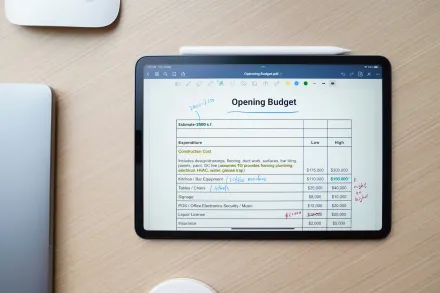
A successful zero-based budget is often supported by a reliable system that makes it easy to capture income, forecast expenses, and monitor outcomes. A simple yet powerful approach uses a digital spreadsheet with clearly labeled categories and a running total that tracks the current balance toward zero. You can also adopt budgeting software or mobile applications that provide secure syncing with bank accounts, real time updating of transactions, and visual summaries that highlight deviations from the plan. The best tools for zero-based budgeting are those that respect your workflow and remove friction rather than add complexity. They should allow you to create custom categories, store recurring costs, and quickly reallocate funds when necessary. A well designed template can guide you through the process of starting with income, moving through fixed and variable expenses, and ending with savings and debt payoff, all within a single, cohesive view. Importantly, whatever system you choose should enable you to perform a quick monthly settlement, where you confirm that the entire income is allocated and the final balance is zero, delivering a clear sense of closure and momentum for the next period. The human element remains essential, however: even the most capable tool cannot replace thoughtful planning, consistent updates, and honest reflection on what the numbers mean for your life.
Case studies and scenarios: bringing zero-based budgeting to life
Consider a person who earns a stable salary but carries student loan debt and seeks to build a safety net. By applying zero-based budgeting, they allocate a fixed amount for housing, utilities, and groceries, then assign a predictable monthly payment toward debt, followed by a contribution to an emergency fund, and finally a limited discretionary allowance. Over time, the discipline reveals that small adjustments in dining out or subscription services can free up meaningful sums for debt reduction each month without diminishing overall well being. In another scenario, a family with two incomes and irregular hours creates a baseline budget anchored in essential expenses and a separate cushion to absorb months with lower earnings. They use windfalls to accelerate retirement contributions and to fund a family vacation in a future month when both incomes align with the plan. A third example involves someone who shifts from reactive shopping to deliberate purchases, using the zero-based framework to ensure every purchase aligns with priorities, such as health, education, or skill development, rather than impulse. Across these real life illustrations, the threads are consistent: clarity about income, deliberate allocation, ongoing tracking, and willingness to adjust as circumstances require, all guided by a purposeful view of what the money is for and how it serves the life you want to lead.
Advanced techniques for income variability and debt payoff within zero-based budgeting
As you grow more comfortable with the basic approach, you can refine your technique to handle higher complexity. For income variability, you may establish a minimum sustainable baseline that covers essential needs and debt obligations, then use the remainder to strengthen savings, invest for the future, or fund flexible discretionary categories. This establishes a stable floor that keeps you out of debt and prevents the temptation to overspend when money is plentiful. For debt payoff, you can integrate a plan that prioritizes high interest or high impact debts, while preserving room for essential living costs. You can also weave in a strategy to refinance or consolidate where it makes sense, as long as the resulting monthly payments fit within the allocated budget margins and the zero-based rule remains intact. The advanced technique also includes scenario planning: occasionally modeling several future months with different income and expense patterns helps you test the resilience of the plan, identify potential bottlenecks, and rehearse the exact moves you will take if a disruption occurs. By combining flexibility with disciplined allocation, you preserve momentum while staying prepared for the uncertainties that life often presents, turning the budget from a static document into a dynamic and reliable engine for progress.
Habit formation and consistency: sustaining a zero-based budget over time
Consistency emerges from habit rather than coercion. Building a routine around your budget—such as a weekly check in, a monthly reconciliation, and a quarterly strategic review—helps turn actions into ingrained behavior. Framing the budget as a compassionate tool can reduce resistance: the objective is not deprivation but empowerment, and every adjustment is a deliberate choice that keeps you moving toward a meaningful target. You can foster accountability by sharing your goals with a trusted partner or friend who can provide supportive feedback, yet the most important influence is your own commitment to honest data and patient experimentation. Also helpful is celebrating small wins that arise from staying within plan or consistently contributing to savings, which reinforces positive associations with budgeting and makes the process more fulfilling rather than punitive. In time, the practice becomes second nature, reducing cognitive load and enabling you to make better decisions in moments of stress or opportunity. The result is a budgeting habit that survives life changes, supports ongoing growth, and sustains the sense that money is a tool you wield with intention rather than a mystery that controls you.
Scaling zero-based budgeting for households and couples
When budgeting for two or more people, communication and shared decision making become central. A joint process begins with a transparent discussion about priorities, which may include saving for a home, funding education, or preparing for parenthood, among other goals. It is important to align both parties on the baseline needs and the non negotiables, ensuring that essential expenses are covered before discretionary choices, while also respecting individual preferences and boundaries. The allocation step can be structured to reflect shared responsibilities, with clear categories for shared housing costs, family needs, and communal savings, along with personal allowances that honor autonomy. Regular check ins help maintain trust and clarity, and the zero-based framework provides a concrete mechanism to compare actual spending against the plan, adjust as necessary, and celebrate progress together. For households with dependent children, budgeting can extend to education savings, healthcare costs, and activities that contribute to development, while still preserving a sense of financial safety and responsibility. The overarching aim is to build a budget that acts as a living contract among household members, one that evolves as circumstances change yet remains faithful to the principle that every dollar serves a purpose and the family moves in purposeful steps toward shared goals.
Maintaining momentum and ongoing refinement
Even the most robust zero-based budgets require periodic renewal. Life changes in many forms, including income shifts, cost of living fluctuations, new obligations, or evolving personal priorities. A practical cadence is to revisit the budget monthly for the first several cycles, then expand the interval as confidence grows, perhaps to a quarterly or biannual rhythm. During these reviews you reassess whether fixed costs remain aligned with current circumstances, whether debt payoff targets are still realistic, and whether savings goals reflect the scale of future needs such as retirement or education. You also evaluate whether discretionary spending remains healthy or if there are still pockets of waste that can be redirected toward more meaningful objectives. The key is to maintain a forward looking stance while grounding decisions in live data, so you preserve a sense of momentum and avoid the emotional drain that can accompany long term planning without feedback. In addition, you should remain open to experimenting with new categories, adjusting insurance coverage, or re allocating resources toward growth opportunities that align with your evolving values. By cultivating a habit of continuous improvement and honoring the core premise that every dollar has a job, you sustain a budget that not only survives but thrives across the changing seasons of life.