Clarifying the Big Purchase and Its Real Cost
Before you reach for a credit card or sign a financing agreement, you must define what you are actually buying and what it will cost over its lifetime. Begin by mapping the sticker price to the full outlay required, including taxes, delivery charges, installation, maintenance, insurance, and potential accessories. For instance, a car is not just the purchase price; there are registration fees, ongoing fuel costs, insurance premiums, periodic servicing, tires, and potential repairs that may be needed after a few years. A high-ticket appliance might involve delivery, installation in a specialized space, possible energy upgrades, and extended warranties. By listing these components in plain language and putting a realistic number next to each one, you create a total that better reflects the financial commitment you are about to undertake. This exercise helps you avoid surprises and anchors your plan in reality.
Beyond the initial price, consider the intangible costs and benefits. There is opportunity cost: tying up a large sum in a single purchase reduces your ability to respond to unexpected events or to take advantage of other opportunities. Think also about depreciation and resale value, especially for assets like vehicles or electronics that shed value quickly. If you plan to trade or sell down the line, a realistic assessment of future resale value can inform whether a purchase is worth delaying or financing. Contemplate the potential tax implications, if any, and how warranty coverage or service plans may alter the long-term cost of ownership. The goal of this stage is to render a holistic view rather than a bottom-line sticker price.
Setting a Realistic Timeline and Savings Target
With a precise cost estimate in hand, the next step is to align your personal calendar with the reality of saving for it. Establish a timeline that reflects your income volatility, seasonal work patterns, and major life commitments. If you are saving for a purchase planned within a year, your monthly target needs to be aggressive but sustainable, while a purchase planned five years from now can be distributed more gradually. Translate the deadline into a monthly or quarterly savings target, and then translate that target into concrete actions. A clear timeline helps you measure progress, stay accountable, and resist the impulse to rely on credit when urgency strikes.
To make the target feel attainable, break the overall amount into approachable chunks. You might aim to save a fixed amount each month and adjust in response to changes in income or expenses. Alternatively, you can design a hybrid approach, combining a steady base contribution with small, periodic boosts from windfalls such as tax refunds, bonuses, or money found in refunds and rebates. The emphasis is on consistency and on building a predictable rhythm of saving that reduces stress and fosters confidence. When the plan is anchored to a deadline, your decisions become a matter of following a schedule rather than succumbing to impulse.
Building a Dedicated Savings Plan
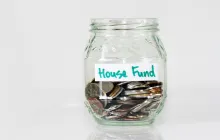
Creating a separate savings vehicle for the big purchase helps to keep focus and avoid mixing it with everyday spending. A dedicated account, ideally in a high-yield savings vehicle or a money market fund, acts as an emotional and financial signal that the money is earmarked and not to be touched for ordinary expenses. Set up automatic transfers that align with your payday or with your budget as soon as income arrives, so you never have to rely on willpower alone. A separate fund also allows you to monitor progress at a glance and to adjust contributions without disturbing your other accounts. When you treat the saving process as a real project with its own identity, you reduce the probability that small temptations erode your plan.
Consider using a sinking fund approach, where the target is divided into smaller milestones and each milestone is celebrated as you reach it. This technique helps you build positive momentum and fosters a sense of achievement. You can also diversify the savings around safety and accessibility by combining a liquid reserve for immediate readiness with a longer-term instrument that yields a modest return. The key is to choose vehicles that balance growth with safety, because the goal is to preserve capital while it works steadily toward the intended purchase.
Tracking Spending and Finding Hidden Cash
Most people have more room in their budget than they realize if they examine the dribs and drabs of spending that accumulate over time. Start with a comprehensive review of bank statements, receipts, and recurring charges for the last three to six months. Look for small, persistent costs such as streaming services you rarely use, unused gym memberships, or duplicate subscriptions that quietly drain funds. When you see these together, they become a reminder that change does not require dramatic sacrifices; it requires disciplined pruning and reallocation. Reallocate the freed funds directly into the dedicated savings account and maintain a running tally so the impact remains visible and motivating.
Additionally, identify opportunities to optimize variable expenses such as groceries, utilities, and transportation. A modest improvement in efficiency or a more prudent purchasing strategy can yield meaningful increments to your monthly saving rate without altering your lifestyle dramatically. Keep track of your progress and compare actual spending against your plan on a regular cadence. If you discover that a particular area was consistently over budget, adjust not only your numbers but also your actions so that the plan stays realistic and sustainable. The process of tracking becomes a habit that strengthens financial discipline and clarity.
Strategies to Boost Savings Without Undermining Daily Needs
Balancing aspiration with daily needs requires creativity and discipline. One approach is to expand income modestly through side work, freelancing, or monetizing a hobby that leverages existing skills. Even small extra hours can translate into meaningful contributions to your savings over the course of a year. Another avenue is to optimize your ongoing expenses by renegotiating services, shopping for better deals, and adopting energy-efficient habits that reduce recurring costs. It is important to recognize that small, targeted improvements compound over time, especially when they become automatic rather than episodic changes.
Preserving quality of life while saving for a big purchase means setting boundaries around discretionary spending without turning life into deprivation. Instead, reframe purchases as deliberate choices with a clear return on value. For example, you can plan a temporary frugal period in which entertainment options are diversified but affordable and the money saved flows into the dedicated fund. The result is a sustainable rhythm that respects both your present and your future plans. Maintaining this balance requires patience, a willingness to revise expectations, and a long-term orientation toward financial security rather than immediate gratification.
Debt Management as a Foundation for Big Purchases
High-interest debt is a squeeze on the capacity to save for any major purchase. Prioritize reducing or eliminating expensive balances before you pursue a large expense because the interest charges can erode the value of every dollar you save. The avalanche method and the snowball approach are two common strategies, but the core idea is to free up cash by decreasing interest costs and accelerating payoff times. As you reduce debt, you also improve your credit profile, which broadens your options for financing if you decide that financing remains part of your plan. The goal is to gain psychological and financial breathing room so that future purchases become feasible without compromising essential needs.
Maintain discipline by automating payments and by reviewing lingering obligations that often drift into overpayment through fees or penalties. It is helpful to see debt as an opportunity cost rather than a personal failing, because the cleaner your balance sheet is, the more confident you will feel when the time comes to commit to a big purchase. When you have less interest burden, you can direct more money to savings or investment vehicles that keep pace with inflation and preserve the purchasing power of your funds. The outcome is greater flexibility, less stress, and a clearer path toward your long-term financial goals.
Establishing an Emergency Fund and a Sinking Fund
An emergency fund provides a buffer that prevents unexpected events from derailing your plan. A common guideline is to secure enough cash to cover three to six months of essential expenses, but the exact target should reflect your job stability, household responsibilities, and economic environment. The objective is not to accumulate wealth in a single pot but to create resilience that protects your savings for the big purchase. Place this fund in a liquid, accessible account so you can respond quickly if an urgent event arises. If you already have a fund for emergencies, consider whether you should supplement it with a separate pool dedicated to the upcoming purchase to reduce temptation to dip into the wrong pot.
Alongside an emergency cushion, continue the sinking fund approach for your planned purchase. Regular, scheduled contributions ensure that progress remains steady even during periods of slower income. A sinking fund is particularly helpful when the asset category is volatile in price or when you anticipate a longer horizon before the purchase is completed. By pairing liquidity with purpose, you maintain readiness for both the unexpected and the anticipated. The combination of an emergency reserve and a targeted savings plan strengthens overall financial health and reinforces confidence in the ability to handle major expenditures without debt burdens.
Financing versus Cash: Weighing Options
Knowing when to pay cash and when to finance is a strategic decision that depends on your overall financial posture. Paying cash preserves the asset free of debt and avoids interest charges, but it also removes liquidity that could be valuable in other situations. Financing can enable you to keep cash available for emergencies or investments while spreading cost over time, but it adds interest and may require acceptable terms or collateral. The right choice hinges on the cost of the loan, the expected rate of return on cash that is kept available, and your willingness to assume risk such as payment flexibility or the possibility of price increases during the term.
Credit scores and relationship with lenders matter here, because they influence interest rates, terms, and approval speed. A healthy credit profile can unlock lower rates and better protections, while a weakened score can increase costs and risk. Consider the full picture, including the value of the asset, the durability of the purchase, and the likelihood of technology becoming obsolete quickly. If you choose financing, negotiate terms such as interest rate, fees, and payoff window, and verify whether prepayment penalties exist. If you choose cash, ensure that you retain sufficient liquidity for other priorities and emergencies while still achieving the intended outcome. This balanced view helps you avoid common traps and supports a plan that serves your financial reality rather than a temporary impulse.
Protecting Your Plan with Insurance, Warranties, and Tax Considerations
Protection strategies reduce the risk that a big purchase will create lasting financial stress. Review insurance coverage relevant to the asset, including liability, theft, damage, and extended protection where appropriate. Warranties and service plans can be valuable for items with high repair costs, but they should be evaluated in terms of probability, coverage limits, and overall cost. Costly disputes over damage or failure that fall outside coverage can erode the future savings you have worked to build, so a careful assessment helps you avoid surprises. When protection is aligned with the probability of loss and your budget, it becomes a predictable component of ownership rather than a dreaded afterthought.
Tax considerations may also influence the decision, especially for larger investments that carry depreciation or deduction implications, depending on your jurisdiction. Understand any eligible credits, rebates, or write-offs that may apply to your situation and how they interact with the timing of your purchase. A thoughtful approach to protection and taxes ensures that the plan remains robust under different circumstances and reduces the likelihood of negative financial feedback if conditions change. The aim is to keep the purchase aligned with your broader financial strategy while managing the marginal risks and rewards involved.
Monitoring, Adapting, and Maintaining Motivation
Once your plan is in motion, continuous monitoring is essential to staying on track. Regularly compare actual progress against your targets, examine deviations, and adjust the plan without abandoning the underlying objective. Economic shifts, personal income changes, and evolving priorities can alter your path, so a flexible framework is more effective than a rigid schedule. Build a habit of monthly check-ins that review spending, savings, and milestones, and use these reviews to reallocate funds if necessary. The discipline of consistent evaluation reduces the likelihood that you will drift into debt or abandon the plan at the wrong moment.
Motivation matters as much as methodology. Visual cues such as a progress chart, announced milestones, or a tangible symbol of the goal can sustain momentum during inevitable ups and downs. Celebrate small victories along the way, but maintain focus on the ultimate objective. If you encounter a setback, reframe it as information that informs a revised path rather than as a defeat. A resilient mindset merges practical actions with emotional support, allowing you to preserve the defense around your finances while pursuing a meaningful purchase that aligns with your values and long-term security.
Psychology of Saving for Large Purchases
Humans are not always rational when money is involved, and cognitive biases can erode even the best-laid plans. Recognize tendencies such as present bias, where immediate gratification tempts you to spend now rather than save for later. Counter this by anchoring the purchase to a concrete outcome and by creating a friction that makes it harder to access funds for impulse buys. The art of saving for a major purchase often rests on creating autoimmune habits that protect the plan from small, seductive temptations. Automating contributions, limiting access to the savings account, and using visual progress indicators can all help suppress impulsive behavior.
Finally, integrate the purchase into your broader life narrative rather than treating it as a standalone event. When the goal becomes part of a larger story about financial independence or stability, the motivation to stay on track broadens and deepens. A sustainable approach blends practical steps with personal meaning, turning a potentially stressful constraint into a constructive choice. By reframing the process as active financial stewardship, you maintain clarity, patience, and the confidence that you will be able to manage the big purchase when the moment arrives.