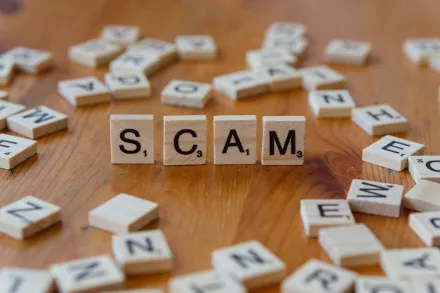
Money scams are a persistent threat in today's connected world. Every week, millions of people encounter deceptive offers, fake callers, counterfeit websites, and phishing messages that aim to steal money or compromise financial security. The complexity of modern scams has grown as technology tightens the bond between buyers and sellers, but also opens doors for criminals to operate with greater sophistication. The best defense is a well rehearsed routine that combines skepticism, verification, and proactive safeguards. By understanding how scammers operate, by cultivating healthy habits for handling money and information, and by knowing where to report suspicious activity, you can dramatically lower your risk. This article explores the main categories of scams, the tools scammers use, and concrete steps you can take to protect yourself, your family, and your finances from harm.
Recognize common scam patterns
Criminals often rely on urgency, fear, and pressure to push you toward a hasty decision. You may receive messages that claim a problem with your account, a supposed windfall, or a limited time opportunity that cannot be missed. These schemes exploit the natural impulse to act quickly when money is involved, and they frequently use official language and logos to appear legitimate. Another familiar pattern is social engineering that exploits trust, where someone claims to be a friend, a coworker, or a government official in distress and asks you to provide information or transfer funds. Phishing emails and texts mimic familiar brands and sender addresses, but on closer inspection they have subtle anomalies such as misspellings, odd URLs, or requests for sensitive data that would never be requested by legitimate institutions. By taking time to verify the source, checking the sender’s contact information through trusted channels, and hovering over links to reveal the real destination, you can avoid falling for traps that seem compelling at first glance.
Additionally, scammers often craft elaborate stories about supposed emergencies that require you to act immediately, such as a supposed locked account or a supposed charge that needs urgent reversal. They may pressure you to share passwords, one time codes, or full banking details, and they frequently use high pressure tactics to keep you from pausing to think. Some scams masquerade as charitable campaigns or as discount offers that promise unbelievable savings, exploiting the emotional pull of generosity or greed. In social media and messaging apps, scams can spread quickly through peers who seemingly endorse a risky proposal. The more you train your attention to notice inconsistencies, the better you will become at stopping a scam before it goes any further.
Safeguard your digital accounts
Digital guards are essential because many scams begin online. Use strong, unique passwords for every service, and enable multi factor authentication where possible. A password manager helps you store complex credentials without relying on memory, while it keeps you from reusing the same phrase across multiple sites. Regularly review connected devices and account activity, and sign out of sessions you do not recognize. Be cautious with browser extensions and third party apps, since some may capture credentials or redirect you to fraudulent pages. Keep software on devices up to date, as updates often close security holes that scammers could exploit. Skillful attackers may attempt to install remote access tools or keyloggers, so maintain suspicion about unsolicited prompts to install software, even if they appear to come from a familiar company. If you receive a suspicious message claiming to be from a bank or payment service, never click a link or provide credentials; instead go directly to the official site by typing the URL yourself or use the mobile app to verify the status of your accounts.
Beyond technical steps, cultivate a habit of verifying the legitimacy of any alert before you respond. For example, if you receive a message about a security breach, do not rely on the contact details supplied in the message. Look up the official number or contact method from the organization’s website or a trusted app and reach out through that channel. Regularly review security settings on social platforms, email providers, and payment services, and enable notifications for unusual login activity. Remember that compromised devices can turn into footholds for criminals, so this work extends to family devices, work devices, and shared devices in your household. A thoughtful, proactive posture toward digital security reduces the likelihood that a scam gains a foothold through a compromised account or device.
Be cautious with financial offers and investments
Investment scams promise outsized returns with little risk, and they often target people who are seeking to grow their wealth or protect retirement funds. They may present seemingly personalized analyses, testimonials, or charts that look credible but are designed to mislead. Always scrutinize the underlying business model and the legitimacy of the entity offering the opportunity. Check registration and licensing status with official regulators in your country, seek independent advice, and verify performance claims with neutral sources. Be mindful of pressure to commit funds quickly, guarantees of high returns, or unusual payment methods such as wire transfers or gift cards. In legitimate markets, investment decisions should be based on documented risk factors and transparent disclosures rather than rumors or unverified stories.
Criminals frequently exploit fear of missing out and social conformity, presenting a crowded initial success story or a flashy endorsement from a now silent influencer. They may hide fees in complex jargon or offer tailored “insider” tips that supposedly bypass ordinary rules. A robust approach is to demand full documentation, conduct due diligence through reputable financial advisors, and cross check any claim through regulators or independent financial news outlets. If something feels too polished or too perfect, step back and consider a second opinion. The discipline of asking for verifiable data, the track record of the entity, and clear disclosures on fees and risks is a powerful antidote to most investment scams.
Handling unsolicited communications
Phone calls, emails, text messages, and even social media messages can carry deceptive content. Do not reveal sensitive information over the phone or in chat conversations unless you have verified the other party's identity and purpose. If you receive an unsolicited call claiming you owe money or that your account has been compromised, hang up and contact the institution using the number printed on your official statement or the site you have previously used. Scammers can spoof caller IDs and use convincing voice recordings; never trust the first contact, and always take time to verify through a separate channel. When in doubt, do not engage, and consider reporting the interaction to your financial institution or to the appropriate authorities so that they can monitor patterns and warn others.
Also be mindful of emails that mimic a legitimate business with a forged sender name, a plausible subject line, and a sense of urgency. Do not click on attachments or links; instead, contact the company through a verified telephone line or through your own secure app to verify the message. Social media scams may attempt to lure you with messages from people you know, but in many cases accounts have been compromised or created to exploit trust. In those cases, you can help by quietly validating with the person through an independent channel before reacting to the offer. A reserved approach to unsolicited comms reduces the chance of an emotional misstep that could lead to money loss or data exposure.
Verify before you trust
A core habit in protecting money is to verify information before acting. This means checking the sender’s contact data against known, official channels and not relying on the information contained within a message alone. When you are offered a deal or asked to provide personal details, pause, step back, and search for independent sources that confirm the claim. Use trusted websites, call numbers obtained from official sources, and if something feels off after you investigate, defer the decision. Entering sensitive information on sites that lack proper encryption, or that have minor branding inconsistencies, should prompt you to abort the process. In a digital age, a small moment of skepticism can save a large amount of trouble, especially when money is involved.
Part of verification is ensuring you are dealing with legitimate representatives of organizations. Ask for credentials, such as an employee ID, a department contact, or a reference code, and confirm those credentials through the institution's published contact points. If you are asked to provide a one time password or a temporary access code, treat that as a red flag unless you initiated the action yourself and are following official instructions. The discipline of cross checking, calling back on an established number, and taking notes of the interaction creates an paper trail that both discourages fraudsters and equips you to respond effectively if something goes wrong.
Secure payment practices
Payment security is a shield against many scams because once money leaves your control it is difficult to recover. Favor payment methods that offer built in protections, such as credit cards with fraud coverage or services that allow chargebacks for disputed transactions. Avoid cash transfers to unknown parties, gift card payments, or cryptocurrency transfers when the source or recipient is unfamiliar. If you must send money to someone you are not fully certain about, consider starting with a small amount and keeping documentation of the transaction. Keep receipts, track reference numbers, and monitor bank accounts for unusual activity after a transfer. If a payment request seems unusual, pause and verify through a trusted contact or the official customer service channel before proceeding. Strong authentication and transaction alerts help create a trail that can be used to dispute a charge if needed.
Another important practice is using secure payment portals with a trusted reputation and avoiding payment flows that redirect you through unfamiliar screens. Always verify the URL of a payment page before entering card details, ensuring the site uses HTTPS and matches the legitimate brand. If you are offered a discount or a seemingly convenient deal that requires you to wire money to an overseas address, treat it as a potential red flag and disengage. In many cases scammers exploit the complexity of international transfers to obfuscate the destination and the true owner of the funds. The consistent application of prudent payment choices, careful verification, and timely reporting can dramatically shrink the returns scammers obtain from innocent victims.
What to do when you suspect a scam
If you believe you have encountered a scam, act promptly to minimize potential losses and to help authorities prevent others from falling victim. Do not provide any additional information beyond what you have already shared, and do not attempt to engage in negotiations with the fraudster. Contact your financial institution immediately to freeze or monitor accounts, and report the incident to the appropriate watchdog or law enforcement agency in your jurisdiction. Preserve evidence by taking screenshots, saving emails, and recording dates and times of interactions. Consider notifying your country’s consumer protection agency or a cybercrime unit, as these agencies collect data that can aid investigations and collapse criminal networks over time. Cooperation with investigators may help you recover some funds in limited cases, but the primary goal is to stop the scam from spreading and to prevent further people from being harmed.
In many places there are dedicated hotlines and online portals where you can submit scam reports. Providing clear, structured information about what happened, who was involved, what you clicked, and any financial details can accelerate the response. If you have already suffered a loss, communicate promptly with your bank or card issuer to explore options for reversal or reimbursement under applicable protections. Do not assume that it is too late to report, because timely notification helps authorities detect patterns, freeze related accounts, and issue warnings that save others from experiencing the same heartbreak. Keeping a calm, methodical record of every interaction strengthens your case and increases the chance of receiving assistance when available.
Empowering long term habits to stay protected
Protection is not a one time event but an ongoing practice that grows stronger with awareness and regular routines. Schedule periodic reviews of your online accounts, privacy settings, and financial statements, and set up alerts for unusual activity. Education matters because scammers adapt to new technologies and new social engineering tricks; by staying informed about current scam trends you reduce your risk of being surprised. Encourage family members and colleagues to share information about suspicious messages and to practice safe handling of personal data. Build a culture of skepticism toward unsolicited offers and a habit of verifying claims through official sources. The more you engage in careful scrutiny, the less likely you are to experience harm from money scams, and the more confident you become in your ability to navigate complex financial situations with clarity.
Develop a routine that includes a monthly review of bank statements, a quarterly audit of passwords and account recoveries, and a habit of reporting suspicious offers even if no loss occurs. This creates a feedback loop that strengthens your defense and helps you become a resource for others who may be targeted. Remember that scammers often exploit emotions such as fear, loneliness, or greed; by creating a steady, rational framework for evaluating offers, you reduce the control fear has over your decision making. The combination of practical security measures, careful verification, and a supportive network forms a resilient shield that many attackers cannot easily breach.
The role of institutions and law enforcement
Financial institutions, regulators, and law enforcement agencies play a central part in reducing the impact of scams. Banks deploy fraud monitoring systems and customer education programs that illustrate common red flags, while regulators publish guidelines that help the public distinguish legitimate offers from deceptive tactics. Law enforcement authorities work to identify and dismantle criminal networks that rely on social engineering and digital deception. Collaboration among these groups and with the public enhances the ability to detect patterns, block fraudulent activity, and recover funds where possible. When people report scams promptly and with sufficient detail, investigators can build a clearer picture of how criminals operate and which channels they use. This collective effort strengthens consumer resilience and helps to create a safer digital economy for everyone.
It is also vital that institutions communicate clearly about what constitutes a legitimate interaction and what does not. Transparency about security practices, the steps customers should take when alert signals appear, and the availability of customer support that is easy to reach can prevent fear based hasty decisions. In addition, regulators can require better disclosures about fees, risk factors, and the true owners behind investment opportunities, reducing the ability of scammers to hide behind complex language. The synergy between informed consumers, trusted institutions, and a responsive enforcement system creates a safer environment where legitimate commerce thrives and criminal activity is less likely to succeed.
Protecting vulnerable populations and communities
Older adults, recent immigrants, young people navigating online services, and individuals with limited access to reliable information are particularly at risk of money scams. Tailored outreach, clear language, and accessible guidance are essential to reach these groups. Community organizations can help by sharing up to date resources, conducting training sessions, and distributing checklists that explain how to recognize suspicious activity and how to respond safely. Families should foster open dialogue about finances, teach basic digital literacy, and encourage younger members to involve trusted adults when confronting offers that seem too good to be true. A collective awareness across generations reduces the odds that someone will be exploited, and it strengthens social networks that support safe decision making in the moment of temptation or fear.
Efforts to protect vulnerable people must be ongoing and culturally sensitive. Providing materials in multiple languages, using plain language that avoids jargon, and offering in person workshops in community centers can dramatically improve comprehension. When trusted community leaders reinforce safer practices, more individuals feel empowered to pause, verify, and seek help. By combining education, accessible resources, and supportive networks, communities can establish a robust front line against scams and help those who are most likely to be targeted by criminals stay secure and confident in handling money matters.
Reputable resources and reporting channels
Knowing where to report scams is as important as recognizing them. Many countries have dedicated consumer protection agencies, financial regulators, and cybercrime units that welcome reports from the public, even when a loss did not occur. Providing a clear account of the events, the messages received, dates, and the involved parties helps authorities correlate cases and identify patterns. You can often request a reference number or a case tracking option so you can monitor progress. In addition to formal reporting, many banks and payment providers offer dispute mechanisms and fraud hotlines that you can use to stop further payments and begin an inquiry. Online resources from trusted organizations provide guidance on avoiding scams, checking websites, and verifying the authenticity of offerors, which can empower you to teach others and stay prepared in an ever changing digital landscape.
Staying connected with official channels ensures you are using the most up to date guidance and that your reports are directed to the right teams. It also helps institutions learn from real world cases, refine their defenses, and push for stronger safeguards. When you share your experiences, you contribute to a wider culture of accountability that discourages scammers and supports victims. By becoming familiar with the right reporting options and using them promptly, you join a system that actively discourages fraud and creates a safer environment for everyone who participates in the digital economy.