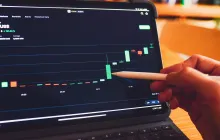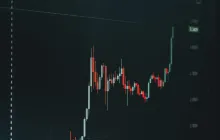
Overtrading is a behavior that plagues many participants in dynamic markets, where the pull to be involved in every price movement outweighs the discipline to wait for high quality setups. It often arises from a blend of impatience, fear of missing out, and a misguided belief that more activity will naturally lead to more profits. In real life trading, this impulse typically manifests as taking too many positions, chasing markets after they have already moved, or entering trades without sufficient analysis or a clearly defined edge. The consequences are usually not limited to fresh losses; traders who overtrade tend to incur higher transaction costs, greater slippage, increased stress, and a hollow sense of accomplishment when results do not reflect effort. The purpose of this guide is to help you create a framework that channels energy into deliberate decisions, preserves emotional balance, and preserves the fundamental objective of trading: to exploit high quality opportunities with favorable risk-reward characteristics. By examining the psychological drivers of overtrading and constructing robust routines, you can reduce the frequency of poor entries and improve the consistency of your outcomes while maintaining the flexibility required to adapt to changing market conditions.
The Psychology Behind Overtrading
At its core, overtrading is a manifestation of cognitive and emotional processes that tilt a trader toward action rather than reflection. The fear of missing out, or FOMO, creates a sense that every incremental move is a chance to grab profits before they vanish, which can override rational assessment of whether a given setup truly aligns with a trader’s tested edge. Greed, novelty seeking, and the thrill of being in the market can supersede patience, pushing a person to chase outcomes rather than wait for confirmations. Additionally, after a string of small wins, a trader may feel invincible, mistaking luck for skill and loosening guardrails that would normally restrain entry frequency. Conversely, after losses, the instinct to “make back” mistakes can lead to aggressive trading patterns designed to recover quickly rather than to pursue the next high probability setup. Understanding these psychological currents helps to mechanize defenses that prevent impulsive entries, such as explicit criteria for what constitutes a trade and precise limits on exposure that are not subject to mood or adrenaline.
Triggers and Environments That Encourage Overtrading
Certain market environments especially reward rapid participation, including volatile periods, trending markets, or events that generate quick price moves. In those times, the sense that opportunity is everywhere can push a trader to abandon patience and enter too soon, risking early exits and large drawdowns. The presence of familiar routines in a trading day—such as opening market hours with a flurry of ideas, or the habit of reacting to headlines and analyst chatter—can reinforce a reflex to trade rather than a deliberate evaluation. Personal circumstances matter as well; stress from other areas of life can lower the threshold for impulsive decisions, while fatigue or sleep deprivation can dull judgment and magnify the appeal of easy wins. Recognizing these triggers is the first step toward constructing guardrails that prevent impulsive action. A disciplined trader learns to differentiate between a momentary itch to participate and a well founded trade proposal supported by edge, risk control, and plan adherence.
Defining Clear Personal Rules and Boundaries
The practical antidote to overtrading is a set of clearly defined personal rules that are non negotiable yet adaptable as markets evolve. These rules should specify the maximum number of trades in a given period, the minimum time required between consecutive entries, and explicit criteria for entry that require both technical confirmation and a favorable risk reward profile. Rules should also set a daily or weekly loss limit that, if breached, triggers a pause in trading to prevent a costly cascade of impulsive decisions. A robust framework includes pre defined conditions for position size, stop placement, and profit targets so that each trade is not a reaction but a deliberate choice anchored in tested strategy. These boundaries must be documented and reviewed regularly, and their enforcement should be consistent across different market regimes. By embedding discipline into the structure of the plan, you create a psychological barrier against the temptation to overparticipate while preserving the capacity to engage when opportunities align with your proven criteria.
Risk Management as a Guardrail Against Overtrading
Risk management is the most effective safeguard against the drift toward excessive trading. A well designed framework emphasizes risk per trade, the total risk allocated to a trading session, and a clear rule about when to stop trading after a loss. Position sizing should depend on the volatility of the instrument, the width of the trader’s acceptable risk, and the probability of success as indicated by past performance and statistical edge. The goal is not to eliminate risk but to keep it within a predictable and manageable band. Practical applications include calculating risk in dollars or as a percentage of account equity, aligning stop placement with normal price fluctuations rather than artificial levels, and avoiding the temptation to chase larger positions in pursuit of outsized gains. When risk is anchored to the plan rather than to emotion, the appetite for additional trades naturally diminishes because each potential entry must pass stringent risk checks to proceed.
Quality over Quantity: The Case for Selective Trading
One of the most enduring truths in trading is that a smaller number of high quality trades can outperform a large number of marginal opportunities. Quality is determined by the trader’s proven edge, the reliability of entry signals, the strength of price action, and the alignment of the setup with the overall market context. A selective approach requires a tempering of curiosity with discipline, learning to say no to trades that do not provide a crisp probability of success relative to risk. It also means embracing patience, recognizing that waiting for the right setup is not a hindrance but a competence that protects capital and supports long term growth. The practical habit is to run a daily filter that excludes anything that fails to meet the edge criteria and to maintain a trackable record of why each rejected idea was not chosen. Over time, this reinforces confidence in the plan, reduces the lure of frequent participation, and clarifies what constitutes a compelling opportunity rather than a desire to be busy in the market.
Building a Trade Filter: A Systematic Approach to Entries
A trade filter is a systematic screen that helps a trader distinguish between ideas that are worth pursuing and those that are better left alone. A robust filter combines multiple dimensions, including trend alignment, momentum, liquidity, risk reward, and time frame compatibility. For example, a trader might require that the instrument be within a defined trend on the higher time frame, show a pullback within a defined range on a lower time frame, and generate a breakout or reversal signal with a measured objective and a stop that adheres to a fixed risk percentage. The filter should be anchored in historical performance and regularly audited to ensure it remains relevant. By applying a consistent filter, the trader creates a cognitive barrier against the impulse to trade based on novelty, emotion, or shortcuts, and instead commits to a disciplined procurement of only those opportunities that pass rigorous scrutiny. This approach reduces the probability of overtrading while preserving adaptability to shifting market conditions.
Journaling and Post-Trade Review as Instruments of Patience
The practice of journaling and post trade review is a powerful antidote to impulsive behavior. A detailed journal that captures the reasoning behind each trade, the setup conditions, the outcome, and the lessons learned creates a repository of experiential knowledge that can be revisited to refine the edge. Regular reviews reveal patterns in decision making, such as tendencies to enter trades too early or to abandon a winning setup too soon, and they highlight emotional triggers that correlate with poor decisions. The act of documenting successes and failures reinforces accountability and discourages knee jerk reactions. Over time, the habit of reflected practice strengthens patience, enabling a trader to wait for confirmation and to let the edge deliver results rather than forcing outcomes through sheer frequency of trades. A thoughtful post trade analysis then becomes not a critique of failure but a training mechanism that supports disciplined growth.
Developing a Sustainable Routine and Daily Rituals
A sustainable trading routine blends preparation, execution, and reflection into a coherent daily rhythm that minimizes cognitive load and preserves energy for high value decisions. The day typically begins with a market review that recaps relevant news, macro conditions, and the structure of the current liquidity environment. Preparation includes outlining the plan for the session, updating the filter criteria, and setting specific goals for what qualifies as a successful day in terms of trades, risk, and learning. During the session, the emphasis remains on quality and compliance with the plan, with a disciplined approach to trade entry, management, and exit. After market close, a structured debrief focuses on what worked, what failed to meet criteria, and what changes are needed to improve the process. A routine like this reduces the likelihood of spontaneous, emotionally driven trades and anchors behavior in a deliberate sequence that supports long term performance rather than short term thrill.
Tools and Systems to Support Discipline
Modern traders can leverage a variety of tools to enforce discipline and reduce the tendency to overtrade. A reliable trading journal is central, providing a permanent record of rationale, risk parameters, and outcomes. Alerts and automation can enforce entry and exit criteria, reminding the trader when to abstain from participation or when to act only within the defined plan. Backtesting and forward testing done in a controlled environment offer empirical evidence about the stability of the edge and guide adjustments to rules without sacrificing real capital. Risk dashboards that visualize potential exposure, drawdowns, and compliance with daily loss limits offer real time feedback that can prevent impulsive trades during volatile sessions. These tools do not replace judgment but augment it, making disciplined behavior more automatic and less reliant on willpower alone, which tends to wane under stress or fatigue.
Emotional Regulation Techniques for Traders
Managing emotions is not about erasing feelings but about channeling them into constructive behavior. Techniques such as mindful breathing, grounding exercises, and cognitive reframing can help attenuate impulses to enter trades that do not meet the plan. Cognitive techniques involve recognizing automatic thoughts like “I must get this one” and reframing them into more accurate statements such as “I will wait for a high probability setup with favorable risk.” Regular practice of mindfulness improves attention, reduces reactivity, and increases tolerance for waiting periods when the market does not provide a clear edge. In addition, developing a compassionate inner dialogue that treats mistakes as learning opportunities rather than personal failures fosters resilience and reduces the emotional volatility that often triggers overtrading, particularly after losses or during recovery phases in the equity curve.
Case Studies in Discipline: Fictional Scenarios and Lessons
Imagine a trader who starts the day with a strict plan, including a defined number of trades and a clear risk cap per session. Despite a volatile environment offering several nominal opportunities, the trader remains patient, only entering positions that meet the edge criteria and accepting that a quiet day may be more profitable in the long run than a busy day with mixed outcomes. In another scenario, a trader fails to enforce a daily loss limit and experiences a sharp drawdown after several poor entries born from a fear of missing out. The second trader learns a hard lesson about how quickly a single poor session can erode confidence and capital, while the first trader reinforces the value of patience, a robust filter, and the discipline to walk away when the market does not present a high probability setup. Through stories like these, the importance of a coherent plan becomes evident, illustrating how structure and psychology combine to keep overtrading at bay even when markets seem inviting.
The Long View: Transforming Losses into Learning Opportunities
Losses are an inevitable companion on the journey toward consistent trading performance, and the best traders treat them as data rather than as personal judgments about capability. An effective approach views every loss as an opportunity to recalibrate edge assumptions, refine the entry criteria, and reassess risk management parameters. By documenting the context of each loss, including market conditions, timing, and the precise moment when the decision diverged from the plan, a trader can identify recurrent patterns that lead to overtrading. The emphasis shifts from trying to avoid all losses to building a robust system that tolerates loss without compromising discipline. Over time, this perspective reduces the impulse to chase outcomes and reinforces a patient, plan driven approach to market participation, enabling steady progress rather than episodic bursts of activity followed by drawdowns.
Maintaining Perspective Across Markets and Timeframes
Markets are not static, and a single rule set may require adjustments as volatility, liquidity, and participant behavior evolve. A key component of avoiding overtrading is maintaining perspective about the time horizon and the scope of opportunities that fit the plan across different instruments and timeframes. A cautious stance in one market segment does not imply a failure; rather, it reflects a disciplined stance that prioritizes edge quality over raw exposure. Periodic reviews of the strategy’s performance across multiple cycles, including bull and bear phases, help ensure that the rules remain aligned with actual market behavior. This broader awareness supports consistent decision making and reduces tendencies to overtrade in any single market simply because it feels busy or exciting at the moment. By integrating cross market insights with fixed personal rules, a trader sustains a measured pace of participation that aligns with long term growth objectives.
The practical path to avoiding overtrading rests on a simple premise: decisions should be driven by a tested edge, not by the tempo of the market or the appeal of constant activity. Establishing clear entry requirements, limiting exposure through disciplined risk management, maintaining a detailed trading journal, and building routines that reinforce patient behavior are not abstractions but concrete practices that reduce the noise that leads to impulsive trades. As you begin to apply these principles, you will notice that the market becomes less of a source of constant stimuli and more a source of meaningful decisions. The result is not only a more resilient equity curve but also a calmer, more purposeful trading experience in which each trade enhances the overall plan rather than diminishing it. This approach emphasizes quality, patience, and sustainability, turning overtrading from a dominant risk into a controlled consequence of disciplined practice.