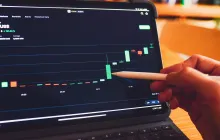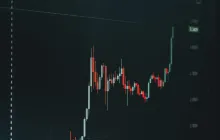
After hours trading refers to the buying and selling of securities outside the standard, widely used market session. In practical terms, it is the period when investors can place orders and execute trades after the regular market closes for the day. This arena operates on electronic networks and relies on specialized venues that connect buyers and sellers when the normal trading floor may be closed. For many traders and investors, after hours trading represents a bridge between the day’s events and the next day’s developments, a space where information released after the bell can still move prices and where careful order handling can be essential for protecting positions or capitalizing on late news. The concept is not limited to one market or one country; while the United States has a well established extended hours framework, other major markets around the world also offer versions of after hours trading, each with its own rules, liquidity dynamics and risk profile. In practical terms, after hours trading complements pre market activity and regular session trading, forming a continuous but uneven tapestry of price formation that can be challenging to navigate for the unprepared trader.
Delving into the mechanics reveals a set of moving parts that differ from the standard intraday session. The regular trading session has defined hours when the majority of participants are active, when liquidity tends to be higher and spreads tend to be tighter, and when price discovery occurs in a relatively orderly fashion. After hours trading flips some of those conditions, because participants are fewer, spreads can widen, and price moves can be more sensitive to a small number of trades or a limited flow of orders. In many markets, after hours trading takes place on electronic communication networks or ECNs that match orders electronically, rather than on the traditional trading floor. The result is a system that can be fast and efficient in the right circumstances but can also display abrupt, news driven volatility if significant information is released after the bell. For traders who understand the differences between the two sessions, after hours trading can be a meaningful extension of their strategy, while for others it may present more risk than opportunity.
The thread that runs through this topic is timing. Regular market hours for the United States typically run from just after 9:30 in the morning to 4:00 in the afternoon Eastern Time, with after hours extending beyond that window. Pre market and after hours sessions are often described as a kind of continuum, with the post close period sometimes merging into evening measures of the market. However, the exact hours and the extent of liquidity can vary by broker, by stock, and by exchange. Some brokers offer after hours trading up to 8:00 PM or even later in certain markets, while others may cap the window earlier or offer more limited access to select securities. The implication for a trader is straightforward: activity and risk profiles shift with the window, so price quotations, order execution quality, and the likelihood of filling orders can look and feel different in after hours than they do during the regular session.
To understand what drives after hours trading, it helps to consider the role of information flow. Corporate earnings announcements, management commentary, and unexpected macro data releases often occur outside the standard trading day. News that hits after the close can trigger rapid price adjustments as investors reassess fundamentals, future prospects, and risk sentiment. In a post market environment, new information can be absorbed by a smaller pool of participants who are actively trading, which can create pronounced moves in a short period. Conversely, the absence of a large crowd can dampen price action, making it easier for certain contracts and securities to hold more stable values if there is no new information or if liquidity remains tight. The dynamic is complex and situational, which is why many traders rely on disciplined risk controls and clearly defined trading objectives when venturing into after hours activity.
Timing and session characteristics
Understanding the timing structure is essential for mastering after hours trading. The exact window varies by jurisdiction and venue, but a common pattern in major markets includes a post market period that begins immediately after the regular session ends and can extend into the late evening. In the United States, after hours trading often runs from 4:00 PM to 8:00 PM Eastern Time, with some platforms offering additional late sessions or extended hours on certain days or for select securities. Pre market periods, which occur before regular trading, are similarly varied and can begin as early as four in the morning in some places, though the availability of pre market trading is highly broker dependent. The practical takeaway is that sessions are not uniform across all securities or platforms; liquidity, price action, and the probability of fills are all influenced by the specific window you are operating in. For investors who rely on precise timing or who are sensitive to earnings or news releases, mapping the relevant after hours and pre market windows for the instruments they trade is a critical first step.
The liquidity profile during after hours is a central characteristic that shapes trading decisions. Liquidity tends to be thinner outside regular hours, meaning there are fewer orders and, as a result, wider bid-ask spreads. A wider spread translates into higher implicit trading costs for entering or exiting a position and can increase slippage if a large order is placed. This is especially true for small cap stocks, IPOs, or securities with limited coverage, where a handful of participants can dominate the order book. In contrast, for heavily traded stocks with broad broker coverage, after hours liquidity can still be meaningful, and traders may experience fills without extreme slippage, particularly if they place limit orders that specify an acceptable price. The variability of liquidity is a defining factor in after hours trading and a reason for practitioners to emphasize order types and risk management suited to these conditions.
How after-hours trading works
From a technical perspective, after-hours trading operates on electronic networks that pair buy and sell orders outside the regular session. These ECNs provide a platform for continuous trading, but the order book tends to be thinner and more volatile because of the lower trading volume. When a trader places a limit order in the after hours window, the order remains active until it is executed or canceled, subject to the broker and venue rules. Market orders, when accepted in some venues, can lead to immediate execution at prices that are less favorable due to the wider spreads, and a trader might see a price that rapidly diverges from the last regular session print. Brokers often impose special conditions on after hours orders, such as price protection mechanisms, partial fills, or restrictions on certain order types. The outcome is a trading experience that can be efficient in stable conditions but potentially abrupt during news driven moves. Actors in this space include institutional participants, professional traders, and active retail traders, each contributing to a distinct liquidity landscape compared with the daytime market.
Another important facet is price discovery. The extended session still contributes to the ongoing process of price discovery, but it does so with less information and fewer players. The arrival of new data, corporate statements, or external events can cause a re rating of securities that is partially independent of the regular session. Market makers and liquidity providers in after hours may adjust their quotes in response to evolving information, and price discovery during these hours can set the stage for the next day’s opening moves. Traders who see value in the after hours mechanism often use it to reposition ahead of anticipated news or to react promptly to events, while disciplined risk management helps prevent overexposure in a period characterized by greater uncertainty.
Risks and rewards
Engaging in after hours trading comes with a specific blend of potential rewards and risks that differ from the day session. The primary reward is the opportunity to react quickly to late breaking news or to adjust positions ahead of the next trading day. A well-timed trade during after hours can capitalize on an earnings surprise, a regulatory update, or a geopolitical development that shifts sentiment. The flip side is the heightened risk profile. Liquidity can be thin, making it hard to enter or exit positions at desirable prices. Volatility can spike as a result of a single large order or a handful of trades, and price gaps between the last regular session price and the next opening price can be substantial. Traders should expect wider spreads, a greater chance of slippage, and possibly limited access to some order types. An additional risk is the potential for inconsistent execution quality among brokers and venues, underscoring the importance of using limit orders, checking quotes, and avoiding aggressive positions unless risk controls are in place.
Those who participate in after hours trading frequently emphasize having a well defined plan for risk management. This includes setting maximum loss thresholds, using stop loss orders when available, and sizing positions so that a single adverse price move does not overwhelm the portfolio. It also involves monitoring news flow and corporate announcements that can drive sudden moves. Traders should keep in mind that extended hours activity is not a guarantee of profitable outcomes and that overnight price movements can carry over into the regular session with added momentum or counter moves when market participants reenter the day. By approaching after hours trading with clear rules and disciplined execution, investors can mitigate some of the inherent risks while still benefiting from the informational edge that late trading can provide.
Reasons traders participate
There are multiple motivations for participating in after hours activity. Some investors want to respond quickly to earnings results, product launches, or management commentary that becomes available after the close. Others aim to hedge positions or adjust exposure in response to new data that arrives after the market has shut down for the day. Global markets operate with overlapping sessions; traders in one region may react to developments in another, generating price movements outside the local regular session. For portfolio managers and algorithmic traders, after hours windows can be part of a broader strategy to influence intraday risk, reposition for anticipated shifts in macro indicators, or opportunistically capture mispricings that arise in less liquid environments. The decision to participate hinges on the individual risk tolerance, trading style, and the ability to execute with discipline within the constraints of extended hours markets.
Investors who rely on after hours action often maintain a careful watch on earnings calendars, conference calls, and the release times of important news. They may also use after hours periods to test the waters for new ideas without committing to a full day’s exposure. Others see after hours as a protective or strategic tool to guard profits against an unexpected opening gap or to set up favorable stop levels before regular trade commences. While the incentives are real, the importance of risk controls and a robust understanding of the specific mechanics of the platform being used cannot be overstated for anyone considering regular participation in extended hours markets.
Common order types and strategies
In the after hours environment, traders frequently rely on limit orders to define the maximum or minimum price at which they are willing to execute. A limit order helps protect against unfavorable price movement when liquidity is thin. Some platforms allow take profit and stop loss functions during extended hours, but the reliability and execution characteristics may differ from those available during the regular session. Traders use price levels based on technical analysis, support and resistance concepts, or simply on the reaction to incoming news. Strategy in after hours often centers on controlling risk and preserving capital, with a focus on selective entries and exits rather than broad, aggressive positioning. It is common to avoid market orders after the bell, or to use them sparingly when a clear and favorable price opportunity exists. The emphasis remains on disciplined order management and a clear framework for how to respond to unexpected price moves during a period of lower liquidity.
Another practical consideration is the impact of volatility on execution quality. Because price swings can be sharper in extended hours, a trader might observe larger intraday ranges within a short timeframe. This can create compelling opportunities for short term traders who prefer quick closes, but it can also lead to dramatic drawdowns if risk controls are not properly calibrated. For this reason many market participants prefer to keep positions modest in after hours, use brackets or OCO (one cancels the other) orders when supported, and rely on pre defined exit criteria to avoid emotional reactions to rapid quotes. The overarching message is to treat extended hours as a distinct trading environment with its own set of rules, rather than as a seamless extension of the day session.
Impact on price action and market behavior
Extended hours can influence the next day is opening dynamics. The accumulation of orders and the prices established during after hours can color the sentiment and expectations that drive early morning trading. If a stock experiences substantial after hours movement, it may gap up or down at the open, creating a gap that is either partially or fully filled during the first trading hour of the regular session. Traders who anticipate these moves may position themselves accordingly, while others may prefer to wait for the regular session to gain more clarity. As liquidity returns with the opening, order flow can normalize, but the memory of prior moves can persist in the momentum and the order book. The price discovery process remains continuous, yet the balance between information and liquidity changes after the bell, which is why many participants view after hours activity as a potential predictor of the day ahead rather than a guaranteed signal.
From the perspective of market structure, after hours trading can also reveal frictions that are less visible during the day. Wider spreads, selective liquidity, and a concentration of orders around key levels can lead to distinctive patterns such as rapid price revaluations around earnings beats or misses. These dynamics highlight the importance of risk controls, as a single news event can disproportionately affect a single stock in extended hours and then revert during the subsequent regular session. Understanding these mechanics helps traders to separate genuine information driven moves from noise and to calibrate expectations about how after hours activity may translate into the opening price or the first several hours of the next day.
Regulation and safeguards
Regulatory frameworks shape how after hours trading operates across markets. In many jurisdictions the same securities laws apply to extended hours trades as to regular session trades, but the practical rules in the extended window can differ. Brokers may impose limitations on order types, require larger minimum price increments, or implement liquidity safeguards to manage the risk of thin order books. Exchange operators and regulators emphasize transparency, accurate quotation of prices, and timely trade reporting so that participants can understand the prevailing market conditions. While the extended session environment is less liquid and sometimes more volatile, it is still subject to the general principles of fair access, best execution, and robust risk disclosures. Investors should review their broker's policies regarding after hours trading, including hours, eligible securities, order types, and any conditions that could affect execution quality or price protection. This awareness can help align expectations with the actual trading experience and reduce surprises when the session changes.
In addition to policy, risk controls such as position sizing, portfolio diversification, and the use of protective orders play a critical role in extended hours trading. Financial professional guidance and careful education about how after hours markets operate can help investors avoid common pitfalls. The overarching aim of regulation and safeguards is to preserve market integrity while enabling flexible access to information and trading opportunities that may arise outside standard hours.
Global considerations
Trading outside the local regular session often requires attention to time zones and cross border liquidity. Global markets operate on different calendars and may respond to regional news at different times, which can create asynchronous price movements in extended hours windows that overlap with other markets. Traders who follow international equities need to be mindful of the fact that after hours quotes for a foreign stock may reflect a different set of participants than the domestic one. Currency fluctuations can add an extra layer of risk when trading securities that are denominated in foreign currencies or when exchange rates shift during the extended window. The interplay between domestic market psychology and global developments can produce nuanced moves that require a careful interpretation of price action and volume signals. For global investors, after hours trading thus becomes a bridge not only across times but across markets, demanding a broader awareness of the information environment in which the security operates.
Choosing a broker for after-hours trading
The decision to enable after hours trading is often rooted in the features and reliability provided by a broker. Traders should assess access to extended hours, the range of eligible securities, and the quality of real time quotes and order execution. In addition, the availability of limit orders, the ability to place stop orders in the extended window, and the responsiveness of the trading platform under stress are critical factors. Some brokers offer sophisticated tools such as time and sales data, depth of market views, and customizable alerts that help traders stay informed during low liquidity periods. Others may have more limited data feeds or higher execution risk after hours. Fees, margin requirements, and the acceptance of after hours orders into the system are additional considerations that influence the practical profitability of extended hours trading. A careful evaluation of these factors, together with a sense of the trader’s objectives and risk tolerance, can help determine whether after hours trading is a good fit and which platform best supports the intended approach.
Beyond the technical aspects, user experience matters as well. A platform that offers intuitive order placement, clear quotes, and reliable uptime can significantly affect a trader’s ability to implement a plan in a timely manner. The psychological comfort of knowing that one can quickly adjust to changing information is valuable, especially when markets react to late news. For many investors, the best approach is to test extended hours trading with a cautious stance using a small portion of capital, then gradually increase exposure as confidence and competence grow, all the while maintaining strict risk controls and continuous learning about evolving market conditions.
Trading psychology and risk management
Trading after hours invites a distinctive psychological environment. The brevity of liquidity can tempt impulsive moves or cause traders to chase prices in ways that are not aligned with their longer term plan. The risk of overreacting to a single news event is higher when the market is thin, so practicing discipline is essential. A practical approach is to define a clear set of rules for entry and exit based on objective criteria, such as price levels, technical indicators, or a predetermined risk percentage for a single trade. Regularly reviewing trade outcomes helps identify patterns of overconfidence or hesitation that can be corrected with deliberate practice. Maintaining a routine that includes pre trade checks, after trade reviews, and a focus on capital preservation can be especially valuable when working in the after hours context, where emotional reactions can be amplified by rapid price changes.
Another aspect is the awareness that after hours moves may not represent the longer term value of a stock. Quick gains can vanish as the market reopens, and a position taken in extended hours may require more careful risk trimming once regular hours resume. The disciplined trader treats after hours as a distinct domain with its own dynamics rather than attempting to force a broader market narrative into a single window. This mindset reduces the likelihood of overexposure and helps align after hours activity with overall portfolio objectives.
Educational resources and practice
For those new to extended hours trading, education is a critical asset. Practice through simulated trading or paper trading environments can build familiarity with order types, execution nuances, and the feel of price movement without risking real capital. Educational materials that cover concepts such as liquidity, spreads, and news driven volatility offer a foundation for informed decision making. It is also valuable to study historical after hours moves around significant earnings announcements, regulatory events, or sector news to develop an intuition for how extended hours markets typically react. Practice should be paired with a realistic plan that addresses risk controls, position sizing, and the process for evaluating the outcomes of extended hours actions in order to advance from knowledge to consistent execution.
Additionally, investors can benefit from joining a community of like minded traders who discuss after hours events, share resources on data feeds, and compare notes on broker platforms. Dialogues that focus on practical patterns, common pitfalls, and tested risk management strategies can accelerate learning while helping one to avoid costly mistakes. As with any area of trading, ongoing education supports a deeper understanding of how extended hours activity behaves across different sectors, how earnings cycles influence price action, and how macro developments interact with micro level stock specific moves.
Practical tips for beginners
For newcomers, a cautious approach is prudent. Start with a single or a small handful of highly liquid stocks that attract reliable after hours participation. Use limit orders to control price and avoid market orders that could execute at unfavorable levels in a thin book. Observe the real time quotes and the depth of market where available, and set up alerts for key price levels rather than constantly watching the screen. Avoid chasing moves driven by a brief rumor or an atypical headline, and instead focus on a well defined plan that respects risk thresholds and invests in learning. As experience grows, traders can gradually expand their scope, but the foundational rule remains unchanged: protect capital, operate with discipline, and treat after hours as a separate environment with its own rules.
Another practical recommendation is to keep a detailed trading log. Record the entry price, exit price, reason for taking the trade, and the market conditions that prevailed at the time of execution. A careful record helps reveal what works in the extended window and what does not, making it possible to refine methods over time. It is also wise to verify the reliability of data sources and confirm that quotes are live and representative of the trading venue being used. This diligence reduces the risk of misinterpreting a price move that may have occurred on a delayed feed or a flawed data stream.
Technical factors and real time data
Real time data quality is a core consideration for after hours trading. Investors rely on timely price quotes, trade prints, and depth of market information to form decisions and to place orders with a reasonable expectation of execution. Depending on the broker and the platform, data feeds can vary in speed, completeness, and latency. Slow or incomplete data can lead to mispriced entries or exits and, in thin markets, the impact of even a small delay becomes magnified. Traders should verify the source of their data, understand any lag or refresh intervals, and combine quotes with additional indicators or price action analysis to make informed judgments in a rapidly evolving extended hours environment. The goal is to align data quality with the strategies being pursued, ensuring that decisions are supported by reliable information.
In addition to data quality, traders should consider how after hours liquidity interacts with volatility. Some stocks trade actively in the extended session, while others are effectively dormant. The volatility profile often correlates with the presence or absence of company specific news and the breadth of market interest at the time. Tools such as volatility trackers, historical after hours move databases, and event calendars can provide context for unusual moves and help traders separate typical reactions from extraordinary events. The careful use of technology and information can make extended hours trading more predictable, even in a field known for its unpredictability.
Summary and outlook
After hours trading stands as a meaningful extension of the regular market, offering opportunities and carrying distinct risks. It provides access to price action after the official close, enabling responsive adjustments to positions and the potential to act on late breaking news. At the same time, it introduces challenges related to liquidity, execution quality, and the possibility of sharp price gaps. The prudent path for most participants is to approach extended hours with a structured plan, a solid risk management framework, and a clear understanding of the mechanics of the venue and instrument being traded. The decision to participate should be guided by objective goals, not by impulsive reactions to headlines. As markets evolve and technology improves, after hours trading will continue to adapt, with brokers refining their platforms and regulators clarifying the rules under which extended hours activity occurs. The enduring takeaway is that after hours trading is not a guarantee of profit but a different environment with its own logic, and success comes from preparation, discipline, and disciplined execution.
In practice, the best outcome for anyone exploring after hours trading is to combine curiosity with caution. Begin with education about how extended sessions operate, then simulate or start with small real positions to test execution quality and stress scenarios. Track performance over time and adjust risk controls as needed. Study the interplay between news events, earnings dates, and price action to enrich your understanding of why moves occur in the extended window. By embracing these principles, investors can navigate after hours trading with greater confidence and a clearer sense of how this portion of the market can fit into a broader, well managed investment strategy.