Definition and Core Concept
Scalping in trading refers to a highly active style where a trader seeks to profit from very small price movements that occur within short time frames, often measuring gains in single digits of a point or a few pips, depending on the market. The essential idea is to enter and exit positions rapidly, sometimes within seconds, repeatedly throughout a trading session, while maintaining strict risk controls. A scalper emphasizes speed, liquidity, and precision, aiming to accumulate a large number of small wins over time rather than chasing dramatic moves or large swings. This approach rests on the belief that frequent, small wins can compound into meaningful returns when executed with discipline and cost awareness.
Historical Context and Evolution
Historically, scalping emerged from the need for traders to participate in very liquid markets where every tick matters. In the early days, floor traders in futures pits operated with hand signals and rapid decision making to capture micro-movements, often aided by intimate knowledge of the order book and execution latency. With the rise of electronic trading, scalping evolved into a more systematic practice that leverages high-speed connectivity, sophisticated order types, and real-time data feeds. The modern scalper blends experience, hızlı decision making, and technology to exploit fleeting liquidity imbalances that can persist for seconds or fractions of a second.
Mechanics: How a Scalper Operates
At its core, scalping revolves around two core actions: quickly entering a position when a favorable moment appears and promptly exiting when a tiny profit target or a predefined risk threshold is reached. Traders watch level II quotes, time and sales data, and real-time charts to gauge liquidity and volatility, adjusting their activity to the current market microstructure. A successful scalper typically uses a small stop loss and a tight profit target, often matching the bid-ask spread or exploiting momentary price inefficiencies caused by order flow, news, or large participants temporarily stepping away from the book. The result is a stream of tiny, carefully managed trades rather than a single large bet.
Market Participants and Role in Liquidity
Scalpers contribute to market liquidity by providing continuous bid and offer quotes and by absorbing and redistributing order flow. Their presence can smooth price discovery in periods of high activity, though their activity can also intensify short-term competition among participants. The key is that scalpers prefer markets with tight spreads, deep depth, and predictable fill quality. When liquidity dries up or spreads widen, scalping tactics lose effectiveness, and the risk of unfavorable fills increases. Therefore, scalpers carefully monitor order flow dynamics and are judicious about the times of day when the market offers the best opportunities.
Liquidity, Spreads, and Costs
One of the most critical elements in scalping is cost structure, because tiny profits can be wiped out by commissions, spreads, and slippage. A scalper seeks venues with low commissions and minimal slippage, and will often operate during hours when liquidity is most robust. The spread acts as a baseline for profit potential, and even a few ticks of favorable movement must cover the cost of trading to stay profitable. Skilled scalping also considers the impact of rebates, exchange fees, and crossing penalties that can affect net returns. The arithmetic of many small wins must defeat the friction costs that accompany rapid entry and exit.
Time Frames and Charting Perspective
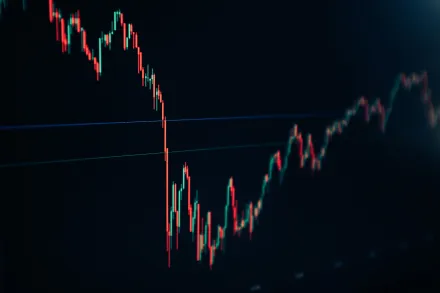
Scalpers rely on ultra-short time frames, commonly ranging from one-minute to five-minute charts, and sometimes even tick charts that reflect every executed trade. The visual representation helps identify micro-trends, traded volumes, and momentary momentum shifts. However, charts are not the sole guide; scalpers combine chart analysis with direct market data like order book depth, recent trades, and latency indicators. This blend allows them to anticipate short-lived squeezes, reversals, or bursts of activity that can yield a handful of ticks in a very brief moment, demanding quick reflexes and efficient decision workflows.
Instruments and Market Sectors
Scalping spans multiple instrument classes, including equities, futures, forex, options, and increasingly digital assets. Each market has distinct microstructures: equities can exhibit visible bid-ask spreads and protective price collars around news events; futures respond to macro data with liquidity that can surge or retreat rapidly; forex markets display high liquidity but also uneven depth across pairs and sessions; crypto markets may experience wild volatility and fragmented liquidity across venues. A scalper studies the specific rules, tick sizes, and fee structures of their chosen instrument to tailor a consistent approach that aligns with market realities.
Technology and Execution Infrastructure
The technology stack for scalping is an essential enabler of profitability. Traders rely on fast laptops or purpose-built hardware, colocated servers, and direct market access to minimize latency. They use sophisticated order management systems, hotkeys or keyboard macros for rapid entries, and real-time risk dashboards to monitor exposure. Execution speed matters as much as analysis, and even microseconds can separate a successful trade from a missed opportunity. Stable connectivity, efficient data feeds, and robust risk controls form the backbone of a scalable scalping operation, allowing the trader to operate consistently under pressure.
Risk Management and Capital Allocation
Risk management in scalping is highly granular because losses can accumulate quickly if a single trade unfolds unfavorably. Traders often employ tight stop losses, small position sizes, and strict daily loss limits to protect capital. Position sizing is calibrated so that a string of small losses does not endanger the overall account, while winners accumulate with disciplined exit rules. Many scalpers cap daily risk by limiting the number of trades or the total exposure across instruments, ensuring that the psychological and financial stress remains manageable. The essence is to preserve the ability to trade another day rather than to chase a rescue trade after a big misstep.
Psychology, Discipline, and Behavioral Factors
Scalping places significant psychological demands on a trader. The mind must stay calm under pressure, avoid overtrading, and resist the impulse to chase profits when the market becomes noisy. Emotional control helps sustain consistency; disciplined traders stick to their plan, ignore frittered opportunities, and accept that the outcome of any single trade is less important than the overall equity curve. Focus, routine, and objective performance metrics become as vital as the technical skill, since mental fatigue can erode judgment even when the mechanics of entry and exit are technically sound. This combination differentiates truly effective scalpers from those who briefly imitate the style but fail over time.
Regulation, Compliance, and Market Structure
Market participants must navigate a landscape of rules designed to protect fair access and orderly trading. Scalpers may encounter specific exchange rules, order handling policies, and, in some regions, restrictions related to high-frequency activity or abusive trading practices. While scalping itself is a legitimate technique, it is important to comply with applicable regulations, including reporting requirements and risk disclosures. Traders stay informed about market structure changes, fee schedules, and latency-improvement measures that could alter the profitability equation, ensuring that their methods remain consistent with current standards and best practices.
Scalping vs. Other Trading Styles
Compared with longer-term trading approaches, scalping emphasizes speed, turnover, and micro risk management rather than broader trend capture. Swing trading and day trading share some similarities but differ in time horizons, where swings may span days and days trading may incorporate broader intraday moves. The scalper's edge is not a dramatic forecast but a keen sensitivity to immediate price discovery dynamics and order flow. This distinction manifests in the required skill set, the cognitive load, and the daily rhythm of work, with scalping demanding relentless focus and precise execution rather than patient conviction about a larger narrative.
Common Pitfalls, Mistakes, and best Practices
Newcomers to scalping often encounter a learning curve marked by misjudgments about liquidity, overreliance on a single indicator, or neglect of transaction costs. Others underestimate the importance of latency, hardware reliability, and software stability, which can lead to catastrophic slippage in volatile moments. The best practices for enduring success include building a robust pre-market routine, testing strategies in simulated environments, calibrating profit targets to spread, and continually auditing performance data. A consistent review process helps identify drift in edge or changes in market microstructure that could erode profitability if not addressed promptly.
Backtesting, Simulation, and Practice Routines
Backtesting scalping strategies requires careful replication of real-world conditions, including latency, execution delays, and market microstructure. Philosophically, backtesting should avoid overfitting to a single dataset and instead emphasize robustness across diverse periods and volatility regimes. Practice routines often revolve around dry runs, paper trading, and live sessions with cautious risk settings. The aim is to verify that the expected edge persists when facing real-time data and to fine-tune timing, target levels, and risk controls before allocating substantial capital. A thoughtful practice path accelerates learning while protecting the trader from avoidable losses.
Scalping and Algorithmic Trading
Algorithmic approaches to scalping extend human capabilities by encoding precise entry rules, exit criteria, and risk checks into software. Some scalpers develop bespoke systems that monitor multiple instruments simultaneously, while others utilize off-the-shelf platforms with custom scripts. The central advantage is the ability to remove emotional interference, ensure consistent application of rules, and exploit micro-opportunities that recur with predictable frequency. Yet algorithmic scalping also introduces concerns about reliability, reliance on data feeds, and the potential for unintended behavior if the program encounters unforeseen market conditions. Ongoing validation and human oversight remain prudent components of a healthy approach.
Brokerage Selection, Fees, and Ethics
Choosing a broker for scalping involves evaluating speed, connectivity to exchanges, liquidity, and transparency in fee structures. Traders look for direct market access, favorable commissions, and low or zero minimums on order execution. Ethical considerations include avoiding strategies that could destabilize markets, adhering to best execution principles, and ensuring that the chosen venue aligns with regulatory expectations. The right broker relationship can transform a scalper's practical reality, enabling consistent fills and predictable costs, while a poor match can erode the small margins that define this trading style.
The Future of Scalping: Trends and Market Evolution
Looking ahead, scalping is likely to be shaped by ongoing advances in technology, data availability, and regulatory clarity. Emerging developments in latency optimization, market data analytics, and cross-venue liquidity aggregation may expand the opportunities for tight execution windows across asset classes. At the same time, tightening compliance regimes and evolving transaction cost structures will require scalpers to adapt their risk controls, diversify their instrument mix, and refine their cost management. The fundamental appeal—capturing small, repeatable edges within liquid markets—persists, but the playbook will continue to evolve as markets and technology coevolve.