In the world of personal finance, savings account rates behave like a living system rather than a fixed dial. They shift in response to a broad blend of economic forces, bank funding needs, regulatory environments, and competitive dynamics. For a saver, this means that a rate advertised today might look quite different a few weeks or months later, even when the product name and terms remain the same. The changes can be subtle or pronounced, and they occur for reasons ranging from central bank policy shifts to the simple arithmetic of liquidity ...


In the modern landscape of digital finance, the topic of anonymity versus privacy sits at the center of a broad conversation about rights, responsibilities, and the evolving rules of online life. Cryptocurrencies introduced a new paradigm where transactions are recorded on immutable ledgers that are accessible to anyone with a connection to the network, yet many users crave a sense of personal sovereignty that feels special and distinct from the mass of data trails that modern online activity leaves behind. This article invites readers to explo...

Shadow banking is a term that denormalizes a multifaceted reality in modern financial systems. It describes a web of credit intermediation activities and entities that perform bank-like functions without being conventional, fully regulated banks. In practice, shadow banking involves liquidity transformation, maturity transformation, and leverage that occur outside the standard banking perimeter, often relying on market-based funding, securitized products, and short-term funding markets. The idea is not simply that these actors operate in the sh...

Long-term investing rests on a simple but powerful premise: the most influential forces shaping wealth over time are not the daily fluctuations of markets or the news of the moment but the gradual, compounding growth that accrues when capital is allowed to work over extended periods. The distinction between short-term trading and long-horizon investing is not merely a difference in time frame; it reflects a fundamentally different approach to risk, discipline, and expectation. In a long-term framework, the investor seeks to identify assets whos...
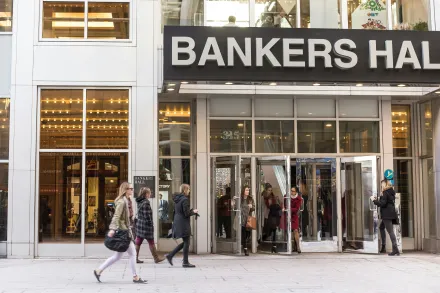
Bank mergers are not merely corporate maneuvers carried out within the boardrooms of financial institutions. They ripple outward, altering the daily experiences of millions of customers who rely on checking and savings accounts, loans, digital services, and advice from trusted financial partners. When two banks decide to join forces, the immediate questions that arise for customers range from the practical—what happens to my account numbers, my debit card, my online login credentials—to the more subtle, yet equally important, shifts in service ...
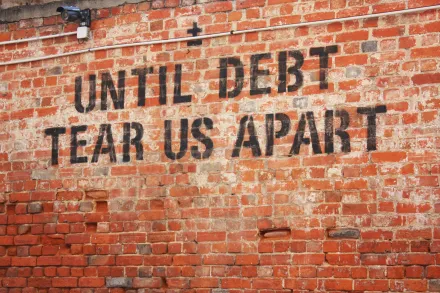
After successfully paying off debt, many people experience a mix of relief, confidence, and even a lingering fear of slipping back into old patterns. The relief part can be powerful, but it can also become a trap if not handled with awareness. When the last payment is made, the brain often celebrates with a surge of dopamine, which can momentarily dull attention to future mistakes. In these moments it is crucial to recognize that debt is a habit as much as a balance sheet item. The way a person behaves after payoff can determine whether the psy...
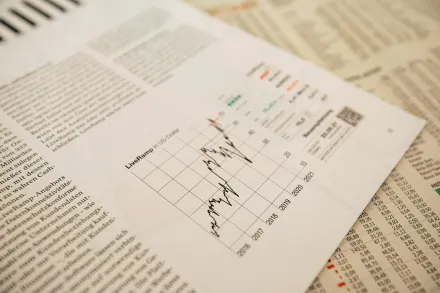
Macro economic data serve as the compass for investors navigating the broad terrain of markets and industries. They reveal the tempo of economic activity, the price environment, the strength of labor and consumer demand, and the overall health of financial systems. For a careful analyst, these data points are not isolated numbers but signals embedded in a larger story about how an economy operates, where it is headed, and how policy choices might shift the balance between growth and risk. The enduring truth is that no single statistic determine...

Testnets are specialized copies of blockchain networks that exist to serve as controlled environments where developers, testers, and communities can experiment with new features, code changes, and network operational mechanisms without risking real value on a live production chain. In these spaces, rewards are incentives designed to attract participants, align their actions with the goals of the project, and generate meaningful data about how the system behaves under stress, during upgrades, and in the face of potential security challenges. The...

Share buybacks, or repurchases, occur when a company buys its own stock from the market or through direct offers to shareholders. This activity reduces the number of outstanding shares and can influence key financial metrics that investors watch, such as earnings per share and return on equity. Buybacks are often framed as a way for management to return capital to shareholders, but the underlying motivations can be more nuanced, blending strategic finance with market perceptions. When a company announces a buyback, it signals that management be...

In households where money conversations are open and collaborative, a family savings challenge can become a unifying project that blends practical skill building with shared values. The goal goes beyond simply accumulating cash; it is about creating a daily rhythm that makes saving feel natural, rewarding, and within reach for every member of the family. When families engage in a savings challenge, they reinforce a culture of accountability and cooperation, where each member understands how individual choices accumulate into collective outcomes...