Same-day banking is a term used to describe a set of financial transactions and services that are designed to settle or post within the same calendar business day, or even within a few hours of initiation, rather than following the traditional model where funds move with delays of one day, several days, or longer. In contemporary financial ecosystems, the concept has expanded beyond the narrow idea of a single payment method and has come to signify a broader capability: the ability to initiate a payment, deposit funds, or disburse money and see...
Banking

When a bank account is hacked, the impact can ripple through many parts of your financial life. You may worry about unauthorized transfers, card charges, or even more subtle forms of access that could threaten your personal data. The moment you suspect a breach is not the time to panic but the moment to act with disciplined steps. This article offers a thorough, practical roadmap designed to help you act quickly, minimize damage, and set up a durable shield against future intrusions. It emphasizes steady, structured action over sensationalism, ...
In the long arc of financial history, the physical bank branch served as a cornerstone of trust, a place where people could see, speak with, and transact with a representative of a financial institution. The walls of a branch conveyed stability, the layout guided customers through a journey from curiosity to purchase, and the teller window acted as a visible reminder that money was tangible and regulated by human oversight. Yet the last decades have carved a different path. As technology accelerated, as consumer expectations shifted toward spee...

Checks do not vanish into a black box and reappear instantly in your account. Instead, they travel through a chain of processing steps that can stretch across hours or days depending on multiple variables. The general idea is simple: a deposit creates an instruction to move funds, and the bank must verify, post, and sometimes reserve money before it becomes available for everyday spending. The speed of this process depends on the payment networks, the type of check, and how the receiving bank handles the item. Understanding these layers helps b...
In the world of personal finance and estate planning, a custodial bank account represents a specific arrangement designed to hold and manage funds or securities on behalf of another person, typically a minor, until certain conditions are met or until the beneficiary reaches adulthood. This type of account is established when a parent, grandparent, guardian, or another adult takes on the role of custodian, steward, or fiduciary. The essence of a custodial bank account lies in the combination of fiduciary responsibility and a structured transitio...
The question of whether physical cash will fade from daily life is not merely a technical or financial inquiry; it touches the social fabric, the way communities organize trust, and the subtle economies formed around money that is tangible, visible, and portable. For centuries, coins and notes have served as reliable, portable units of value, with physical sensations of weight and texture that people recognize and carry in pockets, purses, and wallets. In recent decades, however, the rapid expansion of digital payment systems, mobile wallets, c...
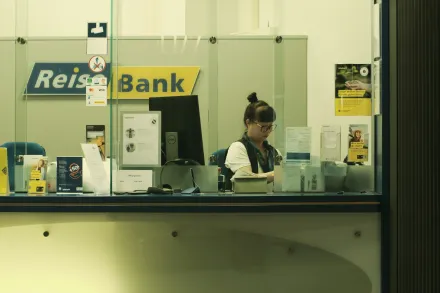
In recent decades the landscape of banking customer service has shifted from transactional routines conducted through brick and mortar locations to a dynamic, technology enabled ecosystem that treats service as an ongoing experience rather than a discrete event. This transformation has been driven by rapid advances in digital channels, the expectations of customers who carry highly capable devices, and the strategic emphasis that modern financial institutions place on trust, convenience, and personalized support. As the world grew more intercon...

Overdrafts represent a built in or arranged facility on a bank account that allows the account holder to spend money even when the account balance has dropped below zero. In practical terms, an overdraft occurs when a transaction such as a debit payment, a withdrawal, or a direct debit exceeds the funds currently available in the account, and the bank steps in to cover the shortfall either automatically or because the account holder has agreed to a limit. This arrangement creates a temporary balance that is negative, and it is accompanied by te...
In the landscape of everyday finance, two widely used instruments stand out for moving money from one party to another: the cashier’s check and the personal check. A cashier’s check is issued by a bank and is backed not by the personal funds of the person requesting it, but by the bank itself. When a customer asks for a cashier’s check, the bank takes the specified amount from the customer’s account and then guarantees payment by drawing on the bank’s own funds rather than the donor’s account. This structure ensures that the instrument is funct...
Market shocks are sudden, often unexpected, disruptions that ripple through financial systems and test the resilience of banks in multiple dimensions. They can arise from abrupt shifts in interest rates, rapid movements in asset prices, liquidity squeezes in funding markets, or a combination of macroeconomic surprises that alter consumer behavior and business cash flows. The central challenge for banks is not merely to survive a single surprise but to build a framework where the organization maintains function, protects customers, and preserves...