Government bonds are debt securities issued by a government to borrow money for public needs. They are generally considered among the safest forms of investment, backed by the government's ability to tax and to print currency in many jurisdictions, though safety is not absolute and depends on the issuer, the currency, and the economic stability of the country. Investors typically seek government bonds for predictable income, capital preservation, and portfolio diversification, especially in uncertain markets where riskier assets may retreat. Un...

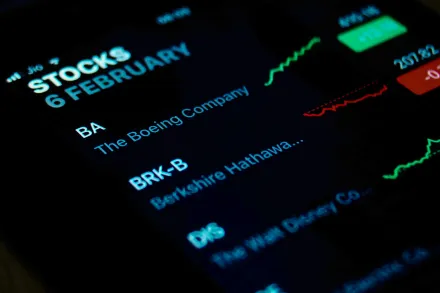
The stock market operates as a continuous negotiation between buyers and sellers, and at the heart of that negotiation are two essential prices: the bid and the ask. The bid is the price at which a trader is willing to buy a share, while the ask is the price at which a trader is willing to sell. Together these prices form a snapshot of market sentiment and liquidity at any given moment, showing not only what people are prepared to pay and receive, but also how quickly trades can be executed and at what cost. This dynamic creates the canvas for ...

Pay-per-mile car insurance is a type of usage based auto coverage that charges customers primarily based on the number of miles they drive, rather than charging a flat premium that is largely determined by historical risk factors alone. In practice, a policyholder may pay a modest base rate, which covers the fixed costs of maintaining insurance coverage, and then incur a per-mile charge that scales with the distance traveled during each billing period. This model stands in contrast to traditional policies that emphasize insured value, driving h...

In the realm of health insurance, cost sharing is a fundamental mechanism that shapes how much individuals pay for care over the course of a year. Two terms that frequently appear in plan documents and explanations are copay and coinsurance. While both are forms of cost sharing, they operate in different ways and under different circumstances. Understanding the distinction between a fixed payment you make at the time of service and a percentage of the charge that you are responsible for after a deductible is met can help you forecast your expen...
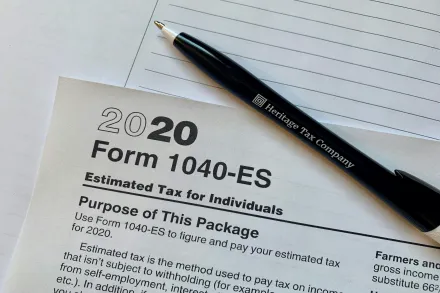
Designing a tax-efficient estate plan is a thoughtful process that blends financial planning with family goals, legal structure, and a clear understanding of how transfers of wealth are taxed across generations. The objective is to maximize the value passed to heirs while minimizing the tax drag that inevitably accompanies the transfer of large estates. This guide provides a comprehensive, readable exploration of the strategies, steps, and considerations involved in building an estate plan that remains robust under varying tax regimes and life ...

Corporate bonds represent a class of debt issued by companies to raise capital for growth, operations, acquisitions, or refinancing existing obligations. When you purchase a corporate bond, you are effectively lending money to a corporation in exchange for a promise of regular interest payments and the return of principal at a predetermined maturity date. Unlike government securities, corporate bonds carry credit risk tied to the issuer’s ability to service debt and meet obligations, which means the yields on these instruments generally reflect...

The relationship between inflation and stocks is a topic that has engaged economists, investors, and policymakers for decades because it sits at the intersection of macroeconomic stability, corporate profitability, and market valuation. Inflation operates on several channels at once, influencing the discounting of future cash flows, the margins that corporations can sustain, and the risk preferences of investors. In many historical episodes, inflation has acted as a kind of weather system for stock markets: when inflation is low and predictable...

Entering the world of savings accounts for the first time can feel like stepping into a vast marketplace where terms, numbers, and promises swirl around you. The goal of this guide is to illuminate the essentials without overwhelming you with jargon or hype. A well chosen savings account serves as a quiet foundation for your financial future, offering security, predictable growth, and convenient access when you need it. For a beginner, the most important aim is not to chase the highest advertised rate alone, but to find a basic, reliable produc...

Farmland has long stood as a quiet pillar of tangible value in diversified investment portfolios. It combines the physical reality of land with long term cash flows from leases, potential appreciation in land value, and the possibility of revenue diversification through multiple crops, yields, and agricultural cycles. The appeal is not merely the hope of a rising price tag attached to a plot of arable ground, but a blend of steady income from rent, potential upside from improved soil health and productivity, and the ability to participate in a ...

In the crowded discourse around digital money, a persistent question persists with unusual stubbornness: can a system built on cryptography and distributed consensus be genuinely green, or is the environmental footprint intrinsic to its design? The debate spans energy policy, technology deployment, corporate responsibility, and the psychology of modern finance. Proponents of greener cryptos point to evolving consensus mechanisms, improvements in efficiency, and strategic partnerships with renewable energy producers as evidence that a sustainabl...