Embarking on your first professional role marks the start of a journey where independence, responsibility, and opportunity intersect in practical ways. The money choices you make in those early years shape not only your current comfort but also your future options, from buying a home to funding education, starting a family, or pursuing a dream venture. Smart money habits are not about deprivation or radical austerity; they are about building dependable routines that translate a modest paycheck into meaningful progress. The goal is to establish ...

Web3 represents a broad rethinking of how digital systems are structured, how value is created and shared, and how people participate in networks that were once dominated by a handful of centralized platforms. The core promise of Web3 lies in shifting control from custodians to communities, in providing verifiable provenance for digital and physical assets, and in enabling participants to interact through open protocols rather than closed interfaces. This article seeks to map the terrain of Web3 use cases with careful attention to what is techn...
For many investors, the decision between using an individual retirement account or a workplace retirement plan hinges on a blend of tax advantages, long term strategy, and practical access to a wide range of investments. The topic of stock investing within tax advantaged accounts is especially important because it shapes the way capital gains, dividends, and compound growth unfold over decades. The core question is not simply which account offers more tax savings, but how each account integrates with a diversified stock investing plan that bala...
Investing in stocks offers the potential for growth and wealth creation, but unsystematic risk is the enemy of long term success. Diversification is the disciplined practice of spreading investments across different companies, sectors, geographies, and investment vehicles to reduce the impact of any single trade or event. The goal of diversification is not to chase the loudest bet or to predict every market move, but to construct a resilient framework that can weather a variety of market conditions while still providing a reasonable expectation...
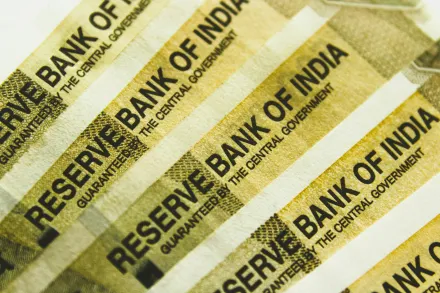
Bank reserves are a foundational concept in modern finance, representing the liquid assets that banks hold to meet day to day obligations, support payment systems, and maintain overall financial stability. These reserves can take the form of physical cash stored in a bank's vault as well as balances that banks keep on deposit at a central bank. The way reserves are managed, measured, and regulated influences how much banks can lend, how quickly money circulates through the economy, and how a country responds to changes in demand for liquidity d...

In your forties the landscape of financial responsibility tends to grow more intricate while the horizon of opportunity often appears more stable, which makes budgeting a different kind of practice than what you might have relied on in earlier decades. The routine quickly shifts from simply covering the bills to orchestrating a broader plan that aligns short term choices with long term security. In this phase of life many people face a blend of steady income and rising responsibilities, from supporting children who are navigating education to p...

Biometric authentication has become a cornerstone of modern banking, redefining how customers prove their identity while interacting with financial services. In an ecosystem where mobile devices, wearable technology, and rapidly evolving digital channels connect customers to their money, biometrics offer a way to balance ease of use with strong security. This article delves into the inner workings of biometric authentication in banking, explaining the technologies involved, how data is captured, processed, stored, and protected, and what this m...

Moving to a new country carries a profound array of financial implications that extend beyond packing lists and visa paperwork. The moment you set a plan in motion, you begin to untangle how money moves across borders, how to protect it, and how to design a strategy that remains flexible as circumstances change. A thoughtful approach starts with building a clear picture of your current finances, then translating that picture into a practical plan that can adapt to shifts in exchange rates, tax rules, housing costs, and employment opportunities....

Expats and digital nomads inhabit a world where borders do not necessarily align with the flow of money, where work can be done from a beach, a mountain town, or a coworking hub, and where currencies flicker between local, regional, and international markets with remarkable speed. In this context banking is not merely a service to open an account and store funds; it becomes a strategic backbone for mobility, income diversification, and life organization across multiple jurisdictions. A modern banking approach for travelers and residents away fr...

In recent years, the rapid expansion of digital markets has intensified the debate over how quickly securities and related assets can be exchanged for value and risk transferred to the appropriate settlement counterparties. The term T+0 refers to settlement of trades on the same calendar day the trade occurs, effectively delivering securities and funds instantly or within hours rather than the traditional T+1 or T+2 timeframes. While the historical norm in many jurisdictions has been a delay between trade and settlement to allow for trade match...