Expats and digital nomads inhabit a world where borders do not necessarily align with the flow of money, where work can be done from a beach, a mountain town, or a coworking hub, and where currencies flicker between local, regional, and international markets with remarkable speed. In this context banking is not merely a service to open an account and store funds; it becomes a strategic backbone for mobility, income diversification, and life organization across multiple jurisdictions. A modern banking approach for travelers and residents away fr...
Banking


Money market accounts and savings accounts represent two of the most common options for people who want to keep money accessible while earning interest. They are both designed to offer a safe place to store funds, typically insured by the FDIC when held at insured banks in the United States, and they both aim to provide a balance between growth and liquidity. Yet they differ in subtle and not so subtle ways that can affect how a person uses them over time, depending on goals, spending patterns, and the need for access tools such as checks or de...
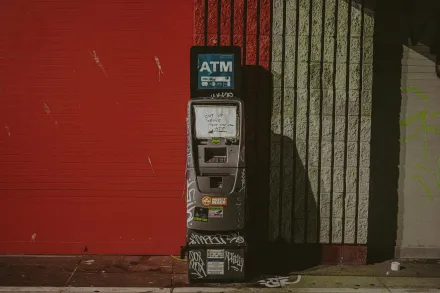
When you travel, the cost of accessing cash can be surprising if you do not understand how fees are applied. In most scenarios you encounter two broad charges. The first is a withdrawal fee charged by the local ATM operator, which is the fee the machine asks you to pay for the service itself. The second is a surcharge that your home bank or card issuer may levy for international withdrawals. A third consideration is the currency conversion decision presented at the moment of withdrawal, which can influence the effective exchange rate you receiv...
Currency and value with which modern economies transact have deep ties to the institutions that manage money, lend it, and facilitate the practical everyday exchange of goods and services. The banking system is not a single monolith but a network of institutions, rules, technologies, and cultural norms that collectively shape how money moves, how credit is allocated, and how risks are managed. At its core, the banking system acts as an intermediary between savers who provide funds and borrowers who need funds to consume, invest, or expand produ...

In the complex ecosystem of modern finance, the counterfeit check poses a persistent threat to individuals and institutions alike. Banks invest heavily in layered defenses that combine physical inspection, electronic screening, and behavioral analytics to distinguish legitimate instruments from fraudulent imitations. The challenge is not merely about spotting a single telltale sign, but about synthesizing many signals gathered from paper characteristics, automated systems, historical patterns, and the depositor’s typical behavior. The result is...
Shadow banking refers to non-bank financial intermediaries that perform bank-like functions without being subject to the same set of regulations. In modern economies, entities such as money market funds, securitization vehicles, hedge funds, and certain structured investment products engage in liquidity transformation and maturity transformation. They attract deposits or investor funding and provide credit or liquidity through specialized channels. Unlike traditional banks, many shadow banking entities do not take insured deposits and often rel...

In modern lending, a bank's assessment hinges not only on numbers on a credit report but also on the texture of the relationship between the borrower and the financial institution. A strong, ongoing relationship can translate into more favorable terms, smoother processing, and faster decisions. Banks increasingly rely on data that comes from customer interactions across channels, a pattern that shapes how loan committees view risk and potential for repayment. When a borrower interacts with the same institution over time, the lender gains a rich...
When you initiate a transfer within a single country, the time it takes to reach the recipient depends on how the money is moved between banks, the processing hours of the institutions involved, and the rules of the payment rails that operate in that jurisdiction. In many places, clearing networks are designed to balance efficiency with safety, so funds can post within a matter of minutes in the fastest cases, but more commonly they appear within hours or over one or two business days. The exact speed hinges on the transfer method, the originat...

In the transition away from fossil fuels, banks play a pivotal role by mobilizing capital for projects whose lifecycles stretch over decades, requiring careful alignment of technical feasibility, market risk, regulatory requirements, and long-run cash flows. The process begins with a recognition that renewable energy assets differ from ordinary corporate lending in their structure, sources of revenue, and the nature of risk they create for lenders. Rather than relying on single party loans with a fixed repayment profile, banks often assemble mu...
When you decide to close a bank account, it is important to approach the decision deliberately rather than rushing toward the exit. A thoughtful plan helps avoid losing money, missing automatic payments, or leaving a perception of incomplete financial organization. Begin by considering the purpose of the account you intend to close and how your overall financial picture will be affected. If the account is tied to ongoing salary deposits, bill payments, or recurring subscriptions, you should map out where those funds and obligations will move be...