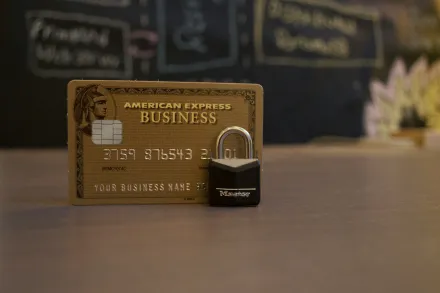
In a world where payments happen in an instant and across many channels, safeguarding a debit card requires a holistic approach that blends practical habits with smart technology. Debit cards carry both the convenience of immediate access to funds and the risk of exposure if the data they carry is intercepted or misused. A thoughtful protection strategy begins with understanding the common pathways fraudsters exploit, from face-to-face theft and skimming to digital breaches and card-not-present schemes, and then applying targeted measures that ...
Banking
ESG banking represents the deliberate incorporation of environmental, social, and governance considerations into the everyday operations of financial institutions. It extends beyond charitable grants or marketing slogans to reshape lending, investing, risk management, product design, and stakeholder engagement. In practice, ESG banking asks how climate outcomes, social equity, and governance quality influence the long term viability of both an institution and the communities it serves. It is not a niche initiative but a framework that seeks to ...
In the tapestry of modern economies, banks occupy a central position in shaping how small businesses start, grow, and endure through cycles of change. They are not merely gatekeepers of funds but multifaceted partners that offer capital, guidance, and infrastructure that enable daily operations and long term planning. The relationship between a bank and a small business is often a blend of credit, service, and trust, woven together by sophisticated processes, regulatory requirements, and a shared interest in sustainable success. The practical r...
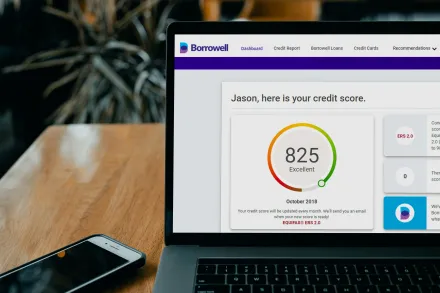
When an account sits idle for an extended period, many services label it as dormant, a status that signals reduced access, higher scrutiny, or even temporary suspension. Reactivating such an account involves a careful dance between confirming your identity, clarifying ownership, and following security procedures set by the provider. The goal is not only to regain access but to restore trust between you and the service, ensuring that the account remains safe from unauthorized use while returning to its normal operational state. This article walk...
In the modern financial landscape, two broad methods of moving money electronically dominate the landscape: wire transfers and ACH transfers. Both are aimed at moving funds from one party to another, but they operate on different rails, have different performance characteristics, and carry different cost profiles and risk considerations. For corporate treasuries, understanding the distinction is not merely academic; it shapes cash forecasting, supplier relationships, and liquidity management. For households and individuals, the choice affects h...
In modern finance, a dormant bank account is more than a quiet balance. It is an account that has seen no customer-initiated activity for a defined period, triggering policies and regulatory steps designed to protect the rights of the owner while ensuring funds remain available within the financial system for rightful reclamation. The concept is rooted in the simple reality that people move, change addresses, close branches, or abandon old financial footprints, and those changes can leave money sitting in accounts with little or no daily use. T...
When you deposit money into a bank, you initiate a partnership that blends personal finance with the machinery of the broader financial system. The moment your funds cross the threshold of the branch counter, the teller or the digital system records the transaction and increases the balance of your account. But behind that simple update lies a complex choreography that involves regulators, central banks, payment networks, and the bank’s own balance sheet. You may imagine that your money just sits there awaiting your next withdrawal, yet in real...

The term bounced check describes a payment instrument that cannot be processed by a bank because the funds in the payer's account are insufficient or unavailable at the moment the bank attempts to honor the check. When a person writes a check to pay for goods or services and the recipient submits it for payment, the bank checks whether the funds are available in the account. If the funds are not there, the bank returns the check unpaid, sometimes labeled as NSF for non-sufficient funds, and the payment fails. This event is not just a minor bank...
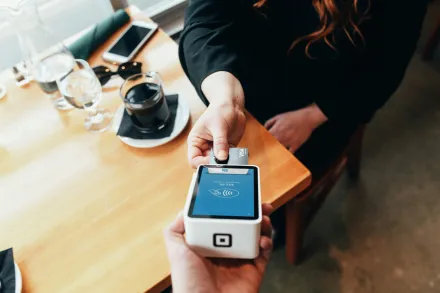
In the digital age, contactless payments have emerged as a convenient, fast, and secure way to complete transactions without swiping a card or inserting a chip. At its core, contactless payment is a way to exchange payment data using short range wireless technology, usually near field communication, so that a merchant's reader can recognize a payment account when a device is brought close to it. The idea is simple in principle, but the underlying technologies, standards, and security practices are layered and sophisticated, designed to protect ...
In many economies, access to financial services remains uneven, and the consequences ripple through households, small businesses, and communities. Banks, traditionally seen as custodians of savings and engines of credit, occupy a pivotal position in shaping who can participate in formal finance and how easily they can do so. The role of banks in financial inclusion extends beyond merely offering accounts or loans; it encompasses a constellation of activities that enable people to save safely, transact securely, borrow under fair terms, and buil...