The relationship between interest rates and the stock market is one of the most studied and debated topics in finance, and it operates through multiple channels that interact with human psychology, corporate fundamentals, and macroeconomic conditions. When policymakers adjust rates, they send a signal about the cost of borrowing, the pace of inflation, and the future growth path of the economy. Investors translate those signals into expectations about company profits, cash flow, and the relative attractiveness of alternative investments such as...
Investing


Starting with a hundred dollars may feel modest, yet it represents a genuine doorway into the world of investing where time, discipline, and smart choices can compound into meaningful growth. The core idea is not the precise dollar amount but the habit you build, the lessons you learn, and the way you use modern tools to participate in markets that were once out of reach for many. With a small starting sum, you can access broad market exposure, learn how fees shape outcomes, and begin to understand the relationship between risk, reward, and pat...

In an era when longevity is rising, inflation can surprise to the upside, and markets move with increasing frequency and complexity, the discipline of crafting a retirement investment strategy becomes not just useful but essential. A durable plan rests on a clear understanding of personal goals, a realistic view of the time horizon ahead, and a practical approach to balancing growth with protection. This article offers a comprehensive, reader friendly framework that blends long term planning with ongoing review, and it stresses the idea that a ...
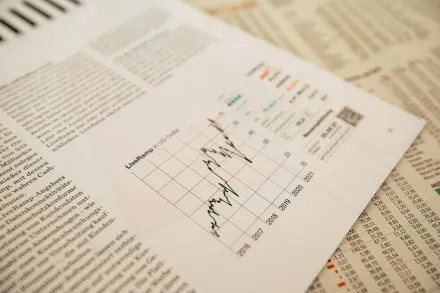
Bear markets pose challenges to investors who want to grow wealth while preserving capital. The instinct to wait for a clearer signal or to abandon markets altogether can be strong, but a disciplined approach known as dollar-cost averaging offers a path through the uncertainty. In its essence dollar-cost averaging means investing a fixed amount of money at regular intervals, regardless of price, which over time results in purchasing more shares when prices are low and fewer shares when prices are high. In a bear market this method can reduce th...

The landscape of sustainable investing has evolved from a niche preference among mission driven funds to a central pillar of many institutional portfolios and retail strategies. This maturation has been shaped by a combination of scientific understanding about the consequences of climate change, shifts in consumer expectations, and a growing recognition that environmental, social, and governance factors can materially influence risk and return. Investors now repeatedly encounter the idea that long term resilience cannot be achieved without inte...

The twenty-something years are a unique window in which deliberate moves toward building a credible portfolio can pay dividends for years to come. In many fields the portfolio is not only a display of finished work but a narrative about your problem solving, your taste, and your disciplined approach to learning. This article explores how to craft a portfolio in your twenties that stands out in crowded markets, communicates your potential clearly, and grows with you as you gain experience. The goal is not to fake experience but to package authen...

Investment simulators occupy a curious place in the toolkit of modern traders and investors. They are not magic wands that guarantee success, but they provide a controlled environment where ideas can be tested, rules can be refined, and intuition can be confronted with data without risking real capital. A well used simulator can illuminate how a strategy behaves across different market regimes, reveal its sensitivity to costs and execution, and foster a disciplined approach to decision making. The essence of a simulator is to strip away the emo...

In finance and investing, two terms regularly appear in analyses, portfolio reports, and tax discussions: realized gains and unrealized gains. They describe the outcome of price movements in assets and the point at which those movements are recorded in accounting records or recognized for tax purposes. Realized gains refer to profits that come from completing a sale or a disposition of an asset, where the sale price exceeds the original cost basis after accounting for commissions and taxes. Unrealized gains, by contrast, reflect the theoretical...

Beta in financial markets is a fundamental concept that links the behavior of individual securities to the broader dynamics of the market. It is often used as a shorthand for how much a stock might move when the overall market moves, but it is not a crystal ball that guarantees returns. To begin understanding beta, one can think of it as a coefficient that measures systematic risk rather than idiosyncratic, company-specific risk. This distinction matters because diversifying away idiosyncratic risk means that the remaining risk is largely expla...

In modern corporate finance, a share buyback occurs when a company purchases its own outstanding shares from the market or through a structured offer to shareholders. The motives behind such repurchases are varied and often reflect a combination of strategic, financial, and market considerations. Buybacks can be framed as a way to return capital to shareholders, a means to optimize the company’s capital structure, or a signal about management’s confidence in the business outlook. The precise mechanics, regulatory backdrop, and potential effects...