In the transition away from fossil fuels, banks play a pivotal role by mobilizing capital for projects whose lifecycles stretch over decades, requiring careful alignment of technical feasibility, market risk, regulatory requirements, and long-run cash flows. The process begins with a recognition that renewable energy assets differ from ordinary corporate lending in their structure, sources of revenue, and the nature of risk they create for lenders. Rather than relying on single party loans with a fixed repayment profile, banks often assemble mu...

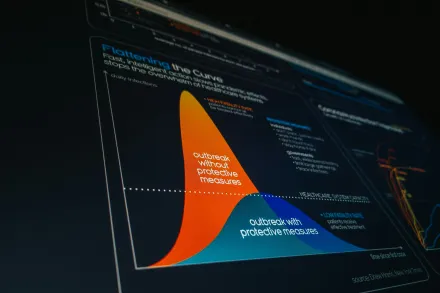
Parametric insurance platforms represent a shift in how risk is transferred, measured, and settled in modern markets. They move beyond traditional indemnity models that reimburse actual losses after an event and instead rely on predefined parameters or indices that trigger payouts automatically when specific conditions are met. This architectural change is not merely a technological upgrade; it is a reimagining of trust, data provenance, and settlement economics that enables faster responses, clearer pricing signals, and greater scalability acr...

Amortization is a financial concept that sounds technical but becomes clearer when you picture payments over time as a steady, predictable rhythm. Think of a loan as a journey you take in small steps rather than a big lump of debt you must swallow all at once. Each payment you make serves two jobs at once: reducing the amount you owe (the principal) and compensating the lender for the use of money (the interest). Over the life of a loan, those two parts shift gradually. At the start, most of your payment goes toward interest, while toward the e...

Financial leaks are the small, often overlooked costs that quietly erode the amount of money you can save or invest over time. They are not dramatic emergencies or obvious misuses of wealth; instead they accumulate through routine behavior, recurring charges, and choices that seem trivial in the moment but add up in a way that changes long term outcomes. The key to stopping leaks is recognizing that numbers matter and that patterns matter more than isolated incidents. When you view your finances as a system with inputs, outputs, and feedback lo...

Tax governance stands at the intersection of compliance, strategy, and risk management within a company. It is not merely a procedural function that files returns on time but a comprehensive system that shapes how the organization interprets tax policy, engages with regulators, and allocates resources to manage tax risk while pursuing business objectives. Effective tax governance creates a framework in which tax decisions are transparent, consistently aligned with the company’s risk appetite, and integrated into strategic planning. It recognize...

When you decide to close a bank account, it is important to approach the decision deliberately rather than rushing toward the exit. A thoughtful plan helps avoid losing money, missing automatic payments, or leaving a perception of incomplete financial organization. Begin by considering the purpose of the account you intend to close and how your overall financial picture will be affected. If the account is tied to ongoing salary deposits, bill payments, or recurring subscriptions, you should map out where those funds and obligations will move be...
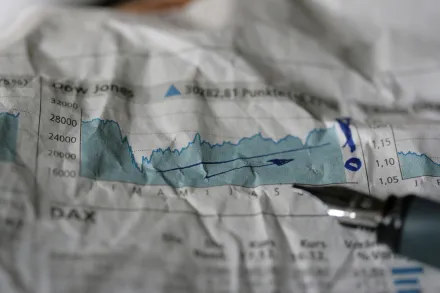
Macro trends describe large, persistent shifts in the global economy, society, and technology that unfold over years or decades rather than quarters. They emerge from underlying drivers such as demographic transitions, environmental constraints, technological breakthroughs, shifts in consumer behavior, and changes in policy across nations. For long-term investing, recognizing these enduring patterns helps investors align their capital with the structural changes shaping earnings, productivity, and asset prices. A macro perspective does not guar...
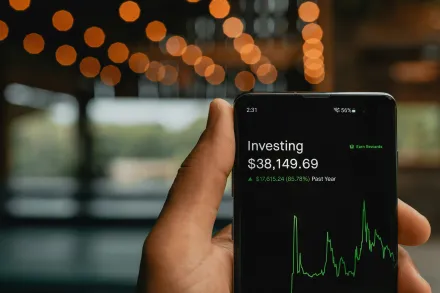
In the modern financial landscape, passive investing has evolved from a niche strategy pursued by a few disciplined savers into a mainstream approach that many households rely on for building long term wealth. The core idea remains simple: rather than trying to outguess the market, investors embrace broad market exposure through low cost vehicles such as index funds and exchange traded funds, allowing time, diversification, and compounding to work together. What makes this ancient impulse remarkably relevant today is the unprecedented access cr...

Debt can press on a relationship in invisible ways, turning quiet worries into nightly anxieties and shaping decisions from what to buy to where to live. When couples tackle debt together, they lean on a shared purpose that can restore trust and create a more predictable future. The first step is not math alone but a deliberate, compassionate conversation that sets a constructive tone, acknowledges emotions, and names common goals.

Cryptocurrency represents a form of value that exists primarily as digital information rather than physical coins or banknotes, and it is designed to be independent of any single institution or traditional payment rails. At its essence, a cryptocurrency relies on cryptographic techniques to secure transactions, control the creation of new units, and verify the transfer of assets across a distributed network. This creates a foundation where no central authority is strictly required to maintain trust, because trust is built into the mathematical ...