Budgeting as a couple is not merely a mechanical exercise in dividing numbers; it is a deliberate practice of aligning two lives toward shared values, common goals, and a sense of security that grows the relationship rather than eroding it. When two people commit to managing money together, they embark on a journey that requires patience, empathy, and a willingness to listen beyond the arithmetic of income and expenses. The purpose of this exploration is not to prescribe a rigid system but to offer a framework that couples can adapt to their un...


In recent years, budgeting apps have evolved from manual ledger entries to intelligent assistants that learn from behavior, financial patterns, and real-time data. The core promise remains the same: help people manage money more effectively, reduce stress, and create a pathway to lasting financial health. What has changed is the ability to process enormous amounts of data securely and translate it into actionable guidance through algorithms that adapt to each user. The phrase AI insights captures this shift: instead of generic rules, users rece...

Critical illness insurance is a type of coverage that stands apart from ordinary health insurance by offering a lump sum payment when a policyholder is diagnosed with a specified life changing condition. This product is designed to provide financial support at a moment when medical needs and everyday expenses may escalate rapidly, even if the insured already carries comprehensive health coverage. The essence of critical illness insurance lies in the predictability of a payout that can help bridge cash flow gaps, fund specialized treatment optio...

In modern economies, uncertainty is a constant companion. Households, firms, and governments face a complex web of risk arising from weather shocks, health emergencies, technological disruptions, and financial volatility. Insurance functions as a formal mechanism that channels resources toward risk mitigation and resilience. By shifting the burden of loss from individuals and organizations to a broader pool, insurance helps stabilize consumption, investment, and output, particularly when shocks would otherwise threaten the viability of business...

As your income grows, an often unseen psychological mechanism nudges your spending upward in tandem. This phenomenon, commonly called lifestyle inflation, quietly shifts the baseline of what feels normal. A modest raise can trigger a chain reaction: slightly nicer meals, a larger apartment or house, a newer gadget here and there, and the sense that immediate gratification has earned a permanent place in your budget. What begins as a few pleasant upgrades can steadily escalate into a higher cost of living that your current pay only partially sup...

Debt is a pressure point in many households, and talking about it openly can feel like stepping into a minefield. The fear of judgment, the worry about hurting someone’s pride, and the anxiety about the future can make a calm, constructive conversation seem almost impossible. Yet when a family faces debt together, honesty and shared responsibility can create a pathway toward relief and resilience. The goal is to create an atmosphere of trust where all voices are heard, where emotions are acknowledged, and where practical steps can be taken with...
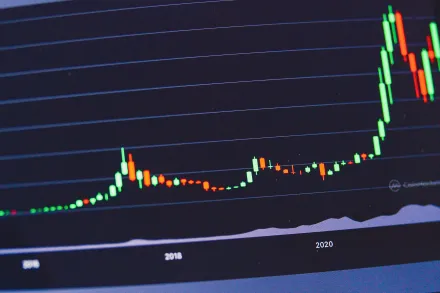
In modern financial markets, data arrives from more channels than ever before, and traders increasingly rely on signals derived not only from prices and volumes but also from the mood expressed in text. Sentiment analysis in algorithmic trading sits at the intersection of computational linguistics and quantitative finance, translating human opinions and emotions into numerical cues that can be incorporated into trading strategies. The appeal is intuitive: markets react to new information, and the way participants interpret that information is o...

In the early days of mobile finance, the idea of instant access to credit was a distant aspiration tethered to traditional banks and their rigid underwriting cycles. The rise of smartphones, ubiquitous internet connectivity, and the democratization of data transformed that dream into a practical capability. Engineers and entrepreneurs began to see that credit could be granted in minutes rather than days if the process could be digitized, automated, and continuously improved by real people and real time signals. The foundational shift was not me...
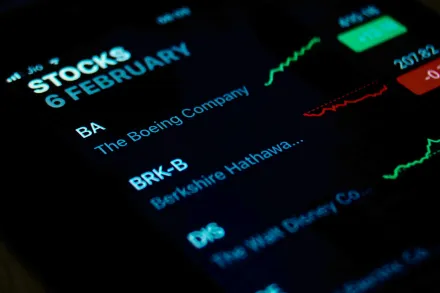
In the world of equity investing, two broad categories often anchor many portfolios: common stock and preferred stock. They share a broad label of ownership in a company, yet they behave in markedly different ways under the surface. The common stock you hear about in headlines and earnings reports represents ordinary ownership with potential for capital appreciation and a voice in governance. The preferred stock, by contrast, behaves more like a hybrid instrument that leans toward steady income with a higher claim on assets in the event of dist...

Artificial intelligence has moved from the realm of science fiction into practical tools that many ordinary investors can employ. AI trading bots, once the preserve of large hedge funds and institutional desks, are now accessible to individual retail traders who want to participate in fast moving markets with systematic, rules based approaches. These bots use algorithmic decision making, pattern recognition, and data driven inference to analyze vast quantities of market information, identify favorable conditions, and execute orders with speed a...