The digital age began with a simple premise: identity could be minted, stored, and accessed through centralized institutions that acted as trusted intermediaries. Banks, governments, social networks, and large service providers became the custodians of our most sensitive credentials, creating a dynamic in which the value of an identity was often measured by the faith placed in a particular gatekeeper rather than by the inherent characteristics of the person or entity it represented. As convenience and scale demanded ever more sophisticated iden...


Budgeting apps have transformed personal finance by turning scattered receipts and bank statements into actionable plans that can be accessed from a phone, a tablet, or a computer. In a space crowded with options, choosing the best fit means evaluating how each product handles data synchronization, budgeting methodologies, user experience, and long term financial goals. The best budgeting app for one person might be radically different for another, depending on whether they want strict cash envelope discipline, automatic categorization, or soph...

In the modern digital economy, crypto mining represents a fusion of engineering, finance, and energy economics that redefines how value is created and redistributed across networks. At its core, mining is a process by which participants invest capital in hardware, electricity, and facilities to secure a decentralized ledger, validate transactions, and mint new units of a cryptocurrency as reward. The economics of this activity hinge on a delicate balance between the price of the token being mined, the cost of electricity and cooling, the capita...

An auto loan is a form of installment financing used to purchase a vehicle. A borrower receives funds from a lender to buy a car, and agrees to repay the principal amount plus interest over a defined period. The loan is secured by the vehicle itself, meaning the car serves as collateral. If the borrower fails to repay, the lender has the right to repossess the vehicle. This mechanism creates an incentive for responsible repayment and helps explain why interest rates apply. The basic structure is simple in concept, yet the details can vary widel...

A wire transfer is an electronic method of sending money from one financial institution to another, enabling funds to travel from the sender’s account to the recipient’s account through secure networks and financial counterparties. In its essence a wire transfer is a formal protocol that moves value across banks rather than merely documenting a transfer on a ledger or issuing a payment instrument that later settles. The appeal of a wire transfer lies in its speed, its structured process, and its ability to move substantial sums with a high degr...
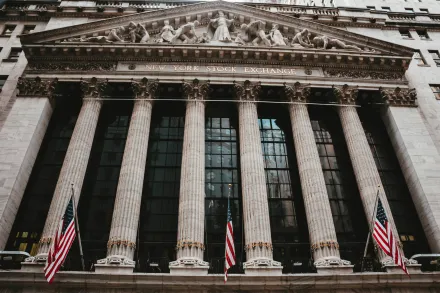
Capital gains taxes are a fundamental part of how investors realize profits from selling assets. The distinction between short-term and long-term gains shapes decisions about when to buy, hold, or sell financial instruments, real estate, or other investments. The conceptual difference is straightforward: short-term gains arise when an asset is held for a brief period, typically under a defined holding period, and the gains are taxed as ordinary income at the taxpayer's marginal rate. Long-term gains arise when an asset is held longer than that ...

The fabric of banking rests on something that cannot be bought, minted, or printed, yet it is the most valuable asset any financial institution can possess. Trust is not a single action or a momentary sentiment; it is a sustained condition that results from deliberate choices, transparent operations, and a consistent demonstration of competence under pressure. In banking, trust operates as both a social contract and a practical mechanism that makes complex economic activities possible. When customers believe that a bank will safeguard their dep...

When a person walks into a bank with a substantial amount of physical currency, the encounter is about more than simply placing money in an account. Financial institutions operate within a dense framework of laws, regulations, and risk-management practices designed to prevent money laundering, fraud, tax evasion, and the financing of illicit activities. Banks are obligated to monitor cash activity, assess the legitimacy of large deposits, and document their actions. This is not an accusation or a judgment about the individual depositing the cas...

NSF stands for non-sufficient funds, a term commonly heard in the context of banking and everyday money management. An NSF fee is a charge assessed by a financial institution when an item presented for payment cannot be honored because there are not enough funds available in the account to cover it. This item could be a paper check, a debit card transaction, an electronic payment such as a bill payment, or an automatic withdrawal that attempts to pull money from the account. In simple terms, the bank penalizes you for attempting to spend more m...

Health insurance premiums are determined by a complex mix of risk assessment, plan design, market competition, and regulatory rules. The basic idea is that insurers estimate how much it will cost them to cover a given group of people and then spread those costs across monthly payments. Age is a major driver, with costs rising as individuals grow older and health risks increase. Location matters because medical costs vary by region, and insurers consider the cost of living, provider availability, and the prevalence of certain health conditions i...